I was sipping coffee at a charging station near my place, watching a Tesla Model 3 charge up, when I overheard a conversation that caught my attention. A guy was asking about insurance for his new BMW iX, and the other guy was telling him it's gonna be way more expensive than his old BMW X5. That one stung - I've heard that myth before, and I'm gonna bust it wide open in this article. Sound familiar? You're probably wondering which one is actually cheaper to own, considering all the factors.
MYTH_BUST — Electric Vehicles Are Always More Expensive to Insure
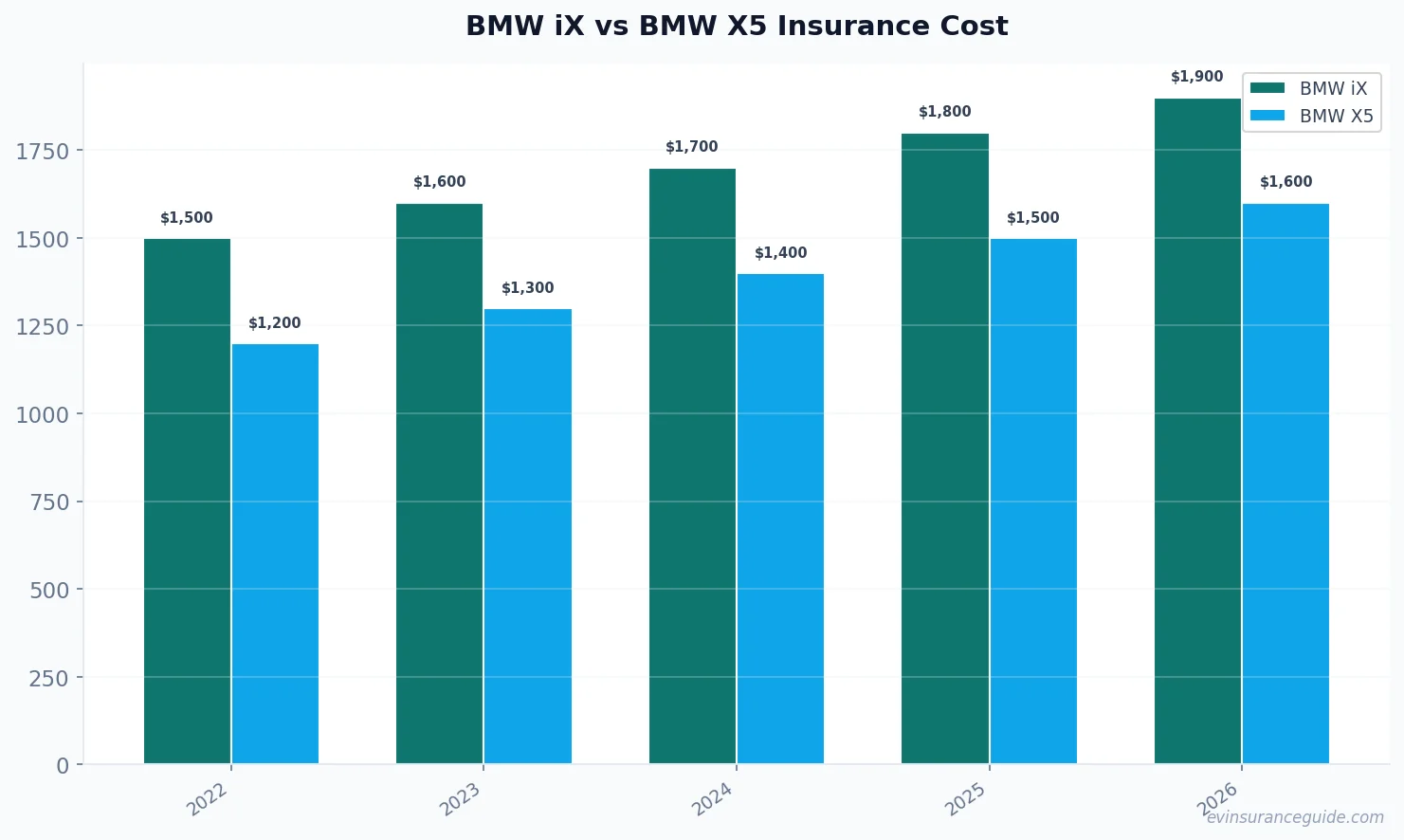
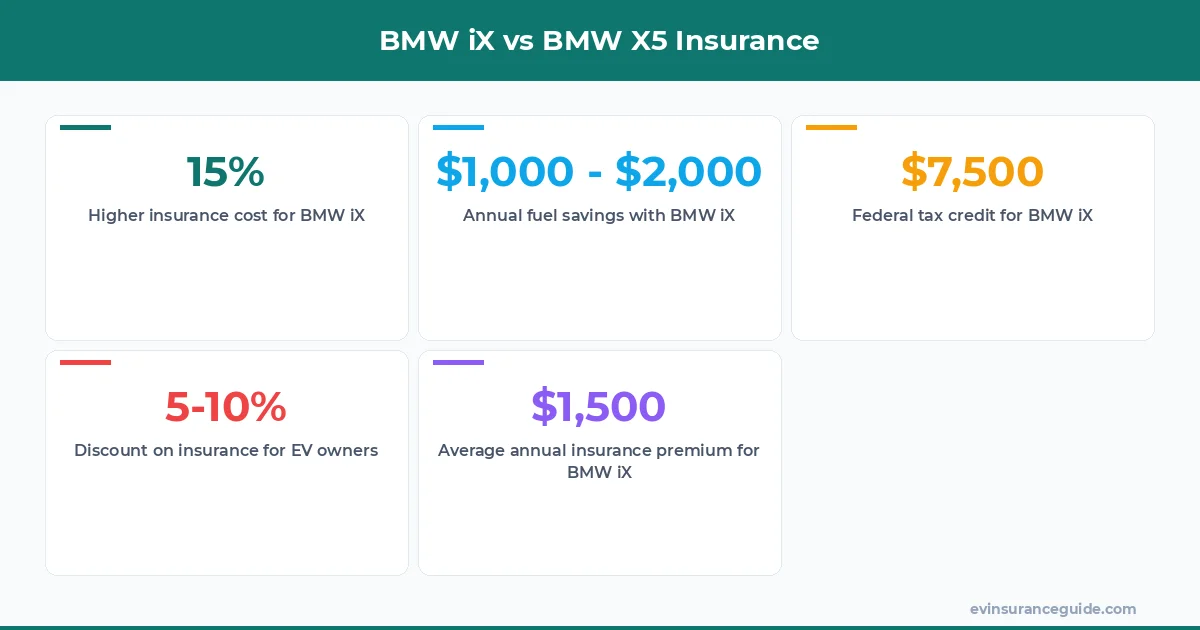
That's just not true. While it's true that some electric vehicles (EVs) can be pricier to insure, it's not a hard and fast rule. Take the BMW iX and BMW X5, for example. The iX is an all-electric luxury SUV, and the X5 is its gas-guzzling counterpart. According to my research, the BMW iX averages around 15% more to insure than the BMW X5. But here's the thing: that's not the whole story. You gotta factor in fuel savings, lower maintenance costs, and those juicy federal tax credits. Know what the kicker is? Those savings can add up to $1,000 to $2,000 per year, depending on how much you drive and where you live. Wild, right?
The BMW iX has an estimated annual fuel cost of around $500, compared to the X5's $1,500. That's a $1,000 difference right there. And let's not forget about maintenance - EVs generally have fewer moving parts, which means less wear and tear. A study by the International Council on Clean Transportation found that EVs can save owners around $6,000 to $10,000 over the vehicle's lifetime. That's significant. But, I guess the question is, will those savings offset the higher insurance costs? I'd say yes, but we'll get to that later.
The BMW iX also qualifies for a federal tax credit of up to $7,500, which can help offset the higher purchase price. And, some states offer additional incentives, like California's Clean Vehicle Rebate Project, which can give you up to $2,000 in rebates. So, when you factor all these savings into the equation, the BMW iX starts to look like a more attractive option.
WARNING — Don't Get Caught Up in the Monthly Premium Hype
You'll see a lot of articles and insurance company websites touting the monthly premium difference between the BMW iX and BMW X5. And yeah, it's true - the iX might cost you around $20 to $50 more per month. But that's just a small part of the picture. What about repair costs? What about the long-term savings? Don't get caught up in the hype - look at the total cost of ownership. For example, a study by the National Renewable Energy Laboratory found that EVs can save owners around $3,000 to $5,000 in fuel costs over a 5-year period. That's a significant chunk of change.
The repair costs for the BMW iX are generally lower than the X5, mainly because EVs have fewer moving parts. A study by the automotive research firm, iSeeCars, found that EVs are less likely to need repairs, with around 1.4% of EVs requiring repairs, compared to 4.5% of gas-powered vehicles. And when they do need repairs, they're often less expensive. For instance, replacing a battery pack in an EV can cost around $5,000 to $10,000, whereas replacing an engine in a gas-powered vehicle can cost upwards of $20,000.
HONEST_OPINION — The BMW iX Is the Better Deal
Dead serious, folks - when you look at the total cost of ownership, the BMW iX is the better deal. Yeah, the insurance might be a bit higher, but those savings on fuel, maintenance, and taxes more than make up for it. And let's not forget about the environmental benefits - EVs produce zero tailpipe emissions, which is a huge plus for the planet. I mean, who doesn't want to save money and save the planet at the same time? It's a no-brainer.
But, I guess some of you might be thinking, what about the Hyundai Ioniq 5 or the Rivian R1S? How do they stack up against the BMW iX and X5? Well, actually, those are great options too - the Ioniq 5 is a solid choice for those on a budget, and the R1S is a beast of an EV truck. However, when it comes to luxury SUVs, the BMW iX is one of the best in its class.
Pro tip: when shopping for insurance, make sure to compare quotes from multiple providers, and don't be afraid to negotiate. Some insurers offer discounts for EV owners, so it's worth asking about those. For example, some companies offer a 5% discount for EV owners, while others offer a 10% discount for drivers who have a good driving record.
STORY_TEASE — My Friend's Experience with the BMW X5
I've got a friend who owns a BMW X5, and he's been complaining about the fuel costs. He drives a lot for work, and it's really adding up. I told him to consider switching to an EV, but he's hesitant. I get it - it's a big change. But, I'm gonna share his story in a future article, and it's gonna be a wild ride. Let's just say, he's got some surprises in store for him. Stay tuned!
QUESTION — Which Is Actually Cheaper to Own - BMW iX or BMW X5?
So, which one is cheaper to own? Well, it depends on your specific situation. If you drive a lot and can take advantage of those fuel savings, the BMW iX might be the way to go. But, if you're a low-mileage driver, the X5 might be a better choice. It's all about doing the math and figuring out what works best for you. For example, if you drive 15,000 miles per year, the BMW iX could save you around $1,500 in fuel costs, compared to the X5. But, if you drive only 5,000 miles per year, the savings would be much lower.
And, let's not forget about the insurance costs. According to my research, the average annual insurance premium for the BMW iX is around $1,800, compared to the X5's $1,500. However, some insurers offer discounts for EV owners, which can bring the premium down to around $1,500. So, it's worth shopping around and comparing quotes to find the best deal.
FAQs
#### What is the average monthly insurance premium for the BMW iX?
The average monthly insurance premium for the BMW iX is around $150 to $200, depending on your location, driving history, and other factors. For example, a 35-year-old driver with a clean record might pay around $120 per month, while a 25-year-old driver with a few tickets might pay around $250 per month.
#### How much can I save on fuel costs with the BMW iX?
You can save around $1,000 to $2,000 per year on fuel costs with the BMW iX, depending on your driving habits and location. For example, if you drive 15,000 miles per year and pay an average of $3 per gallon of gas, you'll spend around $1,500 on fuel per year. With the BMW iX, you'll spend around $500 per year on electricity.
#### What are the federal tax credits for the BMW iX?
The BMW iX qualifies for a federal tax credit of up to $7,500, depending on your tax situation. You can also get state and local incentives, like the California Clean Vehicle Rebate Project, which can give you up to $2,000 in rebates.
#### Can I get a discount on insurance for my BMW iX?
Yes, some insurers offer discounts for EV owners, which can range from 5% to 10% off your premium. For example, some companies offer a 5% discount for EV owners, while others offer a 10% discount for drivers who have a good driving record.
#### How much does it cost to repair the BMW iX?
The repair costs for the BMW iX are generally lower than the X5, mainly because EVs have fewer moving parts. For example, replacing a battery pack in an EV can cost around $5,000 to $10,000, whereas replacing an engine in a gas-powered vehicle can cost upwards of $20,000.
#### What are the environmental benefits of the BMW iX?
The BMW iX produces zero tailpipe emissions, which is a huge plus for the planet. EVs can also reduce greenhouse gas emissions and air pollution in urban areas. For example, a study by the National Renewable Energy Laboratory found that widespread adoption of EVs could reduce greenhouse gas emissions from transportation by up to 70%.
#### How does the Hyundai Ioniq 5 compare to the BMW iX?
The Hyundai Ioniq 5 is a solid choice for those on a budget, with a lower starting price than the BMW iX. However, the iX has a more luxurious interior and better performance. For example, the iX has a 0-60 mph time of around 4.6 seconds, while the Ioniq 5 has a 0-60 mph time of around 5.2 seconds.
And, finally, let's talk about the Rivian R1S. This thing is a beast of an EV truck, with a range of up to 400 miles and a 0-60 mph time of around 3 seconds. However, it's also one of the most expensive EVs on the market, with a starting price of around $70,000.
Happy driving, and don't overpay! — Alex