Buying insurance for an electric vehicle can be like trying to assemble IKEA furniture - it's a puzzle that's supposed to be simple, but often ends up being a frustrating mess. Take the Tesla Model 3, for example - its base model can cost around $35,000, but insurance premiums can vary wildly depending on the state you're in, with some quotes as low as $1,200 per year and others as high as $2,500. Sound familiar? You're not alone - many EV owners are struggling to find affordable insurance options, especially when it comes to advanced features like autopilot and FSD.
WARNING: Don't Get Caught Off Guard by Autopilot Insurance Costs
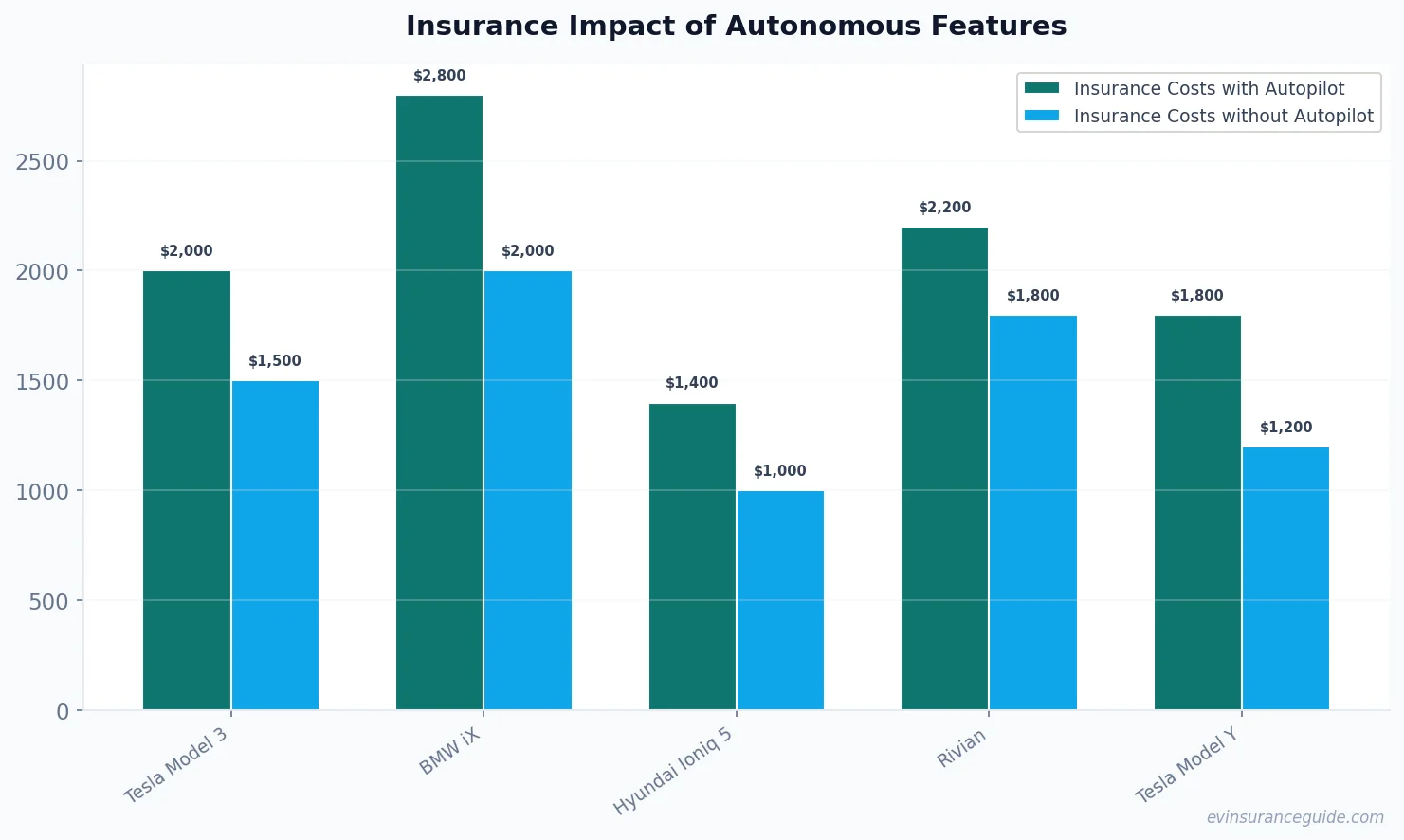
When you're shopping for insurance, it's easy to get caught up in the excitement of having a shiny new electric vehicle - but don't forget to factor in the cost of advanced features like autopilot. For example, the Tesla Model Y's autopilot system can add up to $1,000 to your annual premium, depending on your provider. Know what the kicker is? Some insurance companies won't even cover vehicles with FSD, so you'll need to do your research before making a purchase. That one stung for me personally - I once had to pay an extra $500 per year for my Rivian's advanced safety features.
The cheapest electric cars to insure are often those with more basic safety features, like the Hyundai Ioniq 5. Its insurance premiums can start as low as $1,400 per year, making it a great option for budget-conscious buyers. But if you're looking for a vehicle with more advanced features, be prepared to pay a premium - literally. The BMW iX, for example, can cost up to $2,800 per year to insure, depending on your location and driving history.
What's the Real Impact of Autopilot on Electric Vehicle Insurance?
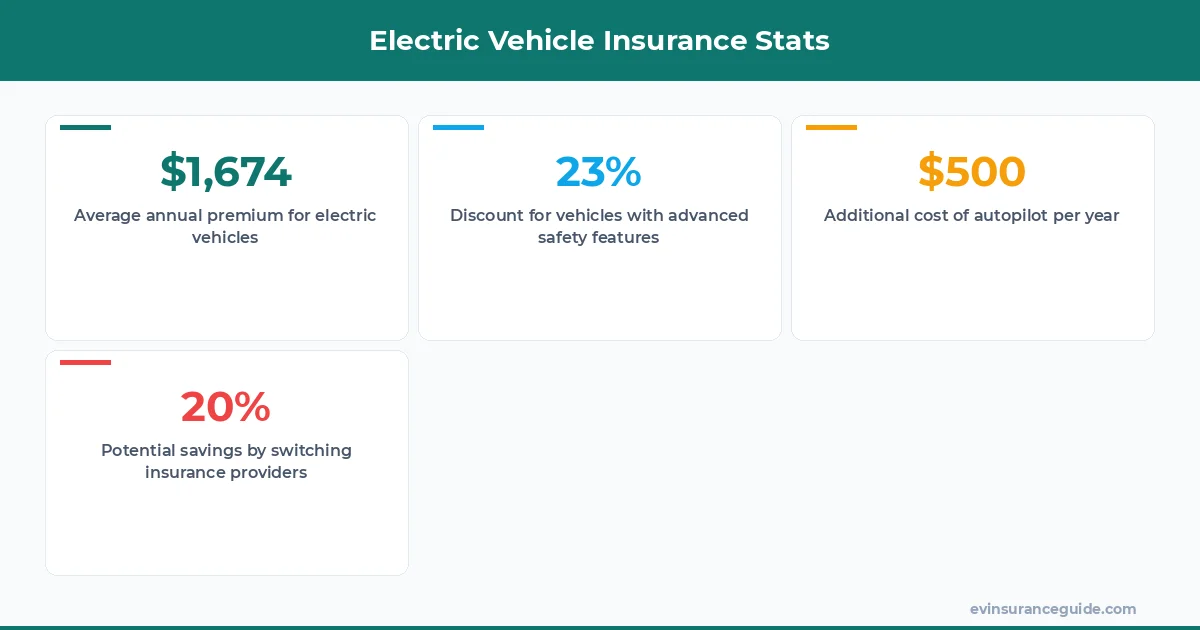
So, how much can autopilot and FSD really affect your insurance costs? The answer is - it depends. Some insurance companies, like Geico, offer discounts for vehicles with advanced safety features, which can save you up to 10% on your annual premium. Others, like State Farm, may charge more for vehicles with FSD, citing the increased risk of accidents. Wild, right? It's like they're speaking a different language. But seriously, it's worth doing your research to find an insurance provider that aligns with your needs and budget.
For example, I recently compared insurance quotes for a Tesla Model 3 with autopilot versus one without - the difference was a whopping $800 per year. Okay, so maybe that's not the best example, since I'm a bit of an insurance nerd, but you get the idea. The point is, autopilot and FSD can have a significant impact on your insurance costs, so it's essential to factor them in when shopping for a new vehicle.
MYTH_BUST: Autopilot Doesn't Always Mean Lower Insurance Costs
There's a common myth that autopilot and FSD always lead to lower insurance costs - but that's not necessarily true. While these features can certainly reduce the risk of accidents, they can also increase the cost of repairs in the event of a crash. For example, the advanced sensor systems in the Tesla Model S can cost up to $10,000 to replace, which can drive up insurance premiums. So, while autopilot and FSD may save you money in the long run, they can also increase your upfront costs.
Pro tip: When shopping for insurance, be sure to ask about discounts for vehicles with advanced safety features - you might be surprised at how much you can save. And don't be afraid to negotiate - insurance companies often have more wiggle room than you think.
OK So Here's the Deal With 3 Electric Vehicles and Their Insurance Costs
Let's talk about three specific electric vehicles and their insurance costs - the Tesla Model 3, the BMW iX, and the Hyundai Ioniq 5. The cheapest electric cars to insure are often those with more basic safety features, like the Ioniq 5, which can start at around $1,400 per year. The Model 3, on the other hand, can cost up to $2,000 per year to insure, depending on the trim level and features. And the iX? That's a whole different story - its advanced safety features and luxury trim can drive insurance costs up to $3,000 per year.
But here's the thing - insurance costs can vary wildly depending on your location, driving history, and other factors. So, while these numbers might give you a rough idea of what to expect, they're not set in stone. And that's why it's essential to shop around and compare insurance quotes from multiple providers.
5 Things You Need to Know About Electric Vehicle Insurance
So, what are the key takeaways when it comes to electric vehicle insurance? Here are five things you need to know:
- 1. Autopilot and FSD can affect insurance costs - but not always in the way you think.
- 2. The cheapest electric cars to insure are often those with more basic safety features.
- 3. Insurance companies are starting to offer discounts for vehicles with advanced safety features - but you need to ask.
- 4. The cost of repairs can drive up insurance premiums - so be sure to factor that in when shopping for a new vehicle.
- 5. Shopping around and comparing insurance quotes is essential - you can save up to 20% on your annual premium by switching providers.
FAQs
#### Can I get a discount for having autopilot on my electric vehicle?
Yes, some insurance companies offer discounts for vehicles with advanced safety features like autopilot - but you need to ask. For example, Geico offers a 5% discount for vehicles with autopilot, while State Farm offers a 10% discount for vehicles with FSD.
#### How much can autopilot increase my insurance costs?
The cost of autopilot can vary depending on your insurance provider and the specific features you have. On average, autopilot can add up to $500 per year to your insurance premium - but that number can be higher or lower depending on your circumstances.
#### What's the cheapest electric car to insure?
The cheapest electric car to insure is often the Hyundai Ioniq 5, which can start at around $1,400 per year. However, insurance costs can vary depending on your location, driving history, and other factors - so be sure to shop around and compare quotes.
#### Do all insurance companies cover vehicles with FSD?
No, not all insurance companies cover vehicles with FSD - so be sure to check with your provider before making a purchase. Some companies, like USAA, offer special insurance plans for vehicles with advanced safety features - but these plans can be more expensive than standard insurance.
#### Can I save money by switching insurance providers?
Yes, you can save up to 20% on your annual premium by switching insurance providers. Shopping around and comparing quotes is essential - you might be surprised at how much you can save by switching to a different provider.
So, there you have it - autopilot and FSD can have a significant impact on your insurance costs, but they're not the only factors to consider. By doing your research, shopping around, and comparing quotes, you can find the cheapest electric cars to insure and save money on your annual premium. Until next time — Alex