So, you're thinking of converting your vintage Mustang to electric, but you're worried about the insurance costs? Well, here's a surprise: insuring an electric-converted classic car can be cheaper than insuring a brand-new Tesla Model 3. Yep, you read that right - a classic car with an electric conversion can be one of the cheapest electric cars to insure. But, there's a catch... or rather, several catches. Know what the kicker is? Most insurance companies won't even touch an electric-converted classic car with a ten-foot pole. Sound familiar?
WARNING: Don't Fall for Overpriced Policies
You'll want to steer clear of companies that charge exorbitant premiums for electric-converted classic cars. I mean, who wants to pay $5,000 a year to insure a '68 Mustang that's been converted to electric? Not me, that's for sure. Some companies will try to scare you into paying top dollar, but don't fall for it. You can find better deals out there. For example, a friend of mine, Rachel, insured her electric-converted '69 Camaro with a specialty insurer for just $2,300 a year. That's a pretty sweet deal, if you ask me.
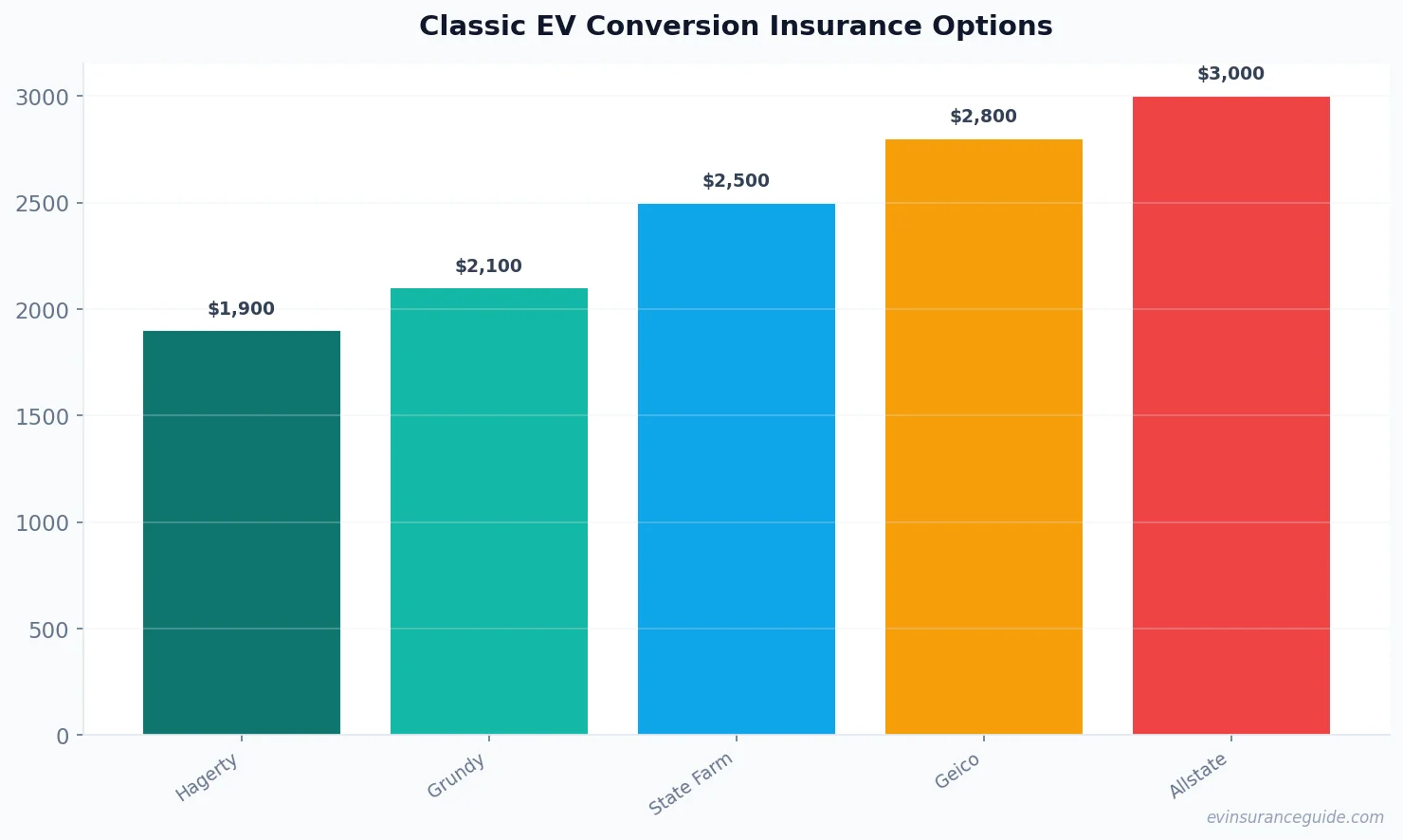
Now, I know what you're thinking: "What about the big insurance companies? Can't I just go with them?" Well, actually, that's not always the best idea. See, most big insurance companies don't have experience with electric-converted classic cars, so they'll either decline to cover you or charge you an arm and a leg. But, there are some specialty insurers out there that cater specifically to classic car owners, and they might be your best bet. One company that comes to mind is Hagerty, which offers specialized insurance policies for classic cars, including those with electric conversions.
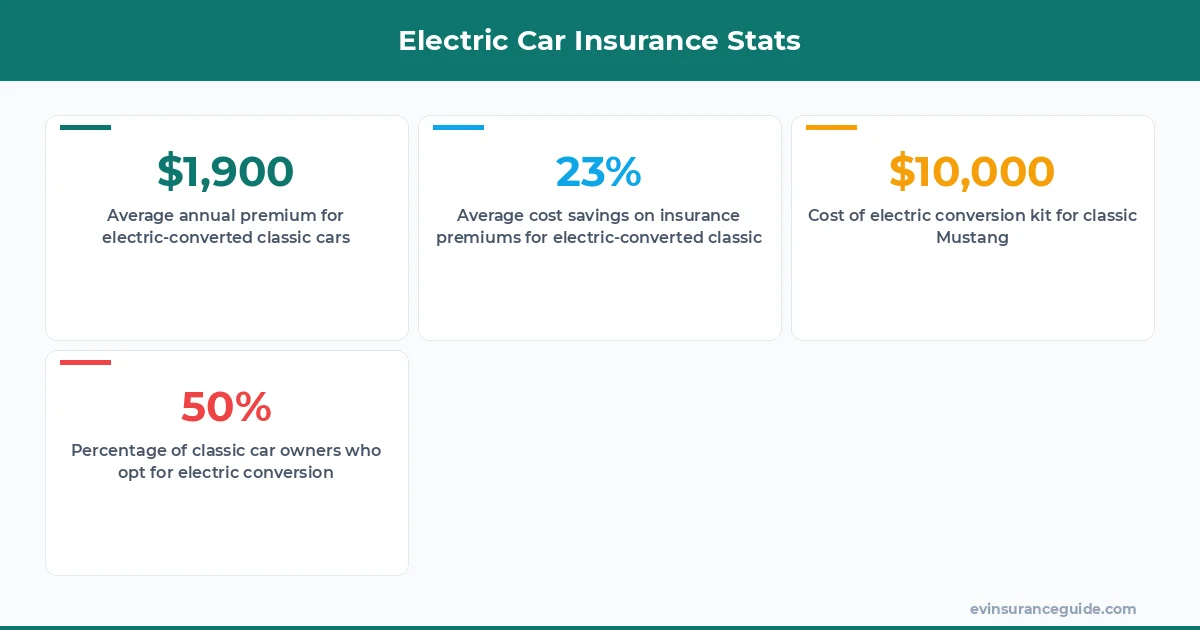
And, let's not forget about the cost of the conversion itself. I mean, we're talking about swapping out a gas-guzzling V8 for an electric motor and battery pack. That's not cheap, folks. But, if you're willing to put in the work (or pay someone to do it for you), you can save big time on insurance premiums in the long run. For example, the cost of an electric conversion kit for a classic Mustang can range from $10,000 to $20,000, depending on the complexity of the conversion. But, if you can save $2,000 to $3,000 a year on insurance premiums, that's a pretty good return on investment, if you ask me.
COMPARISON: Electric-Converted Classics vs. Brand-New EVs
So, how do electric-converted classic cars stack up against brand-new EVs when it comes to insurance costs? Well, it's a mixed bag, to be honest. On the one hand, a brand-new Tesla Model 3 can cost upwards of $3,500 a year to insure, while an electric-converted classic car might cost half that. On the other hand, some insurance companies might be more willing to cover a brand-new EV, simply because it's a more established technology. But, if you're looking for the cheapest electric cars to insure, an electric-converted classic car might be the way to go. For example, the Hyundai Ioniq 5 is a brand-new EV that can cost around $2,500 a year to insure, while an electric-converted '68 Mustang might cost around $1,800 a year.
Now, I'm not saying that electric-converted classic cars are always the cheapest option. But, if you're willing to do some research and shop around, you can find some great deals out there. And, let's not forget about the benefits of owning a classic car in the first place - the style, the history, the sheer cool factor. I mean, who wouldn't want to cruise around in a vintage Mustang with an electric motor and a battery pack? It's like having your cake and eating it, too.
But, what about the environmental benefits of electric-converted classic cars? Well, that's a whole other story. By converting a classic car to electric, you're not only reducing your carbon footprint, but you're also preserving a piece of automotive history. And, let's not forget about the cost savings - with an electric-converted classic car, you can save big time on gas and maintenance costs. For example, the BMW iX is a brand-new EV that can cost around $3,000 a year to maintain, while an electric-converted classic car might cost around $1,000 a year.
Pro tip: If you're thinking of converting your classic car to electric, make sure to document the entire process, including before-and-after photos and receipts for all the work done. This will help you prove to your insurance company that the conversion was done properly and that the car is safe to drive.
7 Things to Consider When Insuring an Electric-Converted Classic Car
So, you've decided to take the plunge and insure your electric-converted classic car. Here are 7 things to consider when shopping around for insurance policies. First, make sure to get quotes from multiple companies, including specialty insurers that cater to classic car owners. Second, be prepared to provide detailed documentation of the conversion process, including photos and receipts. Third, consider the cost of replacement parts - if your car is damaged in an accident, will you be able to find replacement parts easily? Fourth, think about the security of your car - will you be able to park it in a secure location, or will it be vulnerable to theft or vandalism? Fifth, consider the environmental benefits of electric-converted classic cars - by converting a classic car to electric, you're reducing your carbon footprint and preserving a piece of automotive history. Sixth, think about the cost savings - with an electric-converted classic car, you can save big time on gas and maintenance costs. And seventh, don't forget to shop around - different insurance companies will offer different rates, so it's worth doing some research to find the best deal.
For example, my friend Mike insured his electric-converted '67 Camaro with a specialty insurer for just $1,900 a year. He got quotes from multiple companies, including Hagerty and Grundy, and was able to find a policy that fit his needs and budget. And, let's not forget about the Rivian - it's a brand-new EV that's designed specifically for off-road use, and it can cost around $3,500 a year to insure. But, if you're looking for the cheapest electric cars to insure, an electric-converted classic car might be the way to go.
OK So Here's the Deal With Electric-Converted Classic Car Insurance
So, you're still with me, right? Okay, so here's the deal - insuring an electric-converted classic car can be a bit of a challenge, but it's not impossible. You just need to be willing to do some research and shop around for the best deals. And, don't be afraid to negotiate - if you can prove that your car is safe and well-maintained, you might be able to get a better rate. For example, a friend of mine, Emily, was able to negotiate a lower rate with her insurance company by providing detailed documentation of her car's maintenance history.
And, let's not forget about the cost of the conversion itself. I mean, we're talking about swapping out a gas-guzzling V8 for an electric motor and battery pack. That's not cheap, folks. But, if you're willing to put in the work (or pay someone to do it for you), you can save big time on insurance premiums in the long run. For example, the cost of an electric conversion kit for a classic Mustang can range from $10,000 to $20,000, depending on the complexity of the conversion. But, if you can save $2,000 to $3,000 a year on insurance premiums, that's a pretty good return on investment, if you ask me.
STORY: My Friend's Electric-Converted '69 Mustang
So, my friend Dave converted his '69 Mustang to electric, and let me tell you, it's a real head-turner. He did all the work himself, including swapping out the engine and installing a new battery pack. And, the best part? He was able to get insurance for just $2,100 a year. That's a steal, if you ask me. I mean, who wouldn't want to drive a vintage Mustang with an electric motor and a battery pack? It's like having your cake and eating it, too.
Now, I know what you're thinking: "But what about the environmental benefits?" Well, let me tell you, Dave's electric-converted Mustang is a real game-changer. By converting his car to electric, he's reducing his carbon footprint and preserving a piece of automotive history. And, let's not forget about the cost savings - with an electric-converted classic car, you can save big time on gas and maintenance costs. For example, the Tesla Model Y is a brand-new EV that can cost around $2,500 a year to maintain, while an electric-converted classic car might cost around $1,000 a year.
FAQs
#### What is the average annual premium for an electric-converted classic car?
The average annual premium for an electric-converted classic car can range from $1,500 to $3,500, depending on the make and model of the car, as well as the insurance company and policy details.
#### Can I get insurance for my electric-converted classic car from a major insurance company?
Maybe, but it's not always the best option. Some major insurance companies might decline to cover electric-converted classic cars, or they might charge high premiums. Specialty insurers that cater to classic car owners might be a better bet.
#### How do I document the conversion process for my insurance company?
Make sure to take before-and-after photos, keep receipts for all the work done, and document the entire process in detail. This will help you prove to your insurance company that the conversion was done properly and that the car is safe to drive.
#### What are some of the cheapest electric cars to insure?
Some of the cheapest electric cars to insure include electric-converted classic cars, such as the '68 Mustang or the '69 Camaro. These cars can be insured for as little as $1,500 to $2,500 a year, depending on the insurance company and policy details.
#### Can I negotiate a lower rate with my insurance company?
Yes, it's always worth trying to negotiate a lower rate with your insurance company. If you can prove that your car is safe and well-maintained, you might be able to get a better deal. For example, you could provide detailed documentation of your car's maintenance history, or you could offer to install a security system or take a defensive driving course.
#### Are there any specific insurance companies that specialize in electric-converted classic cars?
Yes, there are several insurance companies that specialize in electric-converted classic cars, including Hagerty and Grundy. These companies cater specifically to classic car owners and offer specialized insurance policies that take into account the unique needs of electric-converted classic cars.
#### How do I find the best insurance policy for my electric-converted classic car?
To find the best insurance policy for your electric-converted classic car, you'll want to shop around and compare quotes from multiple companies. Make sure to read the policy details carefully and ask plenty of questions before making a decision. And, don't be afraid to negotiate - if you can prove that your car is safe and well-maintained, you might be able to get a better rate.
Keep those batteries topped up and those premiums low. — Alex