I'm sitting at a charging station, sipping on a cold brew, watching a Tesla Model 3 charge up. Two guys next to me are chatting about their EV insurance costs. One of them mentions he's been trying to deduct his premiums as a business expense. The other guy's response? 'Good luck with that, buddy.' Sound familiar?
They start discussing the intricacies of tax deductions for electric vehicles, and I'm all ears. They throw around terms like 'depreciation' and 'mileage logs.' I'm thinking, what's the real deal here? Can you actually write off your Cybertruck insurance cost as a business expense?
OK So Here's the Deal With EV Insurance Tax Deductions
The IRS allows you to deduct business use percentage of your EV insurance premiums. But, and this is a big but, you need to have a solid record of your business use. We're talking mileage logs, dates, and times. You can't just wing it and expect the IRS to take your word for it. I'd recommend using an app like MileIQ or TripLog to track your miles. It's worth the investment, trust me.
For example, let's say you drive a BMW iX for both personal and business use. You've got a side hustle as a freelancer, and you use your car to meet clients. If you drive 20,000 miles per year, and 10,000 of those are for business, you can deduct 50% of your insurance premiums as a business expense. That's a significant chunk of change, especially if you're paying a high Cybertruck insurance cost.
Now, I know what you're thinking: what about the cost of the EV itself? Can you deduct that too? Well, actually, you can, but it's a bit more complicated. You'll need to depreciate the vehicle over time, using the IRS's Modified Accelerated Cost Recovery System (MACRS). It's a mouthful, I know, but essentially, you'll be able to write off a portion of the vehicle's value each year.
The Honest Truth About Cybertruck Insurance Cost and Tax Credits
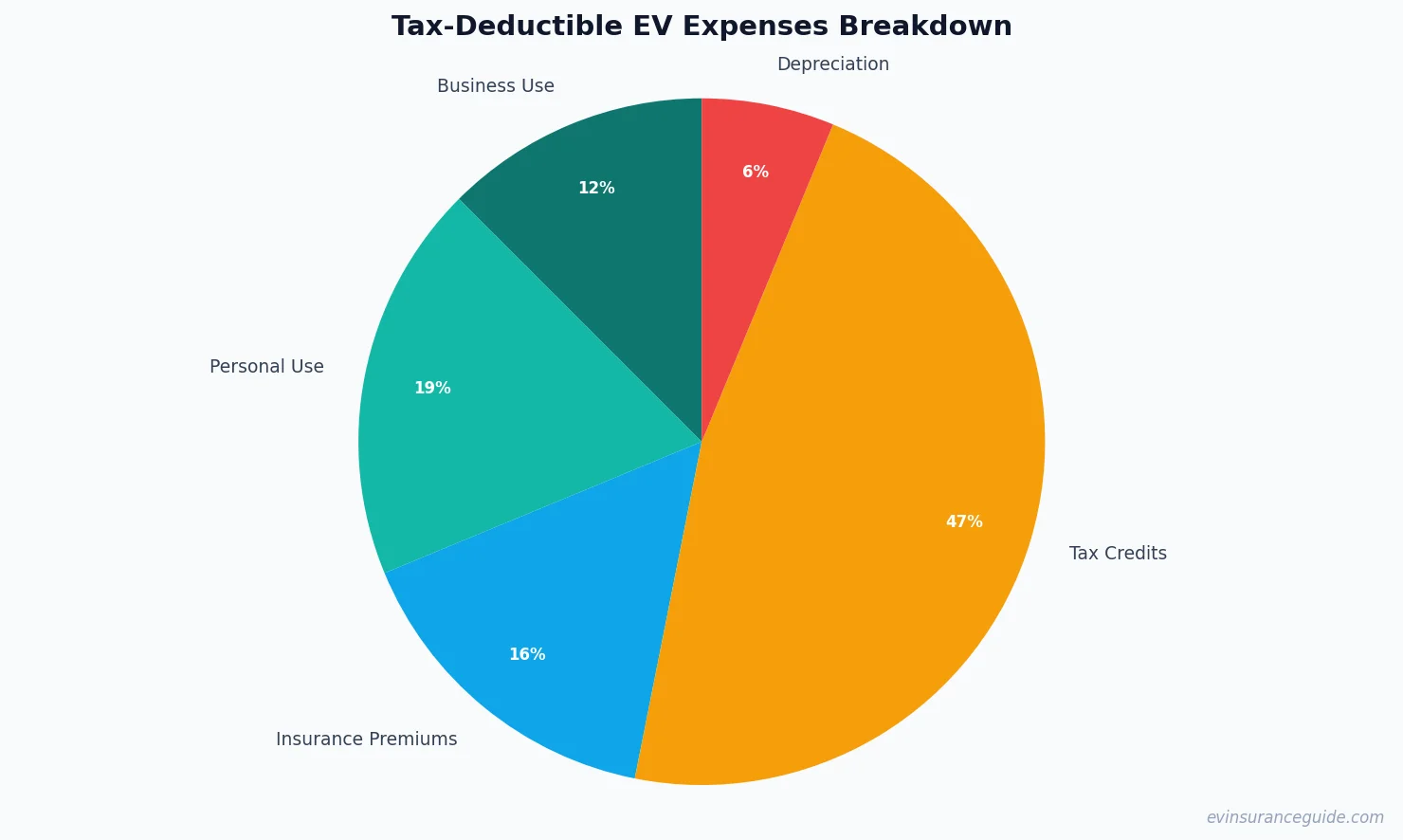
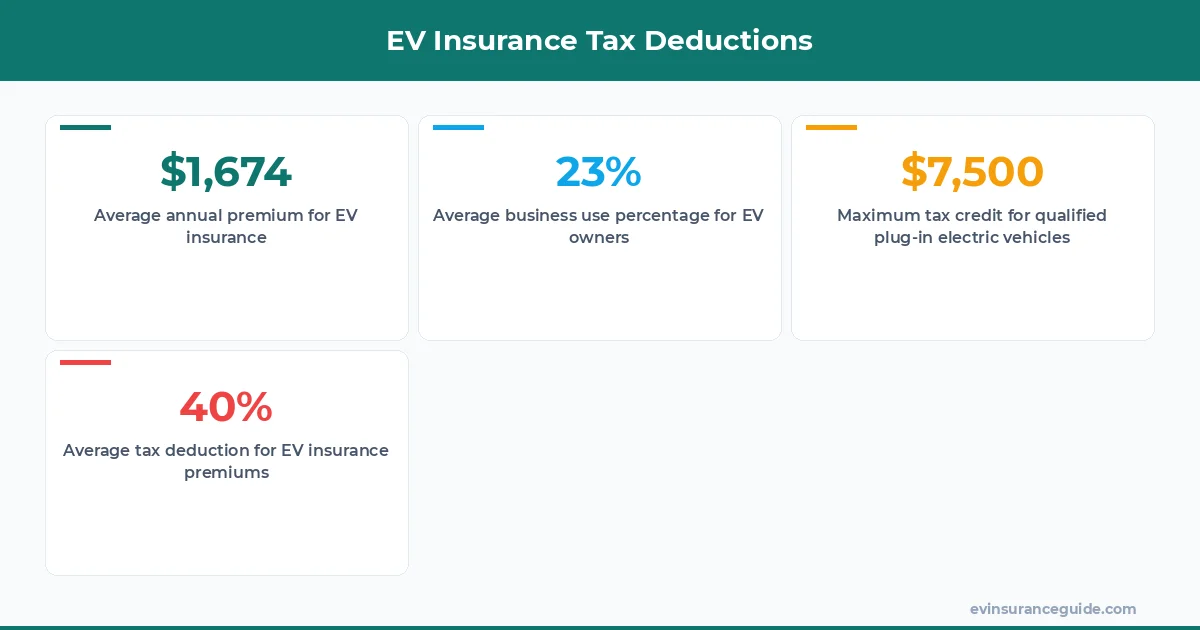
Let's get real here: EV insurance can be pricey, especially for high-end models like the Cybertruck. But, if you're using your vehicle for business, you might be eligible for some tax credits. The IRS offers a credit of up to $7,500 for qualified plug-in electric vehicles. However, this credit starts to phase out once the manufacturer sells 200,000 qualifying vehicles. So, if you're in the market for a new EV, it's worth considering the tax implications.
For instance, if you purchase a Rivian R1T, you might be eligible for the full $7,500 credit. But, if you're buying a Tesla Model Y, which has already surpassed the 200,000-vehicle threshold, you won't be eligible for the credit. It's essential to do your research and crunch the numbers before making a purchase.
Pro tip: consult with a tax professional to ensure you're taking advantage of all the credits and deductions available to you. It's worth the investment, especially if you're self-employed or have a side hustle.
What's the Deal With Business Use and Cybertruck Insurance Cost?
So, you're a freelancer, and you use your Hyundai Ioniq 5 for both personal and business purposes. You're wondering if you can deduct your insurance premiums as a business expense. The answer is yes, but you need to keep accurate records. You'll need to calculate the business use percentage of your vehicle and apply that to your insurance premiums.
For example, if your annual insurance premium is $2,000, and you use your vehicle 60% for business, you can deduct $1,200 (60% of $2,000) as a business expense. It's not a bad deal, especially if you're paying a high Cybertruck insurance cost.
But, know what the kicker is? You'll need to file Form 2106 with the IRS to claim your deduction. It's not a complicated form, but it does require some documentation. You'll need to provide proof of your business use, including mileage logs and receipts for your insurance premiums.
Can You Deduct Your Cybertruck Insurance Cost as a Business Expense?
This is the million-dollar question. The answer is, it depends. If you're using your Cybertruck for business purposes, you might be able to deduct a portion of your insurance premiums. However, if you're using it solely for personal use, you're out of luck.
But, what if you're a mix of both? What if you use your Cybertruck to drive to client meetings, but also to pick up groceries on the weekend? In that case, you'll need to calculate the business use percentage of your vehicle and apply that to your insurance premiums. It's not rocket science, but it does require some math.
For instance, if your annual insurance premium is $3,000, and you use your Cybertruck 40% for business, you can deduct $1,200 (40% of $3,000) as a business expense. That's a significant chunk of change, especially if you're paying a high Cybertruck insurance cost.
The Story of How I Saved Big on My EV Insurance
I've got a friend, let's call him Dave, who owns a small business. He uses his Tesla Model 3 for both personal and business purposes. He was paying a whopping $2,500 per year for insurance, but he was only using his vehicle for business 20% of the time. I told him to start tracking his mileage and calculating his business use percentage.
Long story short, he was able to deduct $500 (20% of $2,500) of his insurance premiums as a business expense. It wasn't a huge amount, but it was better than nothing. And, he was able to use that money to invest in his business.
It's all about being smart with your finances, folks. Don't be afraid to get creative and take advantage of the deductions and credits available to you.
Busting the Myth That EV Insurance is Always Expensive
I've heard people say that EV insurance is always more expensive than traditional gas-guzzler insurance. But, that's just not true. Sure, some EVs, like the Cybertruck, might be more expensive to insure, but that's not the case for all EVs.
For example, the Hyundai Kona Electric has an average annual insurance premium of around $1,400. That's comparable to many gas-powered vehicles. And, if you're using your EV for business, you might be able to deduct a portion of your insurance premiums as a business expense.
So, don't believe the myth that EV insurance is always expensive. Do your research, shop around, and find a policy that works for you.
FAQs
#### What is the average cost of EV insurance?
The average cost of EV insurance varies depending on the make and model of your vehicle, as well as your location and driving history. However, on average, you can expect to pay between $1,500 and $3,000 per year for EV insurance.
#### Can I deduct my EV insurance premiums as a business expense?
Yes, if you use your EV for business purposes, you may be able to deduct a portion of your insurance premiums as a business expense. You'll need to calculate the business use percentage of your vehicle and apply that to your insurance premiums.
#### What is the IRS's Modified Accelerated Cost Recovery System (MACRS)?
The MACRS is a system used to depreciate assets, including vehicles, over time. It allows you to write off a portion of the vehicle's value each year, rather than all at once.
#### How do I calculate my business use percentage?
To calculate your business use percentage, you'll need to keep a mileage log and track the number of miles you drive for business versus personal use. You can then use this information to calculate the business use percentage of your vehicle.
#### Can I deduct the cost of charging my EV as a business expense?
Yes, if you use your EV for business purposes, you may be able to deduct the cost of charging your vehicle as a business expense. You'll need to keep receipts for your charging costs and calculate the business use percentage of your vehicle.
#### What is the tax credit for EVs, and how does it work?
The tax credit for EVs is a credit of up to $7,500 for qualified plug-in electric vehicles. The credit starts to phase out once the manufacturer sells 200,000 qualifying vehicles. You can claim the credit on your tax return, but you'll need to meet certain eligibility requirements.
Go get yourself a better quote. You deserve it. — Alex