Last Tuesday, a guy named Marcus emailed me asking why his Ioniq 5 quote jumped 40%. He'd just moved to a new state and was shocked by the sudden increase. Sound familiar? Know what the kicker is? It's not just about the car itself, but a whole array of factors that determine your electric car insurance cost.
Comparing Apples and Oranges: EVs vs Gas Guzzlers
Take the Tesla Model 3, for instance. Its insurance cost is roughly 15% higher than a comparable gas-powered sedan, like the Honda Civic. But here's the thing: some insurers are wising up and offering discounts for EV owners. We've seen companies like GEICO and Allstate offer as much as 5% off for electric or hybrid vehicles. That's a nice chunk of change, right? Wild, right?
And don't even get me started on the BMW iX - that thing is a beast, with insurance costs to match. I've seen quotes ranging from $2,500 to over $4,000 per year, depending on the trim level and location. But hey, if you're gonna shell out for a luxury EV, you're probably prepared for the premium costs. Or are you? Can you really put a price on the environment, though?
Now, I know what you're thinking: what about the Hyundai Ioniq 5? It's a more affordable option, but still packs a punch in terms of features and range. And the insurance costs? Well, they're relatively reasonable, with most quotes falling in the $1,800 to $2,800 range. Not bad, considering the car's sticker price is around $40,000.
What Impacts Your Electric Car Insurance Cost?
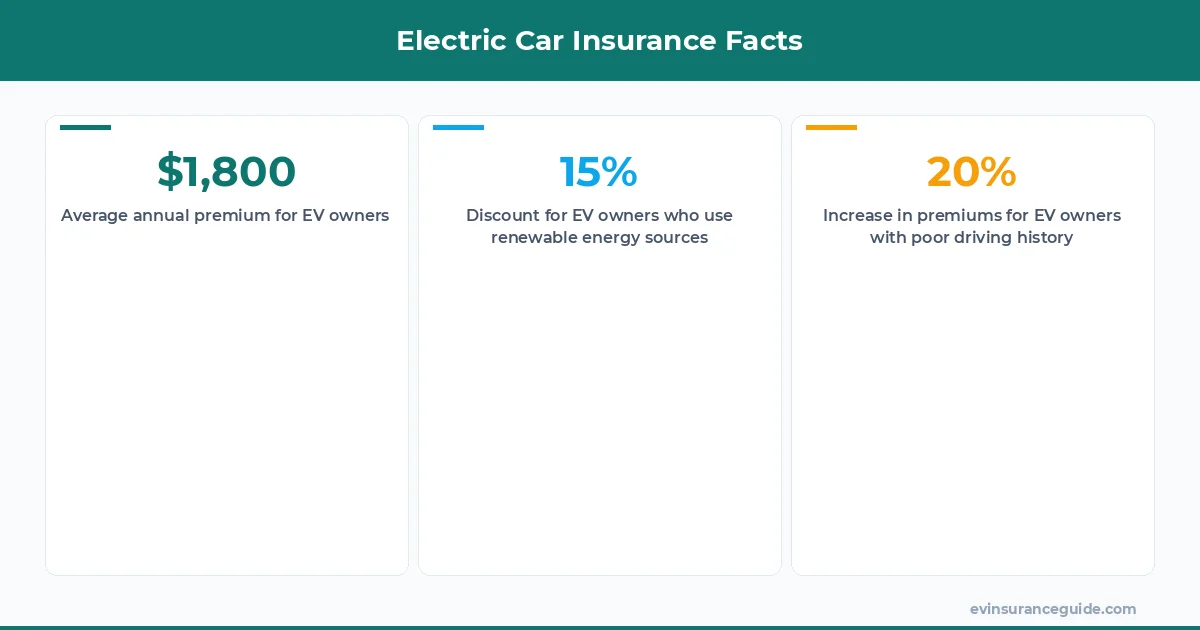
What impacts your electric car insurance cost, anyway? Is it just the make and model of your car, or are there other factors at play? Dead serious, it's a complex algorithm that takes into account everything from your driving history to your credit score. And let me tell you, it's not just about the numbers - it's about the narrative, too. For instance, if you've got a history of accidents or tickets, your premiums are gonna skyrocket. We're talking 20%, 30%, even 50% increases, depending on the severity of the incidents.
But it's not all doom and gloom. Some insurers are starting to offer usage-based insurance, which tracks your driving habits and rewards you for being a safe driver. It's like having a personal driving coach, minus the annoying feedback. And the best part? You can save up to 10% or more on your premiums, depending on the program. That's a nice chunk of change, especially if you're driving a high-end EV like the Rivian R1T.
And then there's the issue of charging infrastructure. If you live in an area with ample charging stations, your insurance costs might be lower. But if you're stuck in a charging desert, you might see higher premiums. It's all about risk, baby - and the insurers are trying to mitigate that risk by charging you more. But hey, at least you'll have the satisfaction of knowing you're helping to drive the adoption of EVs, right?
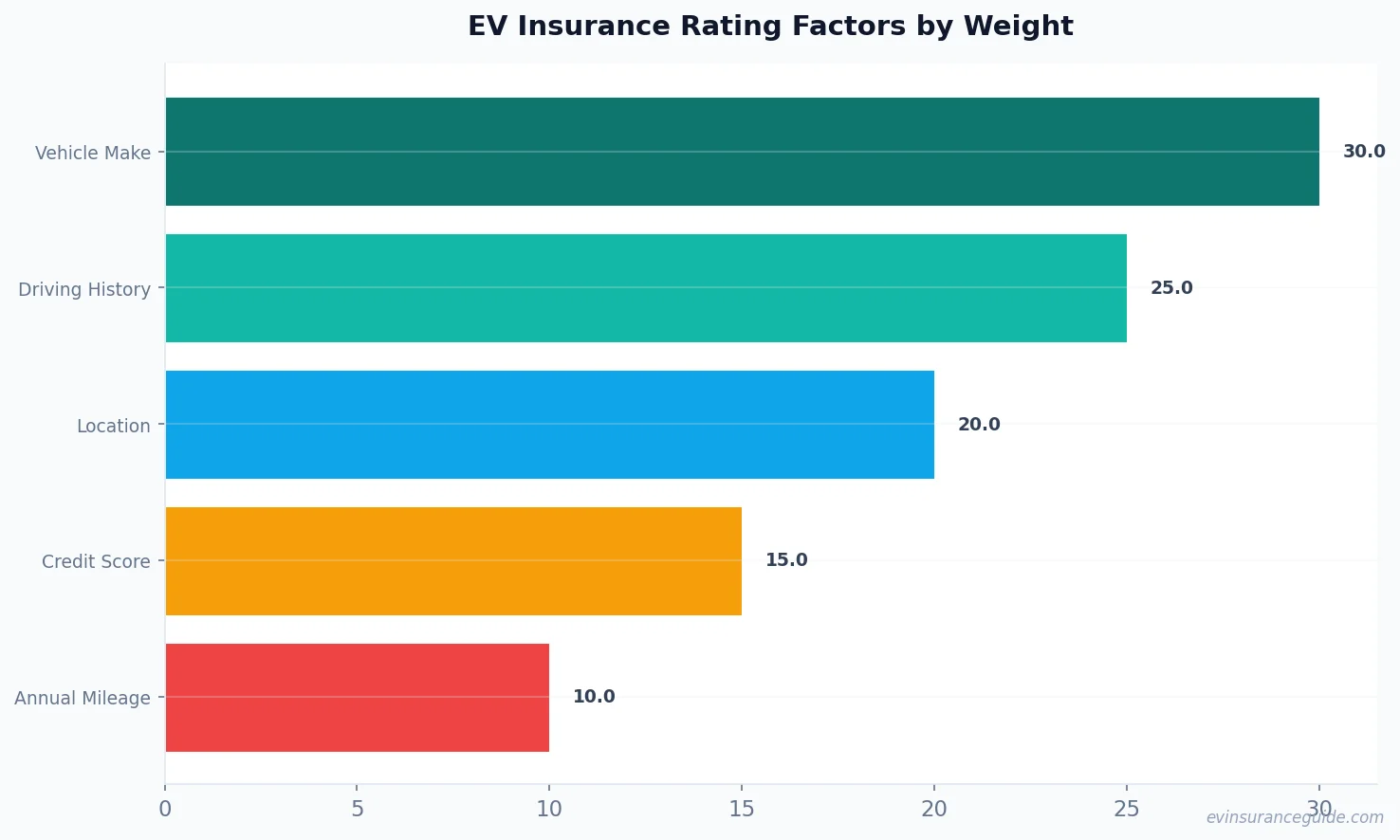
5 Key Factors That Determine Your Electric Car Insurance Cost
5 key factors determine your electric car insurance cost, and they're not all created equal. Number one: your vehicle make and model. Some EVs, like the Tesla Model Y, are more expensive to insure than others, like the Nissan Leaf. It's all about the data, folks - and the data says that some EVs are more prone to accidents or theft than others.
Number two: your driving history. If you've got a clean record, you'll pay less. Simple as that. But if you've got a history of accidents or tickets, you'll pay more. It's like that old saying goes: you reap what you sow. And if you've sowed a bunch of speeding tickets or fender benders, you'll reap the whirlwind of higher premiums.
Number three: your location. If you live in a high-crime area or a region prone to natural disasters, your premiums will be higher. It's all about risk, again - and the insurers are trying to mitigate that risk by charging you more. But hey, at least you'll have the satisfaction of knowing you're paying for the privilege of living in a beautiful, if slightly dodgy, neighborhood.
Busting the Myth of Electric Car Insurance Costs
Busting the myth of electric car insurance costs - it's not as expensive as you think, folks. In fact, some EV owners are seeing savings of up to 10% or more on their premiums, compared to their gas-guzzling counterparts. And it's not just about the car itself, either - it's about the ecosystem surrounding it. For instance, some insurers are offering discounts for EV owners who also use renewable energy sources, like solar or wind power.
But what about the environmental impact, you ask? Well, that's a whole different story. EVs, by their very nature, produce zero tailpipe emissions - which is a huge plus for the environment. And if you're using renewable energy to charge your car, you're essentially driving on sunshine and rainbows. It's a beautiful thing, folks - and it's only getting more beautiful as the technology improves.
OK So Here's the Deal With Electric Car Insurance Costs
OK, so here's the deal with electric car insurance costs - they're not set in stone, folks. You've got the power to negotiate, to shop around, and to find the best deal possible. And don't even get me started on the importance of reading the fine print. You'd be amazed at the number of people who sign up for insurance without even checking the policy details. It's like buying a car without test-driving it - crazy, right?
And then there's the issue of insurance score. What is it, exactly, and how does it impact your premiums? Well, it's a complex algorithm that takes into account everything from your credit score to your driving history. And the higher your score, the lower your premiums. It's like that old saying goes: you get what you pay for. And if you're paying attention to your insurance score, you'll get a better deal in the long run.
Pro tip: always check your insurance score before signing up for a new policy. It's like checking your credit score before applying for a loan - it can save you thousands in the long run.
FAQs
#### What is the average electric car insurance cost?
The average electric car insurance cost is around $1,800 to $2,500 per year, depending on the make and model of your car, as well as your location and driving history. But don't worry, folks - there are ways to save. For instance, some insurers offer discounts for EV owners who also use renewable energy sources.
#### How does my driving history impact my electric car insurance cost?
Your driving history has a huge impact on your electric car insurance cost. If you've got a clean record, you'll pay less. But if you've got a history of accidents or tickets, you'll pay more. It's like that old saying goes: you reap what you sow. And if you've sowed a bunch of speeding tickets or fender benders, you'll reap the whirlwind of higher premiums.
#### Can I save money on electric car insurance by shopping around?
Yes, you can save money on electric car insurance by shopping around. In fact, some EV owners are seeing savings of up to 10% or more on their premiums, just by comparing quotes from different insurers. And it's not just about the price, either - it's about the service, the coverage, and the overall value.
#### What is the difference between comprehensive and collision coverage for electric cars?
Comprehensive coverage covers damage to your car that's not related to an accident, like theft or vandalism. Collision coverage, on the other hand, covers damage to your car in the event of an accident. And the cost? Well, it depends on the insurer and the policy details. But generally speaking, comprehensive coverage is around $200 to $500 per year, while collision coverage is around $500 to $1,000 per year.
#### How does my location impact my electric car insurance cost?
Your location has a huge impact on your electric car insurance cost. If you live in a high-crime area or a region prone to natural disasters, your premiums will be higher. It's all about risk, again - and the insurers are trying to mitigate that risk by charging you more. But hey, at least you'll have the satisfaction of knowing you're paying for the privilege of living in a beautiful, if slightly dodgy, neighborhood.
#### Are there any discounts available for electric car owners?
Yes, there are discounts available for electric car owners. Some insurers offer discounts for EV owners who also use renewable energy sources, like solar or wind power. And some states even offer tax credits or rebates for EV owners. It's like that old saying goes: you get what you pay for. And if you're paying attention to the discounts and incentives, you'll get a better deal in the long run.
#### Can I customize my electric car insurance policy to fit my needs?
Yes, you can customize your electric car insurance policy to fit your needs. In fact, some insurers offer a range of options and add-ons, from roadside assistance to rental car coverage. And the cost? Well, it depends on the insurer and the policy details. But generally speaking, customizing your policy can save you money in the long run, by ensuring you're only paying for the coverage you need.
And that's a wrap, folks. Electric car insurance costs are complex, but they're not set in stone. With a little research, a little shopping around, and a little attention to detail, you can save thousands on your premiums. Happy driving, and don't overpay! — Alex