OK so someone DM'd me this question... what's the real difference between PHEV and BEV insurance? Sound familiar? We've all been there - trying to decide between a plug-in hybrid (PHEV) and a full electric vehicle (BEV), and wondering how that decision will impact our insurance costs. Well, let me tell you - it's not just about the car itself, but also about how insurance companies view these two types of vehicles. Dead serious, the differences can add up to hundreds of dollars per year.
COMPARISON — Electric Cars vs Gas Guzzlers
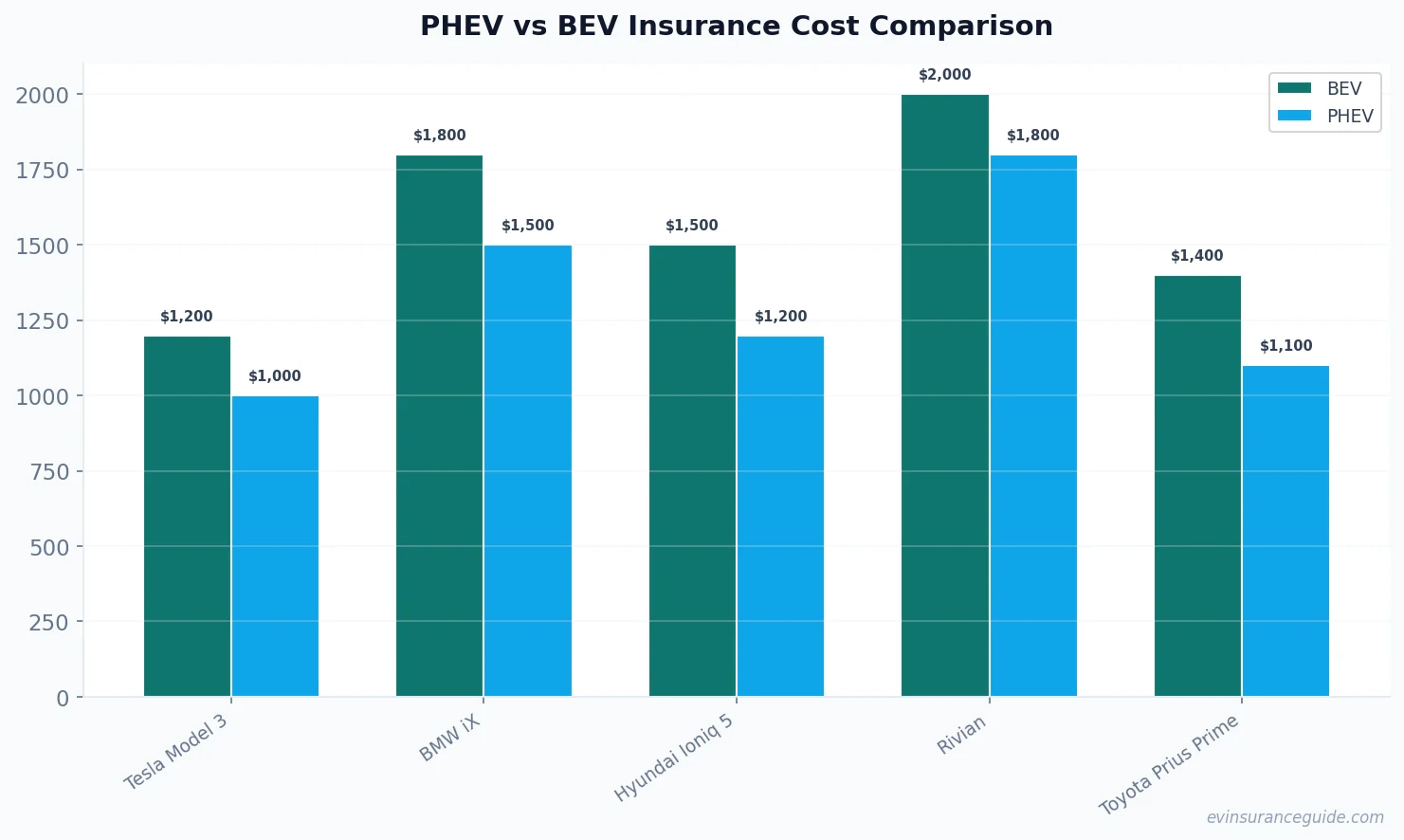
Take the Tesla Model 3, for example. It's a BEV, and its insurance costs are generally lower than those of a comparable gas-powered car. But what about the BMW iX, a luxury BEV? Its insurance costs are more in line with those of a high-end gas-powered car. Know what the kicker is? The BMW iX is actually more expensive to insure than the Tesla Model 3, despite being a BEV. That one stung. The reason? Luxury vehicles, regardless of their power source, are generally more expensive to insure. But hey, if you're gonna splurge on a BMW, you might as well go all out, right? The Hyundai Ioniq 5, on the other hand, is a more affordable BEV option, with insurance costs that are comparable to those of a gas-powered car.
And then there's the Rivian, a luxury BEV with a price tag to match. Its insurance costs are through the roof, largely due to its high purchase price and the cost of repairing its advanced technology. But if you're looking for a more affordable option, the Nissan Leaf is a great choice. Its insurance costs are relatively low, and it's a great introduction to the world of BEVs. Wild, right? The cost of insurance can vary so much between different models, even within the same category.
QUESTION — Will PHEV Insurance Costs Ever Catch Up to BEV?
Will PHEV insurance costs ever catch up to BEV? Probably not, at least not in the near future. The reason is simple: PHEVs are more complex, with both electric and gas-powered components. This complexity increases the cost of repairs, which in turn drives up insurance costs. Take the Toyota Prius Prime, for example. It's a PHEV with a relatively affordable purchase price, but its insurance costs are higher than those of a comparable BEV. The reason? The Prius Prime has a more complex powertrain, which increases the cost of repairs.
But hey, if you're looking for a PHEV with relatively low insurance costs, the Honda Clarity Plug-In Hybrid is a great option. Its insurance costs are comparable to those of a gas-powered car, and it's a great choice for those who want the benefits of a hybrid without the high cost of a BEV. And let's not forget the Chrysler Pacifica Hybrid - it's a great option for families, with a spacious interior and a relatively affordable purchase price. Its insurance costs are a bit higher than those of a gas-powered minivan, but it's still a great choice for those who want the benefits of a hybrid.
CASUAL_DIRECT — OK So Here's the Deal With Electric Car Insurance Cost
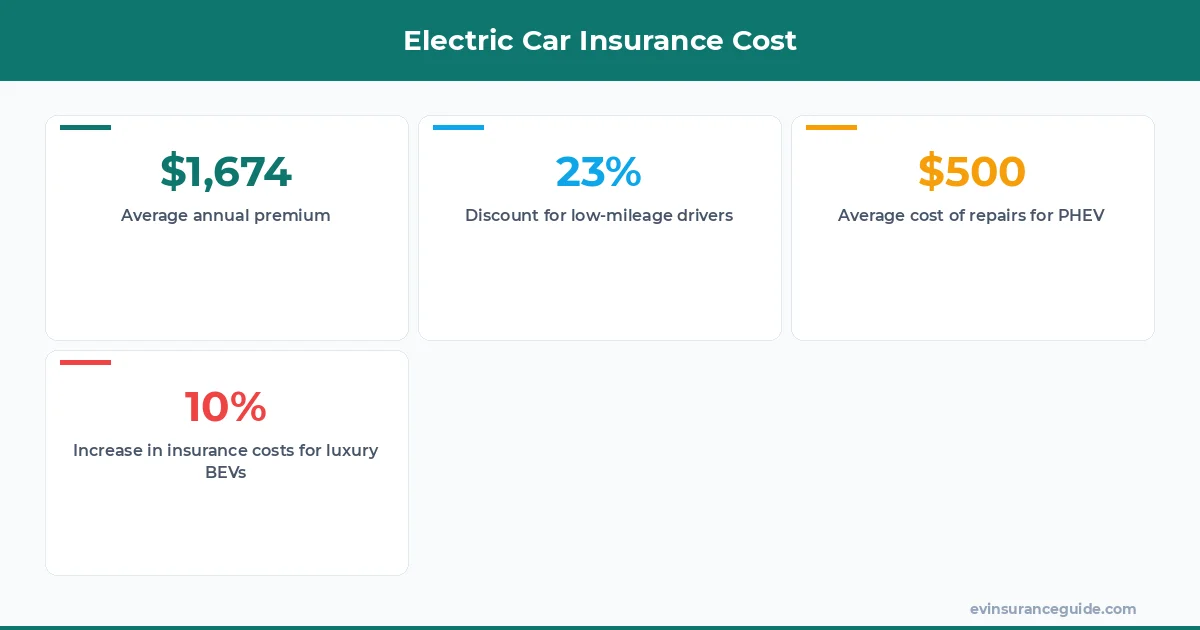
OK so here's the deal with electric car insurance cost - it's not just about the car itself, but also about how you drive it. If you're a low-mileage driver, you can save big on your insurance premiums. The reason is simple: the less you drive, the lower your risk of being involved in an accident. And if you're a safe driver, with a clean driving record, you can save even more. Some insurance companies, like Geico and State Farm, offer discounts for low-mileage drivers, as well as for those who drive safely.
But what about the cost of charging? Well, that's a great question. The cost of charging an electric car can vary depending on the type of charger you use, as well as the cost of electricity in your area. On average, it costs around $3 to $5 to charge an electric car, depending on the type of charger and the cost of electricity. And if you're wondering, the cost of charging a PHEV is generally the same as that of a BEV, since PHEVs can be charged in the same way as BEVs.
Pro tip: if you're looking to save on your electric car insurance cost, consider installing a home charger. Not only will it save you money on charging costs, but it will also increase the value of your home. And if you're looking for a great deal on a home charger, check out the offerings from companies like ChargePoint and Tesla.
5 Things to Consider When Choosing Between PHEV and BEV
When choosing between a PHEV and a BEV, there are several things to consider. First, think about your driving habits. If you're a low-mileage driver, a BEV might be the better choice. But if you're a high-mileage driver, a PHEV might be a better option, since it can run on gas when the electric battery is depleted. Second, consider the cost of charging. If you have access to free or low-cost charging, a BEV might be the better choice. But if you have to pay for charging, a PHEV might be a better option.
Third, think about the cost of insurance. As we discussed earlier, PHEVs are generally more expensive to insure than BEVs, due to their complexity and the cost of repairs. Fourth, consider the environmental impact. BEVs are generally better for the environment, since they produce zero emissions. But PHEVs can also be a good choice, since they produce lower emissions than gas-powered cars. And finally, think about the cost of maintenance. BEVs generally require less maintenance than PHEVs, since they have fewer moving parts.
WARNING — Don't Get Caught Off Guard by Hidden Insurance Costs
Don't get caught off guard by hidden insurance costs. Some insurance companies might charge you extra for certain features, such as roadside assistance or rental car coverage. And if you're not careful, you might end up paying more than you need to. For example, the average cost of electric car insurance is around $1,500 per year, but some companies might charge you up to $2,500 per year for the same coverage. That's a big difference, and it's something you should be aware of when shopping for insurance.
FAQs
#### What is the average electric car insurance cost?
The average electric car insurance cost is around $1,500 per year, although it can vary depending on the type of car, your driving habits, and the insurance company you choose.
#### How does PHEV insurance compare to BEV insurance?
PHEV insurance is generally more expensive than BEV insurance, due to the complexity of PHEVs and the cost of repairs.
#### What factors affect electric car insurance cost?
Several factors affect electric car insurance cost, including the type of car, your driving habits, the cost of charging, and the insurance company you choose.
#### Can I save on electric car insurance cost by driving safely?
Yes, you can save on electric car insurance cost by driving safely. Many insurance companies offer discounts for safe drivers, as well as for those who drive low mileage.
#### How much does it cost to charge an electric car?
The cost of charging an electric car can vary depending on the type of charger you use, as well as the cost of electricity in your area. On average, it costs around $3 to $5 to charge an electric car.
#### Are there any discounts available for electric car insurance?
Yes, there are several discounts available for electric car insurance, including discounts for low-mileage drivers, safe drivers, and those who drive environmentally friendly vehicles.
Well, actually... the decision between PHEV and BEV insurance isn't always clear-cut. But with a little research and planning, you can make an informed decision and save on your insurance premiums. And remember, the key to saving on electric car insurance cost is to shop around, compare rates, and choose the best option for your needs. Happy driving, and don't overpay! — Alex