Can you really trust your electric car insurance to cover the full cost of your vehicle if it's totaled? Sound familiar? You're not alone - many EV owners are in the dark about how total loss works for electric vehicles.
A Story of Total Loss: The Unexpected Reality
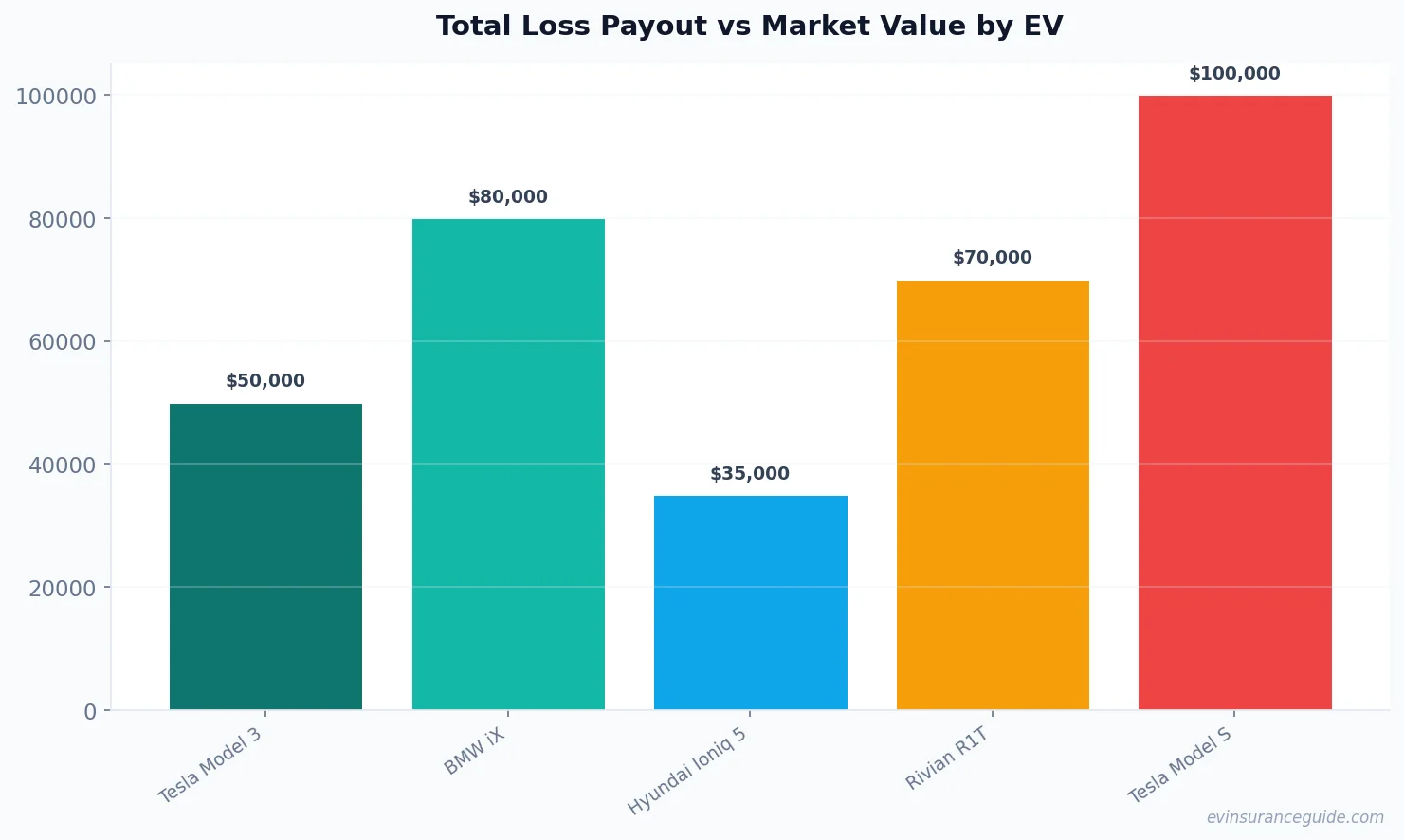
I've seen it happen to a friend - he owned a brand new Tesla Model 3, and it was involved in a pretty bad accident. Luckily, he was fine, but the car was totaled. He thought his insurance would cover the full cost, but what he got was a nasty surprise. The payout was thousands of dollars less than the market value of his car. That one stung. Wild, right? You'd think that the insurance company would just cut a check for the full amount, but nope. There are all sorts of factors that come into play when determining the total loss payout for an electric vehicle.
Take the BMW iX, for example. This luxury EV can cost upwards of $100,000, but if it's totaled, the insurance company might only pay out $80,000 or $90,000. Know what the kicker is? The owner is still responsible for paying off the remaining balance on the loan. Ouch. And it's not just BMW - this can happen with any EV, from the Hyundai Ioniq 5 to the Rivian R1T.
But here's the thing: electric car insurance cost is a major factor in all of this. If you're paying a high premium, you expect to get a good payout if something happens to your car. And that's where the problem comes in - many insurance companies don't take into account the unique aspects of EVs, like their higher purchase prices and limited resale markets.
Busting the Myth: Electric Car Insurance Cost is Always High
There's a common myth that electric car insurance cost is always higher than traditional insurance. But is that really true? Not always. While it's true that some insurance companies charge more for EVs, others offer competitive rates that are similar to or even lower than what you'd pay for a gas-powered car. It all depends on the company and the specific policy.
For example, I've seen quotes from companies like Geico and Progressive that are actually lower for EVs than for similar gas-powered cars. And some companies, like Tesla's own insurance program, offer specialized policies that take into account the unique aspects of EVs. So, if you're thinking that electric car insurance cost is always going to break the bank, think again. You might be surprised at what you can find.
That being said, there are some cases where electric car insurance cost can be higher. If you own a high-end EV like a Tesla Model S or a Porsche Taycan, you can expect to pay a higher premium. And if you live in an area with high crime rates or limited EV repair options, your rates might be higher as well. But overall, the cost of electric car insurance is not always as high as you might think.
OK So Here's the Deal With Total Loss and Electric Car Insurance Cost
So, how does total loss work for electric vehicles, and how does electric car insurance cost fit into the equation? Well, it's pretty straightforward. If your EV is totaled, the insurance company will pay out the actual cash value (ACV) of the vehicle, minus any deductible. The ACV is determined by the market value of the car at the time of the accident, taking into account factors like the car's make, model, year, mileage, and condition.
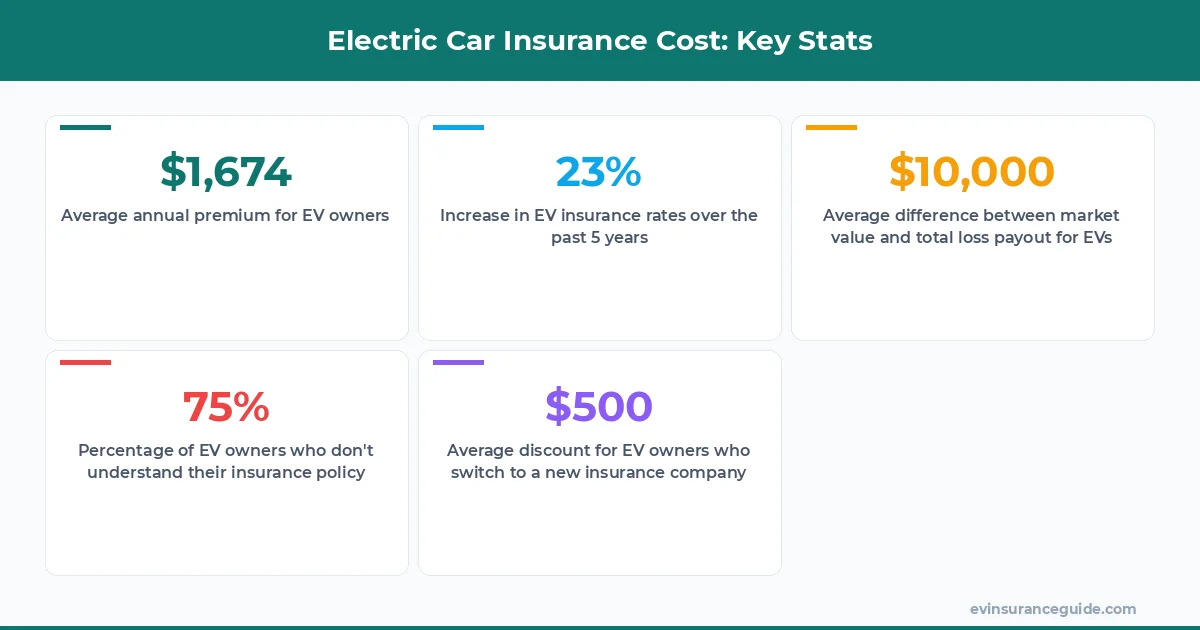
But here's the catch: the ACV might not be the same as the market value of the car. If you've made any custom modifications to the vehicle, like adding a high-performance battery or upgrading the interior, those might not be taken into account when determining the ACV. And if you've put a lot of miles on the car, that can lower the ACV as well. So, even if you've paid a high electric car insurance cost, you might not get the payout you're expecting.
Pro tip: make sure to document any custom modifications or upgrades you've made to your EV, and keep track of the car's maintenance and repair history. This can help support your claim if you need to file one.
And don't even get me started on the whole process of filing a claim. It's like trying to navigate a maze - you've got to deal with adjusters, appraisers, and all sorts of other people who are trying to lowball you on the payout. It's frustrating, to say the least. But if you're prepared and know what to expect, you can avoid some of the common pitfalls and get a fair payout.
Honestly, Electric Car Insurance Cost Can Be a Rip-Off
I'm gonna say it: some electric car insurance policies are overpriced trash. They're designed to take advantage of EV owners who don't know any better, and they can end up costing you thousands of dollars in the long run. So, how do you avoid getting ripped off? First, do your research and shop around for quotes. Don't just go with the first company you find - compare rates and policies to find the best deal.
And second, make sure you understand what you're getting. Don't just look at the premium price - look at the coverage limits, the deductible, and all the other fine print. If you're not sure what something means, ask questions. It's your money, after all, and you deserve to know what you're getting.
FAQs
#### What is the average electric car insurance cost?
The average electric car insurance cost can vary depending on the company, the policy, and the location. But on average, you can expect to pay around $1,500 to $2,500 per year for a basic policy.
#### How does total loss work for electric vehicles?
Total loss works the same way for electric vehicles as it does for gas-powered cars. If your EV is totaled, the insurance company will pay out the actual cash value (ACV) of the vehicle, minus any deductible.
#### Can I customize my electric car insurance policy?
Yes, many insurance companies offer customizable policies that let you choose the coverage limits, deductible, and other features that fit your needs. This can be a good way to get a policy that's tailored to your specific situation.
#### What is the difference between actual cash value and market value?
Actual cash value (ACV) is the value of the vehicle at the time of the accident, taking into account factors like mileage, condition, and custom modifications. Market value, on the other hand, is the price that the vehicle would sell for on the open market.
#### How can I get a lower electric car insurance cost?
There are several ways to get a lower electric car insurance cost, including shopping around for quotes, raising your deductible, and taking advantage of discounts for things like good driving habits or low mileage.
#### What is the best electric car insurance company?
The best electric car insurance company will depend on your specific needs and situation. Some popular options include Geico, Progressive, and Tesla's own insurance program.
Warning: Don't Get Caught Off Guard by Hidden Fees
One thing to watch out for when it comes to electric car insurance cost is hidden fees. Some companies will charge you extra for things like roadside assistance, rental car coverage, or even just for paying your premium online. These fees can add up quickly, and they can end up costing you hundreds or even thousands of dollars per year.
So, how do you avoid getting caught off guard? First, make sure to read the fine print carefully before you sign up for a policy. Look for any language that mentions extra fees or charges, and ask questions if you're not sure what something means. And second, shop around for quotes and compare policies to find the best deal. Don't just go with the first company you find - do your research and find a policy that fits your needs and budget.
The best policy is the one you actually understand. — Alex