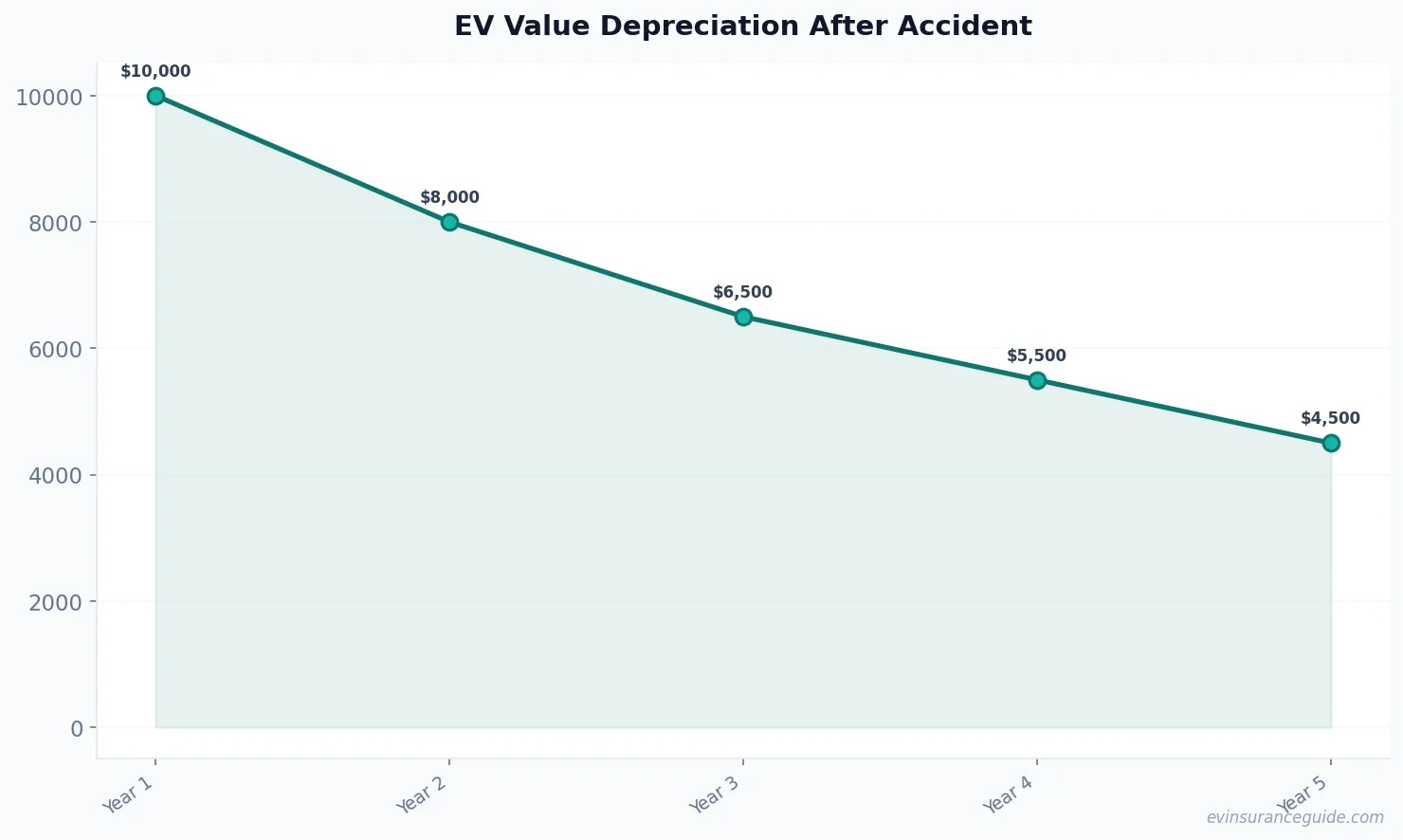
Are you aware that a single accident can slash the resale value of your brand-new Tesla Model 3 by up to $8,000? Sound familiar? You're not alone - many EV owners are in the dark about diminished value claims, and that's exactly what insurance companies are counting on.
A Cautionary Tale of EV Depreciation
I've seen it happen to a friend, let's call him Ryan - he got into a fender bender in his BMW iX, and even though the repairs were minor, the damage to the car's value was done. He tried to sell it a year later, but the offers were thousands lower than expected. Know what the kicker is? His insurance company, GEICO, didn't even mention diminished value claims when he filed his initial report. Wild, right?
That one stung - Ryan was out $6,500, and he didn't even know he could've filed a claim for it. Now, I'm not saying GEICO is the worst, but... actually, yeah, that's exactly what I'm saying. They're not the only ones, though - most insurance companies will try to lowball you or hide the fact that you can even file for diminished value.
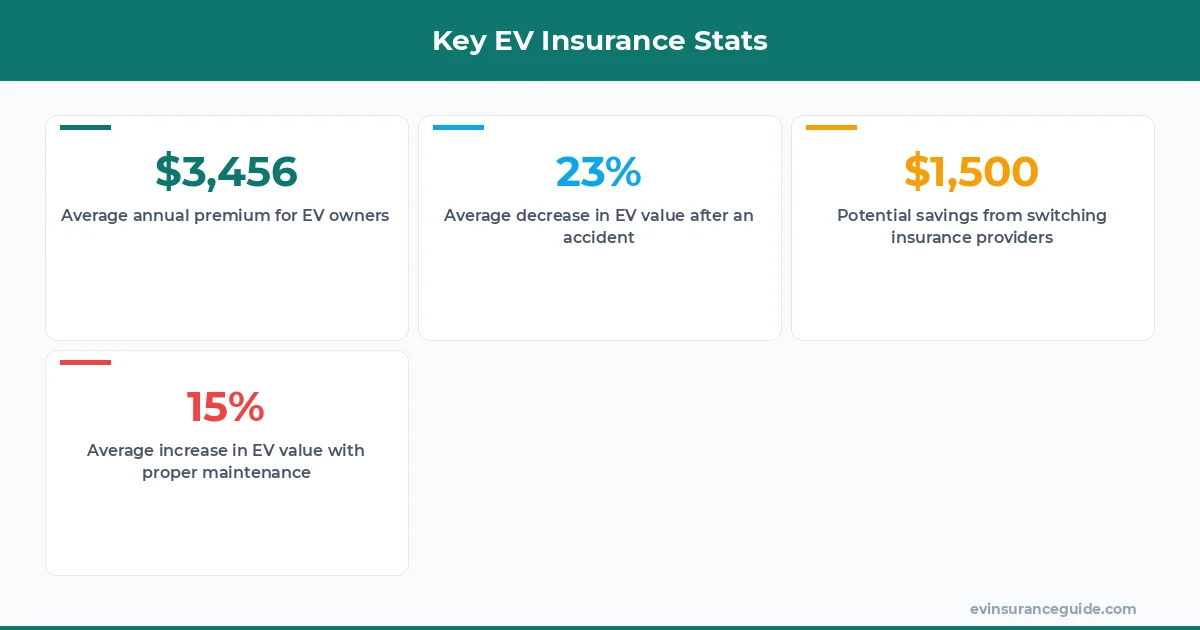
For instance, a study by the National Association of Insurance Commissioners found that the average EV owner loses around 23% of their car's value after an accident. That's a pretty significant chunk of change - especially when you consider that some EVs can cost upwards of $100,000.
Beware of the Fine Print - EV Depreciation and Insurance
So, how do you avoid getting taken advantage of? First, you need to understand what diminished value is - it's the difference between your car's value before and after an accident. Simple enough, right? But here's the thing: insurance companies will often try to convince you that your car's value didn't really take a hit, or that it's not worth filing a claim. Don't believe them - if you've been in an accident, you need to get an independent appraisal to determine your car's actual value.
And, nope, you can't just use Kelley Blue Book - that's not gonna cut it. You need a professional appraiser who's familiar with EVs, like the Hyundai Ioniq 5 or the Rivian R1T. They'll be able to give you a more accurate estimate of your car's value, and help you build a stronger case for your diminished value claim.
For example, let's say you own a Tesla Model Y, and you get into an accident that causes $10,000 in damage. If the appraiser determines that your car's value has decreased by 15% as a result of the accident, you could be eligible for a diminished value claim of up to $4,500.
My Two Cents on EV Depreciation and Insurance
Honestly, I think most insurance companies are a joke when it comes to handling diminished value claims. They're all about minimizing payouts and maximizing profits - it's like they think we're all just a bunch of clueless consumers who won't bother to fight back. Dead serious, though - if you don't push back, you'll get taken advantage of.
Pro tip: always, always, always get multiple quotes from different insurance companies, and make sure you're comparing apples to apples. Some companies, like USAA, might offer better rates or more comprehensive coverage for EVs, like the Tesla Model 3 or the BMW iX.
I've seen people save up to $1,500 per year just by switching to a different provider - and that's not even counting the potential savings from filing a diminished value claim. So, do your research, and don't be afraid to walk away if you're not getting a fair deal.
7 Key Factors That Affect EV Depreciation and Insurance
When it comes to determining your car's diminished value, there are several factors that come into play. Here are seven of the most important ones to consider:
- 1. The car's make and model - certain EVs, like the Tesla Model S, tend to hold their value better than others.
- 2. The extent of the damage - if the accident was minor, the diminished value might be lower.
- 3. The car's mileage - higher mileage can decrease the car's value, regardless of whether it's been in an accident.
- 4. The car's condition - if the car was already in poor condition before the accident, the diminished value might be higher.
- 5. The location - cars in certain areas, like cities with high crime rates, might be more prone to theft or vandalism, which can affect their value.
- 6. The insurance company - some companies, like State Farm, might be more willing to work with you to determine a fair diminished value.
- 7. The appraiser - a good appraiser can make all the difference in getting a fair estimate of your car's value.
Can You Really Get Compensated for EV Depreciation and Insurance?
So, can you actually get compensated for your EV's lost resale value after an accident? The answer is yes - but it's not always easy. You'll need to file a claim with your insurance company, and provide documentation to support your case. This can include things like repair estimates, appraisal reports, and photos of the damage.
Know what the best part is? You don't even need to have a fancy lawyer to do it - although, if you've got the budget for it, it couldn't hurt. The key is to be persistent, and to make sure you've got all your ducks in a row before you file your claim.
For instance, let's say you own a Rivian R1T, and you get into an accident that causes $15,000 in damage. If you can provide documentation to support a diminished value claim of $6,000, you might be able to negotiate a settlement with your insurance company.
FAQs
#### What is diminished value, and how does it affect EV depreciation and insurance?
Diminished value refers to the loss in value of a vehicle after it's been in an accident. This can be especially significant for EVs, which tend to hold their value well - but can still lose up to 20% of their value after a crash.
#### How do I file a diminished value claim for my EV?
To file a diminished value claim, you'll need to contact your insurance company and provide documentation to support your case. This can include things like repair estimates, appraisal reports, and photos of the damage.
#### Can I get compensated for my EV's lost resale value if I've already repaired the damage?
Yes, you can still file a diminished value claim even if you've already repaired the damage. However, you'll need to provide documentation to support your case, and the insurance company may try to lowball you.
#### How much can I expect to get from a diminished value claim for my EV?
The amount you can expect to get from a diminished value claim will depend on a variety of factors, including the extent of the damage, the car's make and model, and its condition before the accident. On average, EV owners can expect to get around $3,000 to $5,000 from a diminished value claim.
#### What are some tips for negotiating with my insurance company to get a fair settlement for my EV depreciation and insurance claim?
Some tips for negotiating with your insurance company include being persistent, providing thorough documentation, and knowing the market value of your vehicle. You can also consider hiring a lawyer or public adjuster to help you navigate the process.
#### Are there any specific insurance companies that are more willing to work with EV owners to determine a fair diminished value?
Some insurance companies, like USAA and State Farm, might be more willing to work with EV owners to determine a fair diminished value. However, it's always best to shop around and compare rates and coverage options from multiple providers.
#### How does the process of filing a diminished value claim differ for EVs compared to gas-powered vehicles?
The process of filing a diminished value claim is similar for EVs and gas-powered vehicles - however, EVs may require more specialized appraisers and documentation to support the claim.
That's all from me — go save some money. — Alex