Buying insurance for a performance EV is kinda like trying to get a loan for a sports car – lenders and insurers know you're gonna wanna push it to the limit, and that's gonna cost you. Sound familiar? Take the Tesla Model 3 Performance, for instance – it's a beast of a car with a 0-60 time of just 3.2 seconds, but that also means it's gonna be more expensive to insure. I mean, who wouldn't wanna test the limits of that car, right?
What Affects Your EV Insurance Premium?
Know what the kicker is? It's not just the car's performance that affects your premium – it's also things like the battery size, charging speed, and even the color of the car. Yep, you read that right – some insurers charge more for red cars because they're supposedly more likely to get tickets. That one stung, but hey, at least it's not as bad as the depreciation hit you'll take on a brand new EV. I've seen some crazy numbers – like, a $60,000 Tesla Model Y can lose up to $20,000 in value within the first year. Wild, right?
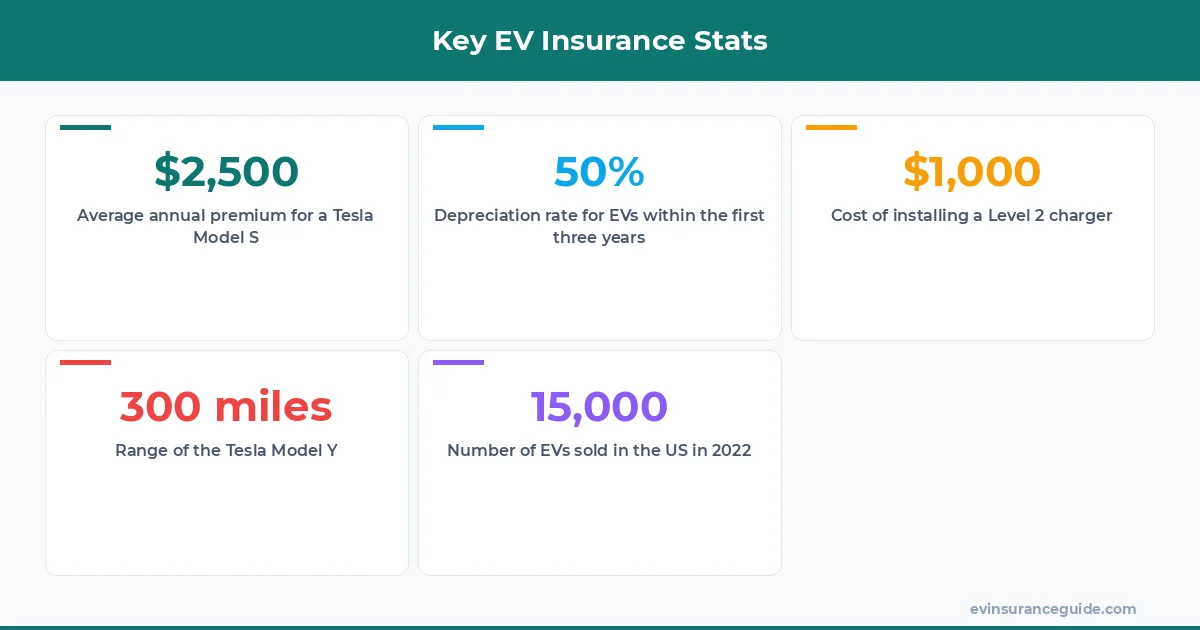
But back to performance EV insurance – let's take a look at some numbers. According to a study by the National Insurance Crime Bureau, the top 5 most stolen EVs in 2022 were all performance models, including the Tesla Model S and the Porsche Taycan. And if you think that's not a big deal, consider this: the average annual premium for a Tesla Model S is around $2,500, while a non-performance EV like the Hyundai Ioniq 5 might cost around $1,800 to insure. That's a difference of $700 per year – or about $58 per month.
And don't even get me started on the Rivian R1T – that thing's a rocket ship on wheels, with a 0-60 time of just 3 seconds. But with great power comes great cost, and the R1T's insurance premium reflects that. I've seen quotes as high as $3,500 per year for that truck – yikes. But hey, if you're gonna drive a car that can outaccelerate most sports cars, you gotta be willing to pay the price.
This EV Insurance Policy is Overpriced Trash
OK, so I'm gonna call out some insurers here – like, Liberty Mutual's EV insurance policy is just way too expensive. I mean, they're charging upwards of $2,000 per year for a Tesla Model 3, which is just ridiculous. And don't even get me started on their deductible – it's like, $1,000 or something. Nope. You can do better than that. I'd recommend checking out companies like GEICO or USAA – they offer way more competitive rates for EV owners.
But what really gets my goat is when insurers try to sneak in all these extra fees and charges. Like, I've seen policies that charge an extra $500 per year just for having a performance EV. That's just not cool, man. And it's not like you can just opt out of those fees, either – they're usually bundled into the overall premium. So, you gotta be careful when you're shopping for insurance, or you might end up getting taken for a ride.
So, what can you do to avoid getting ripped off? Well, for starters, you can shop around and compare rates from different insurers. And don't be afraid to negotiate – some companies will give you a better deal if you're willing to walk away. I've seen people save up to $500 per year just by switching to a different insurer. That's not chump change, folks.
5 Things That Affect Your EV Insurance Premium
Here are the top 5 things that'll affect your EV insurance premium:
- 1. The car's 0-60 time – the faster it is, the more you'll pay.
- 2. The car's horsepower – more horsepower means a higher premium.
- 3. The car's battery size – bigger batteries mean higher premiums.
- 4. The car's charging speed – faster charging means higher premiums.
- 5. The car's color – yes, really, some insurers charge more for red cars.
Know what's even crazier? Some insurers will give you a discount if you have a certain type of charger installed in your home. Like, I've seen discounts of up to $200 per year for having a Level 2 charger. That's not a bad deal, considering it can cost upwards of $1,000 to install one of those chargers.
But hey, at least some insurers are starting to get it right. Like, State Farm has a special EV insurance policy that takes into account the unique needs of electric vehicle owners. They'll give you a discount if you have a home charger, and they'll even cover the cost of replacing your battery if it wears out. That's the kind of thing that'll make me switch to State Farm – they're actually thinking about the needs of EV owners.
EVs Are Like Sports Cars – But With Better Insurance Options
Buying an EV is kinda like buying a sports car – it's a luxury item, and you're gonna pay a premium for it. But with EVs, at least you have the option to save money on insurance. Like, some companies will give you a discount if you drive a certain number of miles per year. I've seen discounts of up to $300 per year for driving less than 10,000 miles per year. That's not a bad deal, considering the average American drives around 15,000 miles per year.
And don't even get me started on the environmental benefits of EVs. I mean, they produce zero emissions, which is a big deal for the planet. But they're also way cheaper to run – like, I've seen estimates that say EVs can save you up to $1,000 per year on fuel costs. That's not chump change, folks. So, if you're thinking about buying an EV, don't let the insurance costs scare you off – just do your research and find a company that'll give you a good deal.
OK So Here's the Deal With EV Depreciation and Insurance
So, you wanna know the secret to saving money on EV insurance? It's all about understanding how ev depreciation and insurance work together. See, when you buy a new EV, it's gonna depreciate fast – like, up to 50% of its value within the first three years. That's a lot of money, folks. But if you can find an insurer that'll give you a good deal on your premium, you can mitigate some of that loss. I've seen companies that'll give you a discount if you have a good driving record, or if you're a member of certain organizations.
And hey, while we're on the topic of ev depreciation and insurance, let's talk about the Tesla Model Y. That thing's a depreciating machine – like, I've seen estimates that say it can lose up to $15,000 in value within the first year. That's a lot of money, folks. But at least it's still a great car – I mean, it's got a range of over 300 miles, and it's way faster than most gas-powered cars.
Pro tip: If you're buying a new EV, make sure to negotiate the price – some dealers will give you a better deal if you're willing to walk away. And don't forget to factor in the cost of insurance when you're calculating the total cost of ownership. It's not just about the purchase price, folks – it's about the long-term costs, too.
FAQs
#### What is the average annual premium for an EV?
The average annual premium for an EV can range from $1,500 to $3,500, depending on the make and model of the car, as well as your driving record and location.
#### How does 0-60 time affect EV insurance premiums?
The faster your car can go from 0-60, the more you'll pay for insurance. It's that simple. Insurers view high-performance EVs as a higher risk, and they'll charge you accordingly.
#### Can I get a discount on my EV insurance premium?
Yes, you can get a discount on your EV insurance premium if you have a good driving record, or if you're a member of certain organizations. Some insurers will also give you a discount if you have a home charger installed, or if you drive a certain number of miles per year.
#### What is the best EV insurance company?
That's a tough question – it really depends on your individual needs and circumstances. But some good options to consider are GEICO, USAA, and State Farm. They all offer competitive rates and good coverage options for EV owners.
#### How does ev depreciation and insurance affect the total cost of ownership?
Ev depreciation and insurance can add up to a significant portion of the total cost of ownership for an EV. Like, I've seen estimates that say the average EV owner can expect to pay around $10,000 per year in depreciation and insurance costs. That's not chump change, folks.
#### Can I negotiate my EV insurance premium?
Yes, you can negotiate your EV insurance premium – just like you would with any other type of insurance. It's all about shopping around and comparing rates from different insurers. And don't be afraid to walk away if you're not happy with the price – sometimes that's the best way to get a good deal.
#### How does the type of charger I have affect my EV insurance premium?
Some insurers will give you a discount if you have a certain type of charger installed in your home. Like, I've seen discounts of up to $200 per year for having a Level 2 charger. That's not a bad deal, considering it can cost upwards of $1,000 to install one of those chargers.
That's all from me — go save some money. — Alex