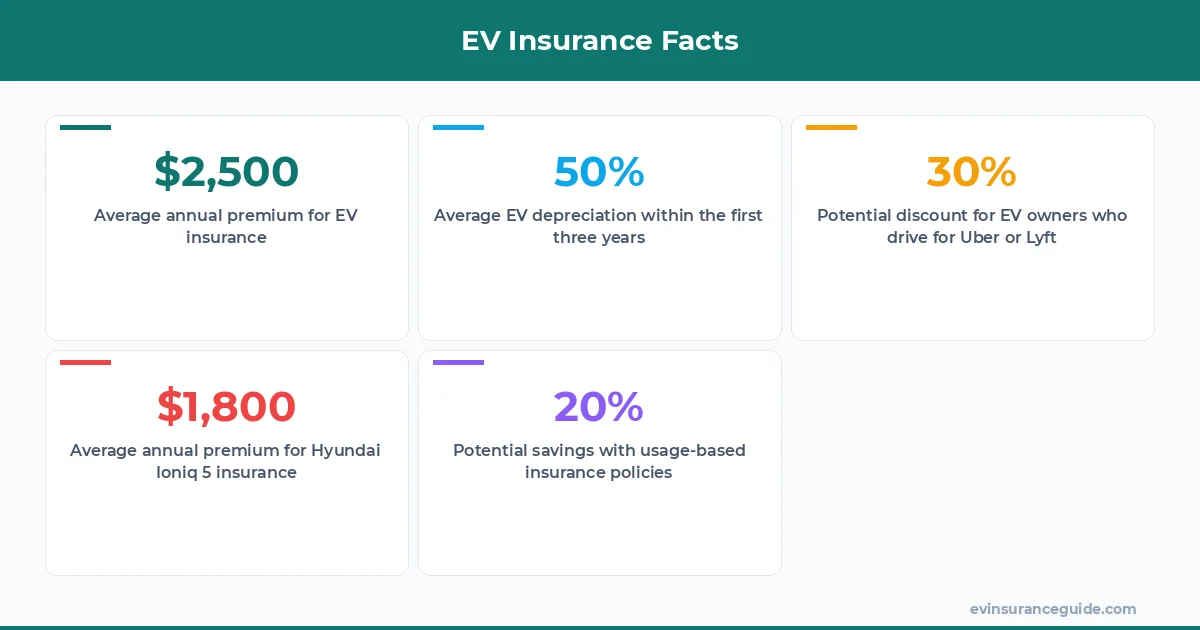
So, you think owning an EV for ridesharing is all sunshine and rainbows? Think again. EV depreciation can hit you hard, and it's not just about the initial purchase price. I've seen cases where a brand new Tesla Model 3 can lose up to 50% of its value within the first three years. That's a $20,000 hit, just like that. Know what the kicker is? Your insurance won't always cover that kind of loss. Sound familiar?
Comparing Apples to Oranges: EV Insurance for Rideshare Drivers
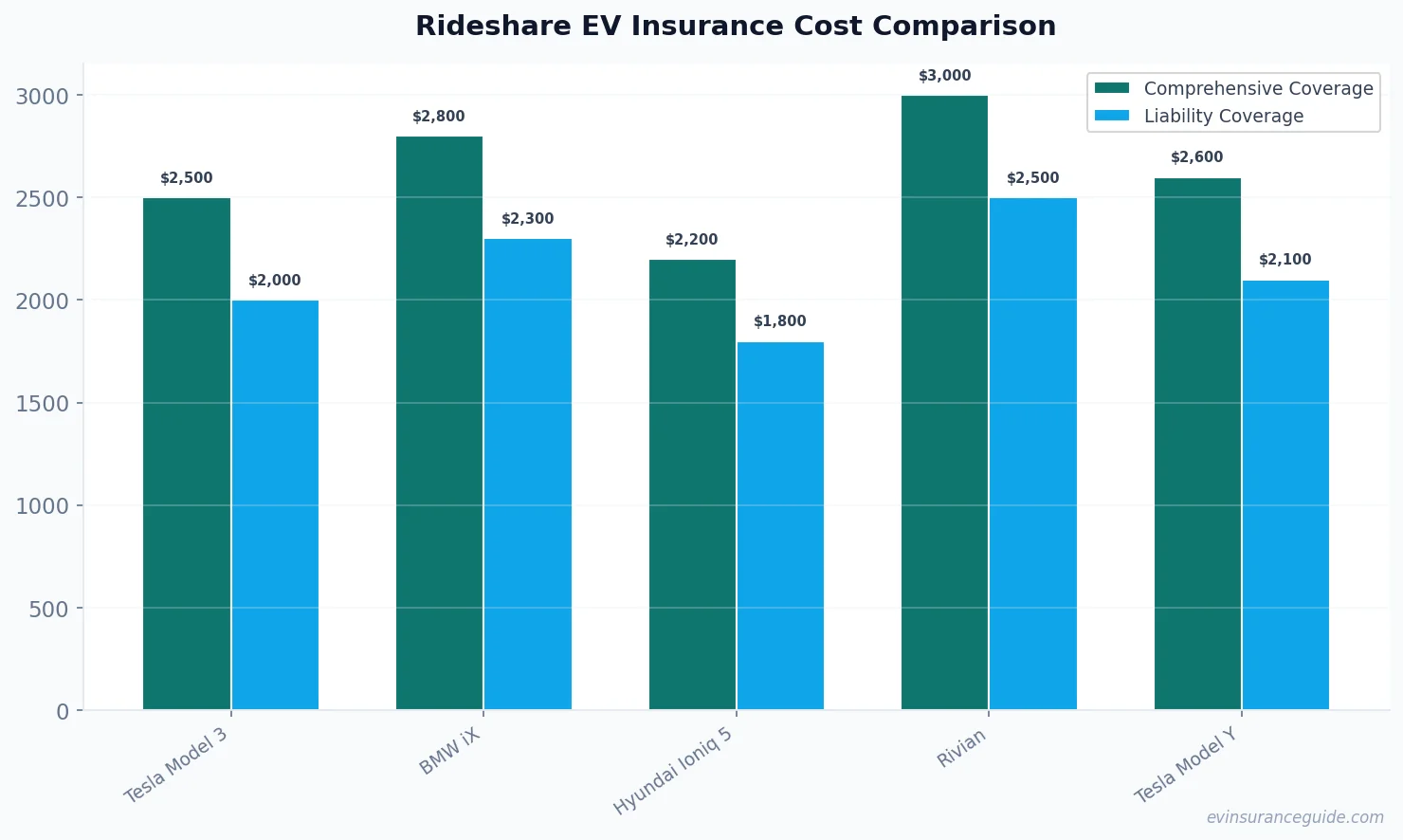
When it comes to EV insurance for rideshare drivers, the market is still evolving. You've got companies like Allstate and Geico offering specialized policies, but they can be pricey. For example, a typical annual premium for a Tesla Model Y used for Uber can range from $2,500 to $4,000. That's a lot of money, especially considering the average annual income for an Uber driver is around $40,000. And, let's be real, who wants to pay that kind of money for insurance? Wild, right? But, what if I told you there are ways to mitigate that cost? You can opt for a usage-based insurance policy, which can save you up to 20% on your premium.
Now, I know what you're thinking: "What about the other EV models?" Well, the Hyundai Ioniq 5 and BMW iX are also popular choices for rideshare drivers, but their insurance costs can vary significantly. The Ioniq 5, for instance, can cost around $1,800 to $3,000 per year to insure, while the BMW iX can range from $2,200 to $3,500. That's a big difference, if you ask me. And, let's not forget about the Rivian, which is still a relatively new player in the EV market. Its insurance costs can be steep, ranging from $2,500 to $4,500 per year.
But, here's the thing: EV depreciation and insurance are closely linked. As your EV loses value over time, your insurance premium should, in theory, decrease. However, that's not always the case. Some insurance companies will still charge you the same premium, even if your EV is no longer worth as much. That's why it's essential to shop around and find an insurance company that takes EV depreciation into account. And, don't even get me started on the importance of reading the fine print. You've got to understand what you're getting into, or you might end up with a policy that doesn't cover you adequately.
7 Key Factors to Consider When Choosing EV Insurance for Rideshare
So, you're in the market for EV insurance, but you're not sure what to look for. Well, let me tell you, it's not just about the price. You've got to consider several factors, including the type of EV you own, your driving history, and the level of coverage you need. For instance, if you're driving a Tesla Model 3 for Uber, you'll want to make sure you've got comprehensive coverage, which can cost around $1,000 to $1,500 per year. But, if you're driving a BMW iX, you might want to opt for a more premium policy, which can cost upwards of $2,000 per year.
Now, I know some of you might be thinking, "What about the environmental benefits of EVs?" Well, let me tell you, those are significant. EVs produce zero tailpipe emissions, which can help reduce air pollution in urban areas. And, with the rising cost of gas, EVs can be a more cost-effective option in the long run. But, when it comes to insurance, you've got to think about the bigger picture. You've got to consider the cost of replacement parts, the risk of accidents, and the potential for EV depreciation. And, let's not forget about the impact of EV depreciation on insurance costs. It's a complex issue, but one that's essential to understand if you want to make informed decisions about your EV insurance.
But, here's the thing: not all insurance companies are created equal. Some will offer you a better deal than others, depending on your specific needs and circumstances. For example, State Farm offers a usage-based insurance policy that can save you up to 30% on your premium. That's a significant discount, especially if you're driving for Uber or Lyft. And, with the rise of EVs, insurance companies are starting to take notice. They're offering specialized policies and discounts for EV owners, which can help mitigate the cost of insurance.
As a pro tip, always read the fine print and ask questions before signing up for an insurance policy. It's better to be safe than sorry, especially when it comes to something as important as EV insurance.
The Story of Sarah and Her Tesla Model Y
So, I've got a friend, Sarah, who owns a Tesla Model Y. She's been driving for Uber for a few years now, and she's had her fair share of close calls. But, when it comes to insurance, she's always been careful. She shops around, reads reviews, and makes sure she's getting the best deal possible. And, let me tell you, it's paid off. She's saved thousands of dollars on her insurance premium over the years, just by being diligent and doing her research.
Now, I know what you're thinking: "What about the risks?" Well, let me tell you, there are risks involved with driving an EV for rideshare. You've got to worry about accidents, theft, and vandalism. But, with the right insurance policy, you can mitigate those risks and protect yourself financially. And, let's not forget about the environmental benefits of EVs. They're a game-changer, and they're only going to become more popular in the coming years.
But, here's the thing: EV depreciation and insurance are closely linked. As your EV loses value over time, your insurance premium should, in theory, decrease. However, that's not always the case. Some insurance companies will still charge you the same premium, even if your EV is no longer worth as much. That's why it's essential to shop around and find an insurance company that takes EV depreciation into account. And, don't even get me started on the importance of reading the fine print. You've got to understand what you're getting into, or you might end up with a policy that doesn't cover you adequately.
What's the Best Insurance for Rideshare EV Drivers?
So, you're looking for the best insurance for your EV rideshare vehicle. Well, let me tell you, it's not an easy answer. It depends on a variety of factors, including your driving history, the type of EV you own, and the level of coverage you need. But, if I had to give you a straight answer, I'd say it's all about finding a policy that takes EV depreciation into account. You want an insurance company that's going to give you a fair deal, even if your EV loses value over time.
Now, I know some of you might be thinking, "What about the cost?" Well, let me tell you, the cost of EV insurance can vary significantly depending on the insurance company and the type of policy you choose. But, on average, you can expect to pay around $2,000 to $4,000 per year for a comprehensive policy. That's a lot of money, but it's worth it if you want to protect yourself financially.
But, here's the thing: you've got to do your research. You've got to shop around, read reviews, and make sure you're getting the best deal possible. And, don't be afraid to ask questions. You've got to understand what you're getting into, or you might end up with a policy that doesn't cover you adequately. And, let's not forget about the importance of EV depreciation and insurance. It's a complex issue, but one that's essential to understand if you want to make informed decisions about your EV insurance.
OK So Here's the Deal With EV Depreciation and Insurance
So, you're starting to get the picture. EV depreciation and insurance are closely linked, and it's essential to understand how they work together. You've got to consider the cost of replacement parts, the risk of accidents, and the potential for EV depreciation. And, let's not forget about the impact of EV depreciation on insurance costs. It's a complex issue, but one that's essential to understand if you want to make informed decisions about your EV insurance.
Now, I know some of you might be thinking, "What about the future of EV insurance?" Well, let me tell you, it's looking bright. With the rise of EVs, insurance companies are starting to take notice. They're offering specialized policies and discounts for EV owners, which can help mitigate the cost of insurance. And, with the advancement of technology, we're seeing more and more innovative solutions to the problem of EV depreciation and insurance.
But, here's the thing: you've got to stay ahead of the curve. You've got to stay informed, and you've got to be willing to adapt to changing circumstances. And, let's not forget about the importance of reading the fine print. You've got to understand what you're getting into, or you might end up with a policy that doesn't cover you adequately.
FAQs
#### What is EV depreciation and how does it affect insurance?
EV depreciation refers to the loss of value of an EV over time. It can affect insurance costs, as the value of the vehicle decreases. On average, an EV can lose up to 50% of its value within the first three years.
#### How much does EV insurance cost for rideshare drivers?
The cost of EV insurance for rideshare drivers can vary significantly depending on the insurance company and the type of policy you choose. On average, you can expect to pay around $2,000 to $4,000 per year for a comprehensive policy.
#### What are the benefits of EV insurance for rideshare drivers?
The benefits of EV insurance for rideshare drivers include protection against accidents, theft, and vandalism. It can also provide financial protection in the event of an accident or other damage to the vehicle.
#### Can I get a discount on my EV insurance if I drive for Uber or Lyft?
Yes, some insurance companies offer discounts for EV owners who drive for Uber or Lyft. These discounts can range from 10% to 30% off your premium, depending on the insurance company and the type of policy you choose.
#### How do I choose the best EV insurance policy for my needs?
To choose the best EV insurance policy for your needs, you should shop around and compare different policies. You should also consider factors such as the type of EV you own, your driving history, and the level of coverage you need.
#### What is the average annual premium for EV insurance?
The average annual premium for EV insurance can range from $1,500 to $3,500, depending on the type of EV and the level of coverage.
And, finally, the best policy is the one you actually understand. — Alex