I'm sipping coffee at a charging station, eavesdropping on a conversation between two EV owners. One of them mentions how their insurance premiums dropped by $500 after upgrading to a Tesla Model 3 with advanced safety features. Sound familiar? You're probably wondering if it's true - can EV safety features really lower your insurance costs? Dead serious, they can.
The owner, let's call him Dave, says his new Tesla has features like adaptive cruise control, lane departure warning, and automatic emergency braking. He claims these features have not only improved his driving experience but also reduced his insurance premium. Know what the kicker is? His insurance company, Geico, offers discounts for vehicles equipped with such safety features. That one stung - I'd been paying more for my insurance without even knowing about these discounts.
Comparing Apples and Oranges - EV Safety Features vs. Traditional Vehicles
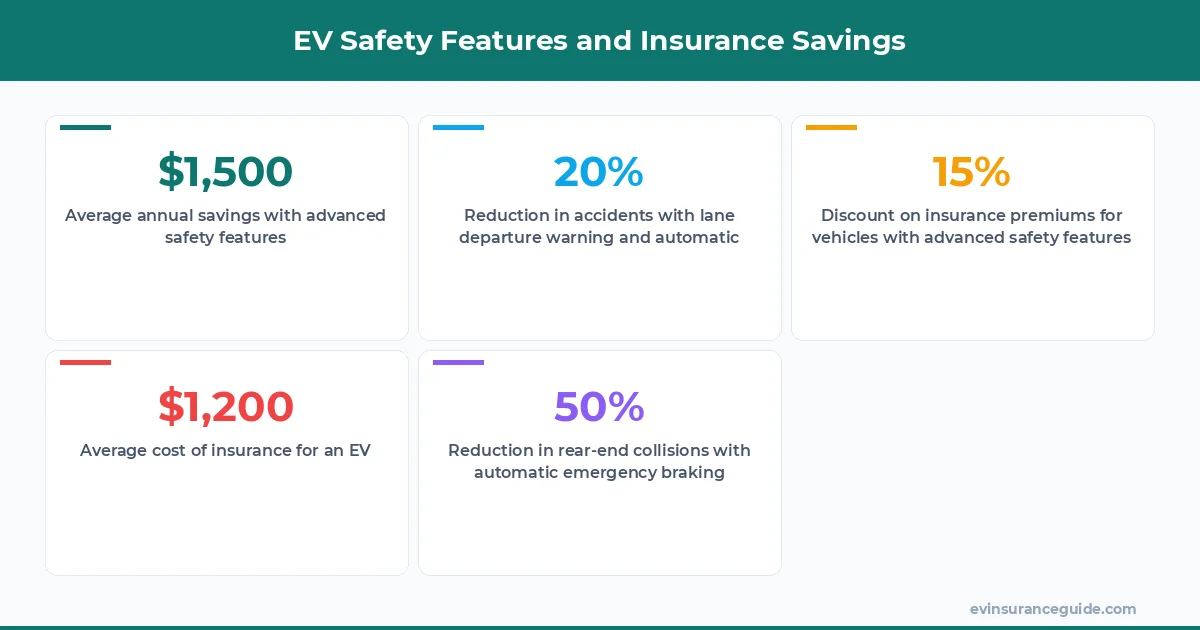
Traditional vehicles often lack the advanced safety features found in EVs. For instance, the BMW iX has a 5-star safety rating, thanks to its comprehensive suite of safety features, including blind spot detection and lane centering. In contrast, many traditional vehicles may only offer basic safety features like airbags and anti-lock brakes. Wild, right? The difference in safety features can have a significant impact on insurance costs. A study by the National Highway Traffic Safety Administration found that vehicles with advanced safety features like lane departure warning and automatic emergency braking can reduce the risk of accidents by up to 20%. This reduction in risk can lead to lower insurance premiums - a win-win for EV owners.
EV depreciation and insurance are closely linked - the more safety features your vehicle has, the lower its depreciation rate and insurance costs. For example, the Hyundai Ioniq 5 has a lower depreciation rate compared to other EVs in its class, thanks to its advanced safety features. This lower depreciation rate can result in lower insurance premiums, as the vehicle's value is more stable. But, what about the cost of these safety features? Can they really save you money in the long run? Let's break it down.
The cost of EV safety features can vary widely, depending on the manufacturer and model. For instance, the Rivian R1T's advanced safety features, including a 360-degree camera system and adaptive cruise control, can add up to $5,000 to the vehicle's price tag. However, these features can also lead to significant savings on insurance premiums - up to $1,500 per year, according to some estimates. That's a significant return on investment, especially considering the long-term cost savings.
7 Safety Features That Can Lower Your EV Insurance Premiums
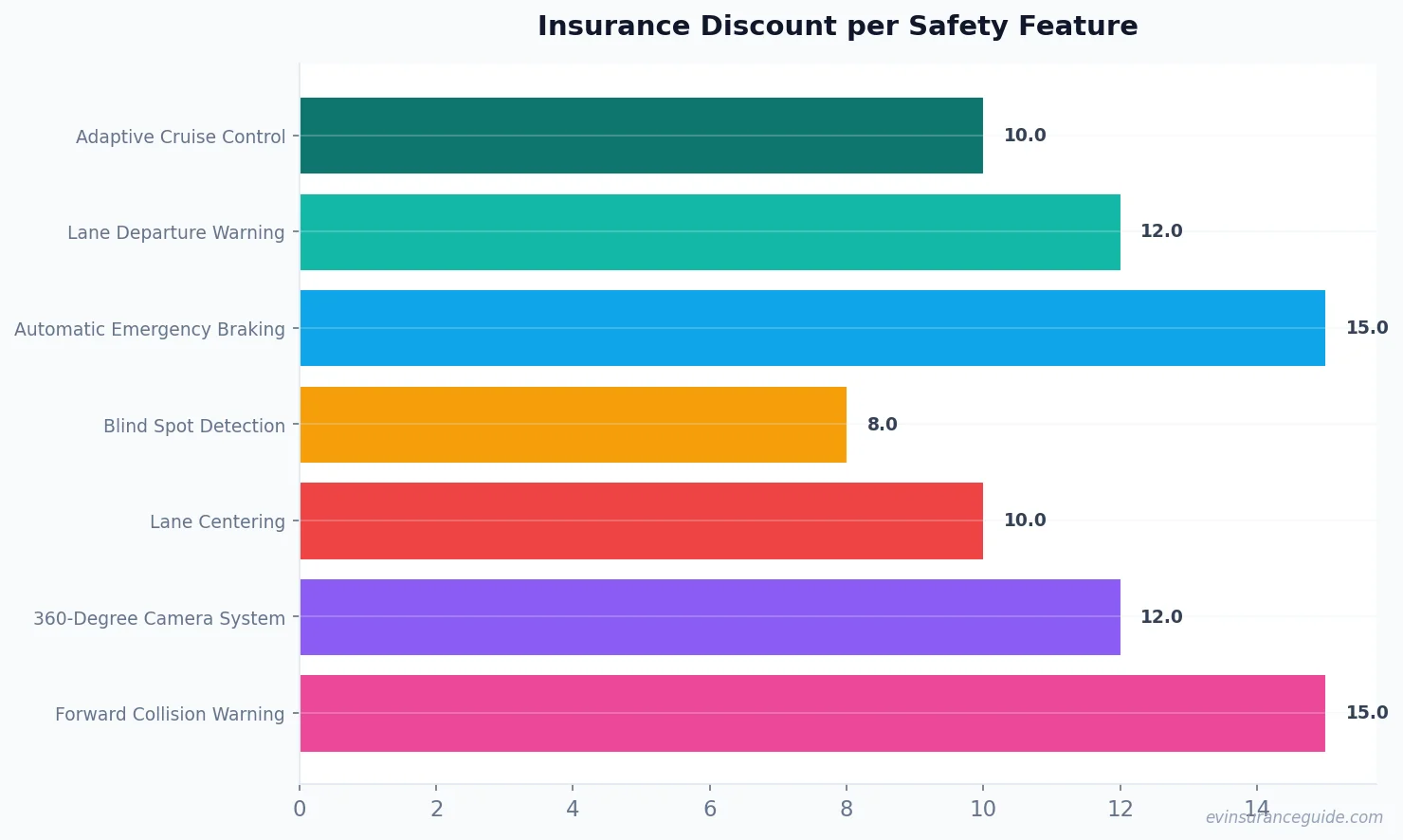
So, what exactly are these safety features that can lower your EV insurance premiums? Here are 7 examples: adaptive cruise control, lane departure warning, automatic emergency braking, blind spot detection, lane centering, 360-degree camera system, and forward collision warning. These features are designed to reduce the risk of accidents and, in turn, lower insurance premiums. But, how much can you really save? Let's look at some numbers. A study by the Insurance Institute for Highway Safety found that vehicles with automatic emergency braking can reduce the risk of rear-end collisions by up to 50%. This reduction in risk can lead to significant savings on insurance premiums - up to $300 per year.
EV depreciation and insurance are closely linked - the more safety features your vehicle has, the lower its depreciation rate and insurance costs. For example, the Tesla Model Y has a lower depreciation rate compared to other EVs in its class, thanks to its advanced safety features. This lower depreciation rate can result in lower insurance premiums, as the vehicle's value is more stable. But, what about the cost of insurance for EVs compared to traditional vehicles? Is it really more expensive? Nope. In fact, many insurance companies offer discounts for EVs with advanced safety features. For instance, State Farm offers a discount of up to 10% for vehicles with advanced safety features like lane departure warning and automatic emergency braking.
A Story of How EV Safety Features Saved One Owner Thousands
I met an EV owner, let's call her Sarah, who had a close call on the highway. Her Tesla Model 3's automatic emergency braking system kicked in, preventing a rear-end collision. The incident left her shaken but grateful for the advanced safety features of her vehicle. She later found out that her insurance company, Allstate, offers a discount for vehicles with such safety features. Sarah's premium dropped by $800 per year, thanks to the advanced safety features of her Tesla. That's a significant savings, especially considering the long-term cost benefits.
OK So Here's the Deal With EV Depreciation and Insurance
EV depreciation and insurance are closely linked - the more safety features your vehicle has, the lower its depreciation rate and insurance costs. For example, the Audi e-tron has a lower depreciation rate compared to other EVs in its class, thanks to its advanced safety features. This lower depreciation rate can result in lower insurance premiums, as the vehicle's value is more stable. But, what about the cost of insurance for EVs compared to traditional vehicles? Is it really more expensive? Actually, it's not. In fact, many insurance companies offer discounts for EVs with advanced safety features. For instance, Progressive offers a discount of up to 15% for vehicles with advanced safety features like lane departure warning and automatic emergency braking.
Pro tip: When shopping for EV insurance, be sure to ask about discounts for advanced safety features. Some insurance companies may not advertise these discounts, so it's essential to ask.
Busting the Myth That EVs Are More Expensive to Insure
There's a common myth that EVs are more expensive to insure than traditional vehicles. However, this myth is largely unfounded. In fact, many insurance companies offer discounts for EVs with advanced safety features. For instance, Liberty Mutual offers a discount of up to 12% for vehicles with advanced safety features like lane departure warning and automatic emergency braking. EV depreciation and insurance are closely linked - the more safety features your vehicle has, the lower its depreciation rate and insurance costs. For example, the Nissan Leaf has a lower depreciation rate compared to other EVs in its class, thanks to its advanced safety features. This lower depreciation rate can result in lower insurance premiums, as the vehicle's value is more stable.
FAQs
#### What are the most common EV safety features that can lower insurance premiums?
The most common EV safety features that can lower insurance premiums include adaptive cruise control, lane departure warning, automatic emergency braking, blind spot detection, lane centering, 360-degree camera system, and forward collision warning. These features are designed to reduce the risk of accidents and, in turn, lower insurance premiums.
#### How much can I save on insurance premiums with EV safety features?
The amount you can save on insurance premiums with EV safety features varies widely, depending on the insurance company and the specific features of your vehicle. However, some estimates suggest that you can save up to $1,500 per year with advanced safety features like lane departure warning and automatic emergency braking.
#### Do all insurance companies offer discounts for EV safety features?
No, not all insurance companies offer discounts for EV safety features. However, many major insurance companies, including Geico, State Farm, and Allstate, offer discounts for vehicles with advanced safety features. It's essential to shop around and compare rates from different insurance companies to find the best deal.
#### What is the average cost of insurance for an EV?
The average cost of insurance for an EV varies widely, depending on the make and model of the vehicle, as well as the location and driving history of the owner. However, some estimates suggest that the average cost of insurance for an EV is around $1,200 per year.
#### Can I get a discount on my insurance premium if I have a Tesla?
Yes, many insurance companies offer discounts for Tesla owners, thanks to the advanced safety features of Tesla vehicles. For instance, Tesla's Autopilot system can reduce the risk of accidents, leading to lower insurance premiums. Some estimates suggest that Tesla owners can save up to $500 per year on their insurance premiums.
#### How do I know if my EV has the safety features that can lower my insurance premiums?
You can check your vehicle's specifications to see if it has advanced safety features like lane departure warning and automatic emergency braking. You can also contact your insurance company to ask about discounts for these features.
Well, actually, there's more to it than just checking the specifications. You should also consider the cost of insurance for your EV compared to traditional vehicles. EV depreciation and insurance are closely linked - the more safety features your vehicle has, the lower its depreciation rate and insurance costs. For example, the Porsche Taycan has a lower depreciation rate compared to other EVs in its class, thanks to its advanced safety features. This lower depreciation rate can result in lower insurance premiums, as the vehicle's value is more stable.
And, let's be real, the cost of insurance is just one factor to consider when buying an EV. You should also think about the overall cost of ownership, including fuel costs, maintenance, and repairs. But, if you're looking to save money on insurance premiums, EV safety features are definitely worth considering.
Until next time — Alex