My friend, Rachel, was paying $2,500 a year to insure her Tesla Model S... until she switched to a new policy and cut her premiums in half. Sound familiar? She was stuck with a generic policy that didn't account for her EV's unique depreciation curve - that's where the big savings are. Now, she's driving off into the sunset with an extra $1,250 in her pocket each year. Wild, right?
OK, so let's get into the nitty-gritty. Insuring a Tesla Model S can be pricey, but it doesn't have to break the bank. You gotta shop around, compare quotes, and understand what you're getting into. I mean, have you seen the prices of a new Tesla Model S? It's a pretty penny - around $79,990 for the base model. And that's just the starting point.
OK So Here's the Deal With Tesla Model S Insurance
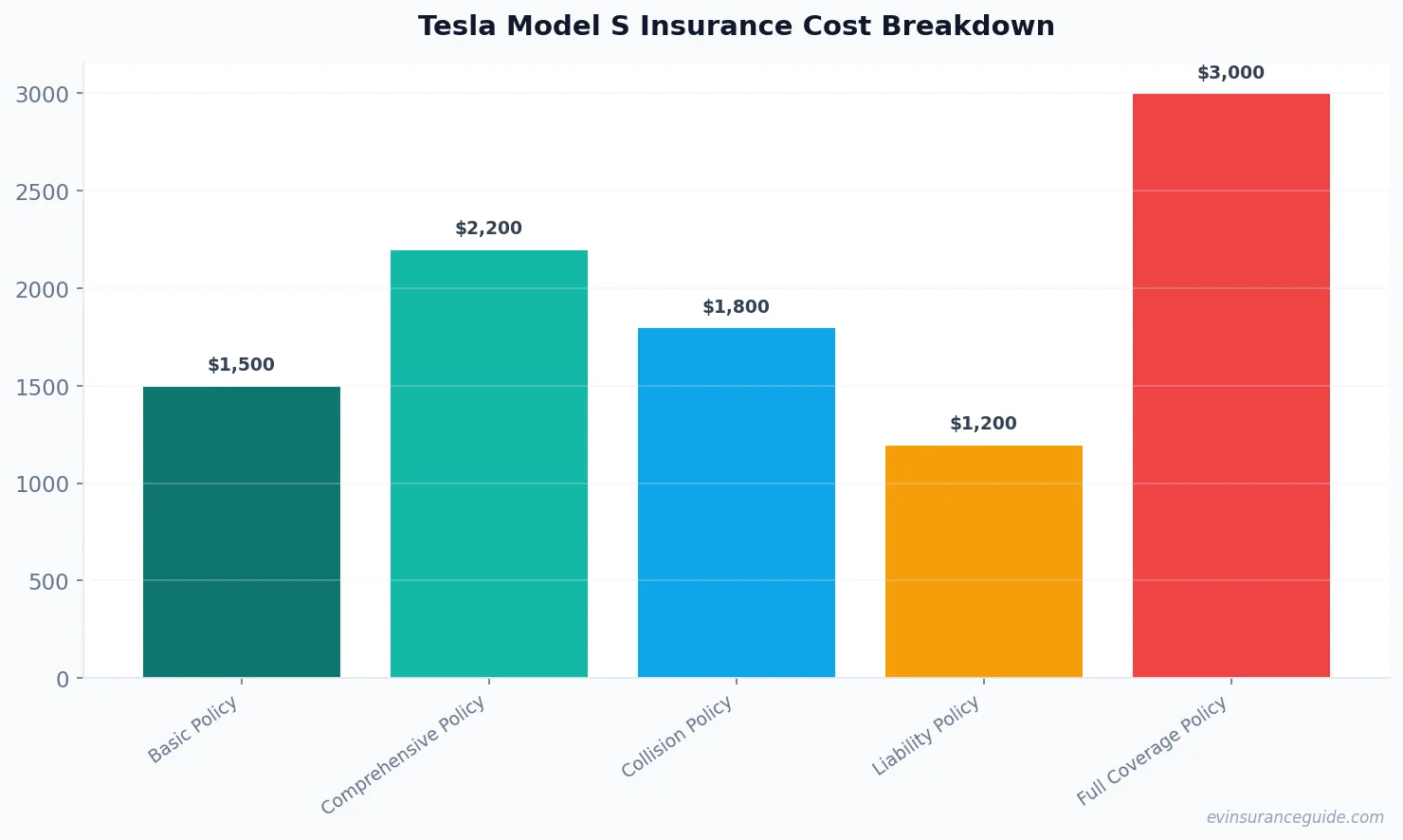
The cost of insuring a Tesla Model S varies wildly depending on your location, driving history, and coverage options. For example, a 35-year-old driver in California with a clean record might pay around $1,800 a year for a basic policy, while a 25-year-old driver in New York with a few tickets might pay over $3,500. Know what the kicker is? EV depreciation and insurance are closely tied - if you don't choose the right policy, you could end up overpaying by thousands.
I've seen policies from big-name insurers like Geico, Progressive, and State Farm, and let me tell you, some of them are total rip-offs. You gotta read the fine print, understand the deductibles, and make sure you're not getting screwed on the premiums. For instance, a policy from Liberty Mutual might offer a lower premium, but with a higher deductible - around $1,000. Is that worth it? Maybe, maybe not. It depends on your situation.
Consider this: if you're driving a Tesla Model 3 or Model Y, your insurance costs might be lower due to the vehicle's lower purchase price. But if you're driving a high-end EV like the BMW iX or Rivian, you're gonna pay more - potentially over $4,000 a year. That's a pretty big difference, right?
5 Key Factors That Impact Your Tesla Model S Insurance Premiums
So, what are the key factors that impact your premiums? Well, it's not just your driving history and location. It's also the type of coverage you choose, the deductible, and any add-ons or riders. For example, if you opt for comprehensive coverage, you'll pay more - around $200 to $500 extra per year. But if you're driving in an area prone to natural disasters or theft, it might be worth it.
And don't even get me started on the importance of shopping around. You can save hundreds, even thousands, by comparing quotes from different insurers. I mean, have you seen the prices of insurance for a Hyundai Ioniq 5? It's a great car, but the insurance costs can be steep - around $2,200 a year. But if you shop around, you might find a better deal.
Here's a pro tip:
When shopping for insurance, make sure to ask about any EV-specific discounts or incentives. Some insurers offer lower premiums for eco-friendly vehicles or drivers who use public charging stations.
Busting the Myth: EV Depreciation and Insurance Are Not Mutually Exclusive
One common myth about EVs is that their depreciation is directly tied to their insurance costs. Not true. While it's true that EVs can depreciate faster than gas-powered vehicles, that doesn't mean your insurance premiums will skyrocket. In fact, some insurers offer specialized EV policies that take into account the unique depreciation curve of electric vehicles.
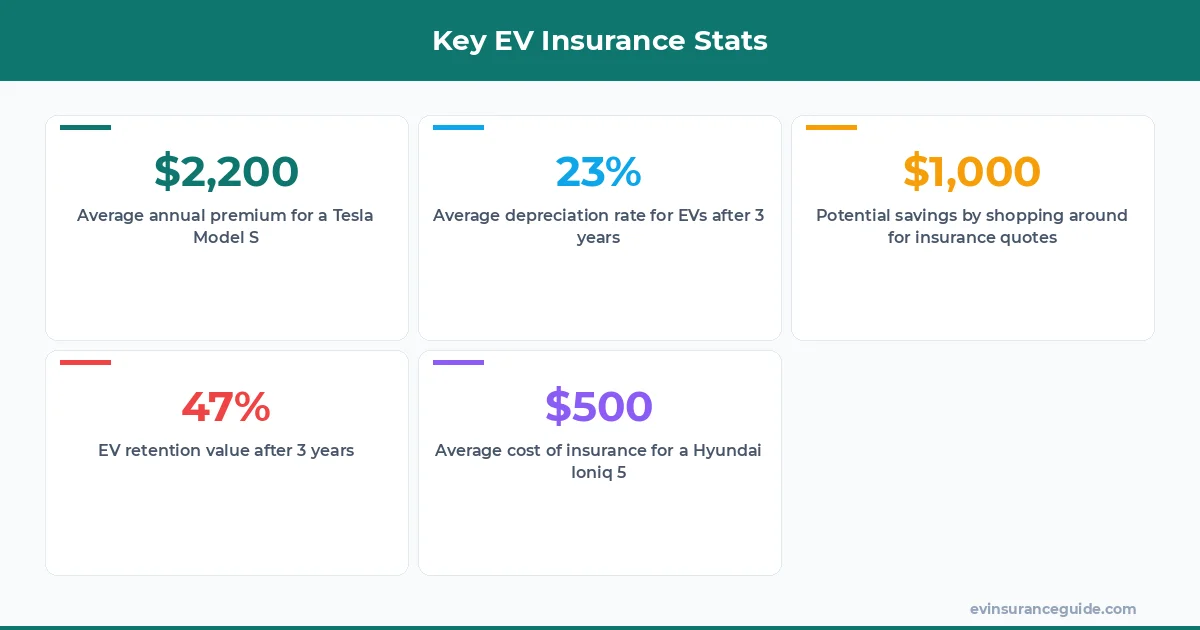
For example, a study by the National Automobile Dealers Association found that EVs retain around 47% of their value after three years, compared to 35% for gas-powered vehicles. That's a significant difference, right? And it's not just the purchase price - it's also the cost of maintenance and repairs. EVs tend to have lower maintenance costs, which can impact your insurance premiums.
The Story of How I Saved $1,000 on My Tesla Model S Insurance
I've got a friend, let's call him Mike, who was paying through the nose for his Tesla Model S insurance. He was stuck with a policy that didn't account for his EV's unique features, like its advanced safety features and low maintenance costs. So, I helped him shop around, compare quotes, and find a better deal. We ended up saving him around $1,000 a year - that's a pretty big chunk of change.
And it's not just Mike - I've seen plenty of other EV owners who are overpaying for their insurance. It's a shame, because it's easy to save money if you know what you're doing. For example, some insurers offer discounts for drivers who use telematics devices or drive fewer than 10,000 miles a year.
Warning: Don't Fall for These Common EV Insurance Traps
So, what are the common traps to watch out for when insuring your Tesla Model S? Well, first and foremost, don't fall for the temptation to skimp on coverage. You might think you're saving money, but if you're not adequately insured, you could end up paying more in the long run. For example, if you opt for a policy with a high deductible, you might pay less in premiums, but you'll pay more out of pocket if you get into an accident.
And don't even get me started on the importance of reading the fine print. Some insurers might try to sneak in hidden fees or exclusions that can leave you high and dry. For instance, some policies might not cover certain types of damage, like hail or flooding. So, make sure you understand what you're getting into before you sign on the dotted line.
Frequently Asked Questions
#### What is the average cost of insuring a Tesla Model S?
The average cost of insuring a Tesla Model S is around $2,200 a year, although this can vary widely depending on your location, driving history, and coverage options.
#### How does EV depreciation impact my insurance premiums?
EV depreciation can impact your insurance premiums, but it's not a direct correlation. Some insurers offer specialized EV policies that take into account the unique depreciation curve of electric vehicles.
#### What are some common discounts or incentives for EV owners?
Some common discounts or incentives for EV owners include lower premiums for eco-friendly vehicles, discounts for drivers who use public charging stations, and rewards for drivers who opt for telematics devices.
#### Can I save money by shopping around for insurance quotes?
Yes, you can save hundreds, even thousands, by comparing quotes from different insurers. It's always a good idea to shop around and see what's out there.
#### What are some common traps to watch out for when insuring my Tesla Model S?
Some common traps to watch out for include skimping on coverage, not reading the fine print, and falling for hidden fees or exclusions.
#### How can I lower my insurance premiums as an EV owner?
You can lower your insurance premiums by shopping around, comparing quotes, and opting for coverage options that take into account your EV's unique features, like its advanced safety features and low maintenance costs.
That's all from me — go save some money. — Alex