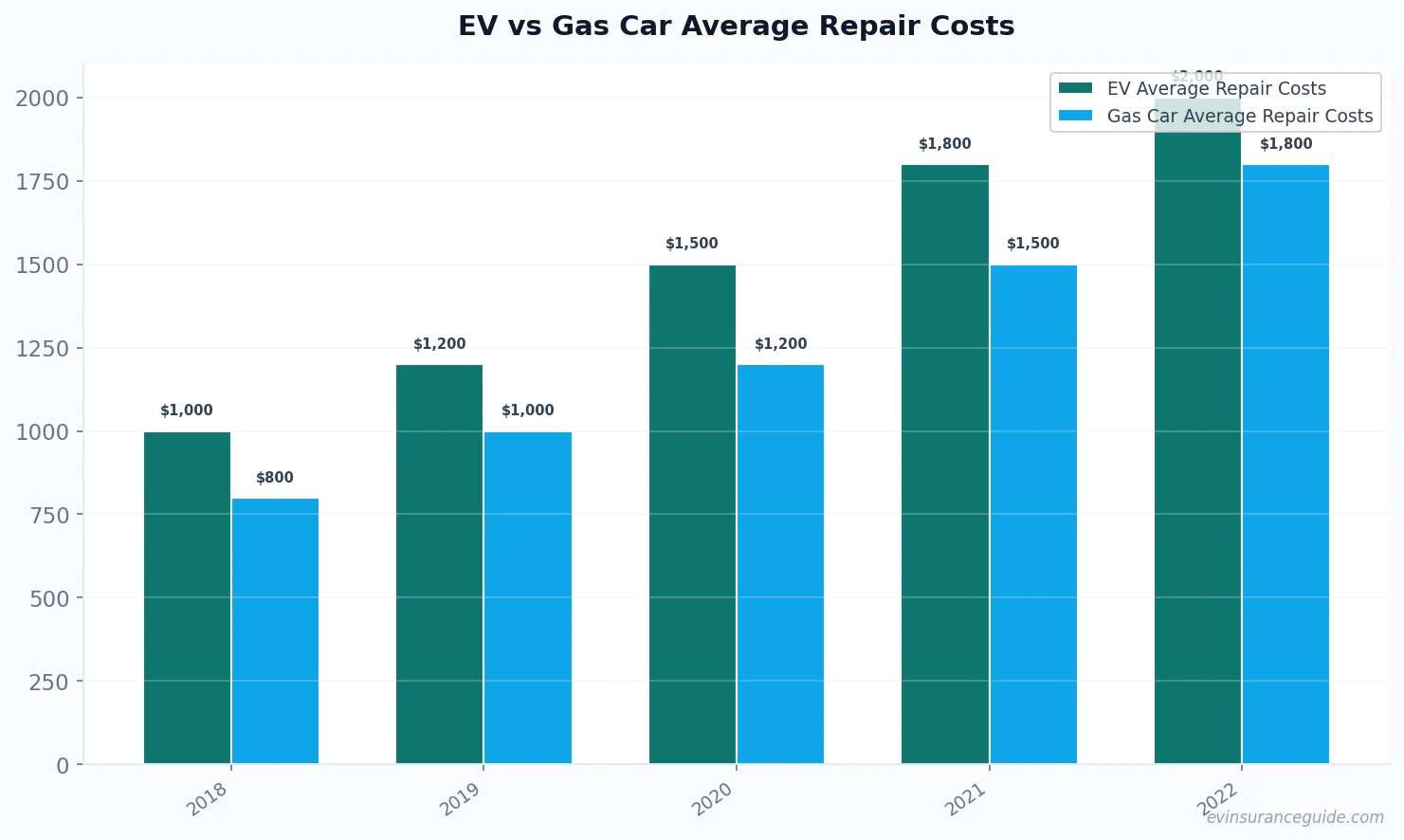
Last Tuesday, a guy named Marcus emailed me asking why his Ioniq 5 quote jumped 40%. I told him it's not just the car's price tag that's the issue, but also the repair costs. Know what the kicker is? Repairing an EV can cost upwards of $1,500 more than a gas-powered car. Sound familiar?
OK So Here's the Deal With EV Repairs
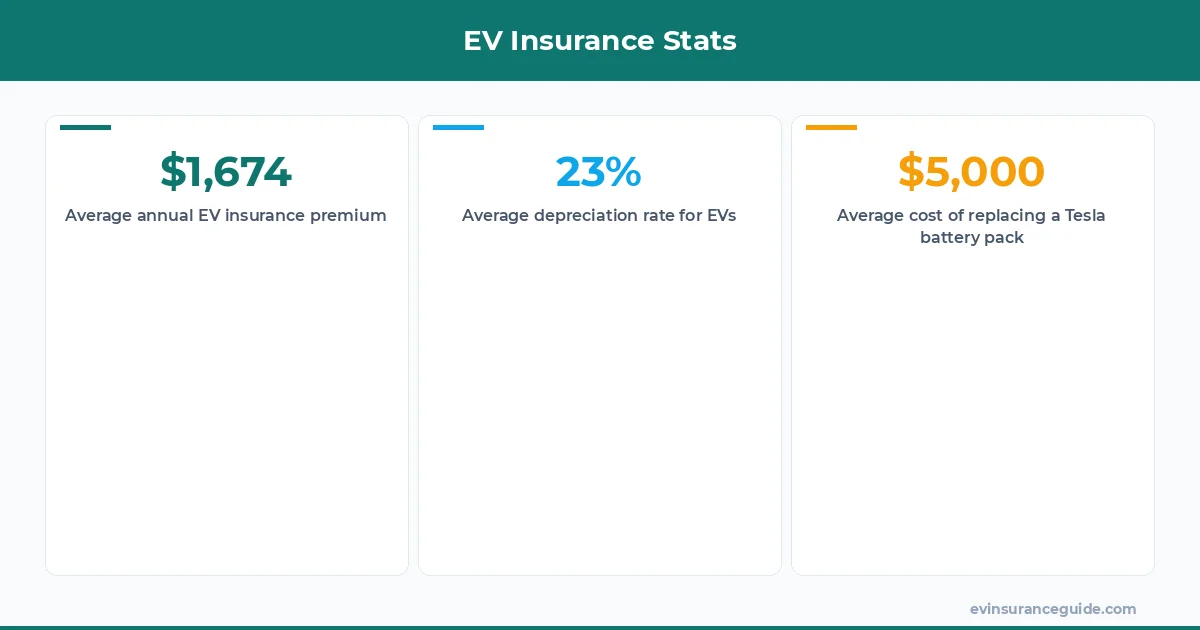
EVs have complex systems, like batteries and electric motors, that are pricey to fix. For instance, replacing a Tesla Model 3's battery pack can cost around $5,000 to $7,000. And that's not even including labor costs. This is where insurance companies come in - they've got to account for these costs when determining your premium. Wild, right? I mean, who wouldn't want to factor in the potential for a $7,000 repair bill?
That one stung, I'm sure. But hey, at least you're driving an eco-friendly ride, right?
I've seen quotes from companies like Geico and Progressive that are basically unaffordable for the average EV owner. This policy is overpriced trash, if you ask me.
A Story of EV Depreciation and Insurance
I've got a friend, let's call her Rachel, who bought a brand new BMW iX last year. She was thrilled, until she got into a fender bender and found out her insurance company wouldn't cover the full cost of repairs. Turns out, the iX's advanced tech and limited production run made it a nightmare to fix. The repair shop quoted her $2,500 for a new bumper, which is insane. Know what's even crazier? Her insurance company only covered $1,500 of that. So, she was left with a $1,000 bill. That's when she realized the importance of understanding EV depreciation and insurance.
So, what can you do to avoid Rachel's situation? Well, actually, it's not that hard. You just need to do your research and choose an insurance company that's EV-friendly. For example, companies like Allstate and USAA offer specialized EV insurance policies that take into account the unique needs of electric vehicles.
I'd recommend shopping around and comparing quotes from different companies to find the best deal. And don't be afraid to negotiate - it's gonna be worth it in the long run.
Honestly, EV Insurance Can Be a Rip-Off
I'm gonna say it: most insurance companies are still figuring out how to price EV policies. And, honestly, some of them are just making it up as they go along. I've seen quotes that are based on gas car data, which is just ridiculous. EVs have different risk profiles, different repair costs... it's not rocket science, folks.
But, I guess that's why we've got companies like Rivian, which is actually working with insurance companies to create customized policies for their owners. Now, that's what I call innovation.
And, let's be real, the main reason EV insurance is so expensive is because of the potential for high repair costs. I mean, have you seen the price of a new Tesla battery pack? It's around $10,000. That's a lot of money, if you ask me.
But, hey, at least you're driving a car that's good for the environment, right?
What's the Real Cost of EV Depreciation and Insurance?
So, what's the real cost of EV depreciation and insurance? Well, that's a great question. It's not just the purchase price of the car, or the insurance premium... it's the total cost of ownership. And, let me tell you, that can add up quickly.
For example, if you buy a Hyundai Ioniq 5 for $40,000, and your insurance premium is $1,500 per year... that's already $1,500 you're paying just to own the car. And, if you factor in depreciation, which can be around 20% per year for EVs... that's another $8,000 you're losing in value.
So, the total cost of ownership for that Ioniq 5 would be around $50,000 over the course of five years. That's a lot of money, if you ask me.
But, hey, at least you're driving an eco-friendly car, right?
Pro tip: when shopping for EV insurance, make sure to ask about depreciation coverage. Some companies offer policies that take into account the unique depreciation curves of EVs.
Busting the Myth That EV Insurance Is Always More Expensive
I've heard people say that EV insurance is always more expensive than gas car insurance. But, that's just not true. I mean, sure, some EVs can be more expensive to insure... but it's not a hard and fast rule.
For example, the Tesla Model 3 is actually one of the cheapest EVs to insure, with an average annual premium of around $1,200. That's comparable to many gas-powered cars.
And, let's not forget about the long-term savings of owning an EV. I mean, with lower fuel costs and lower maintenance costs... you can actually save money over time.
So, don't believe the myth that EV insurance is always more expensive. Do your research, shop around, and find a policy that works for you.
FAQs
#### What is EV depreciation and insurance?
EV depreciation and insurance refer to the loss of value of an electric vehicle over time, and the insurance policies that cover that loss.
#### How does EV depreciation affect insurance premiums?
EV depreciation can affect insurance premiums because it increases the cost of repairs and replacement parts. Insurance companies factor this into their premium calculations.
#### What is the average cost of EV insurance?
The average cost of EV insurance varies depending on the make and model of the car, as well as the driver's location and history. However, on average, EV insurance can cost around $1,500 per year.
#### Can I get a discount on my EV insurance?
Yes, many insurance companies offer discounts for EV owners, such as low-mileage discounts or eco-friendly discounts.
#### What is the best EV insurance company?
The best EV insurance company is subjective and depends on individual needs and circumstances. However, some popular options include Allstate, USAA, and Geico.
#### How can I reduce my EV insurance costs?
You can reduce your EV insurance costs by shopping around, comparing quotes, and taking advantage of discounts. You can also consider bundling your EV insurance with other policies, such as home or life insurance.
Yeah I know, another insurance article. But hear me out. The key to saving money on your EV insurance is to understand the factors that affect your premium, such as EV depreciation and insurance. By doing your research and shopping around, you can find a policy that works for you and saves you money in the long run.
And, let's be real, the EV market is only gonna keep growing. So, it's gonna be interesting to see how insurance companies adapt.
I'm gonna keep an eye on it, that's for sure.
Drive safe out there. — Alex