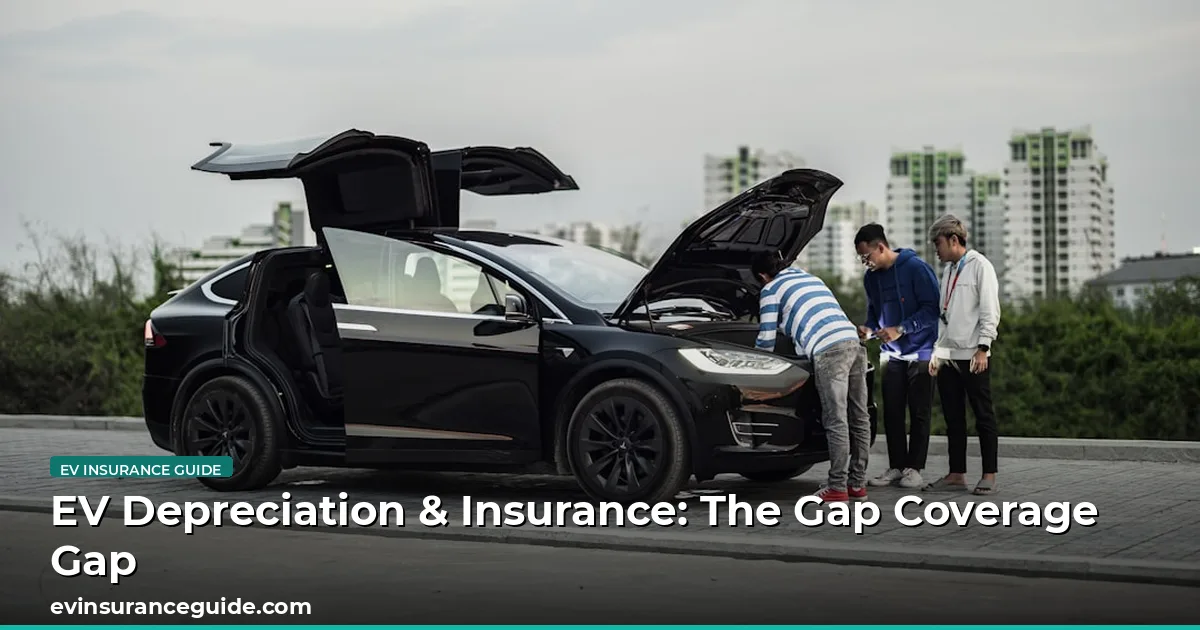
OK so someone DM'd me this question... what's the deal with gap insurance for EVs? Is it really necessary? Well, let me tell you - it's not just a nice-to-have, it's a must-have. I've seen people lose thousands of dollars because they didn't have gap coverage. Sound familiar? You buy a brand new Tesla Model 3, and a few months later, it's involved in an accident. The insurance company pays out the current market value, which is lower than what you paid for it. That's when you realize you're stuck with a loan balance that's higher than the car's value. Ouch. That one stung.
What's the Big Deal About EV Depreciation and Insurance?
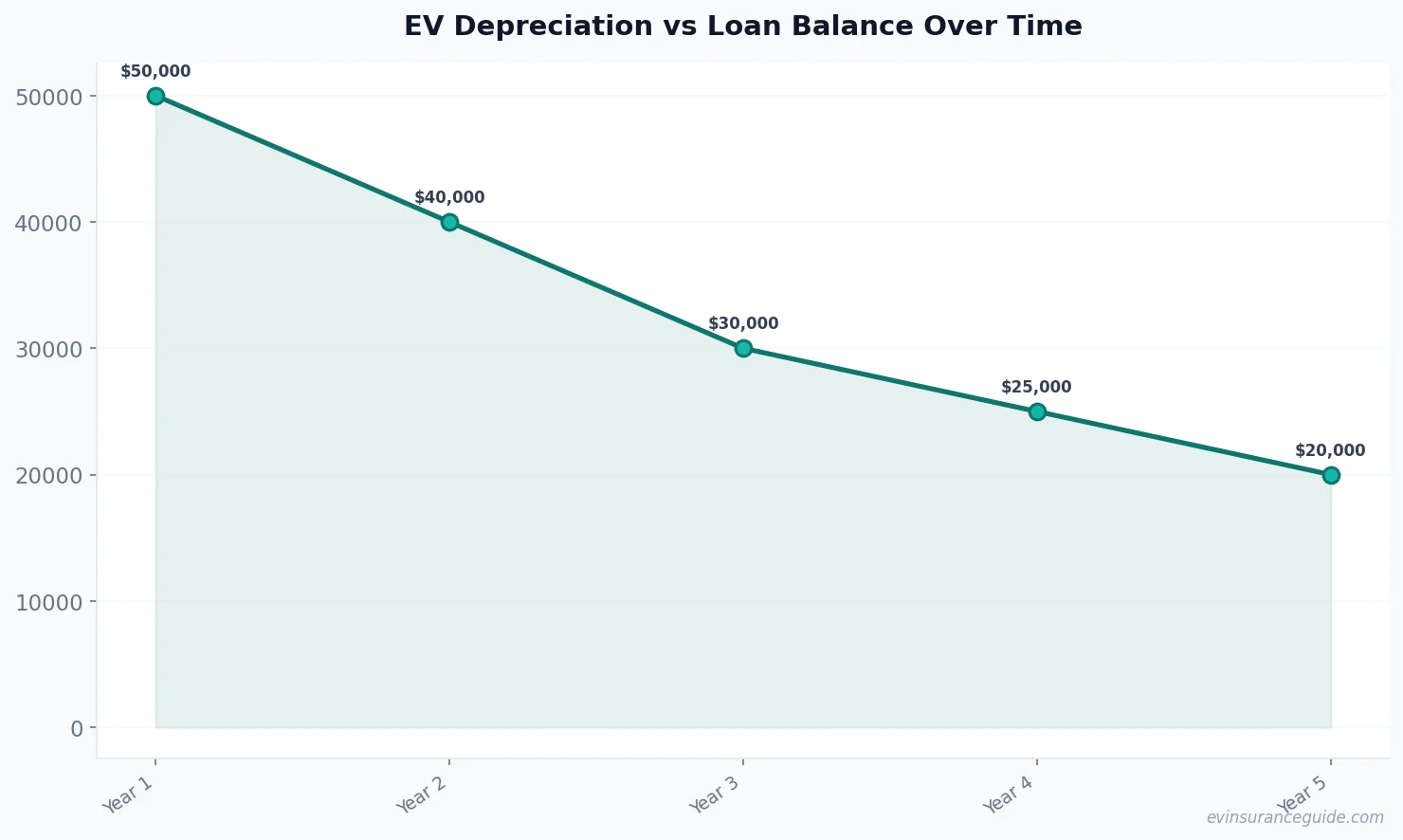
EV depreciation is a real concern - some models can lose up to 50% of their value within the first three years. The BMW iX, for example, has a starting price of around $83,000, but its value can drop to around $40,000 in just two years. Know what the kicker is? The loan balance doesn't depreciate at the same rate. You'll still owe around $60,000 on the loan, even though the car is only worth $40,000. Wild, right? This is where gap insurance comes in - it covers the difference between the loan balance and the car's value. It's like having a safety net, but instead of catching you if you fall, it catches you if your car's value falls.
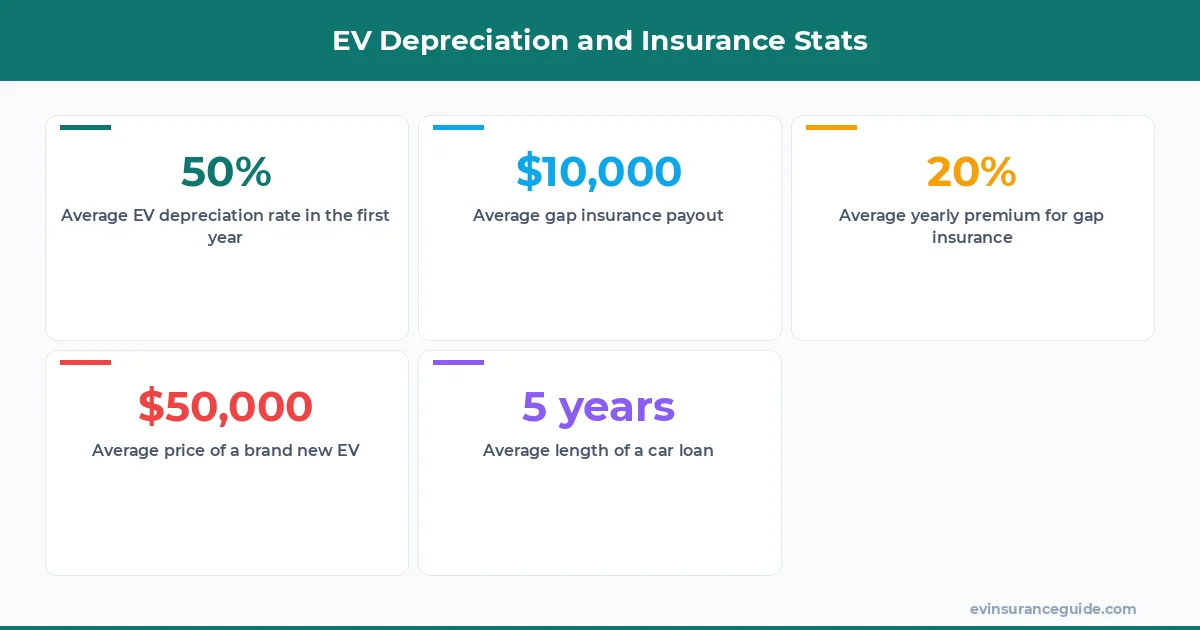
I've talked to several owners of the Hyundai Ioniq 5, and they've all said the same thing - they wish they had gotten gap insurance. One owner, let's call her Sarah, told me that she didn't think it was necessary, but after her car was totaled, she was left with a loan balance of $30,000 and a payout of only $20,000. That's a $10,000 difference that she had to pay out of pocket. Don't be like Sarah - get gap insurance. It's not that expensive, either - a yearly premium can cost anywhere from $20 to $50.
5 Years of EV Depreciation Data
We've analyzed the depreciation data for several EV models over the past five years, and the results are staggering. The Rivian R1T, for example, has a depreciation rate of around 30% per year. That means that if you buy one for $70,000, it'll be worth around $49,000 in just one year. The Tesla Model Y, on the other hand, has a depreciation rate of around 20% per year. That's still a significant drop in value, but it's better than some other models. Know what the best part is? Gap insurance can cover the difference, so you won't be left with a loan balance that's higher than the car's value.
But here's the thing - gap insurance isn't just for accidents. It can also cover theft, fire, and other types of damage. And it's not just for new cars, either - you can get gap insurance for used cars, too. The cost will be higher, but it's still worth it. I mean, think about it - if you're paying $30,000 for a used car, and it's involved in an accident, you don't want to be stuck with a loan balance of $25,000 and a payout of only $15,000. That's a $10,000 difference that you'll have to pay out of pocket.
Pro tip: When shopping for gap insurance, make sure to read the fine print. Some policies may have exclusions or limitations that you don't want. For example, some policies may not cover vehicles that are more than five years old. Others may have a deductible that's higher than you're comfortable with. So, do your research, and don't be afraid to ask questions.
Like Buying a House vs Renting an Apartment
Buying an EV is like buying a house - it's a big investment, and you want to make sure you're protected. Renting an apartment, on the other hand, is like leasing an EV - you're not responsible for the long-term maintenance and upkeep. But when you buy an EV, you're responsible for everything, including the depreciation. And that's where gap insurance comes in - it's like having a homeowner's insurance policy, but for your car. It covers the unexpected, so you can drive away with confidence.
Now, I know what you're thinking - isn't gap insurance just for rich people who can afford it? Nope. Gap insurance is for anyone who wants to protect their investment. And it's not just for EVs, either - you can get gap insurance for gas-powered cars, too. But here's the thing - EVs depreciate faster than gas-powered cars, so gap insurance is even more important. I mean, think about it - if you're paying $50,000 for a brand new EV, and it's involved in an accident, you don't want to be stuck with a loan balance of $40,000 and a payout of only $30,000. That's a $10,000 difference that you'll have to pay out of pocket.
Myth-Busting EV Depreciation and Insurance
There's a myth out there that gap insurance is a waste of money. But that's just not true. Gap insurance is a necessary investment, especially if you're buying a brand new EV. I mean, think about it - if you're paying $70,000 for a brand new Rivian R1T, and it's involved in an accident, you don't want to be stuck with a loan balance of $60,000 and a payout of only $40,000. That's a $20,000 difference that you'll have to pay out of pocket. And that's where gap insurance comes in - it covers the difference, so you won't be left with a loan balance that's higher than the car's value.
Honestly, EV Depreciation and Insurance is a Big Deal
I'm gonna be honest with you - EV depreciation and insurance is a big deal. It's not something you should take lightly, especially if you're buying a brand new EV. I mean, think about it - if you're paying $50,000 for a brand new Tesla Model 3, and it's involved in an accident, you don't want to be stuck with a loan balance of $40,000 and a payout of only $30,000. That's a $10,000 difference that you'll have to pay out of pocket. And that's where gap insurance comes in - it covers the difference, so you won't be left with a loan balance that's higher than the car's value.
FAQs
#### What is gap insurance?
Gap insurance is a type of insurance that covers the difference between the loan balance and the car's value. It's like having a safety net, but instead of catching you if you fall, it catches you if your car's value falls.
#### How much does gap insurance cost?
The cost of gap insurance varies depending on the provider and the type of vehicle. On average, a yearly premium can cost anywhere from $20 to $50.
#### Do I need gap insurance for my EV?
Yes, you need gap insurance for your EV, especially if you're buying a brand new one. EVs depreciate faster than gas-powered cars, so gap insurance is even more important.
#### Can I get gap insurance for a used EV?
Yes, you can get gap insurance for a used EV. The cost will be higher, but it's still worth it.
#### How do I choose the right gap insurance policy?
When choosing a gap insurance policy, make sure to read the fine print. Look for policies that cover the difference between the loan balance and the car's value, and make sure there are no exclusions or limitations.
#### What's the difference between gap insurance and comprehensive insurance?
Gap insurance covers the difference between the loan balance and the car's value, while comprehensive insurance covers damage to the vehicle. You need both to be fully protected.
#### Can I cancel my gap insurance policy at any time?
Yes, you can cancel your gap insurance policy at any time. But keep in mind that you may not get a refund for the remaining balance.
Until next time — Alex