I'm sipping on a coffee at a charging station, watching a Tesla Model 3 charge up, when I overhear a conversation between two EV owners. They're discussing their insurance policies, and one of them mentions that they're not sure what the difference is between comprehensive and collision coverage. Sound familiar? I've been in the insurance industry for five years, and I've seen many EV owners struggle to understand the nuances of their policies.
1. 5 Key Things to Know About EV Insurance After Accident
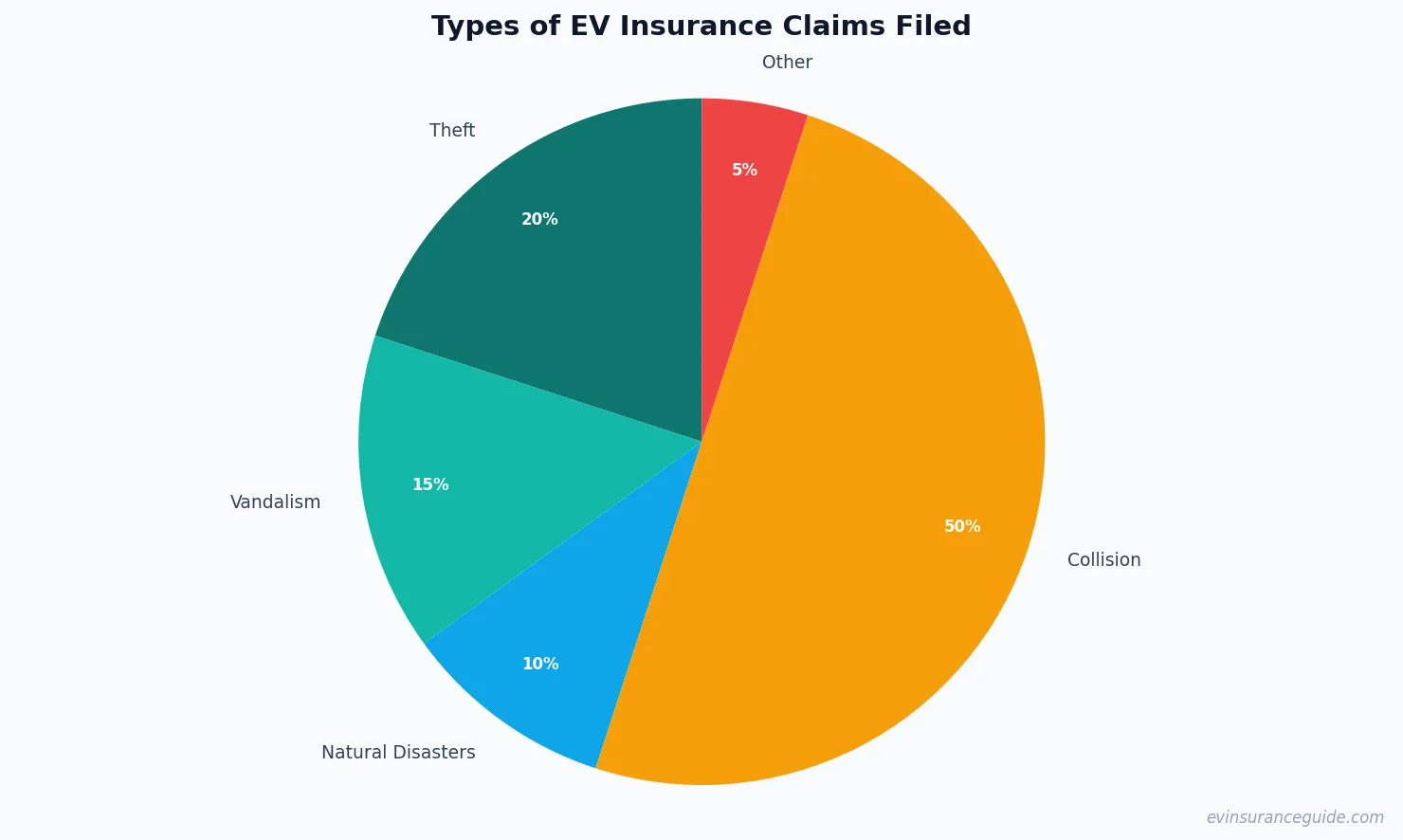
Comprehensive coverage, also known as other-than-collision coverage, is a type of insurance that covers damages to your vehicle that aren't caused by a collision. This can include things like theft, vandalism, fire, and natural disasters. Collision coverage, on the other hand, covers damages to your vehicle that are caused by a collision with another vehicle or object. Know what the kicker is? Many EV owners don't realize that they need both types of coverage to be fully protected. For example, if you own a BMW iX, you'll want to make sure you have comprehensive coverage to protect against theft, and collision coverage to protect against accidents.
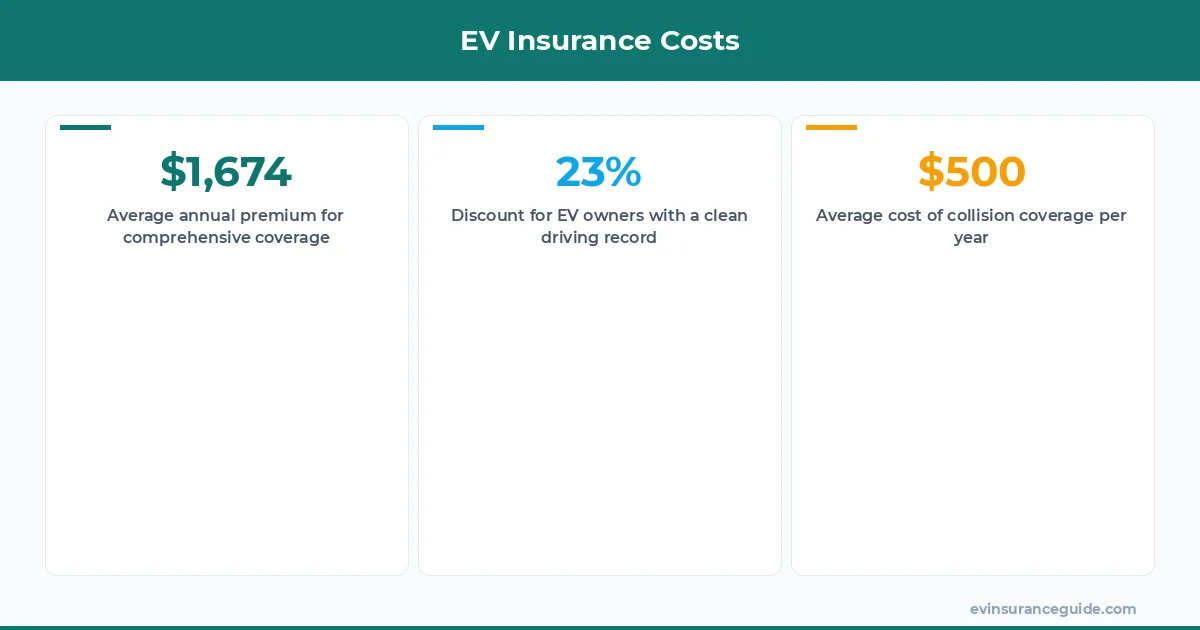
But, let's talk about costs. The average annual premium for comprehensive coverage can range from $200 to $500, depending on the insurance provider and the type of vehicle. Collision coverage, on the other hand, can range from $300 to $1,000 per year. And, if you're financing your EV, your lender may require you to have both types of coverage. That one stung - I've seen owners pay upwards of $5,000 in out-of-pocket expenses because they didn't have the right coverage.
I've worked with clients who have owned a Hyundai Ioniq 5, and they've been surprised to learn that their comprehensive coverage didn't cover damages caused by a collision. It's a common misconception, and it's one that can end up costing you thousands of dollars in the long run. So, what's the solution? Make sure you read your policy carefully, and ask your insurance provider about any potential gaps in coverage.
WARNING: Don't Fall for the Trap of Minimum Coverage
One of the biggest mistakes EV owners make is opting for the minimum coverage required by their state. While this may seem like a cost-effective solution, it can end up costing you more in the long run. Minimum coverage typically only includes liability insurance, which covers damages to other vehicles or property in the event of an accident. But, it won't cover damages to your own vehicle, which can be a major financial burden. Dead serious - I've seen owners pay upwards of $10,000 in out-of-pocket expenses because they didn't have the right coverage.
For example, if you own a Rivian and you're involved in an accident, you could be looking at thousands of dollars in damages. If you only have minimum coverage, you'll be on the hook for those costs. But, if you have comprehensive and collision coverage, you'll be protected. It's a no-brainer, in my opinion.
So, what's the solution? Make sure you opt for a policy that includes comprehensive and collision coverage. It may cost a bit more upfront, but it's worth it in the long run. And, don't be afraid to shop around and compare rates from different insurance providers. You might be surprised at how much you can save.
Can You Afford to Go Without EV Insurance After Accident?
It's a question that many EV owners ask themselves, and the answer is usually no. While it's true that EVs are generally less expensive to maintain than gas-powered vehicles, they can still be costly to repair or replace. And, if you're involved in an accident, you could be looking at thousands of dollars in damages. Know what the worst part is? If you don't have the right coverage, you could be on the hook for those costs.
But, there is some good news. Many insurance providers offer discounts for EV owners, which can help to offset the cost of coverage. For example, some providers offer a 5% discount for EV owners who have a clean driving record. Others offer a 10% discount for owners who have a home security system installed. It's worth shopping around to see what discounts you might be eligible for.
And, don't forget to read the fine print. Some insurance providers have specific requirements or exclusions for EV owners, so make sure you understand what's covered and what's not. For example, some providers may not cover damages caused by a defective battery, while others may have specific requirements for charging and maintenance.
Pro tip: Always read your policy carefully and ask questions if you're unsure about anything. It's better to be safe than sorry, especially when it comes to something as important as insurance.
A Story of How I Helped a Client Navigate EV Insurance After Accident
I worked with a client who owned a Tesla Model Y, and they were involved in an accident that caused significant damage to their vehicle. They didn't have the right coverage, and they were facing thousands of dollars in out-of-pocket expenses. But, I was able to help them navigate the claims process and get the coverage they needed. It was a long and difficult process, but in the end, they were able to get back on the road without breaking the bank.
It's a story that I tell often, because it highlights the importance of having the right insurance coverage. EV owners need to be prepared for the unexpected, and that includes having comprehensive and collision coverage. It's not just about protecting your vehicle - it's about protecting your finances.
And, it's not just about the cost. It's about the peace of mind that comes with knowing you're protected. When you have the right coverage, you can drive with confidence, knowing that you're prepared for anything that might happen.
Comparing EV Insurance Costs: Comprehensive vs Collision
It's a common question: which type of coverage is more expensive, comprehensive or collision? The answer is, it depends. Comprehensive coverage can range from $200 to $500 per year, depending on the insurance provider and the type of vehicle. Collision coverage, on the other hand, can range from $300 to $1,000 per year.
But, here's the thing: it's not just about the cost. It's about the value. Comprehensive coverage provides protection against a wide range of risks, including theft, vandalism, and natural disasters. Collision coverage, on the other hand, provides protection against damages caused by a collision with another vehicle or object.
So, which one is more important? It depends on your specific needs and circumstances. If you live in an area that's prone to natural disasters, you may want to prioritize comprehensive coverage. If you're a city driver, you may want to prioritize collision coverage.
FAQs
#### What is EV insurance after accident?
EV insurance after accident refers to the coverage you need to protect your vehicle and finances in the event of an accident. It typically includes comprehensive and collision coverage, as well as liability insurance.
#### How much does EV insurance after accident cost?
The cost of EV insurance after accident can vary depending on the insurance provider, the type of vehicle, and the level of coverage. On average, comprehensive coverage can range from $200 to $500 per year, while collision coverage can range from $300 to $1,000 per year.
#### Do I need both comprehensive and collision coverage?
Yes, it's highly recommended that you have both comprehensive and collision coverage to be fully protected. Comprehensive coverage provides protection against a wide range of risks, including theft, vandalism, and natural disasters, while collision coverage provides protection against damages caused by a collision with another vehicle or object.
#### What is the difference between comprehensive and collision coverage?
Comprehensive coverage provides protection against a wide range of risks, including theft, vandalism, and natural disasters, while collision coverage provides protection against damages caused by a collision with another vehicle or object.
#### Can I get a discount on my EV insurance after accident?
Yes, many insurance providers offer discounts for EV owners, which can help to offset the cost of coverage. For example, some providers offer a 5% discount for EV owners who have a clean driving record, while others offer a 10% discount for owners who have a home security system installed.
#### How do I file a claim for EV insurance after accident?
To file a claim for EV insurance after accident, you'll need to contact your insurance provider and provide them with the necessary documentation, including a police report and proof of ownership. Your insurance provider will then guide you through the claims process and help you to get the coverage you need.
That's my two cents. Take it or leave it — but I hope it helps. — Alex