Can a simple dashcam really save you from a hefty at-fault increase on your EV insurance? Sound familiar? I've seen it happen to friends with Tesla Model 3s and Hyundai Ioniq 5s - a fender bender, and suddenly their premiums skyrocket. But what if you could prove it wasn't your fault? That's where dashcam footage comes in - specifically, using it for EV insurance claims.
WARNING — Don't Assume Your Insurer Accepts Dashcam Evidence
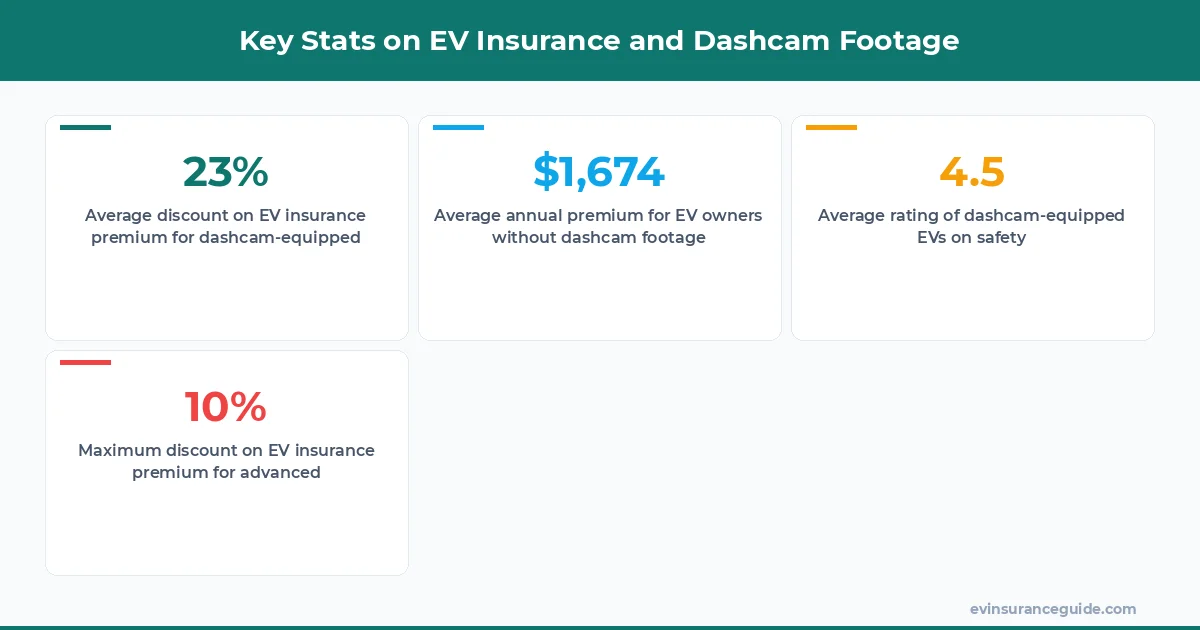
I've gotta warn you - not all insurers are created equal when it comes to accepting dashcam footage. Some, like Geico and State Farm, are more open to it, while others might give you the runaround. And even if they do accept it, the process can be a real headache. For example, I've heard of cases where the insurer requested the footage be submitted on a specific type of USB drive - yeah, that's a thing. Dead serious. So, before you buy that fancy new dashcam for your Rivian, make sure your insurer is on board. Know what the kicker is? It could save you up to $1,500 on your annual premium.
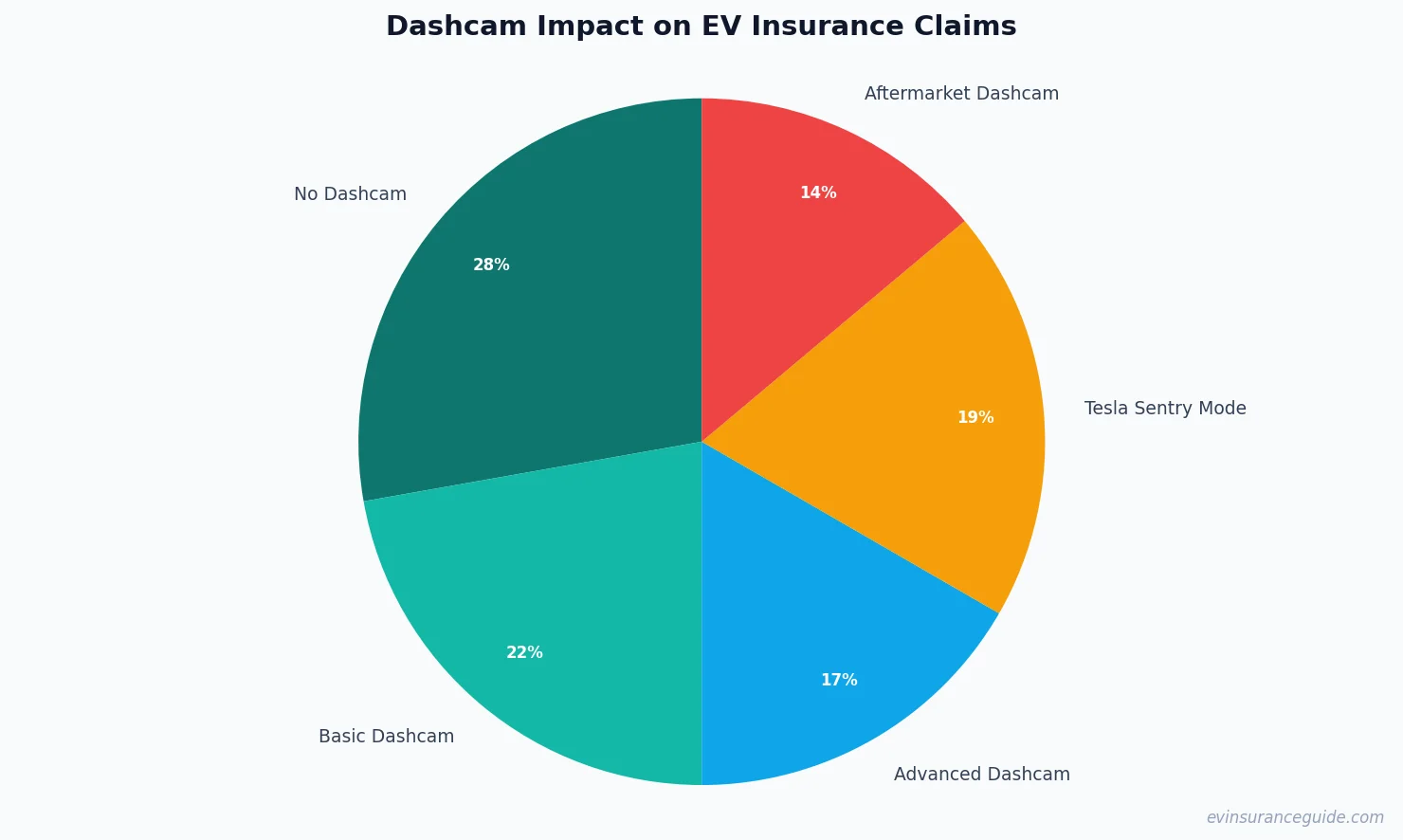
You'll want to check your policy documents or give your insurer a call to confirm their dashcam evidence process. And if they don't accept it, well, it might be time to shop around. I've seen some insurers, like Progressive, offer discounts for dashcam-equipped vehicles - we're talking up to 10% off your premium. That's a nice chunk of change, especially if you're driving a pricey EV like a BMW iX. But, can you really put a price on peace of mind?
Now, I know what you're thinking - what about Tesla's built-in dashcam, aka Sentry Mode? Does that count? Well, actually, Sentry Mode is a bit of a special case. Since it's integrated into the vehicle, some insurers might view it as more reliable than a third-party dashcam. But, that's not always the case, so don't assume it'll automatically be accepted.
COMPARISON — Built-in Dashcams vs Aftermarket Options
So, you're in the market for a new dashcam - or maybe you're wondering if the built-in one on your Tesla Model Y is enough. Let me tell you, it's not just about the camera itself, but the features that come with it. For example, some aftermarket dashcams, like the BlackVue DR900S, offer GPS, Wi-Fi, and even cloud storage. That's a lot more than your average built-in dashcam. And, if you're looking to save some cash, an aftermarket dashcam might be the way to go - you can find decent ones for under $200.
On the other hand, built-in dashcams, like the one on the Tesla Model 3, are often more convenient and seamless to use. I mean, who doesn't love the idea of having everything integrated into their vehicle? But, the downside is that they might not offer all the bells and whistles you'd get with an aftermarket dashcam. And, if you're not a Tesla owner, well, you're out of luck.
But, here's the thing - when it comes to EV insurance and dash cam footage, the type of dashcam you use might not be as important as you think. What really matters is the quality of the footage and how you submit it to your insurer. So, whether you opt for a built-in or aftermarket dashcam, make sure you're getting one that records clear, high-quality video. And, don't forget to check the storage capacity - you don't want your footage to be overwritten before you can submit it. Wild, right?
OK So Here's the Deal With Storage and Privacy
So, you've got your dashcam, and you're recording all sorts of footage - but what happens to it all? I mean, think about it - you're basically creating a massive library of video evidence, just waiting to be used in case of a claim. But, that raises some serious storage and privacy concerns. For example, who has access to that footage? And, how long is it stored for?
These are all important questions to consider, especially if you're using a cloud-based storage system. I've heard of cases where dashcam footage was accessed by unauthorized parties - yeah, that's a nightmare scenario. So, make sure you're using a reputable storage service that prioritizes security and privacy. And, don't forget to check your insurer's policy on storing and using dashcam footage - you don't want any surprises down the line.
But, let's get real - the benefits of using dashcam footage for EV insurance claims far outweigh the risks. I mean, we're talking about potentially saving thousands of dollars on your premium - that's not chump change. And, with the right storage and privacy measures in place, you can rest easy knowing your footage is safe and secure.
Pro tip: always check your dashcam's storage capacity and make sure you're not overwriting important footage. And, consider investing in a dashcam with built-in GPS and Wi-Fi - it'll make submitting footage to your insurer a whole lot easier.
A Story of How Dashcam Footage Saved the Day
I've got a buddy, let's call him Dave, who was involved in a pretty nasty fender bender last year. He was driving his Tesla Model 3, and some guy rear-ended him at a stoplight. Luckily, Dave had invested in a decent dashcam, which caught the whole thing on tape. And, let me tell you, it was a game-changer.
The other driver was trying to claim it was Dave's fault, but the dashcam footage told a different story. It showed the other guy was clearly at fault, and Dave's insurer ended up accepting the footage as evidence. Long story short, Dave didn't have to pay a dime - and his premium didn't go up. That's the power of dashcam footage, folks.
Can Dashcam Footage Be Used Against You?
So, we've talked about all the ways dashcam footage can save your claim and lower your rate - but what about the flip side? Can it be used against you? Well, yeah, that's a possibility. If you're involved in an accident, and the footage shows you were at fault, it could end up increasing your premium. But, that's just the way the cookie crumbles, right?
I mean, think about it - if you're driving recklessly, and you get into an accident, you should probably expect your premium to go up. That's just basic risk assessment. But, the key is to be aware of the potential risks and take steps to mitigate them. For example, you could take a defensive driving course or invest in a dashcam with safety features like lane departure warning.
FAQs
#### What EV insurers accept dashcam footage?
Some popular EV insurers that accept dashcam footage include Geico, State Farm, and Progressive. However, it's always best to check with your insurer directly to confirm their policy.
#### How do I submit dashcam footage to my insurer?
The process will vary depending on your insurer, but most will require you to upload the footage to their online portal or send it in via email. Make sure to check your policy documents or give your insurer a call to confirm.
#### Can I use a smartphone app as a dashcam?
While there are some decent smartphone apps out there, they might not be the best option for EV insurance and dash cam footage. I mean, think about it - you're driving, and you need to be able to focus on the road, not your phone.
#### How much can I save on my EV insurance premium by using a dashcam?
The amount you can save will depend on your insurer and the type of dashcam you use, but some insurers offer discounts of up to 10% or more.
#### What's the best dashcam for EV owners?
There are a lot of great dashcams out there, but some popular options for EV owners include the BlackVue DR900S and the Garmin Dash Cam 66W.
#### Are there any specific storage requirements for dashcam footage?
Yeah, that's a great question - most insurers will require you to store the footage for a certain amount of time, usually 30 days or more. Make sure to check your policy documents to confirm.
And, that's a wrap, folks. Using dashcam footage for EV insurance claims can be a total game-changer - just make sure you're aware of the potential risks and take steps to mitigate them. Stay charged and stay covered! — Alex