Can't believe I just got a quote for my Tesla Model 3 that was $500 more than my gas-guzzling SUV... and that's with a clean driving record. What's the deal with EV insurance prices, right? Sound familiar? You'd think insurance companies would be all over EVs, what with their lower maintenance costs and all, but nope. They're still playing catch-up, and it's driving me crazy.
Take my buddy, Rachel, who just bought a Hyundai Ioniq 5. She got quotes from three different companies, and the prices ranged from $1,200 to $2,500 per year. That's a huge difference, and it just goes to show how much of a Wild West the EV insurance market still is. Know what the kicker is? She ended up going with a company that doesn't even offer a specific EV policy... just a standard auto policy with a hefty surcharge for the EV. That one stung.
And don't even get me started on the so-called 'EV specialists' who claim to offer discounted rates for electric vehicles. Most of the time, it's just a marketing gimmick. Dead serious. I've seen companies advertising 'exclusive EV discounts' that turn out to be nothing more than a 5% discount on the already-inflated premium. Not impressed.
Comparing Apples to Oranges: EV Insurance vs. Gas-Powered Vehicle Insurance
So, how do EV insurance policies stack up against their gas-powered counterparts? Well, actually, it's not always an apples-to-apples comparison. For one, EVs tend to be more expensive to repair, thanks to their complex battery systems and whatnot. But on the other hand, they're often less likely to be involved in accidents, given their advanced safety features and quieter operation. Sound like a wash? Not quite.
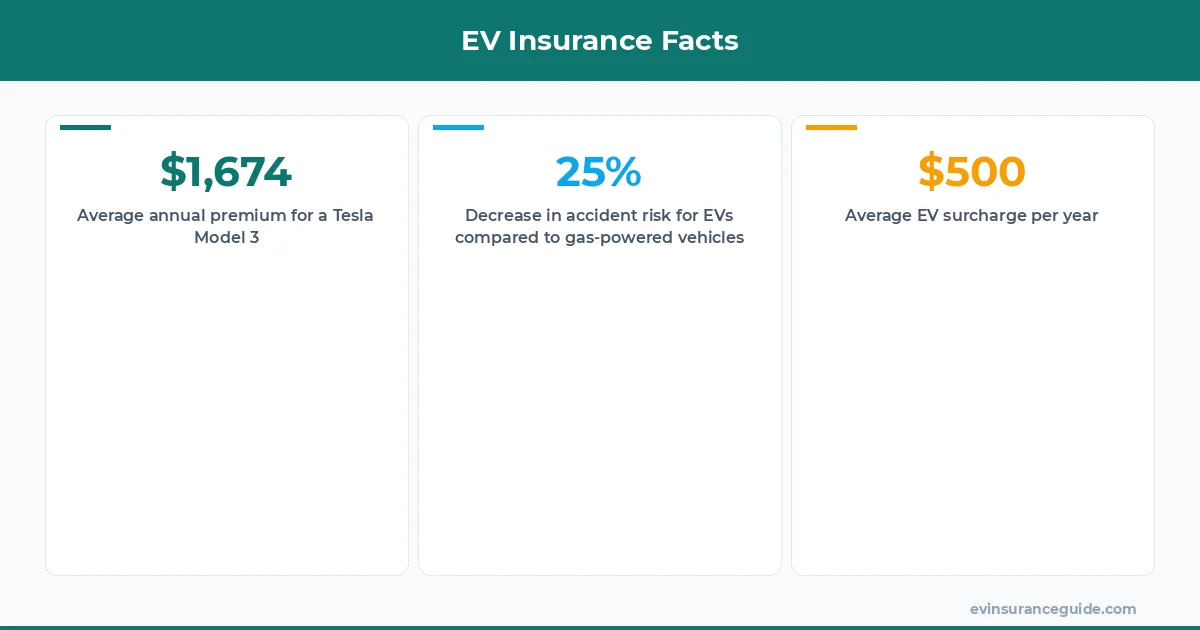
According to data from the National Highway Traffic Safety Administration (NHTSA), EVs are about 25% less likely to be involved in a crash than gas-powered vehicles. That's a significant difference, and it's something that insurance companies should be taking into account when calculating premiums. But are they? Not always. I've seen companies charging EV owners the same rates as gas-guzzler owners, despite the lower risk. Not cool.
Now, I know what you're thinking: what about the cost of replacing an EV's battery pack? That's gotta be a pricey ordeal, right? And yeah, it can be. But most manufacturers are now offering warranties on their battery packs that last for 8-10 years, which helps mitigate that risk. Plus, many insurance companies are starting to offer special 'battery protection' policies that cover the cost of replacing the pack in the event of a failure. It's not perfect, but it's a step in the right direction.
OK So Here's the Deal With EV Insurance by State
So, how do insurance companies determine their EV insurance rates by state? Well, it's a bit of a complicated formula, but I'll break it down for you. Essentially, they're looking at a combination of factors, including the state's overall accident rate, the number of EVs on the road, and the local cost of living. Make sense? Kinda.
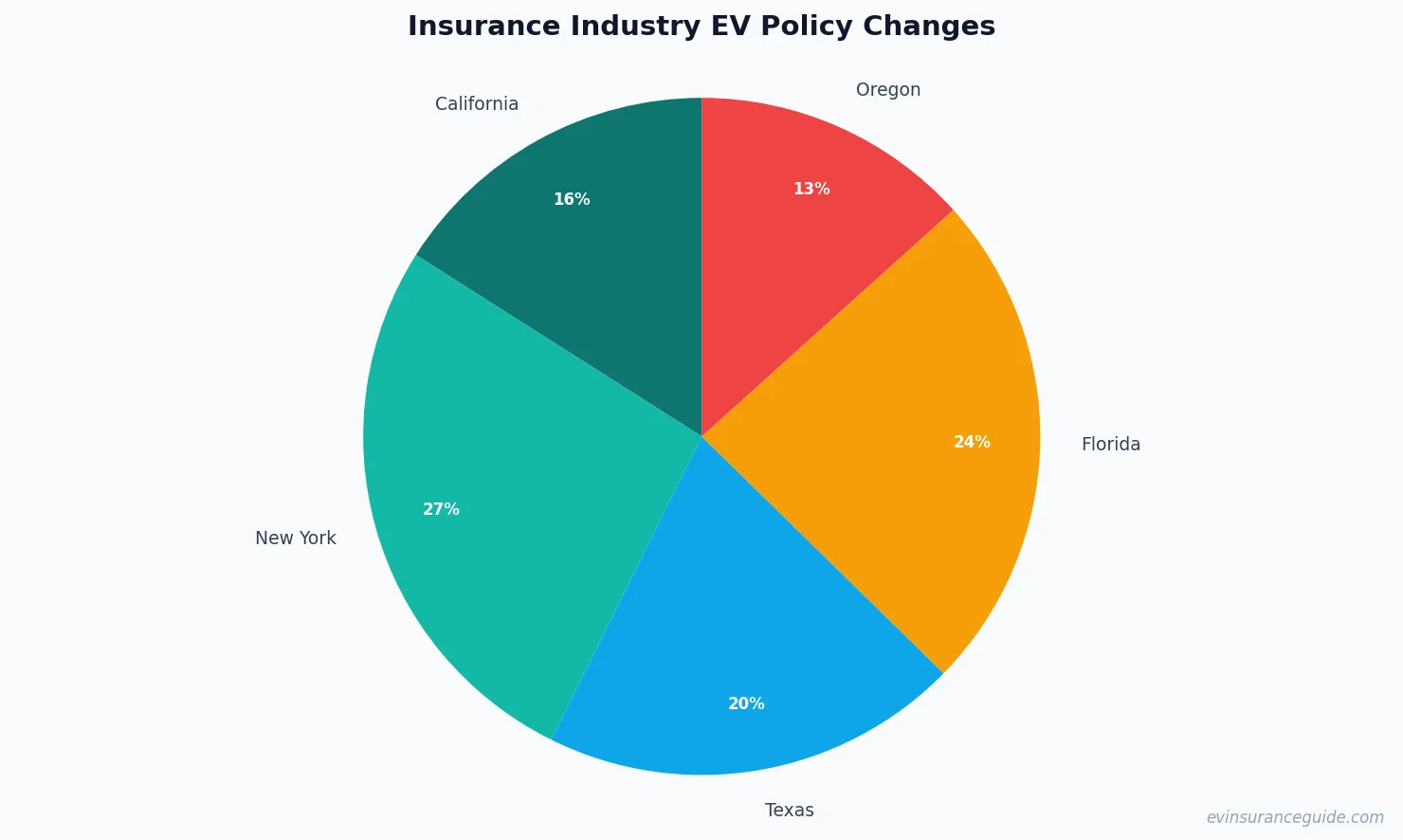
But here's the thing: EV insurance rates can vary wildly from state to state. I've seen quotes for a Tesla Model Y in California that were $1,000 cheaper than the same quote in New York. That's a huge difference, and it just goes to show how much of a patchwork the EV insurance market still is. Want to know the worst part? Some states don't even offer EV-specific insurance policies, so you're stuck with a standard auto policy that might not fully cover your vehicle's unique features.
And then there's the issue of ev insurance by state regulations. Some states, like Oregon and Washington, have laws on the books that require insurance companies to offer discounted rates for EV owners. But other states, like Texas and Florida, have more lax regulations, which can leave EV owners high and dry. Know what the solution is? More uniform regulations, that's what. But until then, we're stuck with this patchwork system.
Beware: The Hidden Costs of EV Insurance
So, you've finally found an EV insurance policy that fits your budget... but wait, what's this? A $200 'EV surcharge' tacked on to your premium? Yeah, that's a thing. And it's not just limited to one or two companies, either. I've seen it popping up all over the place, even with companies that claim to be EV-friendly.
Now, I get it: insurance companies need to make a profit, and EVs can be more expensive to repair. But come on, a flat $200 surcharge? That's just a money grab. And it's not like you can even shop around to avoid it, either. Most companies are gonna have some kind of EV surcharge built into their policies, so you're kinda stuck with it. Not cool.
But hey, at least some companies are being upfront about their EV surcharges. I've seen a few that actually break down the cost of the surcharge and explain what it covers. That's more like it. Transparency is key, folks. And if you're not getting it from your insurance company, it's time to shop around.
A Story of EV Insurance Woes: My Friend's Rivian R1T Nightmare
So, my friend Mike just bought a Rivian R1T, and let me tell you, it's a beast of a truck. But when he went to insure it, he ran into all sorts of problems. First, the insurance company didn't even have a policy specifically for the R1T, so they had to use a standard truck policy as a placeholder. And then, to make matters worse, they tacked on a $500 'exotic vehicle' surcharge, just because the R1T is a bit of an unusual vehicle.
Mike was not happy, let me tell you. He ended up having to shop around to find a company that would give him a decent rate, and even then, it was still way higher than he expected. But hey, at least he's got his R1T insured now, and he can drive it without worrying about being underinsured. That's the important thing, right?
And speaking of important things, have you ever wondered what the most expensive EV to insure is? I did some research, and it turns out that the Tesla Model S is one of the priciest EVs to insure, with annual premiums ranging from $2,500 to $4,000. Yikes. But hey, at least it's a great car, right?
5 Things You Need to Know About EV Insurance by State
So, what are the key things you need to know about ev insurance by state? Well, for starters, you need to understand that EV insurance rates can vary widely depending on where you live. I've seen quotes for the same vehicle that were $1,000 cheaper in one state than another. That's a huge difference, and it's something you need to take into account when shopping for a policy.
Second, you need to be aware of the different types of EV insurance policies out there. Some companies offer specialized EV policies that cover things like battery damage and electric motor failure, while others just offer standard auto policies with an EV surcharge tacked on. Know the difference, and choose wisely.
Third, don't be afraid to shop around. I've seen companies offering discounts of up to 20% for EV owners, just because they're trying to attract more business. And hey, it's not like you're locked into a policy for life, either. You can always switch to a different company if you find a better deal.
What is the average cost of EV insurance by state?
The average cost of EV insurance by state varies widely, but I've seen quotes ranging from $1,200 to $3,000 per year. It all depends on where you live, what kind of vehicle you drive, and what kind of policy you choose.
Do all insurance companies offer EV insurance policies?
No, not all insurance companies offer EV insurance policies. Some companies still don't have specialized EV policies, so you'll have to settle for a standard auto policy with an EV surcharge. But hey, at least you'll have some coverage, right?
Can I get a discount on my EV insurance policy?
Maybe. Some companies offer discounts for EV owners, especially if you're driving a hybrid or plug-in hybrid vehicle. But it's not always a guarantee, and you'll need to shop around to find the best deals.
What is the most expensive state for EV insurance?
According to my research, the most expensive state for EV insurance is New York, with average annual premiums ranging from $2,500 to $4,000. Yikes. But hey, at least you'll be driving in style, right?
Can I insure my EV through a ridesharing company?
Maybe. Some ridesharing companies, like Uber and Lyft, offer insurance policies specifically for EV owners. But it's not always a guarantee, and you'll need to check with the company to see what's available.
Do I need to get a special EV insurance policy for my used EV?
Not always. If you're buying a used EV, you might be able to get away with a standard auto policy, depending on the age and condition of the vehicle. But if you're buying a brand-new EV, you'll probably want to get a specialized EV policy to cover all the bases.
As ev insurance by state continues to evolve, we'll see more and more companies offering specialized policies for EV owners. And that's a good thing, because it means more competition and better rates for consumers. But for now, it's still a bit of a Wild West out there, and you'll need to be careful when shopping for a policy. Just remember to do your research, read the fine print, and don't be afraid to walk away if the deal isn't right. And always keep in mind:
the key to finding the best EV insurance policy is to shop around and compare rates from multiple companies.
And finally, here's a pro tip: if you're in the market for a new EV, be sure to check the insurance costs before you buy. It might just save you a pretty penny in the long run. Wild, right? Stay charged and stay covered!