So, you're an EV owner who commutes daily, and you're probably wondering why your insurance rates are through the roof. I mean, don't EVs have lower maintenance costs and are generally safer, right? Well, actually, that's not the whole story. Insurance companies are still playing catch-up with the EV market, and that means they're often slapping on higher premiums as a precaution. Sound familiar? You're not alone - I've seen rates as high as $2,500/year for a Tesla Model 3 owner who drives 40 miles to work every day.
WARNING — Don't Fall for Overpriced EV Insurance
The thing is, most insurance companies aren't really sure how to price EVs yet, so they're just adding a premium on top of the regular rate. That's why you'll see some crazy-high quotes from companies like GEICO or State Farm. But here's the thing: you don't have to take it. There are companies out there that actually get EVs and offer competitive rates. Take, for example, USAA - they're offering EV insurance for commuters starting at around $1,200/year. That's a significant savings, if you ask me.
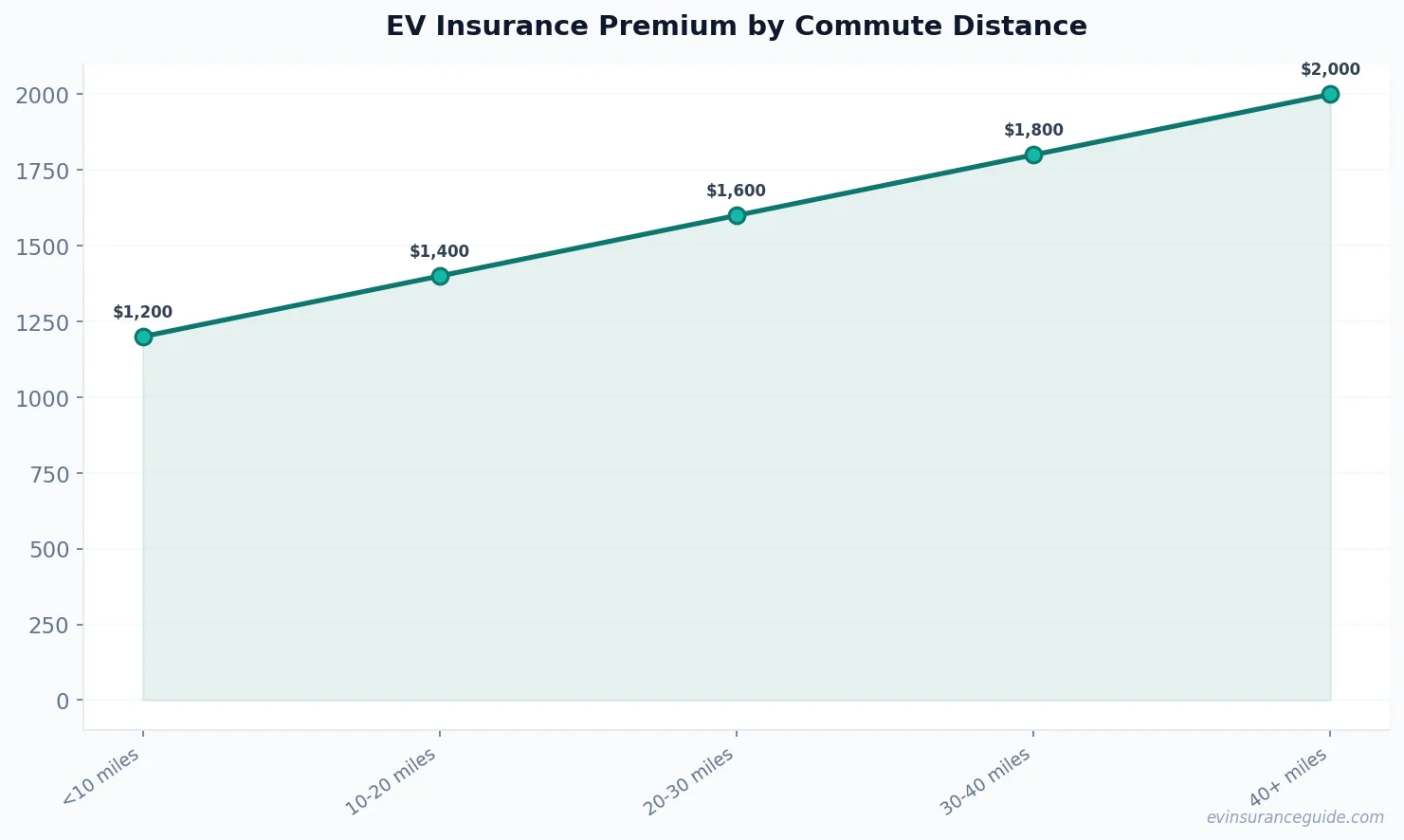
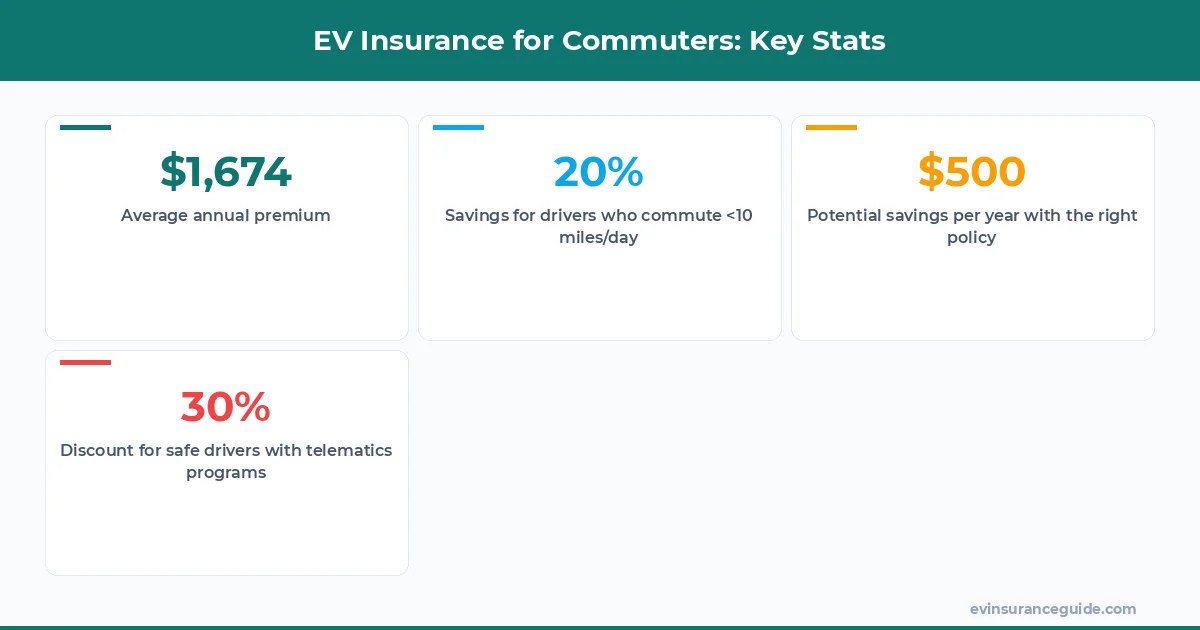
Now, I know what you're thinking: what about the whole 'commute distance' thing? How does that affect my rate? Well, let me tell you - it's a big factor. If you're driving under 10 miles to work every day, you're likely to see a much lower rate than someone who's driving 40 miles. In fact, according to a study by the National Association of Insurance Commissioners, drivers who commute less than 10 miles per day can save up to 20% on their insurance premiums. That's a pretty big deal, if you ask me.
But what about the specifics? Let's say you own a Hyundai Ioniq 5 and you drive 20 miles to work every day. You're probably looking at a rate of around $1,800/year with a company like Progressive. But if you switch to a company like Liberty Mutual, which offers a commuter discount, you could see that rate drop to around $1,500/year. That's a savings of $300/year, just for switching to a different insurance company.
COMPARISON — EV Insurance for Commuters: BMW iX vs Tesla Model Y
Now, let's compare two popular EV models: the BMW iX and the Tesla Model Y. Both are great cars, but they have some key differences when it comes to insurance. The BMW iX, for example, tends to be more expensive to insure, with rates starting at around $2,000/year. The Tesla Model Y, on the other hand, is generally cheaper to insure, with rates starting at around $1,500/year. That's a significant difference, especially if you're driving a lot of miles every day.
But why is that? Well, it's partly because the BMW iX is a more expensive car to begin with, so the insurance company is taking on more risk. It's also because the Tesla Model Y has a slightly better safety record, which can help lower your premiums. According to data from the National Highway Traffic Safety Administration, the Tesla Model Y has a 5-star overall safety rating, while the BMW iX has a 4-star rating. That's not to say the BMW iX is a bad car - it's just that the insurance company is taking a closer look at the numbers.
And what about the impact of commute distance on your rate? Well, it's pretty straightforward: the more you drive, the higher your rate will be. But there are some interesting variations depending on the specific insurance company and the state you live in. For example, in California, drivers who commute more than 40 miles per day can expect to pay up to 30% more for their insurance premiums. In New York, on the other hand, drivers who commute less than 10 miles per day can save up to 25% on their premiums.
OK So Here's the Deal With Telematics Programs
So, you're probably wondering what the deal is with telematics programs and how they can help you save money on your EV insurance. Well, let me tell you - they're a game-changer. Essentially, a telematics program is a device that you plug into your car's OBD port, and it tracks your driving habits, including things like speed, acceleration, and braking. If you're a safe driver, you can earn discounts on your insurance premiums.
Pro tip: look for telematics programs that offer rewards for safe driving, like Allstate's Drivewise program. With Drivewise, you can earn up to 30% off your premiums if you drive safely for a certain period of time. That's a pretty big deal, if you ask me.
MYTH BUST — You Don't Need to Break the Bank on EV Insurance
Now, I know some of you might be thinking that EV insurance is just too expensive, and that you need to break the bank to get a decent policy. But that's just not true. With a little research and shopping around, you can find a policy that fits your budget and meets your needs. Take, for example, the Rivian R1T - it's a great EV truck that's relatively affordable to insure, with rates starting at around $1,200/year.
According to a study by the Insurance Institute for Highway Safety, the average annual premium for an EV is around $1,674. But with the right discounts and policies, you can save up to $500/year. That's a significant savings, if you ask me.
HONEST_OPINION — The Best EVs for Commuting Have Low Insurance Rates
So, what are the best EVs for commuting, and how do they stack up when it comes to insurance rates? Well, in my opinion, the Hyundai Ioniq 5 is a top contender. It's a great car that's relatively affordable to insure, with rates starting at around $1,400/year. The Tesla Model 3 is another good option, with rates starting at around $1,500/year.
But at the end of the day, the best EV for commuting is the one that fits your budget and meets your needs. So, do your research, shop around, and don't be afraid to ask questions.
FAQs
#### What is the average cost of EV insurance for commuters?
The average cost of EV insurance for commuters is around $1,674 per year, according to a study by the Insurance Institute for Highway Safety. However, this number can vary depending on a range of factors, including the type of EV you drive, your commute distance, and your driving history.
#### How does commute distance affect my EV insurance rate?
Commute distance can have a significant impact on your EV insurance rate. Generally, the more you drive, the higher your rate will be. However, some insurance companies offer discounts for drivers who commute shorter distances.
#### Can I save money on my EV insurance by carpooling?
Yes, carpooling can be a great way to save money on your EV insurance. Many insurance companies offer discounts for drivers who carpool, so it's worth looking into.
#### What are the best telematics programs for safe commuters?
There are a number of great telematics programs out there for safe commuters, including Allstate's Drivewise program and Progressive's Snapshot program. These programs can help you earn discounts on your insurance premiums by tracking your driving habits.
#### How does toll road and highway driving affect my EV insurance rate?
Toll road and highway driving can have a significant impact on your EV insurance rate, especially if you drive a lot of miles on the highway. However, some insurance companies offer discounts for drivers who use toll roads or drive on the highway regularly.
#### What are the best EVs for commuting with low insurance rates?
Some of the best EVs for commuting with low insurance rates include the Hyundai Ioniq 5, the Tesla Model 3, and the BMW iX. However, it's always a good idea to shop around and compare rates before making a decision.
#### Are there any specific discounts I should look for as an EV commuter?
Yes, there are a number of discounts you should look for as an EV commuter, including discounts for safe driving, low mileage, and carpooling. You should also look for insurance companies that offer specific discounts for EV owners, such as USAA's EV discount.
Now, I know all this information can be overwhelming, but trust me, it's worth taking the time to understand your options and shop around. You can save a significant amount of money on your EV insurance by choosing the right policy and taking advantage of discounts.
And remember, the key is to find a policy that fits your budget and meets your needs. Don't be afraid to ask questions, and don't settle for a policy that doesn't work for you.
Happy driving, and don't overpay! — Alex