You know what really grinds my gears? When companies think they can just slap any old insurance policy on their EV company cars and call it a day. Newsflash: EV insurance for company cars is a whole different ball game. The rules are different, the costs are different, and the coverage is different. So, if you're an employer or employee with an EV company car, listen up - you don't want to get caught out.
MYTH_BUST — Employers Always Pay for EV Insurance
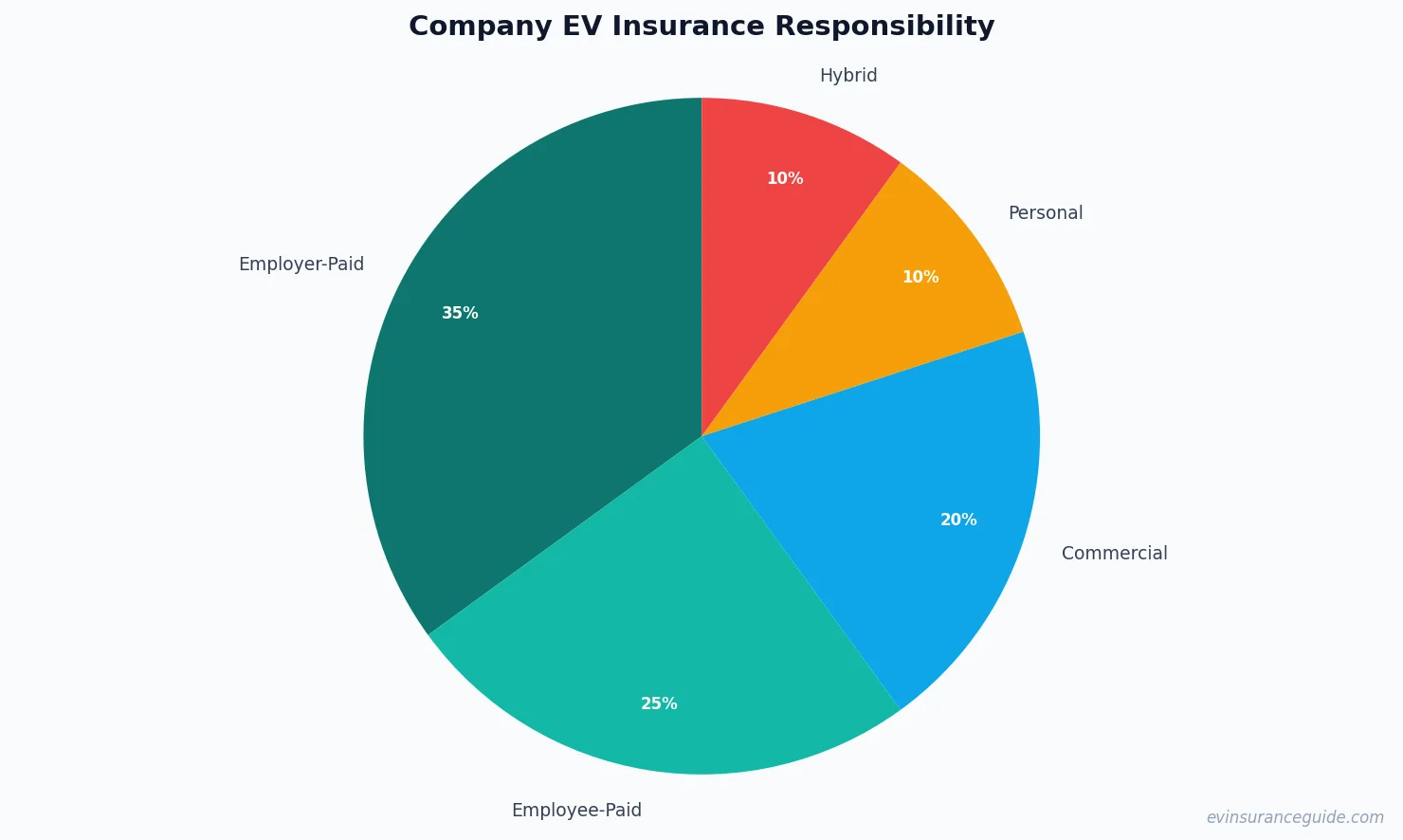
One of the biggest myths out there is that employers always pay for EV insurance. Not true. While it's common for companies to cover the cost of insurance for their company cars, it's not always the case. Sometimes, employees are expected to pay for their own insurance, especially if they're using their own EV for work. Sound familiar? This can be a major headache, especially if you're not sure what you're covered for. Know what the kicker is? Even if your employer does pay for your EV insurance, you might still be liable for certain costs - like deductibles or excesses. Wild, right?
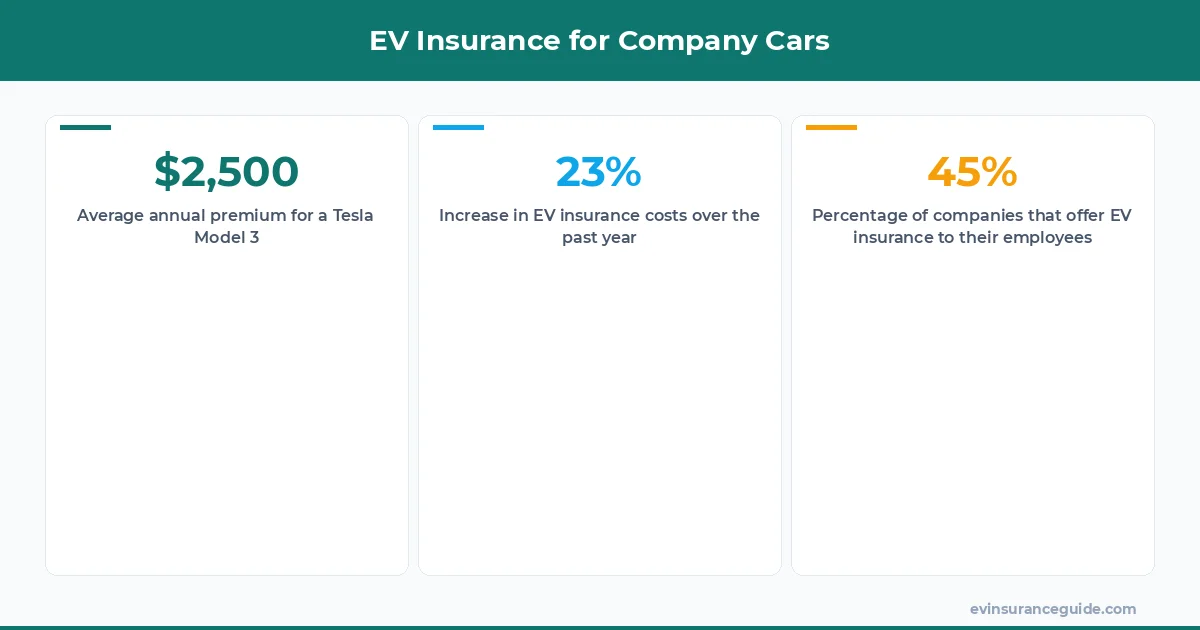
Take the Tesla Model 3, for example. It's a popular choice for company cars, but the insurance costs can be steep. According to data from the National Association of Insurance Commissioners, the average annual premium for a Tesla Model 3 is around $2,000. But, if you're using your own EV for work, you might need to pay for a commercial insurance policy, which can cost upwards of $5,000 per year. Ouch. That's a big difference. And, if you're not careful, you could end up with a policy that doesn't cover you for business use.
But, what about BYOD (bring your own EV) policies? These are becoming increasingly popular, as they allow employees to use their own EVs for work. However, this can create a whole new set of problems. For one thing, personal insurance policies often don't cover business use, so you could be left high and dry if you're involved in an accident while driving for work. And, even if you do have coverage, you might find that your premiums skyrocket as a result of business use. It's a catch-22, really. You want to use your own EV for work, but you don't want to pay through the nose for insurance.
WARNING — Don't Assume Your Personal Policy Covers Business Use
So, what's the solution? Well, one option is to take out a separate commercial insurance policy for your EV. This can be expensive, but it's often the best way to ensure you're fully covered for business use. Another option is to look into specialized EV insurance policies, which are designed specifically for company cars. These policies can be more expensive than traditional insurance policies, but they often offer better coverage and more flexible payment options. For example, the BMW iX is a popular choice for company cars, and insurance policies for this vehicle can range from $1,500 to $3,000 per year, depending on the provider and the level of coverage.
But, what about the tax implications? Well, that's a whole other can of worms. Essentially, if your employer pays for your EV insurance, it's considered a taxable benefit. This means you'll need to pay tax on the value of the insurance policy, which can add up quickly. On the other hand, if you pay for your own insurance, you might be able to claim the cost as a business expense on your tax return. It's all about the numbers, really. And, if you're not careful, you could end up owing more in taxes than you expected.
As the Rivian CEO, RJ Scaringe, once said:
"The future of transportation is electric, and the future of insurance is going to have to adapt to that reality."
It's a bold statement, but it's true. The EV insurance landscape is changing fast, and companies need to be prepared. Whether you're an employer or an employee, it's essential to understand the ins and outs of EV insurance for company cars. It's not just about the cost - it's about the coverage, the tax implications, and the potential risks.
5 KEY THINGS to Consider When Choosing EV Insurance for Your Company Car
So, what are the key things to consider when choosing EV insurance for your company car? Well, here are five things to keep in mind: first, make sure you understand what's covered and what's not. Second, check the excess or deductible - you don't want to be stuck with a huge bill if you're involved in an accident. Third, consider the cost of the policy - it's not just about the monthly premium, but also about any additional fees or charges. Fourth, think about the level of service you need - do you need 24/7 support, or are you happy with a more basic policy? And fifth, check the reputation of the insurance provider - you want to make sure you're dealing with a reputable company that will be there when you need them.
For example, the Hyundai Ioniq 5 is a popular choice for company cars, and insurance policies for this vehicle can range from $1,200 to $2,500 per year, depending on the provider and the level of coverage. But, what about the costs for employers? Well, the cost of company car insurance can vary widely, depending on the number of vehicles, the type of vehicles, and the level of coverage. According to data from the Insurance Information Institute, the average cost of company car insurance is around $1,500 per vehicle per year. But, this can range from $500 to $5,000 per vehicle per year, depending on the specifics.
COMPARISON — EV Insurance vs Traditional Insurance
So, how does EV insurance compare to traditional insurance? Well, the truth is, EV insurance is often more expensive than traditional insurance. However, this is because EVs are often more expensive to repair or replace, and they may require specialized parts or labor. On the other hand, EVs are also often more reliable and less prone to accidents, which can help to reduce the cost of insurance over time. It's a trade-off, really. You pay more upfront, but you might save money in the long run.
For example, a study by the National Renewable Energy Laboratory found that EVs have a lower accident rate than traditional vehicles, with an average of 1.4 accidents per 100 million miles driven, compared to 2.2 accidents per 100 million miles driven for traditional vehicles. This can help to reduce the cost of insurance, as well as the overall cost of ownership. And, with the rise of autonomous vehicles, we can expect to see even more changes in the EV insurance landscape.
HONEST_OPINION — The Best Fleet Insurers for Small Businesses
So, what's the best fleet insurer for small businesses? Well, in my opinion, it's got to be a company like Geico or Progressive. These companies offer specialized fleet insurance policies that are designed specifically for small businesses, and they often have more flexible payment options and better coverage than traditional insurance policies. Plus, they have a reputation for being reliable and responsive, which is essential when you're dealing with a fleet of vehicles. Of course, there are other options out there, but these are my top picks.
FAQs
#### What is the average cost of EV insurance for a company car?
The average cost of EV insurance for a company car can range from $1,500 to $3,000 per year, depending on the provider and the level of coverage. For example, a Tesla Model 3 can cost around $2,000 per year to insure, while a BMW iX can cost around $2,500 per year.
#### Can I use my personal insurance policy to cover my company car?
It's not recommended to use your personal insurance policy to cover your company car, as personal policies often don't cover business use. Instead, you should consider taking out a separate commercial insurance policy for your company car.
#### What are the tax implications of company EV insurance?
If your employer pays for your EV insurance, it's considered a taxable benefit. This means you'll need to pay tax on the value of the insurance policy, which can add up quickly. On the other hand, if you pay for your own insurance, you might be able to claim the cost as a business expense on your tax return.
#### How do I choose the right EV insurance policy for my company car?
To choose the right EV insurance policy for your company car, you should consider the level of coverage you need, the cost of the policy, and the reputation of the insurance provider. You should also make sure you understand what's covered and what's not, as well as any additional fees or charges.
#### Can I get a discount on my EV insurance policy?
Yes, you may be able to get a discount on your EV insurance policy if you have a good driving record, if you're a low-mileage driver, or if you bundle your policy with other insurance products. You should also shop around and compare quotes from different insurance providers to find the best deal.
#### What is the difference between a personal EV insurance policy and a commercial EV insurance policy?
A personal EV insurance policy is designed for personal use, while a commercial EV insurance policy is designed for business use. Commercial policies often have higher limits and more comprehensive coverage, and they may also include additional features such as roadside assistance and rental car coverage.
#### Are there any specific EV insurance requirements for company cars?
Yes, there may be specific EV insurance requirements for company cars, depending on the state or country in which you operate. For example, some states may require companies to carry a minimum level of liability insurance, while others may require companies to carry additional coverage such as uninsured motorist coverage.
Remember: the best policy is the one you actually understand. — Alex