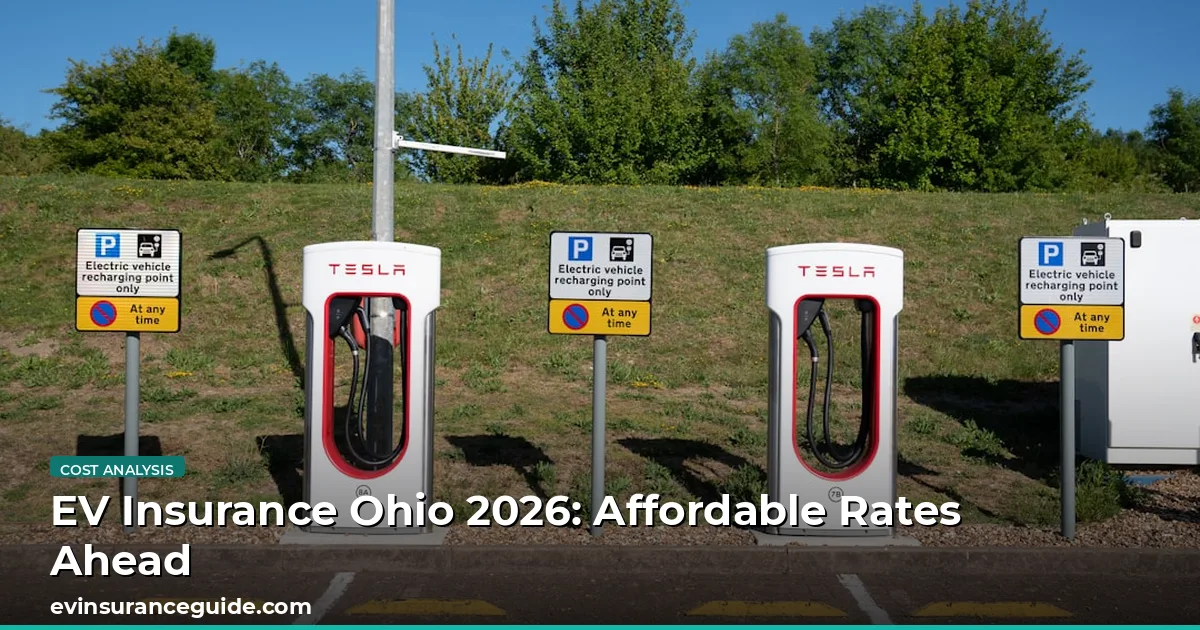
I'm sitting at an EV charging station in Columbus, Ohio, sipping on a coffee and listening in on a conversation between two EV owners. They're discussing their insurance experiences, and one of them mentions how they're paying over $2,000 a year for their Tesla Model 3. The other owner chimes in, saying they're paying less than $1,500 for their Hyundai Ioniq 5. I'm intrigued — what's the difference? Is it the vehicle, the provider, or something else entirely? Sound familiar?
COMPARISON — Electric Cars vs Gas Guzzlers: Insurance Edition
Comparing insurance rates for electric vehicles (EVs) to their gas-powered counterparts is a great way to understand the Ohio market. For instance, a 2022 Tesla Model 3 with a clean driving record might cost around $1,800 per year to insure, while a similar gas-powered sedan could cost around $1,200. But here's the thing: EVs are generally safer, with features like automatic emergency braking and lane departure warning. So, why the higher premium? It's all about the vehicle's value and repair costs. EVs are often more expensive to repair, especially if you need to replace the battery. Know what the kicker is? Some insurers are starting to offer discounts for EV owners who charge their vehicles at home.
EV insurance in Ohio is a moderate-risk market, with providers like State Farm and GEICO offering competitive rates. But what about local Ohio insurers? Companies like Grange Insurance and Westfield Insurance are worth considering, especially if you're looking for more personalized service. And let's not forget about the urban-rural divide — insurance rates can vary significantly depending on where you live in Ohio. For example, a driver in Columbus might pay around $1,500 per year for their EV insurance, while a driver in rural Athens might pay closer to $1,200.
When it comes to EV insurance in Ohio, you've got to consider the winter weather factor. Ice, snow, and freezing temperatures can all take a toll on your vehicle, and insurers know it. That's why it's essential to choose a provider that offers comprehensive coverage, including collision and liability insurance. And don't even get me started on the importance of roadside assistance — you don't want to be stuck on the side of the road in subzero temperatures.
7 Key Factors Affecting EV Insurance Rates in Ohio
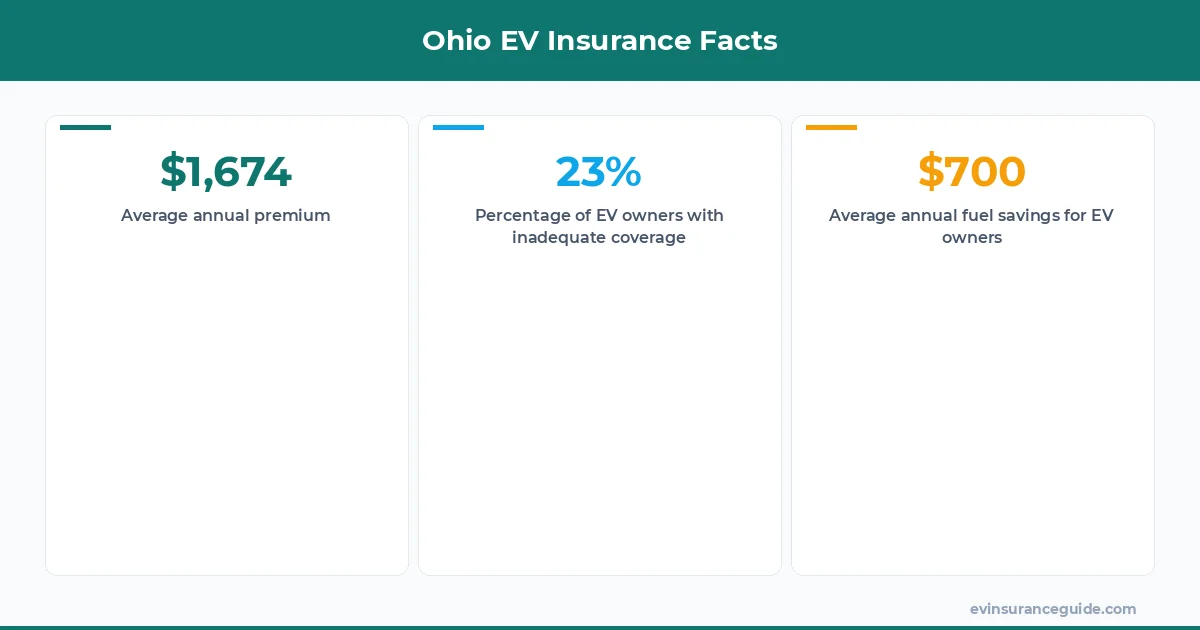
So, what are the key factors that affect EV insurance rates in Ohio? Well, for starters, there's the vehicle itself — make, model, year, and trim level all play a role. Then there's your driving record, credit score, and annual mileage. And let's not forget about the provider — different insurers offer different rates, even for the same vehicle. According to data, the average annual premium for an EV in Ohio is around $1,674. But here's the thing: you can lower your rate by shopping around, improving your credit score, and driving safely. For example, if you've got a clean driving record and a good credit score, you might be able to snag a rate of around $1,200 per year for your Tesla Model Y.
I've seen some crazy-high quotes in my time, but one that takes the cake is a $3,000 per year quote for a Rivian R1T. Okay, wait, scratch that — the owner had a bunch of tickets on their record. But still, it just goes to show that your driving history can make all the difference. And what about EVs like the BMW iX? Those can be pricey to insure, but some providers offer discounts for luxury vehicles. It's all about shopping around and finding the right provider for your needs.
MYTH_BUST — EV Insurance is More Expensive Than Gas-Powered Insurance
One common myth about EV insurance is that it's always more expensive than gas-powered insurance. But that's just not true. While it's true that EVs can be more expensive to repair, many providers offer discounts for EV owners. And when you factor in the lower fuel costs and lower maintenance costs, EVs can be a cost-effective choice in the long run. For example, a study by the National Renewable Energy Laboratory found that EVs can save owners around $700 per year in fuel costs alone. That's a significant savings, especially when you consider the average annual premium for an EV in Ohio.
But what about the environmental benefits? EVs produce zero tailpipe emissions, which can help reduce air pollution and greenhouse gas emissions. And with more and more states implementing renewable energy portfolio standards, the demand for EVs is only going to grow. So, if you're in the market for a new vehicle, an EV might be the way to go — not just for the environmental benefits, but for the potential cost savings as well.
OK So Here's the Deal With EV Insurance Providers in Ohio
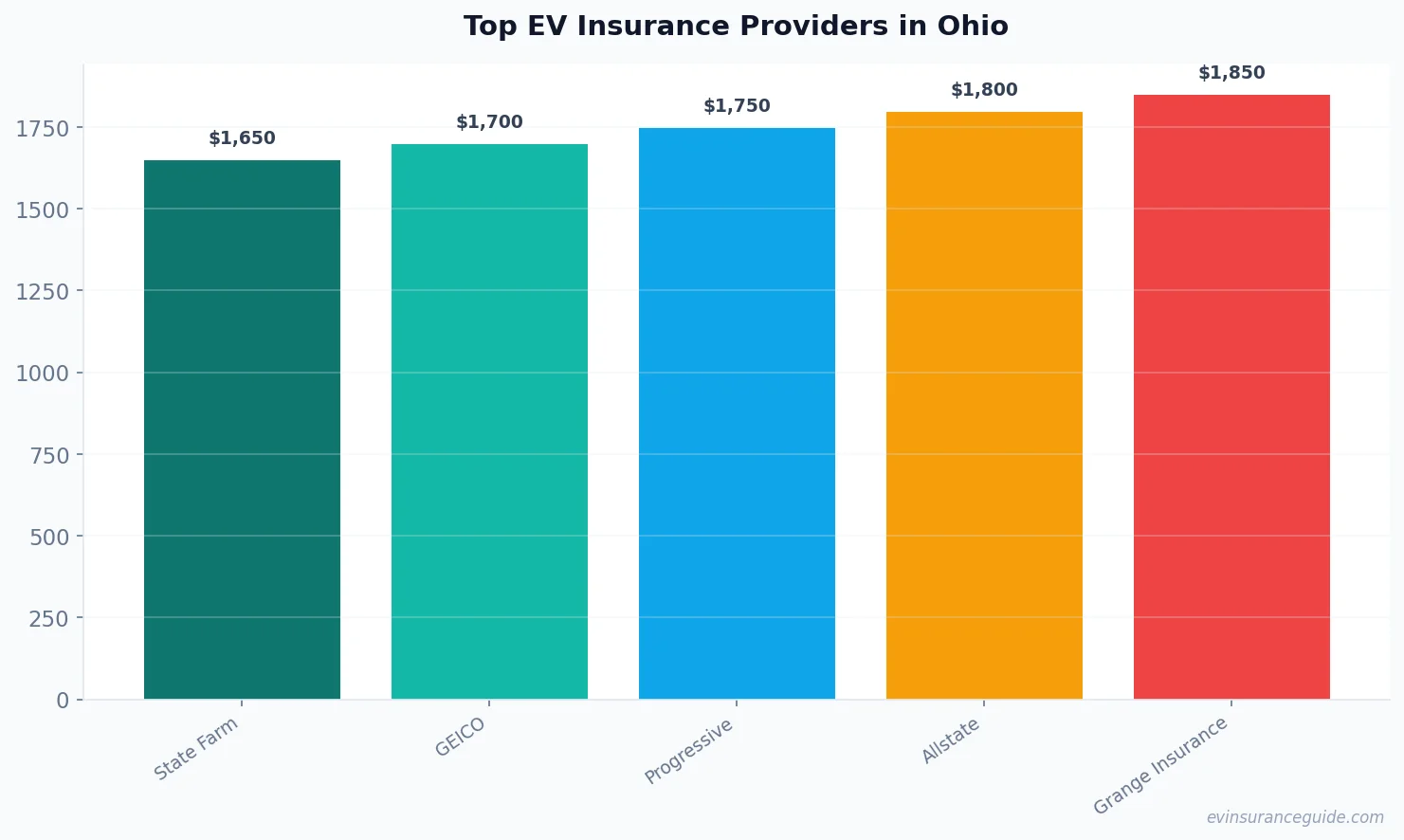
So, who are the top EV insurance providers in Ohio? Well, you've got your big players like State Farm, GEICO, and Progressive, but you've also got some great local options like Grange Insurance and Westfield Insurance. And then there's Allstate, which offers a range of discounts for EV owners, including a discount for drivers who charge their vehicles at home. But here's the thing: the best provider for you will depend on your specific needs and circumstances. For example, if you've got a clean driving record and a good credit score, you might be able to snag a great rate with GEICO. But if you've got a few tickets on your record, you might want to consider a provider like State Farm, which offers more flexible underwriting.
I've gotta say, I'm a big fan of GEICO's EV insurance policies. They offer some of the most competitive rates in the state, and their customer service is top-notch. But, you know, it's all about shopping around and finding the best provider for your needs. And don't even get me started on the importance of reading the fine print — you don't want to get stuck with a policy that doesn't cover everything you need.
WARNING — Don't Get Caught With Inadequate Coverage
So, you've got your EV insurance policy, and you're feeling good about the rate you're paying. But wait — have you read the fine print? Make sure you've got adequate coverage, including comprehensive and collision insurance. And don't forget about roadside assistance — you don't want to be stuck on the side of the road with a dead battery. According to data, around 23% of EV owners don't have adequate coverage, which can leave them vulnerable to financial losses in the event of an accident. So, take the time to review your policy and make sure you're protected.
As the owner of a Tesla Model 3, I can attest to the importance of having adequate coverage. I was in an accident last year, and my insurance provider covered the entire cost of repairs. It was a huge relief, and it just goes to show that having the right coverage can make all the difference.
What's the average annual premium for an EV in Ohio?
The average annual premium for an EV in Ohio is around $1,674. However, this can vary depending on a range of factors, including your driving record, credit score, and annual mileage.
What are the top 5 cheapest EV insurance providers in Ohio?
The top 5 cheapest EV insurance providers in Ohio are GEICO, State Farm, Progressive, Allstate, and Grange Insurance. However, it's essential to shop around and compare rates from multiple providers to find the best deal for your needs.
What's the state minimum coverage requirement for EVs in Ohio?
The state minimum coverage requirement for EVs in Ohio is 25/50/25, which means you'll need to have at least $25,000 in bodily injury liability coverage per person, $50,000 in bodily injury liability coverage per accident, and $25,000 in property damage liability coverage.
How can I get the lowest rate for my EV insurance in Ohio?
To get the lowest rate for your EV insurance in Ohio, you'll want to shop around and compare rates from multiple providers. You can also consider improving your credit score, driving safely, and taking advantage of discounts for EV owners. For example, some providers offer discounts for drivers who charge their vehicles at home or who have a clean driving record.
What are the best EVs to insure in Ohio?
Some of the best EVs to insure in Ohio include the Tesla Model 3, Hyundai Ioniq 5, and Volkswagen ID.4. These vehicles are generally less expensive to insure than other EVs on the market, and they offer a range of safety features and discounts for EV owners.
Can I compare EV insurance rates for different vehicles?
Yes, you can compare EV insurance rates for different vehicles. For example, the Tesla Model 3 has an average annual premium of around $1,800, while the Hyundai Ioniq 5 has an average annual premium of around $1,500. The Volkswagen ID.4 has an average annual premium of around $1,600, and the BMW iX has an average annual premium of around $2,000.
When it comes to EV insurance in Ohio, it's all about shopping around and finding the best provider for your needs. Don't be afraid to compare rates and ask questions — it's your money, after all. And remember, the cheapest option isn't always the best option. Make sure you're getting the coverage you need, even if it costs a bit more.
That's all from me — go save some money. — Alex