Here's a truth bomb: EV insurance is not just about the car, it's about the car's resale value. Yep, you read that right - the resale value of your electric vehicle (EV) can significantly impact your insurance rates. Sound familiar? You buy a brand new EV, thinking you're saving the planet and your wallet, only to find out your insurance premiums are through the roof. But why is that? Know what the kicker is? It's not just about the car's sticker price; it's about how much it'll be worth in a few years.
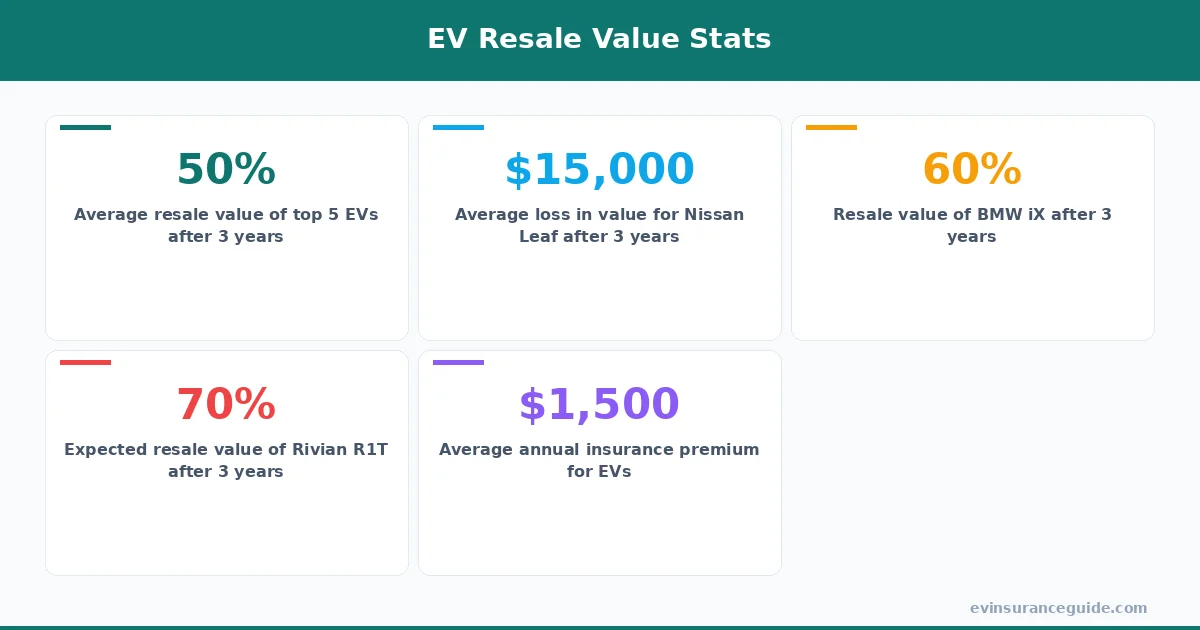
Take the Tesla Model 3, for example. It's one of the best-selling EVs on the market, but its resale value takes a hit after just a few years. According to data from Kelley Blue Book, a 2020 Tesla Model 3 can lose up to 40% of its value after just three years. That's a whopping $15,000 to $20,000 loss. Ouch! And that's not just a problem for the owner; it's also a concern for insurers. If the car's resale value plummets, the insurer's potential payout in case of an accident or theft also decreases. But, on the other hand, some EVs hold their value remarkably well. The BMW iX, for instance, retains around 60% of its value after three years. That's a significant difference, and insurers take notice.
But, let's get back to the Tesla Model 3. It's still a great car, and its resale value isn't all bad news. In fact, Tesla's over-the-air updates and continuous improvement of its Autopilot system can actually increase the car's value over time. And, if you're planning to keep your EV for an extended period, the resale value might not be as big of a concern. However, if you're planning to sell or trade-in your EV after a few years, the resale value can be a significant factor in determining your insurance rates. And, let's be real, who doesn't love a good deal? If you can get a lower insurance rate because your EV holds its value well, that's a win-win.
OK So Here's the Deal With Resale Value and EV Insurance
So, how do insurers determine the resale value of an EV? Well, it's not just about looking at the car's sticker price and subtracting a few thousand dollars. Insurers use complex algorithms that take into account various factors, including the car's make, model, year, trim level, and even its color. Yep, you read that right - the color of your EV can impact its resale value. But, that's not all. Insurers also look at the car's condition, mileage, and any custom modifications or upgrades. And, if you're planning to buy an EV, it's essential to consider these factors when making your purchasing decision.
For instance, the Hyundai Ioniq 5 is a great example of an EV that holds its value well. With its sleek design, impressive range, and affordable price point, it's no wonder this car is a favorite among EV enthusiasts. And, according to data from Edmunds, the Ioniq 5 retains around 50% of its value after three years. That's a significant difference compared to the Tesla Model 3. But, what about the Rivian R1T? This electric pickup truck is a game-changer, with its impressive range, towing capacity, and off-road capabilities. And, with its high demand and limited supply, the R1T's resale value is expected to hold up well. In fact, some estimates suggest it could retain up to 70% of its value after three years.
But, here's the thing: resale value is not the only factor that affects EV insurance rates. Insurers also look at the car's safety features, such as airbags, anti-lock brakes, and electronic stability control. And, if your EV has advanced safety features like Autopilot or adaptive cruise control, that can also impact your insurance rates. So, it's essential to consider all these factors when buying an EV and choosing an insurance policy.
Beware: The Hidden Costs of Low Resale Value EVs
So, what happens if you buy an EV with low resale value? Well, let's just say it's not pretty. Not only will you lose money when you sell or trade-in your car, but you'll also pay more for insurance. And, that's not all. If your EV has a low resale value, you might also struggle to find a buyer or get a good trade-in deal. That's a double whammy, folks. But, there's more. If your EV has a low resale value, it might also be more challenging to get a loan or lease. Lenders and leasing companies typically look at the car's resale value when determining the loan or lease terms. So, if your EV has a low resale value, you might end up with a higher interest rate or less favorable terms.
For example, let's say you buy a 2022 Nissan Leaf for $35,000. After three years, the car's resale value has dropped to $20,000. That's a loss of $15,000, which is a significant amount. And, if you're planning to sell or trade-in your car, that's a big hit. But, it gets worse. If you're still paying off the loan or lease, you might end up owing more on the car than it's worth. That's called being "upside-down" on your loan or lease, and it's a terrible feeling. But, there's a way to avoid this trap. By choosing an EV with high resale value, you can minimize your losses and avoid the hassle of dealing with a low-value car.
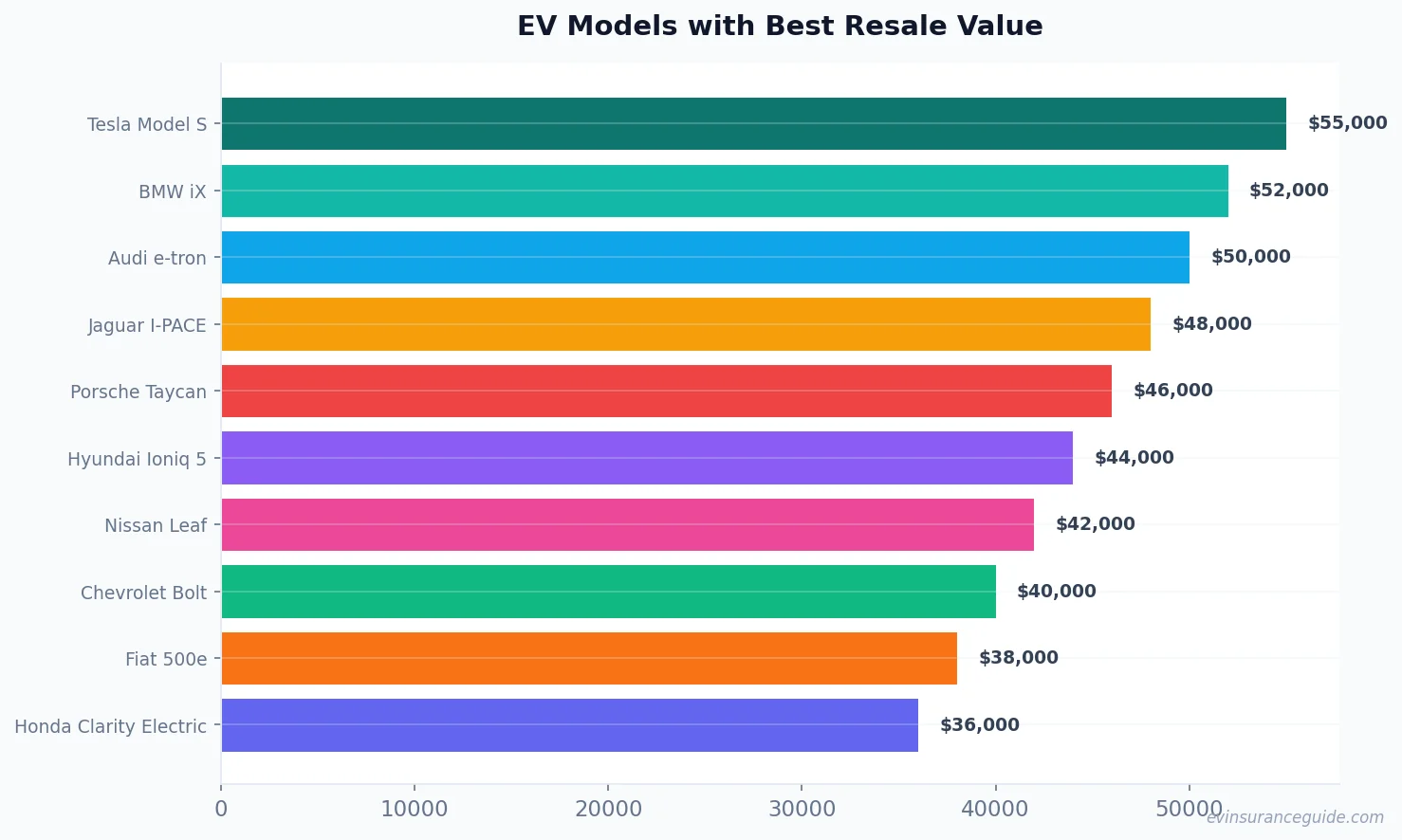
But, don't just take my word for it. Let's look at some data. According to a study by iSeeCars, the top 5 EVs with the lowest resale value are the Nissan Leaf, Chevrolet Bolt, Fiat 500e, Honda Clarity Electric, and Hyundai Kona Electric. These cars lose between 50% to 60% of their value after three years. That's a significant drop, and it's essential to consider this when buying an EV. On the other hand, the top 5 EVs with the highest resale value are the Tesla Model S, BMW iX, Audi e-tron, Jaguar I-PACE, and Porsche Taycan. These cars retain between 50% to 60% of their value after three years.
Here's a Story About EV Resale Value That'll Blow Your Mind
I know a guy, let's call him Dave, who bought a brand new Tesla Model S back in 2018. He paid around $100,000 for the car, which was a lot of money at the time. But, Dave was convinced that the car would hold its value well, and he was willing to pay a premium for it. Fast forward to 2022, and Dave decides to sell his Model S. He's expecting to get a good price for it, considering it's a Tesla and all. But, when he lists the car for sale, he's shocked to find out that its resale value has dropped to around $60,000. That's a loss of $40,000, which is a significant amount. But, here's the thing: Dave's not alone. Many EV owners have experienced similar losses, and it's essential to consider this when buying an EV.
But, Dave's story doesn't end there. He decides to do some research and finds out that the Tesla Model S has a high resale value compared to other EVs. In fact, according to data from Kelley Blue Book, the Model S retains around 50% of its value after three years. That's a significant difference compared to other EVs, and it's a testament to Tesla's brand loyalty and reputation. But, what about other EVs? How do they stack up in terms of resale value? Well, let's just say it's a mixed bag. Some EVs, like the Hyundai Ioniq 5, hold their value remarkably well, while others, like the Nissan Leaf, don't fare so well.
And, let's not forget about the Rivian R1T. This electric pickup truck is a game-changer, with its impressive range, towing capacity, and off-road capabilities. And, with its high demand and limited supply, the R1T's resale value is expected to hold up well. In fact, some estimates suggest it could retain up to 70% of its value after three years. That's a significant difference compared to other EVs, and it's essential to consider this when buying an EV.
Honestly, EV Resale Value Is a Big Deal
Look, I'm not gonna sugarcoat it. EV resale value is a big deal, and it's essential to consider it when buying an EV. I mean, think about it. If you're planning to keep your EV for an extended period, the resale value might not be as big of a concern. But, if you're planning to sell or trade-in your car after a few years, the resale value can be a significant factor in determining your insurance rates. And, let's be real, who doesn't love a good deal? If you can get a lower insurance rate because your EV holds its value well, that's a win-win.
But, here's the thing: EV resale value is not just about the car itself. It's also about the brand, the model, and the overall demand for the car. For example, the Tesla Model 3 is a highly sought-after car, and its resale value reflects that. According to data from Edmunds, the Model 3 retains around 50% of its value after three years. That's a significant difference compared to other EVs, and it's a testament to Tesla's brand loyalty and reputation. But, what about other EVs? How do they stack up in terms of resale value? Well, let's just say it's a mixed bag.
And, let's not forget about the costs. If you're planning to buy an EV with low resale value, you might end up paying more for insurance. And, that's not all. You might also struggle to find a buyer or get a good trade-in deal. That's a double whammy, folks. But, there's a way to avoid this trap. By choosing an EV with high resale value, you can minimize your losses and avoid the hassle of dealing with a low-value car. So, do your research, and don't be afraid to ask questions. It's your money, and you should be smart about how you spend it.
5 EVs with the Highest Resale Value
So, which EVs have the highest resale value? Well, let's take a look. According to data from Kelley Blue Book, the top 5 EVs with the highest resale value are the Tesla Model S, BMW iX, Audi e-tron, Jaguar I-PACE, and Porsche Taycan. These cars retain between 50% to 60% of their value after three years, which is a significant difference compared to other EVs. But, what about other EVs? How do they stack up in terms of resale value? Well, let's just say it's a mixed bag. Some EVs, like the Hyundai Ioniq 5, hold their value remarkably well, while others, like the Nissan Leaf, don't fare so well.
But, here's the thing: EV resale value is not just about the car itself. It's also about the brand, the model, and the overall demand for the car. For example, the Tesla Model 3 is a highly sought-after car, and its resale value reflects that. According to data from Edmunds, the Model 3 retains around 50% of its value after three years. That's a significant difference compared to other EVs, and it's a testament to Tesla's brand loyalty and reputation. But, what about other EVs? How do they stack up in terms of resale value? Well, let's just say it's a mixed bag.
And, let's not forget about the costs. If you're planning to buy an EV with low resale value, you might end up paying more for insurance. And, that's not all. You might also struggle to find a buyer or get a good trade-in deal. That's a double whammy, folks. But, there's a way to avoid this trap. By choosing an EV with high resale value, you can minimize your losses and avoid the hassle of dealing with a low-value car. So, do your research, and don't be afraid to ask questions. It's your money, and you should be smart about how you spend it.
Q: How does EV resale value affect insurance rates?
A: EV resale value can significantly impact insurance rates. If your EV has a high resale value, you might qualify for lower insurance rates. On the other hand, if your EV has a low resale value, you might end up paying more for insurance. According to data from the National Association of Insurance Commissioners, the average annual insurance premium for an EV is around $1,500. However, this number can vary significantly depending on the EV's resale value. For example, if you own a Tesla Model S, which retains around 50% of its value after three years, you might qualify for a lower insurance rate compared to someone who owns a Nissan Leaf, which loses around 50% of its value after three years.
Q: Which EVs have the highest resale value?
A: According to data from Kelley Blue Book, the top 5 EVs with the highest resale value are the Tesla Model S, BMW iX, Audi e-tron, Jaguar I-PACE, and Porsche Taycan. These cars retain between 50% to 60% of their value after three years, which is a significant difference compared to other EVs. But, what about other EVs? How do they stack up in terms of resale value? Well, let's just say it's a mixed bag. Some EVs, like the Hyundai Ioniq 5, hold their value remarkably well, while others, like the Nissan Leaf, don't fare so well.
Q: How can I determine the resale value of my EV?
A: Determining the resale value of your EV can be a complex process, but there are several tools and resources available to help you. One of the most popular tools is the Kelley Blue Book (KBB) pricing guide, which provides detailed information on the resale value of various EVs. You can also use online pricing guides like Edmunds or NADAguides to get an estimate of your EV's resale value. Additionally, you can consult with a local dealer or a professional appraiser to get a more accurate assessment of your EV's value.
Q: Can I negotiate the resale value of my EV with the dealer?
A: Yes, you can negotiate the resale value of your EV with the dealer. In fact, negotiating the resale value is a common practice in the car-buying process. When you're trading in your EV, the dealer will typically give you a lowball offer, which you can then negotiate. It's essential to do your research and know the market value of your EV before negotiating with the dealer. You can use tools like KBB or Edmunds to get an estimate of your EV's resale value, and then use that information to negotiate a better deal.
Q: How does the brand reputation affect the resale value of an EV? A: The brand reputation can significantly impact the resale value of an EV. For example, Tesla is known for its high-quality cars and strong brand loyalty, which contributes to its high resale value. On the other hand, brands like Nissan or Fiat might not have the same level of brand recognition or loyalty, which can affect the resale value of their EVs. According to a study by J.D. Power, the top 5 brands with the highest resale value are Tesla, BMW, Audi, Jaguar, and Porsche. These brands are known for their high-quality cars, strong brand reputation, and loyal customer base, which all contribute to their high resale value.
Q: Can I improve the resale value of my EV?
A: Yes, there are several ways to improve the resale value of your EV. One of the most effective ways is to keep your car in good condition, both cosmetically and mechanically. Regular maintenance, such as oil changes and tire rotations, can help extend the life of your car and maintain its value. Additionally, you can consider upgrading your car with advanced safety features or infotainment systems, which can increase its appeal to potential buyers. You can also consider getting a certified pre-owned (CPO) vehicle, which can provide an additional layer of protection and warranty, making it more attractive to buyers.
So, there you have it. EV resale value is a big deal, and it's essential to consider it when buying an EV. By choosing an EV with high resale value, you can minimize your losses and avoid the hassle of dealing with a low-value car. And, remember: the best policy is the one you actually understand. — Alex