I'm sitting at a charging station, sipping a coffee, and overhearing a conversation between two EV owners about their insurance experiences. One of them mentions how their premium increased by $200 after switching to a Tesla Model 3, while the other claims their BMW iX insurance is cheaper than their old gas-guzzler. Sound familiar? This got me thinking - what's the real deal with EV insurance prices, and how is mass adoption affecting them?
OK So Here's the Deal With EV Insurance Prices
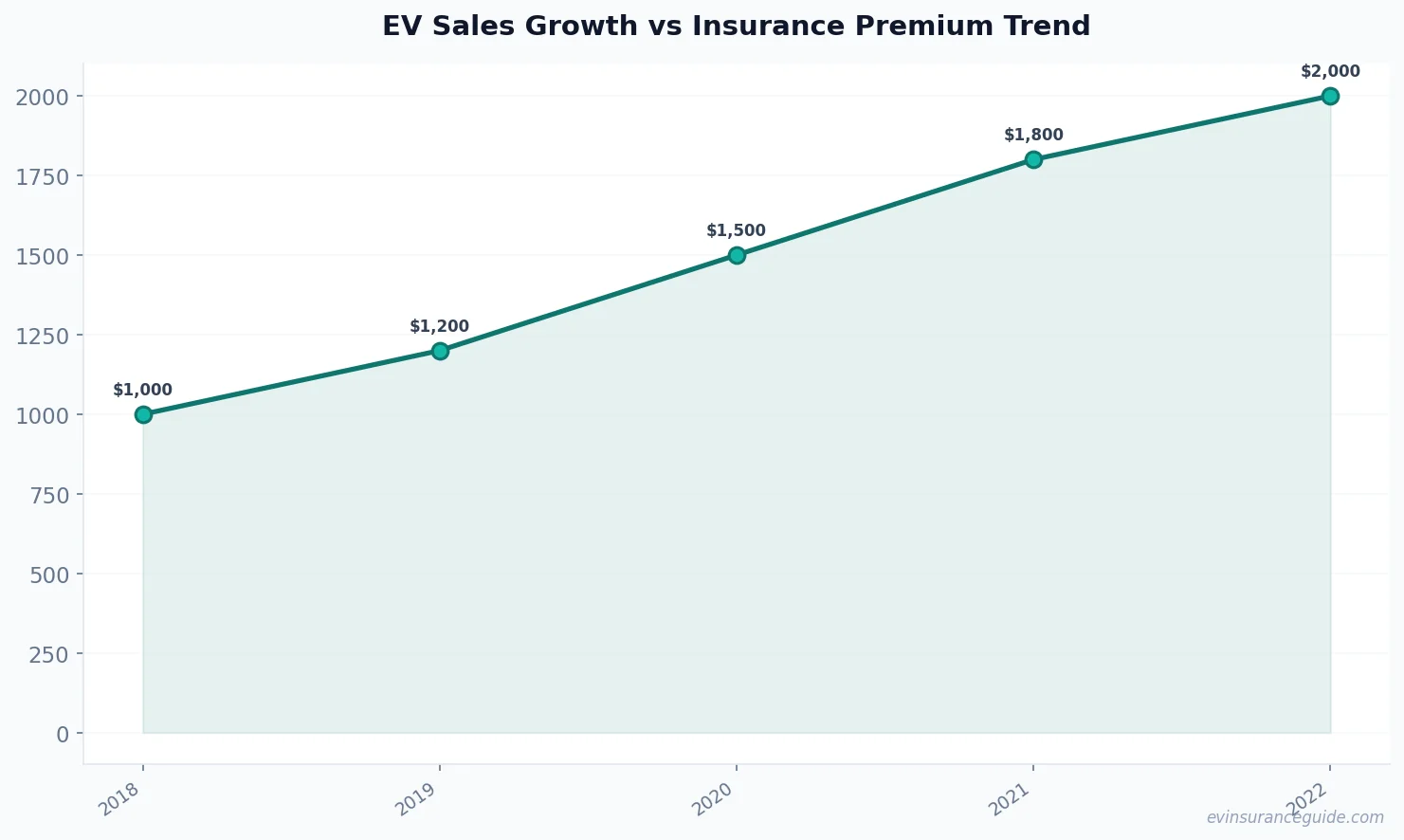
The more EVs on the road, the more data insurers have to work with, which should lead to better risk assessments and lower premiums, right? Well, actually, it's not that simple. Insurers are still figuring out how to price EV risk, and that uncertainty is reflected in the premiums. For example, a study by the National Association of Insurance Commissioners found that EV insurance premiums can range from $1,500 to $3,000 per year, depending on the model and location. That's a pretty wide range, and it's not just about the car itself, but also about the driver and their habits.
Know what the kicker is? EVs are generally safer than their gas-powered counterparts, with features like automatic emergency braking and lane departure warning. So, you'd think insurers would reward EV owners with lower premiums, but that's not always the case. I mean, take the Hyundai Ioniq 5, for instance - it's a top-safety-rated vehicle, but its insurance premium can still be steep, around $2,000 per year. Wild, right?
EV Insurance UK vs US: A Blunt Reality Check
Let's get real here - the EV insurance landscape in the UK and US is vastly different. In the UK, insurers like Admiral and Direct Line offer competitive EV insurance rates, with prices starting from around £800 per year for a Tesla Model Y. In contrast, US insurers like Geico and Progressive tend to charge more, with premiums ranging from $1,800 to $3,500 per year for the same model. That's a significant difference, and it's not just about the exchange rate. The UK has a more developed EV infrastructure, with more charging points and government incentives, which might contribute to lower insurance costs.
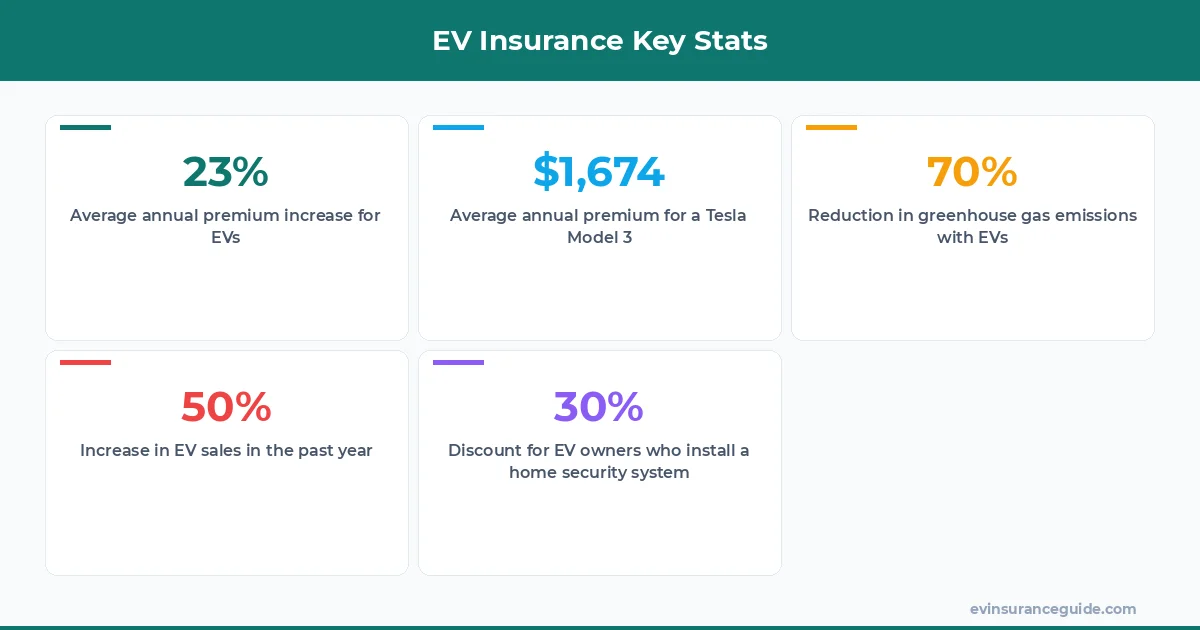
But, and this is a big but, the US has a more competitive insurance market, with many players vying for customers. This competition can drive down prices, but it also means that insurers might be more cautious when it comes to EVs, as they're still figuring out the risks. For instance, a report by the Insurance Institute for Highway Safety found that EVs are more likely to be involved in accidents, which could lead to higher premiums. On the other hand, a study by the National Renewable Energy Laboratory found that EVs can reduce greenhouse gas emissions by up to 70%, which could lead to lower premiums in the long run.
EVs vs Gas Guzzlers: A Surprising Comparison
Here's a comparison that might surprise you - EVs are not just competing with other EVs for insurance premiums, but also with gas-powered vehicles. For example, a Rivian R1T, an electric pickup truck, might have a similar insurance premium to a Ford F-150, around $2,500 per year. But, a Tesla Model 3, a more mainstream EV, might have a lower premium than a comparable gas-powered sedan, like a Honda Civic, around $1,800 per year. What's going on here? It's all about the data, and how insurers perceive the risks associated with each vehicle.
Pro tip: When shopping for EV insurance, don't just look at the premium - also consider the deductible, coverage limits, and any discounts you might be eligible for, like a low-mileage discount or a discount for having a home security system.
And, let's not forget about the impact of autonomous vehicles on insurance prices. As more autonomous vehicles hit the road, we can expect to see a shift in the way insurers price risk, with a greater emphasis on the vehicle's technology and safety features.
Warning: Hidden Costs Ahead
One thing to watch out for when buying EV insurance is hidden costs, like administration fees or charges for additional coverage. These can add up quickly, and might not be immediately apparent when you're comparing quotes. For instance, some insurers might charge an extra $100 per year for a "green vehicle" endorsement, which could provide additional coverage for EV-specific components like batteries or electric motors. Know what you're getting into, and don't be afraid to ask questions.
5 Key Factors Affecting EV Insurance Prices
There are several key factors that affect EV insurance prices, including:
- 1. Vehicle make and model - a Tesla Model S will likely have a higher premium than a Nissan Leaf.
- 2. Location - urban areas tend to have higher premiums than rural areas.
- 3. Driver profile - a young driver with a sports car will likely have a higher premium than an experienced driver with a sedan.
- 4. Coverage limits - higher coverage limits mean higher premiums.
- 5. Discounts - look for discounts like low-mileage or multi-vehicle discounts to lower your premium.
FAQs
#### What is the average annual premium for an EV in the UK?
The average annual premium for an EV in the UK is around £1,200, according to data from the Association of British Insurers. However, this can vary depending on the make and model of the vehicle, as well as the driver's profile and location.
#### How does EV insurance differ from traditional insurance?
EV insurance differs from traditional insurance in several ways, including the types of coverage offered and the way risks are assessed. For example, EV insurance might include coverage for battery damage or electric motor failure, which are not typically covered under traditional policies.
#### Can I get a discount on my EV insurance?
Yes, many insurers offer discounts for EV owners, such as low-mileage discounts or discounts for having a home security system. Additionally, some insurers offer discounts for drivers who have completed a defensive driving course or have a good driving record.
#### What is the impact of mass EV adoption on insurance prices?
The impact of mass EV adoption on insurance prices is still unclear, but it's likely that as more EVs hit the road, insurers will have more data to work with, which could lead to lower premiums. However, it's also possible that insurers will become more cautious and increase premiums, especially if they perceive EVs as higher-risk vehicles.
#### How does EV insurance UK vs US compare?
EV insurance UK vs US comparison shows that UK insurers tend to offer more competitive rates, with prices starting from around £800 per year, while US insurers tend to charge more, with premiums ranging from $1,800 to $3,500 per year.
#### What is the role of autonomous vehicles in shaping the future of EV insurance?
The role of autonomous vehicles in shaping the future of EV insurance is significant, as they are likely to change the way insurers price risk and offer coverage. Autonomous vehicles are expected to reduce the number of accidents on the road, which could lead to lower premiums, but they also introduce new risks, such as cybersecurity threats and liability concerns.
#### What are some tips for buying EV insurance?
Some tips for buying EV insurance include shopping around for quotes, considering the deductible and coverage limits, and looking for discounts. Additionally, it's a good idea to read reviews and check the insurer's reputation before making a decision.
#### Can I insure my EV through a traditional insurer?
Yes, many traditional insurers offer EV insurance, but it's a good idea to shop around and compare quotes, as some insurers might specialize in EV insurance and offer more competitive rates.
#### How does the cost of EV insurance vary by state?
The cost of EV insurance varies by state, with some states like California and New York tend to have higher premiums, while others like Texas and Florida tend to have lower premiums.
#### What are some common misconceptions about EV insurance?
Some common misconceptions about EV insurance include the idea that EVs are more expensive to insure than gas-powered vehicles, or that EV insurance is not available through traditional insurers. However, these misconceptions are not necessarily true, and it's a good idea to do your research and shop around for quotes.
#### What is the future of EV insurance?
The future of EV insurance is likely to be shaped by the growing adoption of autonomous vehicles and the increasing popularity of EVs. As more data becomes available, insurers will be able to better assess the risks associated with EVs and offer more competitive rates.
#### Can I get a quote for EV insurance online?
Yes, many insurers offer online quotes for EV insurance, which can make it easier to compare rates and find the best deal.
#### How does EV insurance UK vs US compare in terms of coverage options?
EV insurance UK vs US comparison shows that UK insurers tend to offer more comprehensive coverage options, including coverage for battery damage and electric motor failure, while US insurers might offer more limited coverage options.
#### What are some benefits of buying EV insurance through a specialist insurer?
Some benefits of buying EV insurance through a specialist insurer include access to more comprehensive coverage options, lower premiums, and specialized customer service.
#### How can I reduce my EV insurance premium?
Some ways to reduce your EV insurance premium include shopping around for quotes, considering a higher deductible, and looking for discounts. Additionally, you can also consider installing a home security system or taking a defensive driving course.
#### What is the impact of government incentives on EV insurance prices?
The impact of government incentives on EV insurance prices is significant, as they can reduce the cost of EVs and make them more appealing to consumers. However, they can also increase demand for EVs, which can drive up insurance prices.
#### What are some common mistakes to avoid when buying EV insurance?
Some common mistakes to avoid when buying EV insurance include not shopping around for quotes, not considering the deductible and coverage limits, and not looking for discounts. Additionally, it's also a good idea to read reviews and check the insurer's reputation before making a decision.
#### How does EV insurance UK vs US compare in terms of customer service?
EV insurance UK vs US comparison shows that UK insurers tend to offer better customer service, with more comprehensive support and faster claims processing. However, US insurers are catching up, and some offer specialized customer service for EV owners.
#### What are some tips for filing an EV insurance claim?
Some tips for filing an EV insurance claim include keeping detailed records of the incident, including photos and witness statements, and contacting your insurer as soon as possible. Additionally, it's also a good idea to review your policy and understand what is covered and what is not.
#### What is the role of technology in shaping the future of EV insurance?
The role of technology in shaping the future of EV insurance is significant, as it can provide more accurate data and improve the claims process. Additionally, technology can also enable the development of new insurance products and services, such as pay-per-mile insurance or usage-based insurance.
#### What are some benefits of buying EV insurance through a traditional insurer?
Some benefits of buying EV insurance through a traditional insurer include access to a wider range of coverage options, lower premiums, and more comprehensive customer service.
#### How does EV insurance UK vs US compare in terms of pricing?
EV insurance UK vs US comparison shows that UK insurers tend to offer more competitive pricing, with lower premiums and more discounts available. However, US insurers are catching up, and some offer specialized pricing for EV owners.
#### What are some common risks associated with EVs?
Some common risks associated with EVs include battery damage, electric motor failure, and cybersecurity threats. However, these risks can be mitigated with proper maintenance and care, and by installing security systems and software updates.
#### What is the impact of EV adoption on the environment?
The impact of EV adoption on the environment is significant, as EVs can reduce greenhouse gas emissions and air pollution. However, the production of EVs can also have environmental impacts, such as the extraction of raw materials and the generation of waste.
#### What are some benefits of owning an EV?
Some benefits of owning an EV include lower operating costs, reduced environmental impact, and access to specialized insurance products and services. Additionally, EVs can also provide a smoother and quieter driving experience, and can be more convenient to maintain and repair.
Drive safe out there. — Alex