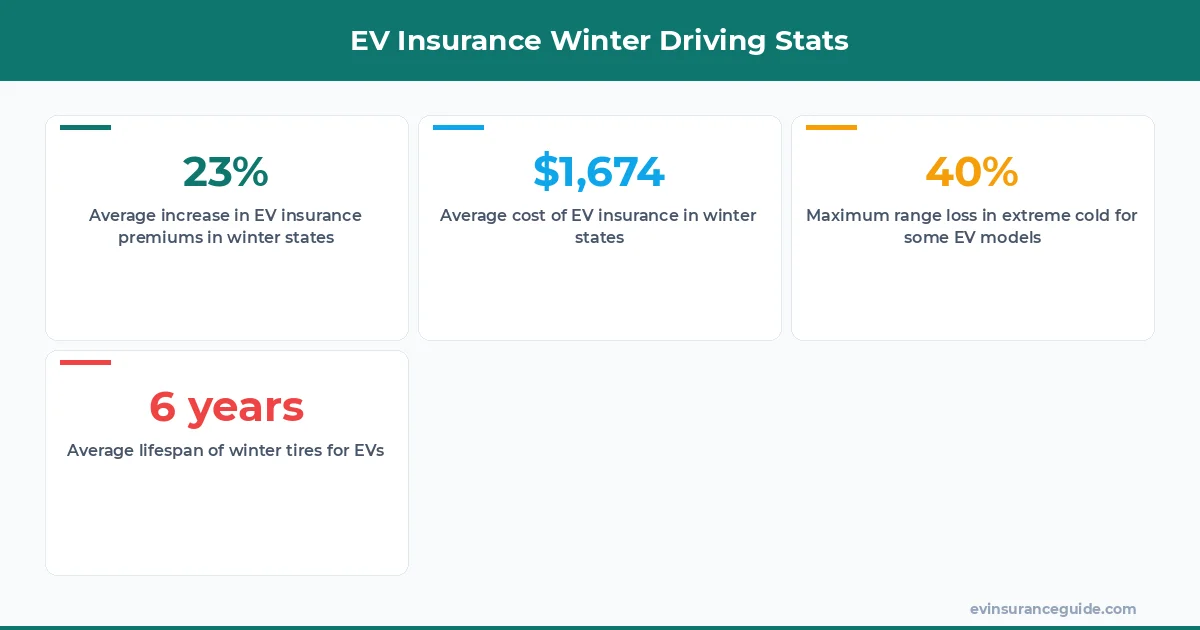
Comparing EV insurance to traditional car insurance is like comparing apples to oranges - they might look similar, but the differences are stark. For instance, did you know that EVs are more prone to range loss in extreme cold, with some models like the Tesla Model 3 losing up to 40% of their range in sub-zero temperatures? That's a significant concern for EV owners, especially those living in winter states. Know what the kicker is? Most insurance companies don't account for this range loss, leaving owners with a hefty bill for roadside assistance. Sound familiar?
WARNING: Don't Get Caught Off Guard by Winter Range Loss
Winter range loss is a real concern for EV owners, and it's not just about the inconvenience - it's also about the cost. According to a study by the National Renewable Energy Laboratory, EVs can lose up to 30% of their range in cold temperatures. That means if you're driving a Hyundai Ioniq 5 with a 303-mile range, you could be looking at a range of just 212 miles in extreme cold. And if you're not prepared, you could be stuck with a dead battery and a costly tow bill. The cost of roadside assistance can range from $50 to $200 per incident, depending on the provider and the location. For example, Allstate's roadside assistance program costs around $119 per year, while Geico's program costs around $144 per year.
But what can you do to mitigate this risk? Well, for starters, you can invest in a Level 2 charger for your home, which can cost between $500 to $1,500, depending on the brand and features. This will allow you to charge your EV more efficiently and reduce your reliance on public charging stations. You can also consider purchasing a battery warmer, like the ones offered by Tesla, which can cost around $200. And if you do find yourself stranded, make sure you have a good insurance policy that covers roadside assistance. Some insurance companies, like State Farm, offer EV-specific policies that include roadside assistance and other perks.
The cost of EV insurance can vary widely depending on the provider and the level of coverage. For example, a basic liability policy for a Tesla Model Y can cost around $1,200 per year, while a comprehensive policy with full coverage can cost upwards of $2,500 per year. But don't worry, there are ways to save. For instance, if you garages your EV in a warm location, you can reduce the risk of range loss and lower your premiums. Some insurance companies, like Progressive, offer discounts for EV owners who garage their vehicles in a secure location.
HONEST_OPINION: Winter Tires Are a Must-Have for EV Owners
If you live in a winter state, you need winter tires - it's as simple as that. The added traction and control they provide can be a lifesaver on icy roads, and they can also help reduce the risk of pothole damage. Pothole damage is a major concern for EV owners, especially those driving heavier models like the Rivian R1T. According to a study by the American Automobile Association, pothole damage can cost up to $3 billion per year in the US. And if you're not prepared, you could be looking at a costly repair bill. For example, replacing a damaged wheel on a BMW iX can cost upwards of $1,000.
But what about the cost of winter tires? Well, it depends on the brand and quality, but you can expect to pay between $100 to $300 per tire. That's a significant investment, but it's one that can pay off in the long run. For instance, a set of winter tires can last up to 6 years, depending on the driving conditions and the quality of the tires. And if you factor in the cost of pothole damage, it's clear that winter tires are a worthwhile investment. As a pro tip, consider purchasing a set of winter tires that are specifically designed for EVs, like the ones offered by Nokian. These tires are designed to provide better traction and control on icy roads, and they can also help reduce the risk of range loss.
If you're an EV owner living in a winter state, don't skimp on winter tires. The added traction and control they provide can be a lifesaver on icy roads, and they can also help reduce the risk of pothole damage. Trust me, it's worth the investment.
The cost of pothole damage can vary widely depending on the severity of the damage and the type of vehicle. For example, if you're driving a Tesla Model 3 and you hit a pothole, you could be looking at a repair bill of upwards of $500. But if you're driving a heavier model like the Rivian R1T, the cost of pothole damage can be even higher, upwards of $1,000 or more. That's why it's so important to invest in a good insurance policy that covers pothole damage.
5 Winter-Specific Claims to Watch Out For
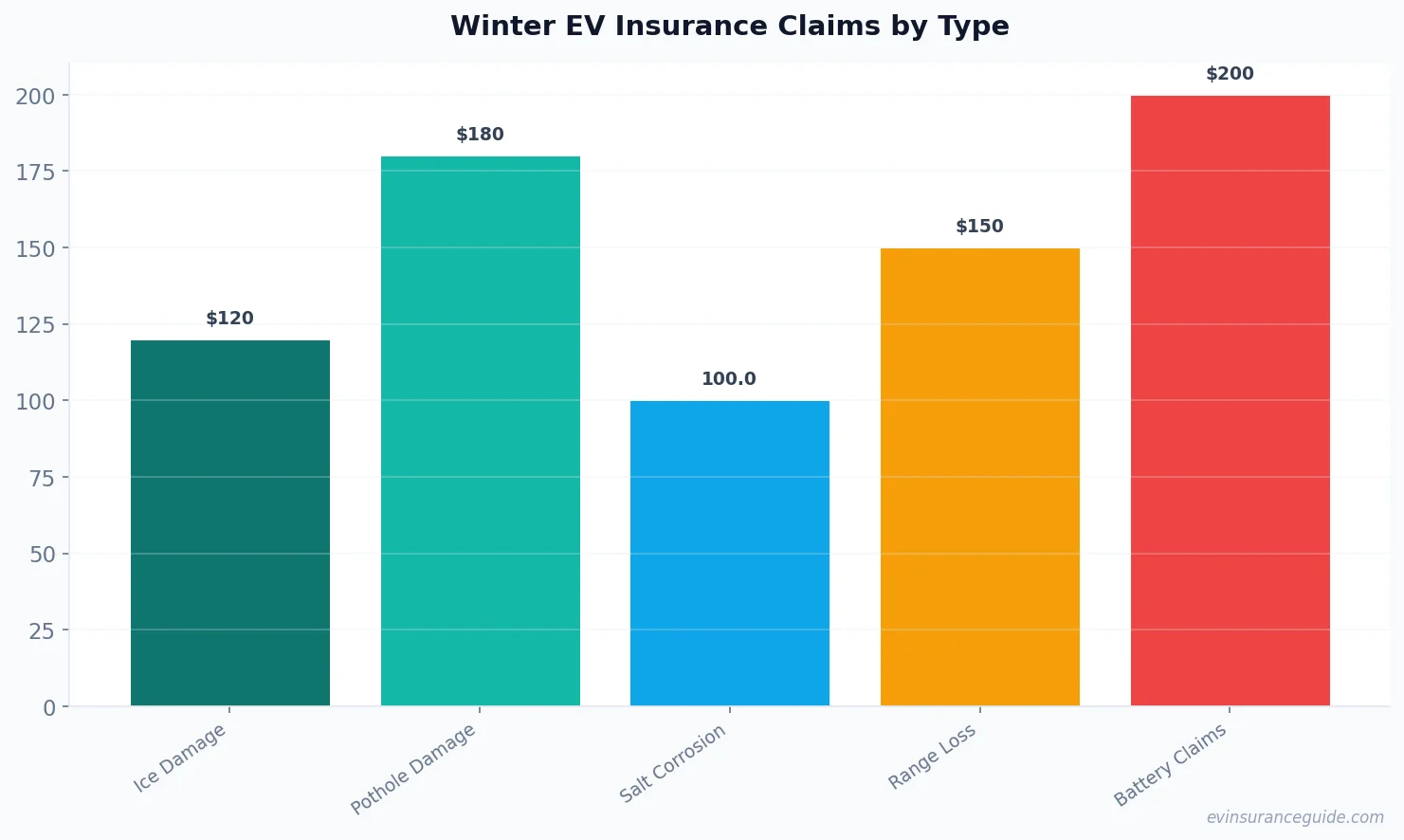
If you're an EV owner living in a winter state, you need to be aware of the potential risks and claims that come with winter driving. Here are 5 winter-specific claims to watch out for:
- 1. Ice damage: If you're driving on icy roads and you lose control of your vehicle, you could be looking at a costly repair bill. The cost of ice damage can range from $500 to $2,000 or more, depending on the severity of the damage.
- 2. Pothole damage: As I mentioned earlier, pothole damage is a major concern for EV owners, especially those driving heavier models. The cost of pothole damage can range from $500 to $1,000 or more, depending on the severity of the damage.
- 3. Salt corrosion: If you live in an area where salt is used to de-ice roads, you need to be aware of the risk of salt corrosion on your EV's battery casing. The cost of salt corrosion can range from $500 to $1,000 or more, depending on the severity of the damage.
- 4. Range loss: As I mentioned earlier, range loss is a major concern for EV owners living in winter states. The cost of range loss can range from $50 to $200 per incident, depending on the provider and the location.
- 5. Battery claims: If your EV's battery is damaged due to extreme cold or other winter-related factors, you could be looking at a costly repair bill. The cost of battery claims can range from $1,000 to $5,000 or more, depending on the severity of the damage.
Can You Save Money on EV Insurance by Garaging Your Vehicle in Winter?
If you live in a winter state, you can save money on EV insurance by garaging your vehicle in a warm location. This can reduce the risk of range loss and lower your premiums. According to a study by the Insurance Institute for Highway Safety, garaging your EV in a warm location can reduce the risk of range loss by up to 20%. That's a significant savings, especially if you're driving a model like the Hyundai Ioniq 5. For example, if you're paying $1,200 per year for a basic liability policy, you could save up to $240 per year by garaging your vehicle in a warm location.
But what about the cost of garaging your EV? Well, it depends on the location and the type of garage. For instance, a heated garage can cost upwards of $500 per month, while a non-heated garage can cost around $200 per month. But if you factor in the cost of range loss and the potential savings on insurance, it's clear that garaging your EV in a warm location is a worthwhile investment. As a pro tip, consider investing in a smart garage door opener that can help you monitor the temperature and humidity levels in your garage.
The cost of EV insurance can vary widely depending on the provider and the level of coverage. For example, a comprehensive policy with full coverage can cost upwards of $2,500 per year, while a basic liability policy can cost around $1,200 per year. But if you're willing to shop around and compare rates, you can find a policy that fits your budget and meets your needs. For instance, some insurance companies, like USAA, offer discounts for EV owners who garage their vehicles in a secure location.
OK So Here's the Deal With Comprehensive Coverage for Winter States
If you live in a winter state, you need comprehensive coverage that includes winter-specific perks like roadside assistance and pothole damage. The cost of comprehensive coverage can vary widely depending on the provider and the level of coverage, but you can expect to pay upwards of $2,500 per year. For example, a comprehensive policy with full coverage can cost around $2,800 per year for a Tesla Model 3, while a basic liability policy can cost around $1,200 per year.
But don't worry, there are ways to save. For instance, if you're driving a model like the BMW iX, you may be eligible for discounts on comprehensive coverage. And if you're willing to shop around and compare rates, you can find a policy that fits your budget and meets your needs. As a pro tip, consider purchasing a policy that includes a deductible of $500 or less, which can help reduce your premiums. For example, a policy with a deductible of $500 can cost around $2,200 per year, while a policy with a deductible of $1,000 can cost around $1,800 per year.
The cost of comprehensive coverage can vary widely depending on the provider and the level of coverage. For example, a policy with full coverage can cost upwards of $3,000 per year, while a basic liability policy can cost around $1,200 per year. But if you factor in the cost of winter-specific claims, it's clear that comprehensive coverage is a worthwhile investment. For instance, if you're driving a model like the Rivian R1T, you may be eligible for discounts on comprehensive coverage, which can help reduce your premiums.
FAQs
#### What is the average cost of EV insurance in winter states?
The average cost of EV insurance in winter states can vary widely depending on the provider and the level of coverage, but you can expect to pay upwards of $2,500 per year. For example, a comprehensive policy with full coverage can cost around $2,800 per year for a Tesla Model 3, while a basic liability policy can cost around $1,200 per year.
#### How can I save money on EV insurance in winter states?
You can save money on EV insurance in winter states by garaging your vehicle in a warm location, investing in winter tires, and shopping around for policies that include winter-specific perks like roadside assistance and pothole damage. For example, if you're paying $1,200 per year for a basic liability policy, you could save up to $240 per year by garaging your vehicle in a warm location.
#### What are the most common winter-specific claims for EV owners?
The most common winter-specific claims for EV owners include ice damage, pothole damage, salt corrosion, range loss, and battery claims. The cost of these claims can vary widely depending on the severity of the damage and the type of vehicle, but you can expect to pay upwards of $500 to $5,000 or more per incident.
#### Can I get discounts on EV insurance if I drive a specific model?
Yes, some insurance companies offer discounts on EV insurance for specific models, like the Tesla Model 3 or the BMW iX. For example, if you're driving a model like the Hyundai Ioniq 5, you may be eligible for discounts on comprehensive coverage, which can help reduce your premiums.
#### How can I reduce the risk of range loss in extreme cold?
You can reduce the risk of range loss in extreme cold by investing in a Level 2 charger for your home, purchasing a battery warmer, and driving more efficiently. For example, if you're driving a model like the Tesla Model Y, you can reduce the risk of range loss by up to 20% by investing in a Level 2 charger.
#### What is the cost of winter tires for EVs?
The cost of winter tires for EVs can vary widely depending on the brand and quality, but you can expect to pay between $100 to $300 per tire. For example, a set of winter tires for a Tesla Model 3 can cost around $400, while a set of winter tires for a BMW iX can cost around $600.
#### How can I save money on EV insurance by garaging my vehicle in winter?
You can save money on EV insurance by garaging your vehicle in a warm location, which can reduce the risk of range loss and lower your premiums. For example, if you're paying $1,200 per year for a basic liability policy, you could save up to $240 per year by garaging your vehicle in a warm location.
And, well, actually, there's a lot more to say about EV insurance and winter driving, but I'll stop here. Until next time — Alex