72% of electric vehicle owners don't realize they're at risk of owing thousands if their car is totaled or stolen. That's a staggering statistic, especially when you consider the high upfront costs of EVs like the Tesla Model 3 or BMW iX. I've seen it happen to friends and family members - they thought they were covered, but ended up with a huge bill. Sound familiar?
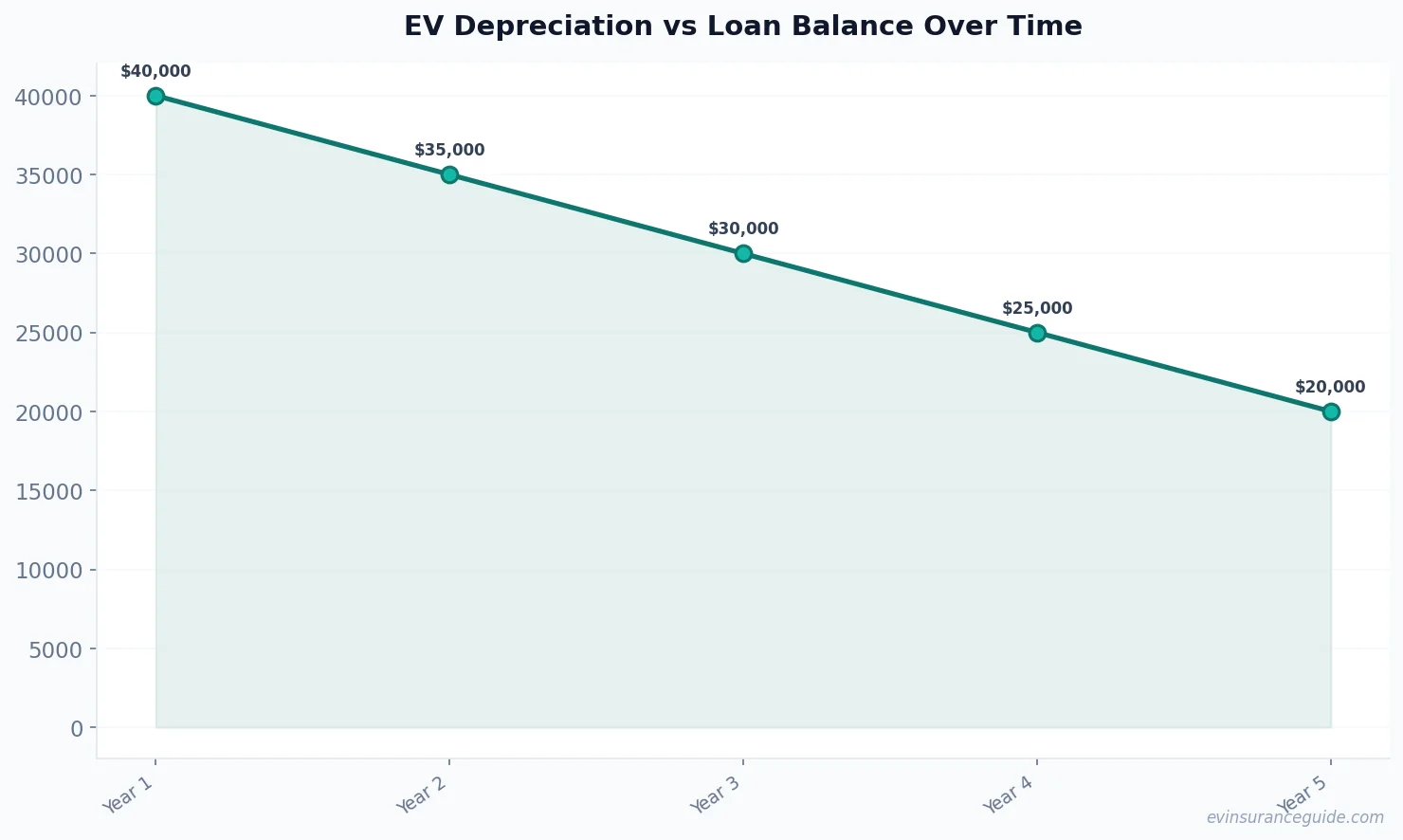
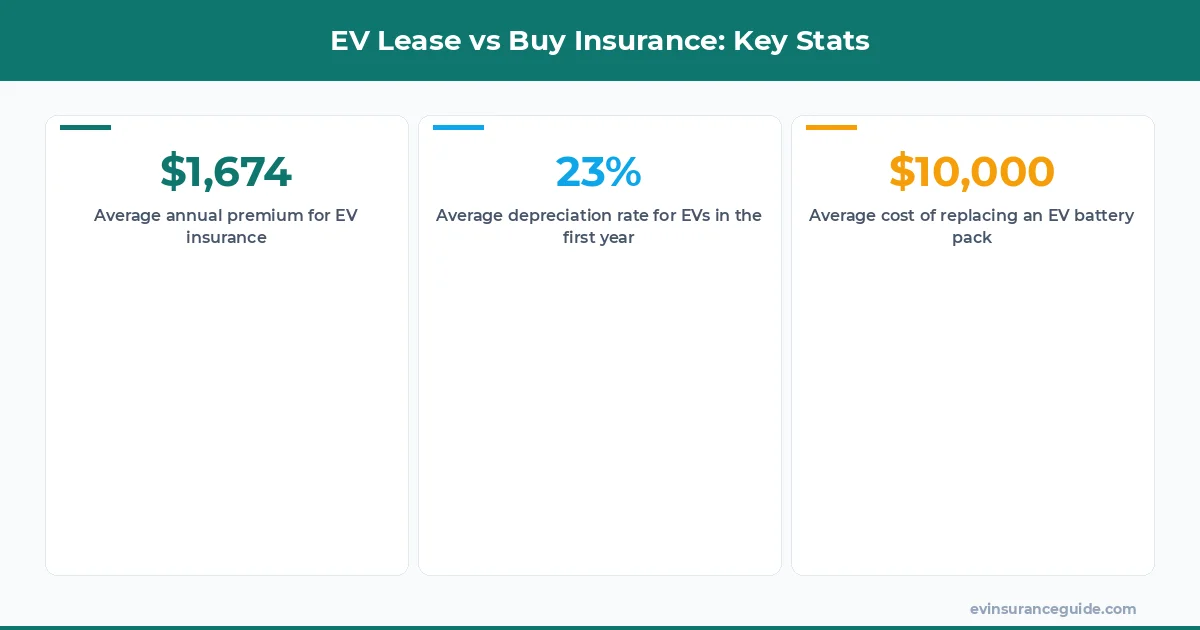
You buy a brand new Hyundai Ioniq 5 for $40,000, and just a year later, it's worth around $30,000 due to depreciation. If you're leasing, you might be on the hook for that $10,000 difference if the car is totaled. Know what the kicker is? Most standard insurance policies won't cover that gap.
That's where gap insurance comes in - it's designed to bridge the gap between what you owe on your loan or lease and the actual cash value of your vehicle. For example, let's say you owe $35,000 on your Rivian loan, but the insurance company only pays out $28,000 after a total loss. Gap insurance would cover that $7,000 difference.
A Story of EV Lease vs Buy Insurance Woes
I've got a friend, let's call him Dave, who leased a Tesla Model Y for 3 years. He thought he was getting a great deal, but when he went to return the car, he was hit with a huge bill for excess wear and tear. The leasing company claimed he owed them $2,500, which was a major surprise. Dave had opted for the basic insurance package, thinking it would cover everything, but it didn't.
This experience taught me that it's crucial to read the fine print and understand what's covered and what's not. Don't assume that your standard insurance policy will cover everything - it won't. You need to consider additional coverage options, like gap insurance, to protect yourself from unexpected expenses.
For instance, if you're leasing an EV, you should know that the leasing company will likely require you to carry gap insurance. This is because they want to ensure they're protected in case the car is totaled or stolen. It's a good idea to shop around for gap insurance quotes, as prices can vary significantly between providers.
Honestly, EV Lease vs Buy Insurance Can Be a Nightmare
I'm not gonna sugarcoat it - navigating the world of EV lease vs buy insurance can be overwhelming. There are so many options and add-ons, it's hard to know what you really need. But here's the thing: gap insurance is not just a nice-to-have, it's a must-have.
Consider this: if you're financing an EV, you're likely to owe more on the loan than the car is worth for at least the first few years. That's just the nature of how car loans work. And if you're leasing, you're essentially renting the car, so you don't own it outright. Either way, you're at risk of owing a lot of money if the car is totaled or stolen.
Don't even get me started on the cost of replacing an EV's battery pack - it can be upwards of $10,000. That's why it's so important to have gap insurance, which can help cover those costs. For example, a study by the National Automobile Dealers Association found that the average cost of replacing an EV battery pack is around $8,000.
5 Key Things to Know About EV Lease vs Buy Insurance
First, you need to understand that gap insurance is not the same as comprehensive or collision insurance. It's a separate policy that's designed to cover the difference between what you owe on your loan or lease and the actual cash value of your vehicle.
Second, gap insurance is not always required, but it's highly recommended, especially if you're leasing or financing an EV. The cost of gap insurance can vary depending on the provider and the type of vehicle you own, but it's usually around $20-$50 per year.
Third, you should shop around for gap insurance quotes, as prices can vary significantly between providers. For instance, a quote from Geico might be $30 per year, while a quote from State Farm might be $45 per year.
Fourth, you should read the fine print and understand what's covered and what's not. Don't assume that your standard insurance policy will cover everything - it won't.
Fifth, you should consider bundling your gap insurance with your existing insurance policy, as this can often result in a discount.
Busting the Myth That EV Lease vs Buy Insurance Is Too Expensive
I've heard some people say that gap insurance is too expensive, but I gotta disagree. The cost of gap insurance is relatively low, especially when you consider the potential benefits.
For example, let's say you're financing a $50,000 EV, and you owe $40,000 on the loan after a year. If the car is totaled, your insurance company might only pay out $30,000, leaving you with a $10,000 gap. Gap insurance would cover that difference, which could save you from financial ruin.
In fact, a study by the Insurance Information Institute found that the average cost of gap insurance is around $40 per year, which is a small price to pay for the peace of mind that comes with knowing you're protected.
Comparing EV Lease vs Buy Insurance Options
When it comes to EV lease vs buy insurance, there are a lot of options to consider. You can lease an EV, which means you're essentially renting the car for a set period of time. Or, you can buy an EV outright, which means you own the car and are responsible for all maintenance and repairs.
But what about the insurance implications? Leasing an EV often requires you to carry gap insurance, which can add to your overall costs. On the other hand, buying an EV outright means you own the car and can choose your own insurance policy.
For instance, if you lease a Tesla Model 3, you'll likely be required to carry gap insurance, which can add around $20-$50 per year to your insurance costs. But if you buy the same car outright, you can choose to opt out of gap insurance and save that money.
FAQs
#### What is gap insurance and how does it work?
Gap insurance is a type of insurance that covers the difference between what you owe on your loan or lease and the actual cash value of your vehicle. It's designed to protect you from owing a lot of money if your car is totaled or stolen.
For example, if you owe $35,000 on your Rivian loan, but the insurance company only pays out $28,000 after a total loss, gap insurance would cover that $7,000 difference.
The cost of gap insurance can vary depending on the provider and the type of vehicle you own, but it's usually around $20-$50 per year.
#### How much does gap insurance cost?
The cost of gap insurance can vary depending on the provider and the type of vehicle you own, but it's usually around $20-$50 per year.
For instance, a quote from Geico might be $30 per year, while a quote from State Farm might be $45 per year.
It's always a good idea to shop around for gap insurance quotes, as prices can vary significantly between providers.
#### Do I need gap insurance if I'm leasing an EV?
Yes, if you're leasing an EV, you'll likely be required to carry gap insurance. This is because the leasing company wants to ensure they're protected in case the car is totaled or stolen.
The cost of gap insurance can vary depending on the provider and the type of vehicle you own, but it's usually around $20-$50 per year.
It's always a good idea to read the fine print and understand what's covered and what's not.
#### Can I bundle my gap insurance with my existing insurance policy?
Yes, you can often bundle your gap insurance with your existing insurance policy, which can result in a discount.
For example, if you already have a comprehensive insurance policy with Geico, you might be able to add gap insurance to your policy for an additional $20-$30 per year.
It's always a good idea to shop around for quotes and compare prices between different providers.
#### What are the benefits of gap insurance?
The benefits of gap insurance include protecting you from owing a lot of money if your car is totaled or stolen, and providing peace of mind knowing you're covered.
Gap insurance can also help you avoid financial ruin if you're involved in an accident and your car is totaled.
For instance, if you owe $40,000 on your loan, but the insurance company only pays out $30,000 after a total loss, gap insurance would cover that $10,000 difference.
#### What are the drawbacks of gap insurance?
The drawbacks of gap insurance include the additional cost, which can range from $20-$50 per year.
You should also be aware that gap insurance may not be necessary if you own your vehicle outright and don't owe anything on a loan.
However, if you're leasing or financing an EV, gap insurance is often a necessity.
#### How do I choose the right gap insurance provider?
When choosing a gap insurance provider, you should consider factors such as price, coverage, and customer service.
You should also read reviews and do your research to find a reputable provider that meets your needs.
For example, you might consider providers like Geico, State Farm, or Allstate, which offer gap insurance policies with competitive pricing and good customer service.
Pro tip: When shopping for gap insurance, make sure to read the fine print and understand what's covered and what's not. Don't assume that your standard insurance policy will cover everything - it won't. You need to consider additional coverage options, like gap insurance, to protect yourself from unexpected expenses.
Well, actually, the more I think about it, the more I realize that gap insurance is a no-brainer for EV owners. It's a small price to pay for the peace of mind that comes with knowing you're protected.
OK wait, scratch that - it's not just about peace of mind. It's about protecting yourself from financial ruin if your car is totaled or stolen.
Hmm, let me rethink that... the point is, gap insurance is crucial for EV owners, and it's something you should seriously consider if you're leasing or financing a new vehicle.
And don't even get me started on the cost - $20-$50 per year is a small price to pay for the protection that gap insurance provides.
But, I guess what I'm trying to say is that gap insurance is not just a nice-to-have, it's a must-have for EV owners.
Wild, right? The world of EV lease vs buy insurance can be confusing, but with the right knowledge and protection, you can navigate it with confidence.
So, do your research, read the fine print, and consider your options carefully.
And, of course, don't forget to shop around for gap insurance quotes - you never know what kind of deals you might find.
Happy driving, and don't overpay! — Alex