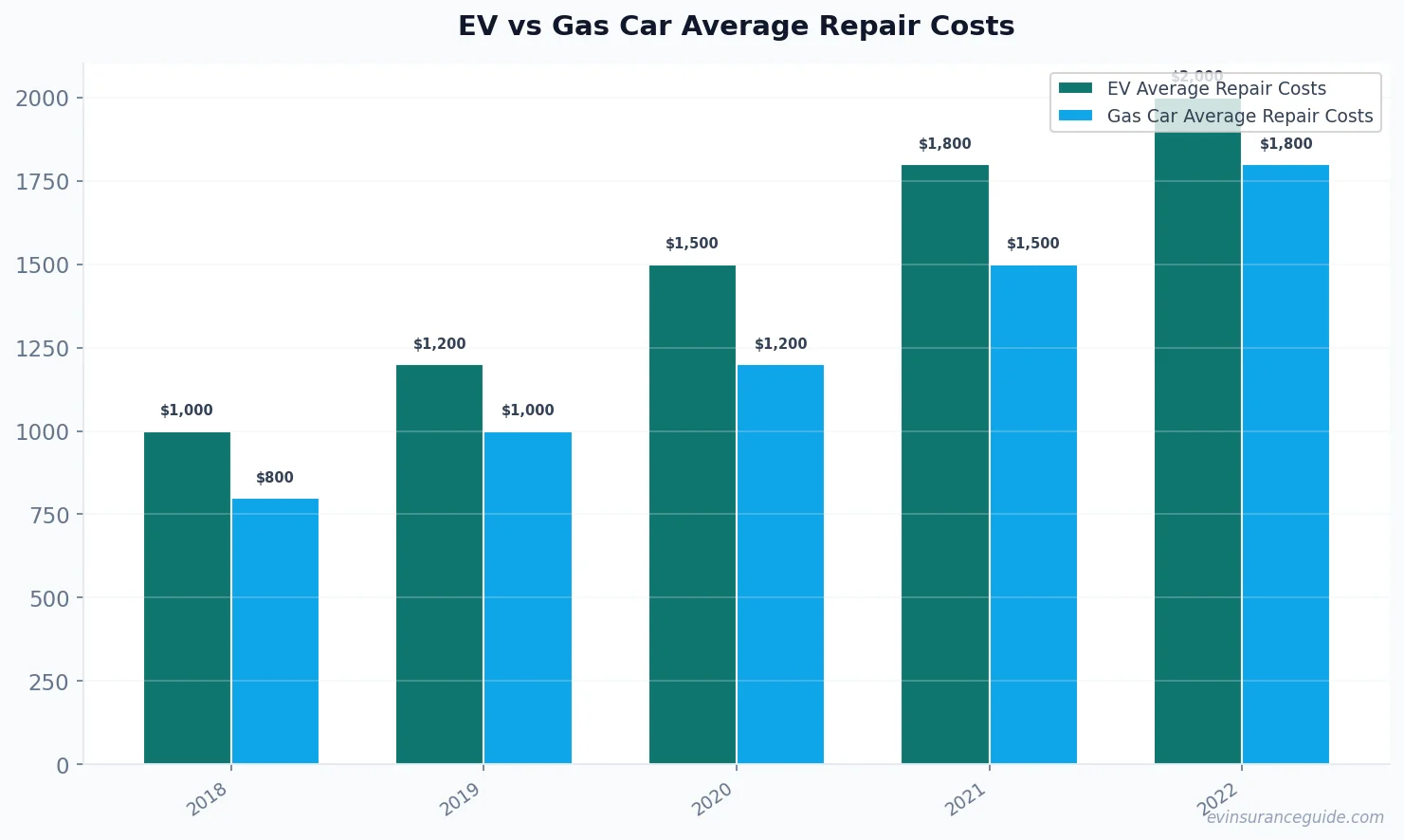
Last Tuesday, a guy named Marcus emailed me asking why his Ioniq 5 quote jumped 40%. He'd just leased a brand new Hyundai Ioniq 5, and his insurance company was charging him an arm and a leg. I told him it's because EV repairs can be way more expensive than gas cars - and that's a big factor in insurance premiums. Sound familiar? You're not alone. Lots of people are making the switch to electric vehicles (EVs), but they're not always prepared for the insurance implications.
What Drives Up EV Repair Costs?
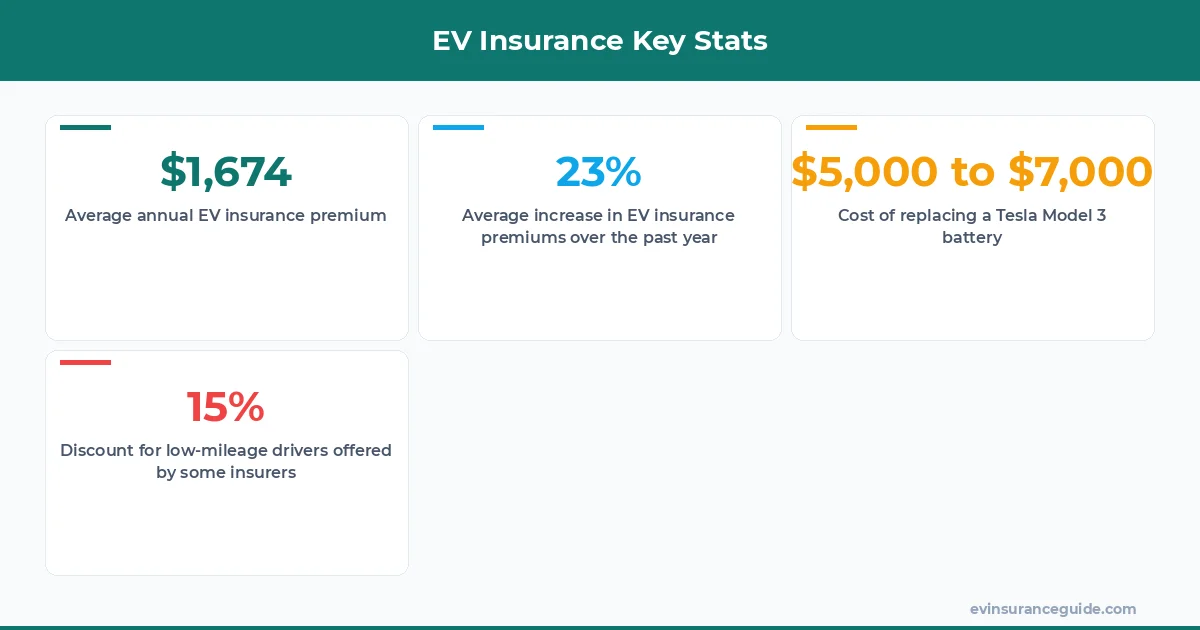
So, what's behind these higher repair costs? Well, for starters, EVs have some pretty advanced tech - think complex battery systems, high-performance motors, and sophisticated computer systems. All that tech requires specialized tools and expertise to repair, which can drive up labor costs. And let's not forget the cost of replacing EV-specific parts, like batteries or electric motors. Those can be pricey. I mean, have you seen the cost of replacing a Tesla Model 3 battery? It's around $5,000 to $7,000. Ouch. Know what the kicker is? Those costs are passed on to you, the consumer, in the form of higher insurance premiums.
But here's the thing: not all EVs are created equal. Some, like the BMW iX, have more complex systems than others, which can make them more expensive to repair. Others, like the Rivian R1T, have more modular designs that might be easier (and cheaper) to fix. So, when you're shopping for EV insurance, it's essential to consider the specific model you're driving. Don't assume that all EVs are the same - because they're not. And if you're considering an EV lease vs buy, you'll want to factor in those insurance costs, too.
Wild, right? The difference in insurance costs between a leased EV and a purchased one can be significant. For example, a study by the National Association of Insurance Commissioners found that leased EVs can cost around $1,500 more per year to insure than purchased EVs. That's a big difference - especially if you're on a budget.
Beware of Hidden Costs in EV Lease vs Buy Insurance
So, what about those hidden costs? Are there any sneaky fees or expenses that you should watch out for? Yep, there are. One thing to consider is the cost of replacing EV-specific parts, like batteries or electric motors. Those can be pricey, as I mentioned earlier. Another thing to watch out for is the potential for higher labor costs, since EV repairs often require specialized tools and expertise. And if you're leasing an EV, you might be on the hook for any damage or excessive wear and tear when you return the vehicle. That can add up quickly - especially if you're not careful.
For example, let's say you lease a Tesla Model Y for three years, and when you return it, the tires are worn down, and the battery is degraded. You could be looking at a bill for $2,000 to $3,000 or more, depending on the extent of the damage. That's a big chunk of change - and it's something you should factor into your overall cost calculations when deciding between an EV lease vs buy.
Myth-Busting EV Repair Costs: What You Need to Know
Now, I know some people might be thinking, "But wait, aren't EVs supposed to be more reliable than gas cars?" And to that, I say... kinda. While it's true that EVs have fewer moving parts than gas cars, which can reduce the risk of mechanical failure, they're not immune to problems. In fact, a study by the automotive research firm iSeeCars found that EVs are more prone to certain types of repairs, like battery and electrical system issues. So, don't assume that your EV is invincible - because it's not.
And here's another myth-buster: EVs don't always cost less to maintain than gas cars. While it's true that EVs don't require oil changes or other routine maintenance tasks, they do require other types of upkeep, like tire rotations and brake pad replacements. And those costs can add up over time. For example, a set of replacement tires for a Rivian R1T can cost around $1,500 to $2,000. That's not cheap - especially if you're driving a lot.
Pro tip: When shopping for EV insurance, be sure to ask about any discounts or incentives for safe driving, low mileage, or other factors that might reduce your premiums. Some insurers, like Geico or Progressive, offer discounts for EV owners who drive fewer than 7,500 miles per year. That can be a big savings - especially if you're a low-mileage driver.
A Story About EV Lease vs Buy Insurance
So, let me tell you a story about a friend of mine, Rachel, who leased a Hyundai Kona Electric last year. She was thrilled to be driving an EV, but she quickly realized that her insurance premiums were way higher than she'd expected. In fact, her monthly premium was around $250 - which was $100 more than she'd paid for her previous gas-powered car. She was shocked - and a little frustrated. But then she started doing some research, and she realized that she could save money by switching to a different insurer. She ended up switching to USAA, which offered her a discounted rate of around $180 per month. That's a big savings - especially over the course of a year.
5 Key Factors in EV Lease vs Buy Insurance
So, what are the key factors to consider when deciding between an EV lease vs buy insurance? Here are five things to keep in mind:
- 1. Insurance costs: As I mentioned earlier, leased EVs can cost more to insure than purchased EVs. That's because leased vehicles are often newer and more expensive, which can drive up insurance premiums.
- 2. Maintenance costs: While EVs don't require oil changes or other routine maintenance tasks, they do require other types of upkeep, like tire rotations and brake pad replacements. Those costs can add up over time.
- 3. Battery health: If you're leasing an EV, you'll want to make sure you understand the terms of your lease regarding battery health. Some leases may require you to pay for battery replacement or degradation, which can be expensive.
- 4. Mileage limits: If you're leasing an EV, you'll want to make sure you understand the mileage limits of your lease. Exceeding those limits can result in additional fees or penalties.
- 5. Warranty coverage: Finally, you'll want to make sure you understand the warranty coverage for your EV. Some manufacturers, like Tesla, offer comprehensive warranties that cover repairs and replacements for up to 8 years or 120,000 miles.
FAQs
#### What is the average cost of EV insurance?
The average cost of EV insurance can vary widely depending on the make and model of your vehicle, as well as your driving history and other factors. However, according to a study by the insurance comparison website NerdWallet, the average annual premium for an EV is around $1,674.
#### How does EV lease vs buy insurance impact my premiums?
As I mentioned earlier, leased EVs can cost more to insure than purchased EVs. That's because leased vehicles are often newer and more expensive, which can drive up insurance premiums. However, some insurers may offer discounts or incentives for leased EVs, so it's worth shopping around to compare rates.
#### Can I save money on EV insurance by driving less?
Yes, some insurers offer discounts for low-mileage drivers. For example, Geico offers a discount of up to 15% for drivers who log fewer than 7,500 miles per year. That can be a big savings - especially if you're a low-mileage driver.
#### What is the best way to compare EV insurance rates?
The best way to compare EV insurance rates is to shop around and compare quotes from multiple insurers. You can use online insurance comparison tools, like NerdWallet or Insure.com, to get quotes from multiple insurers and compare rates.
#### How does the cost of EV repairs impact my insurance premiums?
The cost of EV repairs can have a big impact on your insurance premiums. That's because insurers use data on repair costs to determine premiums. If the cost of repairs for your EV is high, you may pay more for insurance. However, some insurers may offer discounts or incentives for EV owners who drive safely or maintain their vehicles regularly.
#### What are some tips for saving money on EV insurance?
Some tips for saving money on EV insurance include shopping around to compare rates, asking about discounts or incentives, and maintaining a good driving record. You can also consider raising your deductible or dropping unnecessary coverage to lower your premiums.
And that's a wrap, folks. EV lease vs buy insurance can be complex, but by understanding the factors that impact your premiums, you can make an informed decision and save money on your insurance costs. Stay charged and stay covered! — Alex