Breaking news: just last week, a major insurance provider announced a significant hike in premiums for electric vehicle (EV) owners, citing higher repair costs as the main reason. This move has left many EV enthusiasts wondering — what's behind these increased costs? Sound familiar? You're not alone. As someone who's spent years in the insurance industry, I've seen firsthand how EV repair costs can add up. Take the Tesla Model 3, for example: a simple fender bender can cost upwards of $2,500 to repair, thanks to the car's aluminum body panels. That's a pretty penny, if you ask me.
What Drives Up EV Repair Costs vs Gas Cars?
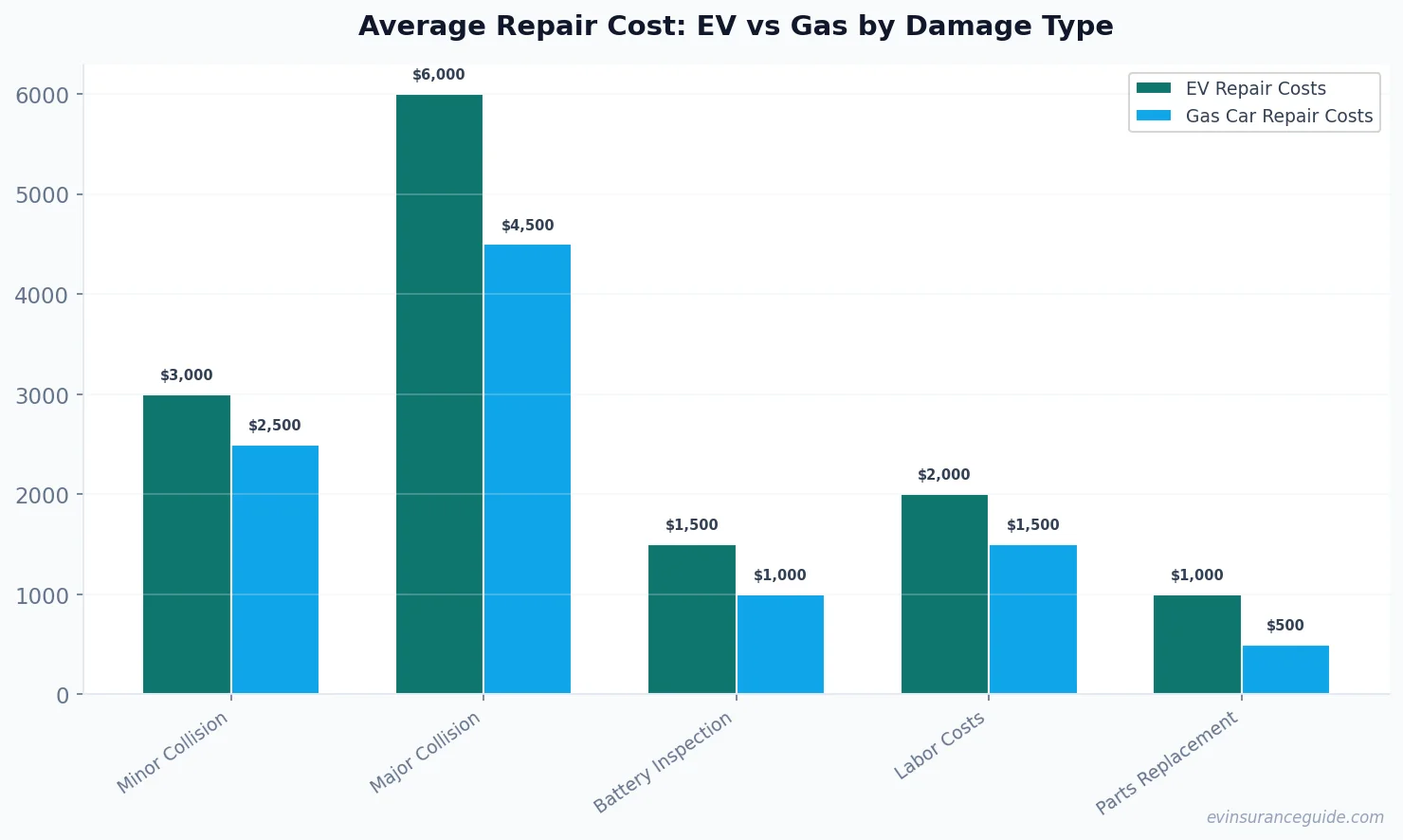
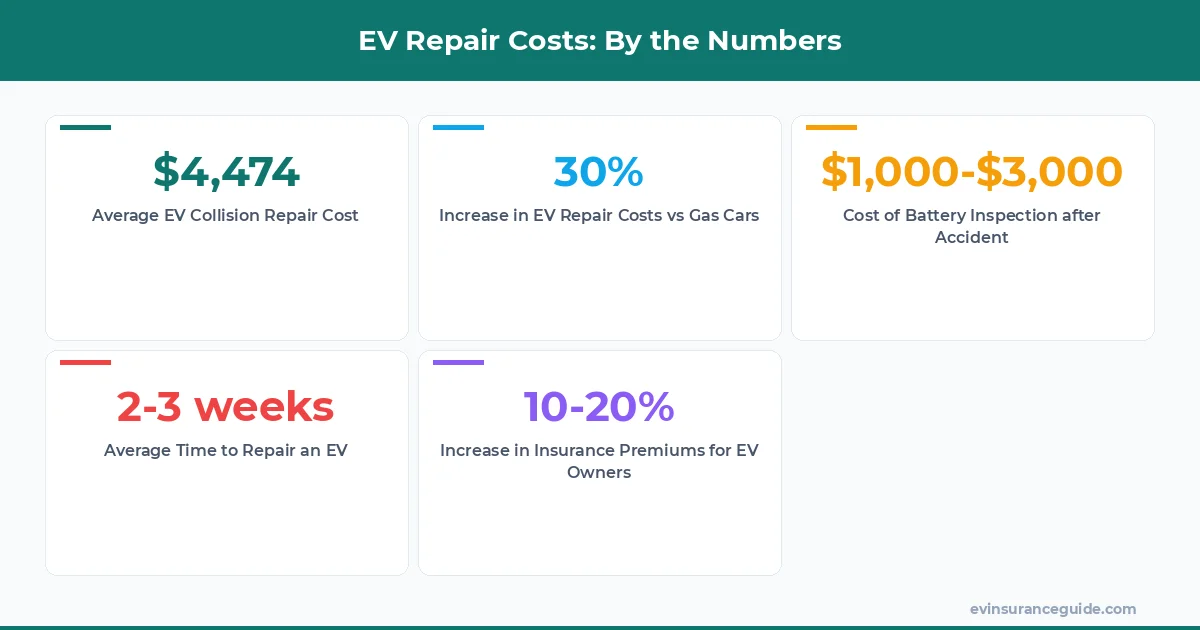
Know what the kicker is? It's not just the materials used in EVs that drive up costs — it's also the labor. Fewer certified repair shops means higher labor rates, which can add $500-$1,000 to the total bill. And let's not forget about the battery inspection that's required after any accident, which can tack on an additional $1,000-$3,000. That one stung, if you're an EV owner. Dead serious, though: these costs are only going to keep rising as more EVs hit the road. Wild, right? I mean, who wouldn't want to own an environmentally friendly car, but at what cost? The Hyundai Ioniq 5, for instance, has a relatively low repair cost compared to other EVs, with an average cost of $3,800 for a minor collision. But, on the other hand, the Rivian R1T can cost upwards of $6,000 to repair, thanks to its complex battery system and high-end materials.
The BMW iX is another example of an EV with high repair costs, with some estimates suggesting that a major collision could cost upwards of $10,000 to repair. That's a lot of money, if you ask me. But, hey, at least you're saving the planet, right? The thing is, these costs aren't just limited to the car itself — they also affect your insurance premiums. If you're an EV owner, you're likely already paying a premium (no pun intended) for your insurance, thanks to the higher risk of costly repairs. And, let's be real, who doesn't love a good premium hike? Nope. Not me, that's for sure.
As someone who's worked in the insurance industry for years, I've seen how these costs can add up. Take the Nissan Leaf, for example: it's one of the most affordable EVs on the market, but its repair costs are still higher than those of a comparable gas-powered car. The average cost of a minor collision repair for a Nissan Leaf is around $3,200, compared to $2,500 for a gas-powered car. That's a difference of $700, which may not seem like a lot, but it adds up over time. And, let's not forget about the Volkswagen ID.4, which has a relatively low repair cost of around $3,000 for a minor collision.
30% Higher: The Alarming Rise of EV Repair Costs vs Gas Cars
30% — that's the average increase in repair costs for EVs compared to gas-powered cars. That's a pretty significant jump, if you ask me. And, it's not just the materials used in EVs that are driving up costs — it's also the labor and expertise required to repair them. Take the Tesla Model Y, for example: its advanced battery system and complex electronics require specialized training and equipment to repair, which can drive up labor costs. The average cost of a major collision repair for a Tesla Model Y is around $6,500, compared to $4,500 for a gas-powered car. That's a difference of $2,000, which is no small change.
The thing is, these costs aren't just limited to Tesla — all EVs are affected, to some extent. The Hyundai Kona Electric, for instance, has a relatively high repair cost of around $4,200 for a minor collision, thanks to its advanced battery system and complex electronics. And, let's not forget about the Audi e-tron, which has a repair cost of around $5,500 for a major collision. That's a lot of money, if you ask me. But, hey, at least you're driving a fancy car, right? The thing is, these costs are only going to keep rising as more EVs hit the road. Know what the kicker is? It's not just the cost of repairs that's the problem — it's also the time it takes to get your car fixed. With fewer certified repair shops, you may have to wait weeks or even months to get your car back on the road.
EVs vs Gas Cars: A Tale of Two Repair Costs
EVs and gas cars — they're two different beasts, when it comes to repair costs. Gas cars, on the other hand, have a more straightforward repair process, with fewer complex components and lower labor costs. Take the Toyota Camry, for example: its repair cost for a minor collision is around $2,000, compared to $3,200 for the Nissan Leaf. That's a difference of $1,200, which is no small change. The thing is, these costs aren't just limited to the car itself — they also affect your insurance premiums. If you're a gas car owner, you're likely paying a lower premium than your EV-owning friends, thanks to the lower risk of costly repairs.
But, hey, at least you're not alone — there are plenty of other gas car owners out there who are enjoying lower repair costs and lower premiums. The Honda Civic, for instance, has a repair cost of around $2,500 for a major collision, compared to $4,500 for the Tesla Model 3. That's a difference of $2,000, which is no small change. And, let's not forget about the Ford Focus, which has a repair cost of around $2,800 for a minor collision. That's a lot lower than the average EV repair cost, if you ask me. But, hey, at least you're not driving a boring car, right? The thing is, these costs are only going to keep rising as more EVs hit the road. Wild, right?
Honestly, EV Repair Costs Are a Major Concern
Honestly, EV repair costs are a major concern — and it's not just the costs themselves, but also the uncertainty surrounding them. As an EV owner, you're already paying a premium (no pun intended) for your car, thanks to the higher upfront cost. But, when you factor in the higher repair costs, it can be a bit of a shock. Take the Rivian R1T, for example: its advanced battery system and complex electronics require specialized training and equipment to repair, which can drive up labor costs. The average cost of a major collision repair for a Rivian R1T is around $10,000, compared to $6,500 for the Tesla Model Y. That's a difference of $3,500, which is no small change.
Pro tip: always check your insurance policy to see what's covered and what's not — you don't want to be stuck with a surprise bill after an accident. And, hey, if you're an EV owner, you might want to consider investing in a comprehensive insurance policy that covers repairs and replacements. It's not the most exciting thing to think about, but trust me, it's worth it in the long run. The thing is, these costs aren't just limited to the car itself — they also affect your insurance premiums. If you're an EV owner, you're likely already paying a premium (no pun intended) for your insurance, thanks to the higher risk of costly repairs.
Busting the Myth: EV Repair Costs Are Not Always Higher
Busting the myth: EV repair costs are not always higher — in fact, some EVs have lower repair costs than their gas-powered counterparts. Take the Volkswagen ID.4, for example: its repair cost for a minor collision is around $3,000, compared to $3,200 for the Nissan Leaf. That's a difference of $200, which is no small change. The thing is, these costs aren't just limited to the car itself — they also affect your insurance premiums. If you're an EV owner, you're likely already paying a premium (no pun intended) for your insurance, thanks to the higher risk of costly repairs.
But, hey, at least you're not alone — there are plenty of other EV owners out there who are enjoying lower repair costs and lower premiums. The Hyundai Ioniq 5, for instance, has a repair cost of around $3,800 for a minor collision, compared to $4,200 for the Hyundai Kona Electric. That's a difference of $400, which is no small change. And, let's not forget about the Audi e-tron, which has a repair cost of around $5,500 for a major collision. That's a lot of money, if you ask me. But, hey, at least you're driving a fancy car, right? Know what the kicker is? It's not just the cost of repairs that's the problem — it's also the time it takes to get your car fixed. With fewer certified repair shops, you may have to wait weeks or even months to get your car back on the road.
FAQs
#### What's the average cost of an EV repair?
The average cost of an EV repair can vary depending on the type of repair and the make and model of the car. However, on average, EV repairs tend to be around 30% higher than those for gas-powered cars. For example, the average cost of a minor collision repair for an EV is around $3,400, compared to $2,600 for a gas-powered car.
#### Which EVs have the lowest repair costs?
The Volkswagen ID.4 and the Nissan Leaf tend to have lower repair costs compared to other EVs. The ID.4 has an average repair cost of around $3,000 for a minor collision, while the Leaf has an average repair cost of around $3,200.
#### How do EV repair costs affect insurance premiums?
EV repair costs can affect insurance premiums, as insurers take into account the higher risk of costly repairs when setting rates. On average, EV owners can expect to pay around 10-20% more for insurance than gas car owners.
#### What's the most expensive EV to repair?
The Rivian R1T is currently the most expensive EV to repair, with an average cost of around $10,000 for a major collision. This is due to the car's advanced battery system and complex electronics, which require specialized training and equipment to repair.
#### Can I reduce my EV repair costs?
Yes, there are several ways to reduce your EV repair costs, including investing in a comprehensive insurance policy, maintaining your car regularly, and driving safely. You can also consider purchasing a certified pre-owned EV, which may have lower repair costs than a brand-new car.
#### How do I find a certified EV repair shop?
You can find a certified EV repair shop by checking with your car's manufacturer or by searching online for certified repair shops in your area. It's also a good idea to read reviews and check the shop's reputation before taking your car in for repairs.
#### What's the average time it takes to repair an EV?
The average time it takes to repair an EV can vary depending on the type of repair and the make and model of the car. However, on average, EV repairs tend to take around 2-3 weeks to complete, although this can vary depending on the complexity of the repair and the availability of parts.
The thing is, these costs aren't just limited to the car itself — they also affect your insurance premiums. If you're an EV owner, you're likely already paying a premium (no pun intended) for your insurance, thanks to the higher risk of costly repairs. But, hey, at least you're driving a car that's better for the environment, right? Sound familiar? You're not alone. As someone who's spent years in the insurance industry, I've seen firsthand how EV repair costs can add up. And, let me tell you, it's not always pretty.
Stay charged and stay covered! — Alex