I pulled into a bustling charging station, the sound of humming electric motors and chatter filling the air. As I waited for my turn to charge, I overheard a conversation between two owners of electric vehicles (EVs) discussing their insurance rates. One of them mentioned that EV theft rates are lower compared to gas-powered cars, but certain models are more susceptible to theft. Sound familiar? I've heard this before, and it got me thinking - what's the real deal with EV theft rates and insurance?
MYTH_BUST — EVs Are Immune to Theft
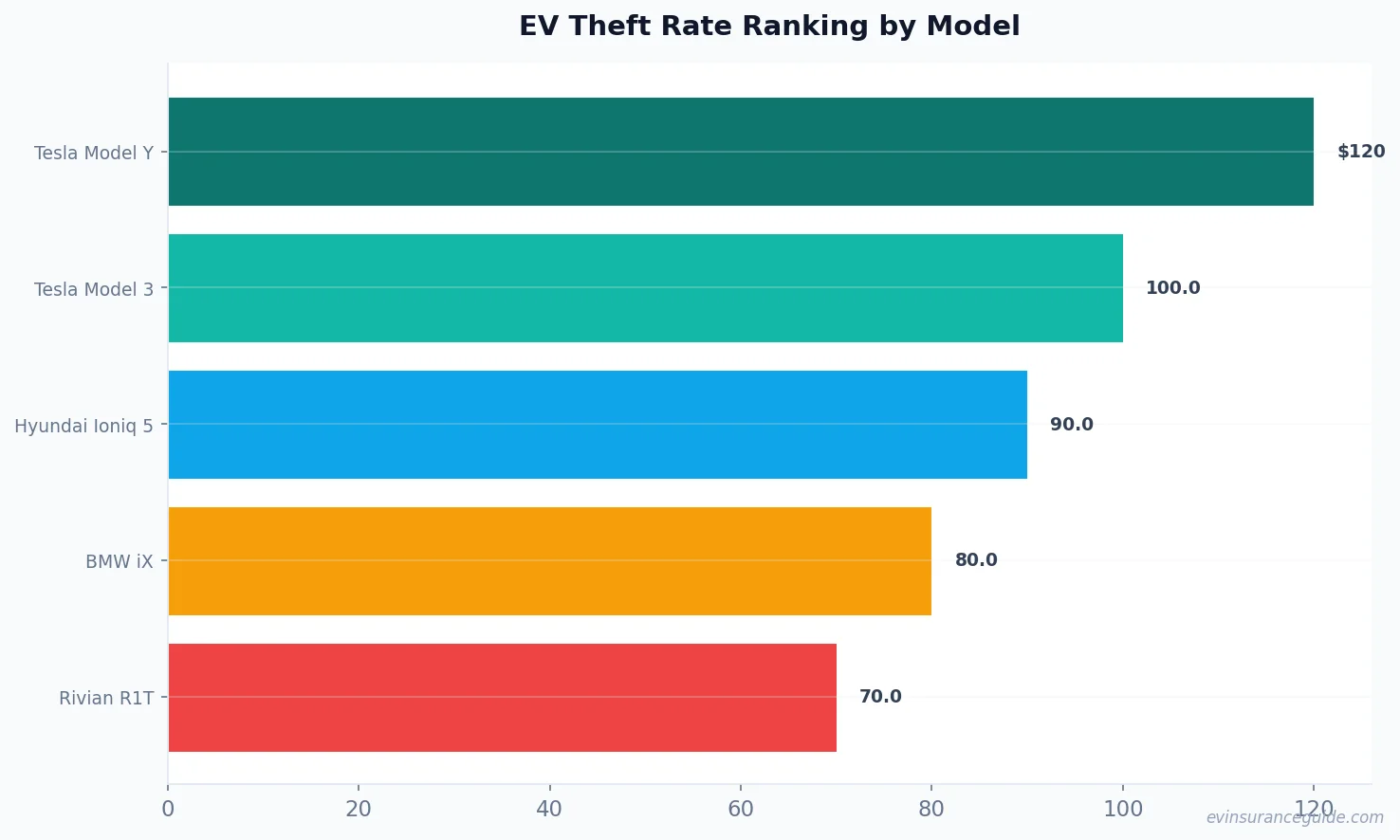
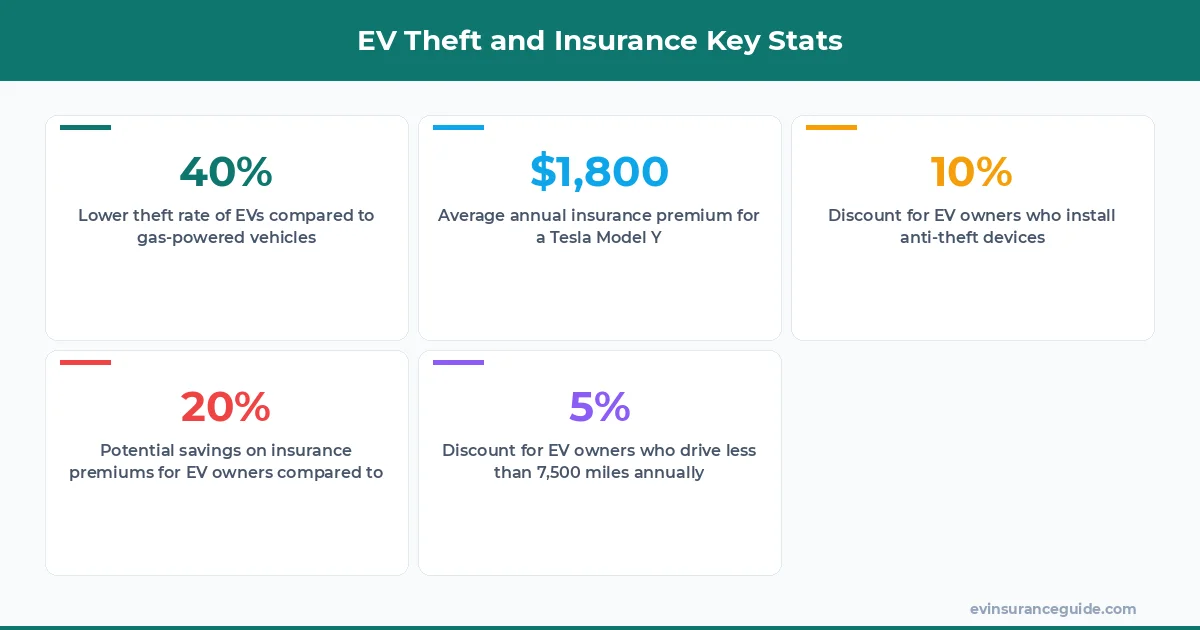
Let's get straight to it - the myth that EVs are completely immune to theft is just that, a myth. While it's true that EVs have a 40% lower theft rate compared to gas-powered cars, mainly due to their GPS tracking and harder-to-hotwire systems, there are specific models that thieves seem to favor. The Tesla Model Y, for instance, is the most stolen EV, followed closely by the Tesla Model 3 and the Hyundai Ioniq 5. This information is crucial when considering insurance premiums, as the model of your EV can significantly impact your rates. For example, a Tesla Model Y owner might pay around $1,800 annually for comprehensive coverage, while a Hyundai Ioniq 5 owner could pay closer to $1,500. Know what the kicker is? These rates can vary significantly depending on where you live and the insurance provider you choose.
The variation in theft rates among EV models is largely due to their security features and the ease with which they can be stolen. The Tesla Model Y, with its advanced tech and high demand, becomes a prime target. On the other hand, models like the BMW iX, with its robust security system, are less likely to be stolen. But, can we really blame thieves for targeting the most valuable and easily resellable models? Wild, right? The point is, understanding these dynamics is key to navigating the world of EV insurance and securing the best rates for your vehicle.
And let's not forget the role of insurance companies in all this. They're not just passive observers; they're actively assessing risks and adjusting premiums accordingly. For instance, companies like GEICO and Progressive offer discounts for EV owners who install anti-theft devices or park their vehicles in secure, monitored lots. That's a win-win, right there.
But, what about catalytic converter theft, a common issue with gas-powered vehicles? Doesn't apply to EVs, given they don't have catalytic converters. One less thing to worry about, but it doesn't mean EVs are completely off the hook. Thieves are adaptable, and as the EV market grows, so do the methods and targets of theft.
Well, actually, the lack of a catalytic converter in EVs is a significant advantage when it comes to theft. It's one less component that can be stolen and resold, which in turn, can lead to lower insurance premiums for EV owners. This is something that potential buyers should consider when deciding between an EV and a traditional gas-powered vehicle.
OK So Here's the Deal With EV Theft Rates Insurance
OK, so here's the deal - when it comes to ev theft rates insurance, you've got to consider the specific model of your EV. It's not just about the overall lower theft rate of EVs; it's about how your particular model stacks up. The Tesla Model 3, for example, has a theft rate that's significantly higher than the average EV, which can impact your insurance premium. On the flip side, models like the Rivian R1T, with its robust security features and lower demand, might enjoy lower insurance rates. It's all about the specifics, and doing your research can save you a pretty penny. For instance, a Rivian R1T owner in a low-crime area might pay as little as $1,200 annually for comprehensive coverage, while a Tesla Model 3 owner in a high-crime area could pay upwards of $2,500. That's a significant difference, if you ask me.
And, let's talk about anti-theft features. These can make a huge difference in your insurance rates. GPS tracking, immobilizers, and even something as simple as a steering wheel lock can all contribute to lower premiums. It's all about demonstrating to your insurance provider that you're taking proactive steps to secure your vehicle. But, don't just take my word for it. According to data from the National Insurance Crime Bureau, vehicles equipped with GPS tracking devices are up to 40% less likely to be stolen. That's a statistic worth considering when shopping for insurance.
But, what about the key fob relay attack vulnerability that's been making headlines? It's a real concern, especially for owners of higher-end EV models. Essentially, thieves use devices to amplify the signal from your key fob, tricking your car into thinking the key is nearby, and then they're in. It's a sophisticated method, but there are ways to protect yourself. Using a faraday bag to block the signal from your key fob when not in use is a simple yet effective method. It's all about staying one step ahead of potential thieves.
COMPARISON — EVs vs. Gas-Powered Cars: Which Are More Secure?
When comparing EVs to gas-powered cars in terms of security, it's clear that EVs have the upper hand. With their advanced technology and GPS tracking, EVs are generally harder to steal. But, let's compare some numbers. According to a study by the Highway Loss Data Institute, the overall theft rate for EVs in 2022 was about 40% lower than that of gas-powered vehicles. However, when looking at specific models, the story changes. The Tesla Model Y, for instance, had a theft rate similar to that of some gas-powered SUVs. It's all about the model, not just the type of vehicle.
This comparison isn't just about theft rates; it's also about insurance premiums. Generally, EV owners can expect to pay less for insurance compared to owners of gas-powered vehicles, mainly due to the lower theft rates and the perception of EV owners being more responsible drivers. However, these premiums can fluctuate based on the model, location, and a host of other factors. For example, a BMW iX owner might pay around $1,800 annually for insurance, while a similar gas-powered vehicle could cost upwards of $2,200 to insure. That's a significant saving, especially over the lifespan of the vehicle.
And, let's not forget about the environmental aspect. EVs produce zero tailpipe emissions, making them a more environmentally friendly choice. This, coupled with their generally lower operating costs, makes them an attractive option for many. But, in the context of theft and insurance, the environmental benefits are just a bonus. The real consideration is how these factors impact your wallet.
QUESTION — Can You Really Protect Your EV from Theft?
Can you really protect your EV from theft? The answer is, it's not foolproof, but you can certainly take steps to make it more difficult for thieves. First and foremost, always lock your vehicle and keep valuables out of sight. It's also a good idea to park in well-lit, secure areas, especially if you have a high-end model that's more likely to be targeted. But, what about when you're not around to keep an eye on it? That's where technology comes in.
Investing in a good GPS tracking device can be a lifesaver. Not only can it help the authorities locate your vehicle if it's stolen, but it can also act as a deterrent. Thieves are less likely to target a vehicle that they know can be easily tracked. And, some insurance companies offer discounts for vehicles equipped with these devices, which can help offset the cost. For instance, Liberty Mutual offers a 5% discount for vehicles with GPS tracking devices, while State Farm offers up to a 10% discount.
But, let's get real - no security measure is 100% effective. There's always a way for determined thieves to find a workaround. So, what's the best you can do? Stay informed, stay vigilant, and always be prepared for the worst. And, don't forget to review your insurance policy regularly to ensure you're getting the best rates and coverage for your specific situation.
WARNING — Don't Fall for the Trap of Overpriced Insurance
Don't fall for the trap of overpriced insurance. Just because you own an EV doesn't mean you have to break the bank on insurance. Shop around, compare rates, and don't be afraid to negotiate. Some companies specialize in EV insurance and can offer more competitive rates than traditional insurers. For example, companies like EVInsure and ElectricAuto offer policies specifically tailored to EV owners, with rates that can be up to 20% lower than those of traditional insurers.
And, watch out for hidden costs. Some policies might seem cheap at first but come with a plethora of exclusions and high deductibles. Always read the fine print and understand what you're getting into. It's better to pay a bit more upfront for comprehensive coverage than to risk being left high and dry if your vehicle is stolen or damaged.
FAQs
#### What is the average annual insurance premium for an EV?
The average annual insurance premium for an EV can range from $1,200 to $2,500, depending on the model, location, and driver profile. For example, a Tesla Model 3 owner in California might pay around $1,800 annually, while a Rivian R1T owner in Texas could pay closer to $1,400.
#### Which EV models are most susceptible to theft?
The Tesla Model Y, Tesla Model 3, and Hyundai Ioniq 5 are currently among the most stolen EV models. This is due to their popularity, high resale value, and the ease with which they can be stolen.
#### How do anti-theft features impact insurance premiums?
Anti-theft features such as GPS tracking, immobilizers, and steering wheel locks can all contribute to lower insurance premiums. By demonstrating that you're taking proactive steps to secure your vehicle, you can negotiate better rates with your insurance provider.
#### Can catalytic converter theft affect EV insurance?
No, catalytic converter theft does not apply to EVs since they do not have catalytic converters. This is one less thing to worry about for EV owners and can lead to lower insurance premiums.
#### How does the location affect EV insurance premiums?
Location plays a significant role in determining EV insurance premiums. Urban areas with higher crime rates tend to have higher premiums compared to rural areas with lower crime rates. For instance, an EV owner in New York City might pay upwards of $2,500 annually for insurance, while an owner in a rural town in Nebraska could pay as little as $1,200.
#### Are there any specific insurance discounts available for EV owners?
Yes, many insurance companies offer discounts for EV owners, including discounts for anti-theft devices, low mileage, and environmentally friendly vehicles. For example, Allstate offers a 10% discount for EV owners who drive less than 7,500 miles annually, while USAA offers a 5% discount for EV owners who install anti-theft devices.
#### What's the best way to protect my EV from theft?
The best way to protect your EV from theft is to always lock your vehicle, keep valuables out of sight, and invest in a good GPS tracking device. Additionally, parking in well-lit, secure areas and being mindful of your surroundings can also help deter thieves.
Pro tip: Always keep your vehicle's software up to date, as newer updates often include security patches that can help protect against theft.
Cheers from the EV insurance trenches.
— Alex