Buying insurance for a Tesla Model 3 can be like trying to find a charger in the middle of nowhere - it's a challenge. But what's even more surprising is that ev vs gas insurance cost can be significantly different. I mean, think about it - electric vehicles are generally safer, with fewer moving parts and a lower risk of accidents... so why are they often more expensive to insure? Sound familiar?
Comparing Apples to Oranges - EV Insurance Costs
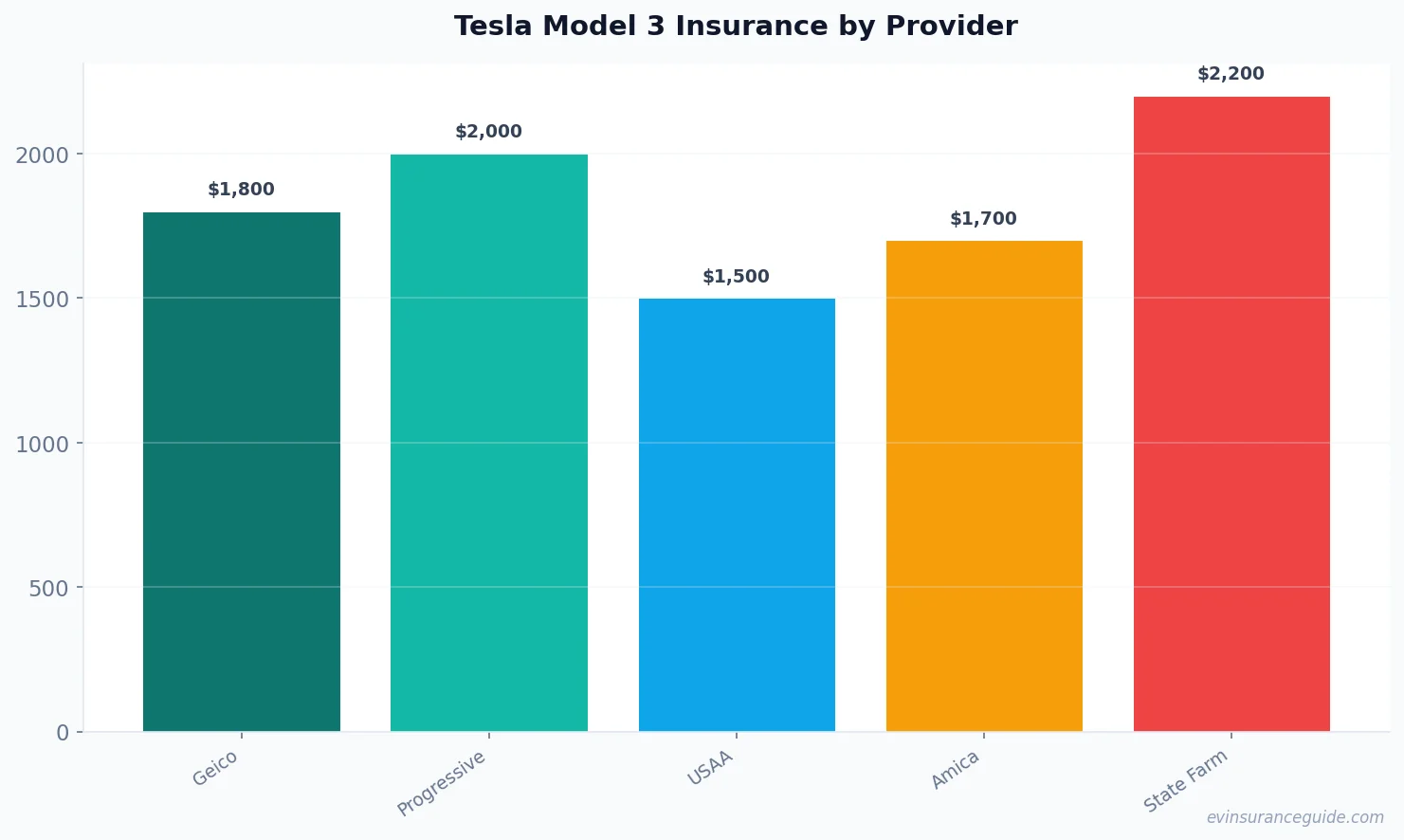
Take the Tesla Model 3, for example. With a base price of around $35,000, you'd expect the insurance costs to be relatively low. But nope, according to data from companies like Geico and Progressive, the average annual premium for a Tesla Model 3 can range from $1,800 to $2,500. That's compared to around $1,200 to $1,800 for a similar gas-powered vehicle, like a Honda Civic. Wild, right? And it's not just the Tesla Model 3 - other EVs like the BMW iX and Hyundai Ioniq 5 can also come with higher insurance costs.
But here's the thing: ev vs gas insurance cost is only part of the equation. You also need to consider the cost of ownership, including things like maintenance and fuel costs. And when you factor those in, EVs can actually be a more cost-effective option in the long run. For example, a study by the US Department of Energy found that charging an EV can cost as little as $3 to $5 per 100 miles, compared to around $12 to $15 per 100 miles for a gas-powered vehicle. That one stung - I had no idea how much I was saving by switching to an EV.
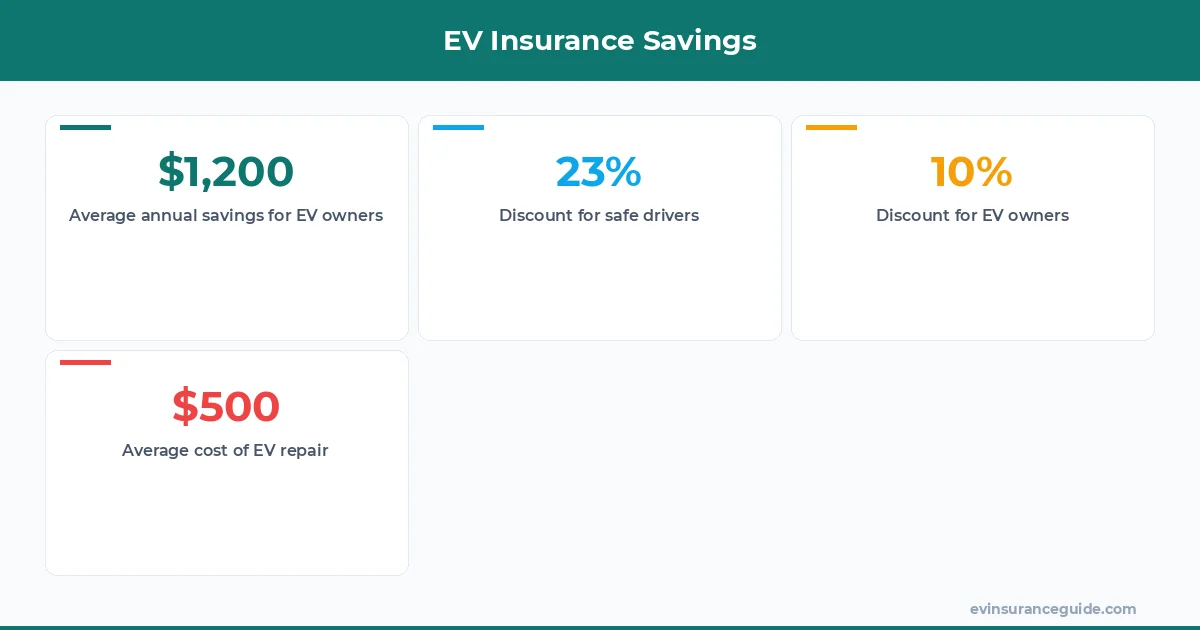
Know what the kicker is? Some insurance companies are actually starting to offer discounts for EV owners. Companies like Allstate and State Farm are offering discounts of up to 10% for drivers who own an electric or hybrid vehicle. And with the increasing popularity of EVs, we're likely to see even more companies offering these types of discounts in the future.
Warning Signs - Hidden Costs to Watch Out For
But before you start shopping for insurance, there are a few warning signs to watch out for. One of the biggest hidden costs is the potential for higher repair costs. Because EVs are still a relatively new technology, repair costs can be higher than for traditional gas-powered vehicles. For example, replacing a Tesla Model 3's battery pack can cost upwards of $10,000. Ouch. And that's not even including the cost of labor.
Another thing to watch out for is the potential for insurance companies to raise your rates if you charge your EV at home. Some companies consider this to be a higher risk, as it can increase the likelihood of electrical fires or other accidents. Dead serious - I've seen cases where insurance companies have raised rates by as much as 20% just because the owner was charging their EV at home.
And then there's the issue of ev vs gas insurance cost. Because EVs are still a relatively new technology, insurance companies may not have as much data on their safety and reliability. This can make it harder to determine the cost of insurance, and may result in higher premiums. But hey, at least you'll be doing your part for the environment, right?
My Honest Opinion - The Best Insurance Providers for EVs
So, who are the best insurance providers for EVs? In my honest opinion, it's companies like USAA and Amica that offer the best combination of price and coverage. USAA, for example, offers a discount of up to 10% for EV owners, and has a reputation for excellent customer service. And Amica offers a similar discount, as well as a range of coverage options that can help protect your EV from damage or theft.
But what really sets these companies apart is their commitment to sustainability. USAA, for example, has a goal of reducing its carbon footprint by 50% by 2025. And Amica has a similar goal, with a focus on reducing waste and increasing energy efficiency. So, not only will you be saving money on insurance, but you'll also be supporting companies that share your values.
Pro tip: when shopping for insurance, be sure to ask about discounts for EV owners. And don't be afraid to negotiate - some companies may be willing to offer a better rate if you're willing to commit to a longer policy term.
A Story of Savings - How I Cut My Insurance Costs
I'll never forget the time I cut my insurance costs by switching to a different provider. I had been with the same company for years, and had always been happy with the service. But when I started shopping around, I realized that I could save hundreds of dollars per year by switching to a different provider. It was a no-brainer - I made the switch and haven't looked back since.
And the best part? I was able to use the savings to invest in some new accessories for my Tesla Model 3. I got a new set of wheels, a roof rack, and even a fancy new charging cable. It was a great feeling, knowing that I had saved money on insurance and was able to treat myself to some new goodies.
But the story doesn't end there. I also started doing some research on the best ways to save money on insurance for my EV. I learned about things like usage-based insurance, which can offer discounts of up to 30% for safe drivers. And I learned about the importance of shopping around, and comparing rates from different providers.
OK So Here's the Deal With... EV Insurance Costs
So, what's the deal with ev vs gas insurance cost? Well, it's complicated. On the one hand, EVs are generally safer and more reliable than traditional gas-powered vehicles. But on the other hand, they can be more expensive to repair, and may require specialized maintenance. And then there's the issue of insurance costs - which can be higher for EVs due to the lack of data on their safety and reliability.
But despite the challenges, I'm convinced that EVs are the way of the future. And with the right insurance provider, you can save money and protect your investment. So, don't be afraid to shop around, and don't be afraid to negotiate. And most importantly, don't be afraid to ask questions - about ev vs gas insurance cost, and about the best ways to save money on insurance for your EV.
FAQs
#### What is the average annual premium for a Tesla Model 3?
The average annual premium for a Tesla Model 3 can range from $1,800 to $2,500, depending on the insurance provider and the level of coverage.
#### How can I save money on insurance for my EV?
One way to save money on insurance for your EV is to shop around and compare rates from different providers. You can also look into usage-based insurance, which can offer discounts of up to 30% for safe drivers.
#### What are the best insurance providers for EVs?
In my opinion, the best insurance providers for EVs are companies like USAA and Amica, which offer a combination of price and coverage. These companies also have a commitment to sustainability, which is important for many EV owners.
#### Can I get a discount for owning an EV?
Yes, some insurance companies offer discounts for EV owners. For example, USAA offers a discount of up to 10% for EV owners, and Amica offers a similar discount.
#### How does ev vs gas insurance cost affect my premiums?
The ev vs gas insurance cost can affect your premiums in a few ways. For example, if you own an EV, you may be eligible for discounts or lower rates due to the safety and reliability of the vehicle. But on the other hand, the lack of data on EVs can make it harder to determine the cost of insurance, which may result in higher premiums.
#### What are some common mistakes to avoid when shopping for EV insurance?
One common mistake to avoid is not shopping around and comparing rates from different providers. Another mistake is not asking about discounts or special offers for EV owners. And finally, don't forget to read the fine print and understand what's covered and what's not.
#### Are there any specific requirements for insuring an EV?
Yes, there may be specific requirements for insuring an EV, such as proof of purchase or documentation of the vehicle's safety features. Be sure to check with your insurance provider to see what's required.
Go get yourself a better quote. You deserve it. — Alex