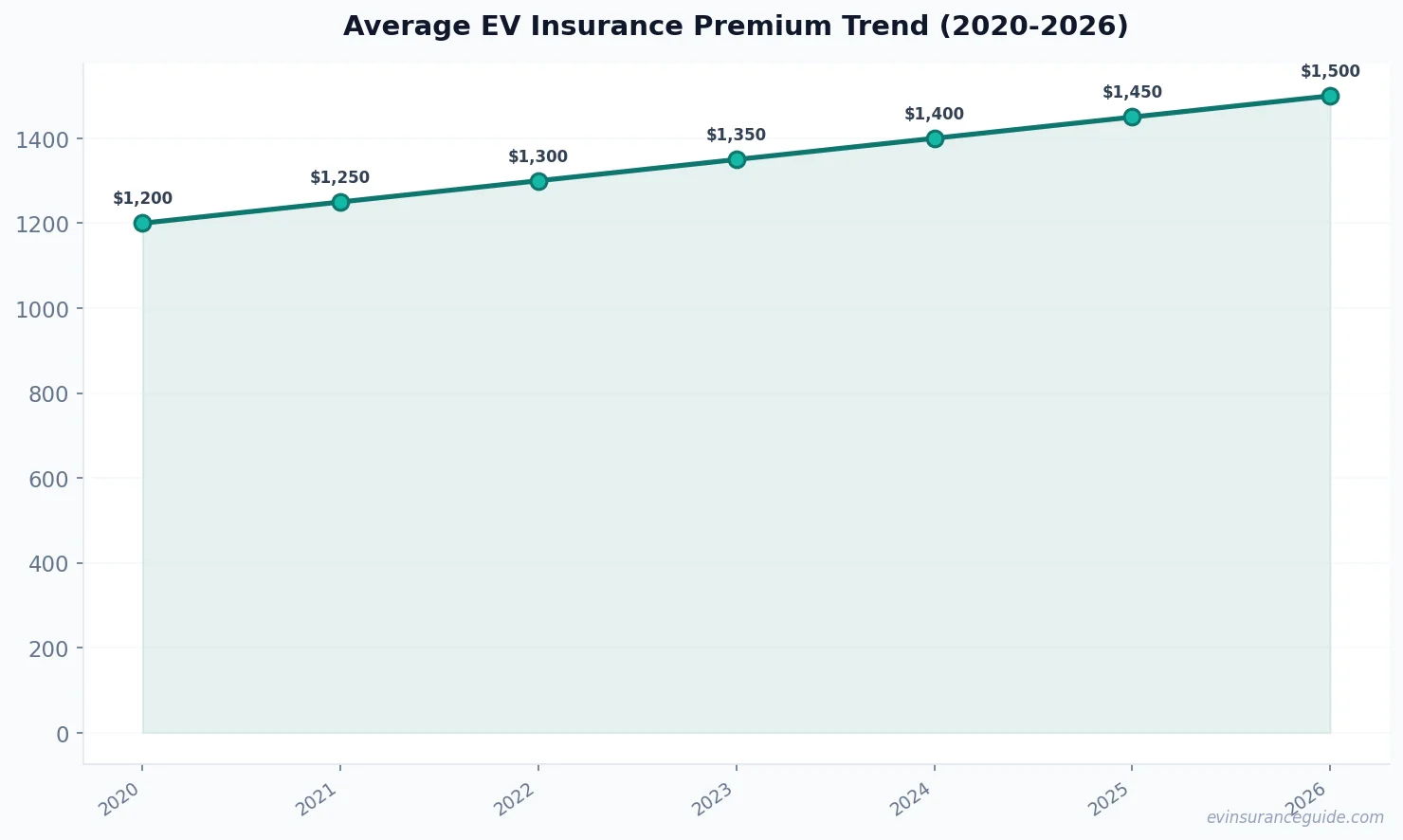
EV insurance rates are like a wild rollercoaster ride - one minute you're cruising, the next you're plummeting downwards. But here's the thing: they're actually more stable than you'd think, especially when compared to gas-guzzler insurance costs. Sound familiar? I mean, who hasn't seen their premium jump up after a claim? But when you look at the data, EV insurance rates have been pretty steady, with some carriers like Geico and Progressive even offering discounts for eco-friendly vehicles. That's a big deal, especially if you're driving a Tesla Model 3 or BMW iX - those babies can get pricey to insure.
OK So Here's the Deal With EV Insurance Rates
The thing is, EVs are still a relatively new market, so insurers are playing it safe. They're not sure what to expect in terms of claims, so they're charging a bit more to cover their bases. But as more EVs hit the road, we're seeing some interesting trends emerge. For example, a study by the National Association of Insurance Commissioners found that EV owners tend to be more environmentally conscious, which can translate to safer driving habits. Know what the kicker is? This can actually lead to lower premiums in the long run. I mean, who wouldn't want to save some cash on their insurance?
But let's get real - EV insurance can still be expensive. I've seen quotes ranging from $1,500 to $3,000 per year for a Tesla Model Y, depending on the location and driving history. That's a pretty big range, if you ask me. And it's not just the cost of the vehicle itself - it's also the cost of replacement parts, labor, and other factors. So, how can you save on your EV insurance? Well, for starters, you can shop around and compare quotes from different carriers. You can also consider bundling your policies or taking advantage of low-mileage discounts.
EVs vs Gas Guzzlers: Which Ones Cost More to Insure?
Here's a fun fact: EVs are actually cheaper to insure than gas-guzzlers in some cases. I know, I know - it sounds crazy, but hear me out. According to a study by the Insurance Institute for Highway Safety, EVs tend to have lower crash rates and less severe injuries than gas-powered vehicles. This can translate to lower premiums, especially if you're driving a vehicle like the Hyundai Ioniq 5 or Rivian. And let's not forget about the cost of fuel - EVs can save you big time on gas costs, which can help offset the cost of insurance.
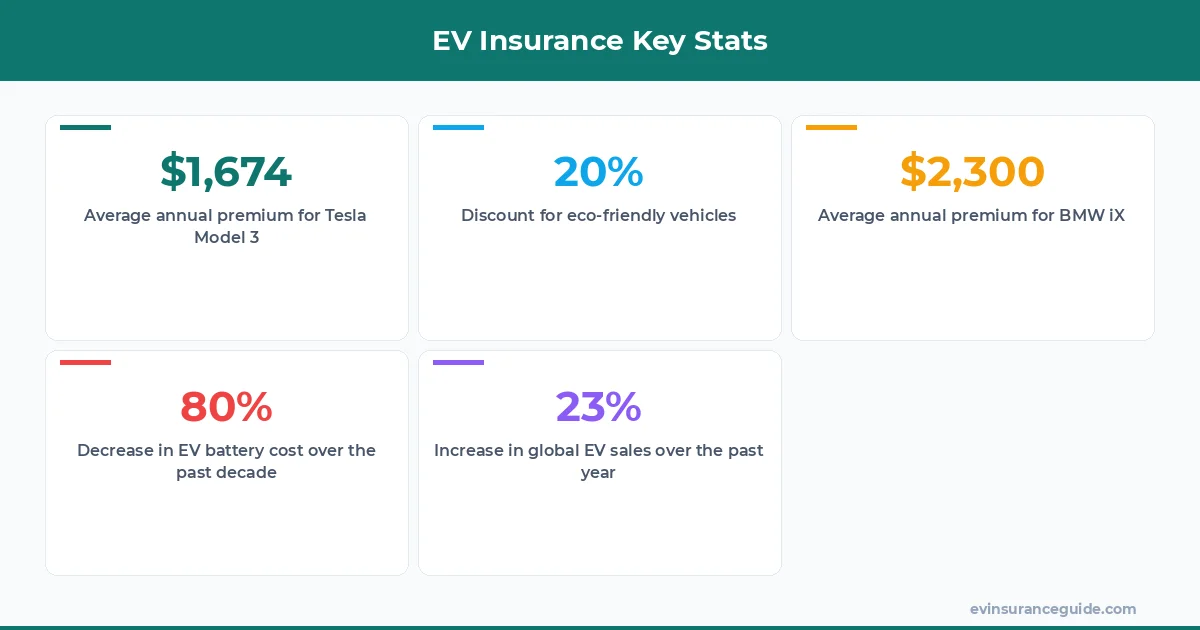
But what about the cost of replacement parts? Won't that be more expensive for EVs? Not necessarily. While it's true that EVs have some unique components, like batteries and electric motors, the cost of replacement parts is actually decreasing over time. In fact, a study by BloombergNEF found that the cost of EV batteries has fallen by over 80% in the past decade. That's a huge drop, if you ask me. And it's not just batteries - other components, like electric motors and inverters, are also getting cheaper.
So, which EVs are the cheapest to insure? Well, according to my research, the Tesla Model 3 is one of the most affordable options out there. With an average annual premium of around $1,674, it's a great choice for anyone looking to save on their insurance. And let's not forget about the BMW iX - with an average premium of around $2,300, it's a bit more expensive, but still a great option.
5 Key Factors That Affect EV Insurance Rates
There are a few key factors that can affect your EV insurance rates. For example, your location can play a big role - if you live in an area with high crime rates or heavy traffic, you'll likely pay more for insurance. Your driving history is also a major factor - if you have a clean record, you'll qualify for lower premiums. And let's not forget about the cost of the vehicle itself - if you're driving a luxury EV like the Tesla Model S, you'll pay more for insurance.
But what about the type of insurance you choose? Well, that's a great question. If you opt for a comprehensive policy with collision coverage, you'll pay more than if you just have liability coverage. And what about deductibles? If you choose a higher deductible, you'll pay less for your premium, but more out-of-pocket if you file a claim. It's all about finding that balance, you know?
And then there's the issue of insurance carriers - some are more EV-friendly than others. For example, State Farm and Allstate offer specialized EV insurance policies with discounts for eco-friendly vehicles. But others, like Liberty Mutual, may not offer the same level of coverage or discounts. So, it's worth shopping around and comparing quotes from different carriers.
Can You Really Save Money on EV Insurance?
So, can you really save money on EV insurance? The answer is yes - but it depends on a few factors. For example, if you're driving a vehicle like the Hyundai Ioniq 5, you may qualify for discounts on your premium. And if you're willing to shop around and compare quotes, you can find some great deals out there. But what about the cost of insurance over time? Will it go up or down?
That's a great question. According to my research, EV insurance rates are likely to decrease over time as more carriers enter the market and competition increases. In fact, a study by Ernst & Young found that the global EV insurance market is expected to grow by over 20% in the next five years. That's a huge opportunity for savings, if you ask me.
Myth-Busting EV Insurance: Separating Fact from Fiction
There are a lot of myths out there about EV insurance - for example, that it's always more expensive than gas-guzzler insurance. But the truth is, EV insurance can be cheaper in some cases, especially if you're driving a vehicle like the Tesla Model 3. And what about the cost of replacement parts? Won't that be more expensive for EVs? Not necessarily - as I mentioned earlier, the cost of EV batteries and other components is decreasing over time.
So, what's the bottom line? EV insurance can be a bit more expensive than gas-guzzler insurance, but it's not always the case. And with the right carrier, policy, and vehicle, you can save big time on your premium. Just remember to shop around, compare quotes, and take advantage of discounts and low-mileage incentives. That's the key to saving on your EV insurance.
Frequently Asked Questions
What is the average cost of EV insurance?
The average cost of EV insurance varies depending on the vehicle, location, and driving history. However, according to my research, the average annual premium for a Tesla Model 3 is around $1,674. For a BMW iX, it's around $2,300.
Can I save money on EV insurance by shopping around?
Yes, you can save money on EV insurance by shopping around and comparing quotes from different carriers. In fact, a study by the National Association of Insurance Commissioners found that drivers who shop around can save up to 20% on their premium.
What factors affect EV insurance rates?
There are several factors that can affect EV insurance rates, including the cost of the vehicle, location, driving history, and type of insurance policy. Additionally, some carriers may offer discounts for eco-friendly vehicles or low-mileage driving.
How can I get a discount on my EV insurance?
You can get a discount on your EV insurance by shopping around, comparing quotes, and taking advantage of low-mileage incentives. Some carriers also offer discounts for eco-friendly vehicles or bundling policies.
What is the difference between comprehensive and collision coverage?
Comprehensive coverage covers damages to your vehicle that are not related to an accident, such as theft or vandalism. Collision coverage, on the other hand, covers damages to your vehicle in the event of an accident. It's worth noting that comprehensive coverage is usually more expensive than collision coverage.
Can I insure my EV with a gas-guzzler insurance policy?
No, you should not insure your EV with a gas-guzzler insurance policy. EVs have unique components and requirements that are not covered by traditional insurance policies. You should opt for a specialized EV insurance policy that covers the specific needs of your vehicle.
Pro tip: Always read the fine print and ask questions before signing up for an insurance policy. It's better to be safe than sorry, especially when it comes to your EV.
And that's a wrap, folks. EV insurance rates may seem like a mystery, but with the right information and a bit of research, you can save big time on your premium. Happy driving, and don't overpay! — Alex