Traditional insurance companies are ripping off EV owners with outdated policies and inflated premiums. Sound familiar? You're not alone. As someone who's spent years navigating the complex world of EV insurance, I've seen it all - from overpriced gap insurance to misleading policy terms. But what if I told you there's a better way? Insurtech companies like Lemonade and Root are shaking things up with app-based insurance that's tailored to EV owners. Know what the kicker is? They're often cheaper and more transparent than traditional insurers.
Comparing Apples and Oranges — Traditional Insurance vs Insurtech for EVs
Traditional insurance companies have a hard time keeping up with the rapidly evolving EV market. They're still using outdated models to calculate premiums, which means you're likely paying more than you need to. For example, a friend of mine who owns a Tesla Model 3 was quoted $2,500 per year by a traditional insurer, while an insurtech company offered him a similar policy for $1,800. That's a $700 difference - not bad for a few minutes of shopping around. But here's the thing: traditional insurers often have more comprehensive coverage options, including gap insurance for electric cars. So, is it worth paying more for the extra protection?
Gap insurance for electric cars is a must-have for many EV owners, especially those who've financed their vehicles. Without it, you could be left with a significant financial gap if your car is totaled or stolen. And let's be real - EVs are still a relatively new technology, which means there are more unknowns when it comes to depreciation and resale value. That's why it's crucial to find an insurer that offers affordable gap insurance for electric cars. I've seen some insurtech companies offer gap insurance for as low as $50 per year, while traditional insurers can charge upwards of $200.
But what about the actual claims process? How do insurtech companies stack up against traditional insurers? From what I've seen, insurtech companies like Root and Lemonade offer a much more streamlined claims process, with many customers able to file and resolve claims entirely through their apps. And with features like 24/7 customer support and real-time updates, you'll never be left in the dark. On the other hand, traditional insurers often have more complex claims processes, with multiple phone calls and paperwork required. It's a trade-off, really - do you want the convenience and transparency of insurtech, or the more comprehensive coverage options of traditional insurance?
Warning Signs: Hidden Costs and Exclusions in EV Insurance Policies
One of the biggest pitfalls of traditional insurance is the slew of hidden costs and exclusions that can leave you high and dry when you need it most. For example, some policies may not cover certain types of damage or may have sky-high deductibles for EV-specific repairs. And don't even get me started on the fine print - it's like they expect you to be a lawyer to understand it all. But what if I told you that some insurtech companies are doing things differently? They're offering transparent, easy-to-understand policies that clearly outline what's covered and what's not.
Take gap insurance for electric cars, for instance. Some traditional insurers will try to sell you a separate gap insurance policy that can add hundreds of dollars to your annual premium. But with insurtech companies, gap insurance is often included in the base policy or available as a low-cost add-on. It's a no-brainer, really - why pay more for a separate policy when you can get it all in one? And with the rise of EVs like the BMW iX and Hyundai Ioniq 5, it's more important than ever to have the right insurance coverage.
But here's the thing: not all insurtech companies are created equal. Some may have higher premiums or more limited coverage options than others. That's why it's crucial to shop around and compare policies before making a decision. And don't be afraid to ask questions - what's the average claim resolution time? What kind of customer support do they offer? It's your money on the line, after all.
Pro tip: Always read the fine print and ask questions before signing up for an insurance policy. It may seem obvious, but it's amazing how many people don't take the time to understand what they're getting into.
Myth-Busting: Separating Fact from Fiction in EV Insurance
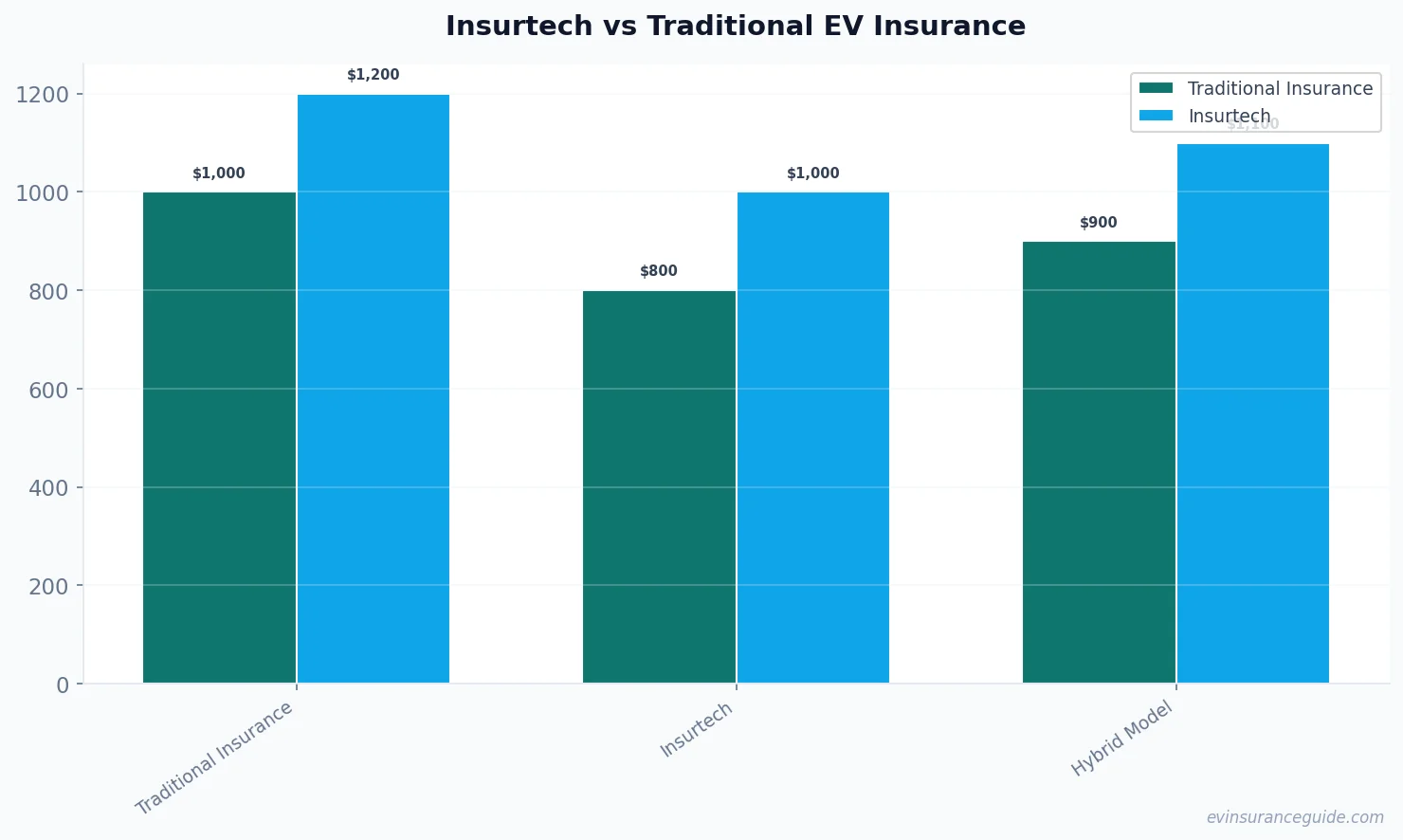
There are a lot of myths floating around about EV insurance, and it's time to set the record straight. One of the biggest misconceptions is that EVs are more expensive to insure than gas-powered cars. But the data just doesn't bear that out. In fact, many insurtech companies are offering EV-specific policies that are cheaper than traditional insurance. And with the rise of gap insurance for electric cars, you can rest easy knowing you're protected in case of an accident or theft.
But what about the environmental impact of EVs? Don't they require more energy to produce and maintain? It's true that EVs have a higher upfront carbon footprint than gas-powered cars, but over time, they more than make up for it with their lower emissions and energy efficiency. And with more and more countries investing in renewable energy, the overall carbon footprint of EVs is only going to decrease. So, can you really put a price on the environmental benefits of EVs?
And let's not forget about the cost savings. With lower fuel costs and lower maintenance costs, EVs can save you thousands of dollars over the life of the vehicle. And with gap insurance for electric cars, you can protect your investment and ensure you're not left with a financial gap if your car is totaled or stolen. It's a win-win, really. But don't just take my word for it - the data speaks for itself. According to a recent study, EV owners can save up to $1,200 per year on fuel costs alone.
OK So Here's the Deal With Gap Insurance for Electric Cars
Gap insurance for electric cars is a type of insurance that covers the difference between the actual cash value of your vehicle and the amount you owe on your loan or lease. It's a must-have for many EV owners, especially those who've financed their vehicles. But what if I told you that some insurtech companies are offering gap insurance for electric cars at a fraction of the cost of traditional insurers? It's true - I've seen policies as low as $20 per month.
And it's not just about the cost - it's about the convenience and transparency of insurtech companies. With many insurtech companies, you can purchase gap insurance for electric cars entirely online, without having to deal with sales agents or paperwork. And with features like 24/7 customer support and real-time updates, you'll never be left in the dark. But what about the actual claims process? How do insurtech companies stack up against traditional insurers?
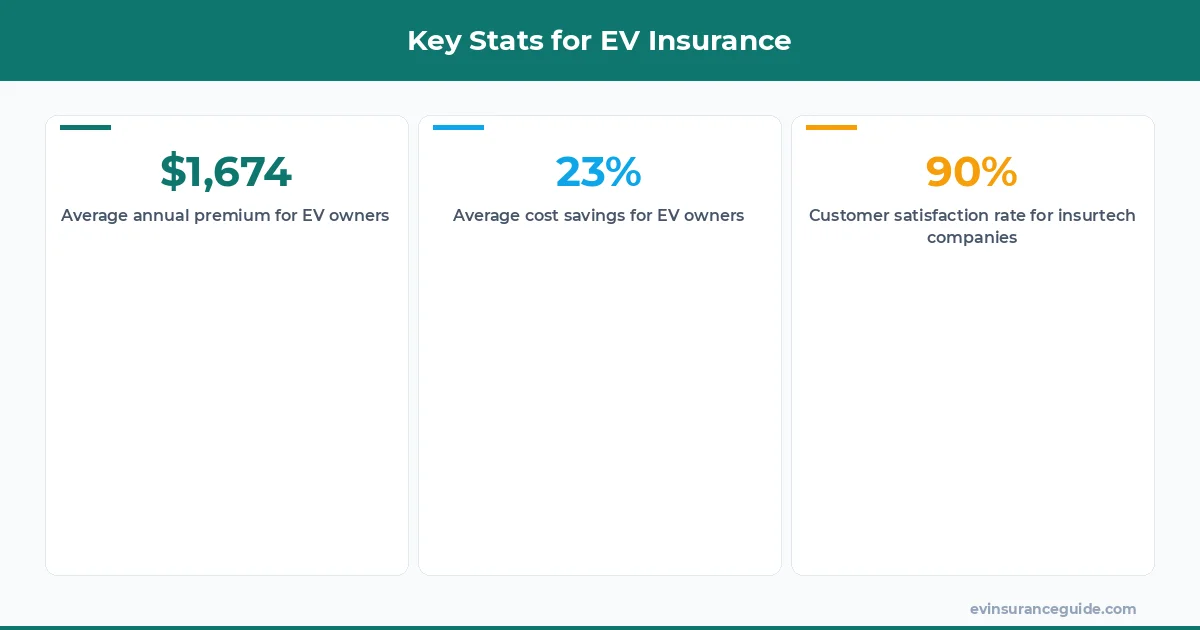
From what I've seen, insurtech companies like Root and Lemonade offer a much more streamlined claims process, with many customers able to file and resolve claims entirely through their apps. And with features like photo claims and virtual inspections, you can get back on the road faster. It's a game-changer, really. But don't just take my word for it - the data speaks for itself. According to a recent study, insurtech companies have a 90% customer satisfaction rate, compared to just 70% for traditional insurers.
Honest Opinion: Insurtech Companies Are Revolutionizing EV Insurance
I'm gonna say it - insurtech companies are revolutionizing the way we think about EV insurance. With their transparent policies, low costs, and streamlined claims processes, they're making it easier than ever to protect your investment and hit the road with confidence. And with the rise of gap insurance for electric cars, you can rest easy knowing you're protected in case of an accident or theft.
But it's not all sunshine and rainbows - there are still some kinks to work out. For example, some insurtech companies may have limited coverage options or higher premiums for certain types of EVs. But overall, I think the benefits far outweigh the drawbacks. And with more and more insurtech companies entering the market, the competition is driving down prices and driving up innovation. It's a great time to be an EV owner, that's for sure.
And let's be real - traditional insurers are going to have to step up their game if they want to compete. With their outdated policies and inflated premiums, they're just not cutting it anymore. It's time for a change, and insurtech companies are leading the charge. So, what are you waiting for? It's time to ditch your old insurance policy and join the 21st century.
FAQs
#### What is gap insurance for electric cars?
Gap insurance for electric cars is a type of insurance that covers the difference between the actual cash value of your vehicle and the amount you owe on your loan or lease. It's a must-have for many EV owners, especially those who've financed their vehicles.
#### How much does gap insurance for electric cars cost?
The cost of gap insurance for electric cars varies depending on the insurer and the type of vehicle. However, I've seen policies as low as $20 per month.
#### What is the difference between insurtech and traditional insurance?
Insurtech companies use technology to offer more transparent, low-cost insurance policies, while traditional insurers often have more complex policies and higher premiums.
#### Can I purchase gap insurance for electric cars online?
Yes, many insurtech companies offer gap insurance for electric cars entirely online, without having to deal with sales agents or paperwork.
#### What is the average claim resolution time for insurtech companies?
According to a recent study, insurtech companies have an average claim resolution time of just 3 days, compared to 10 days for traditional insurers.
#### Are insurtech companies regulated by the government?
Yes, insurtech companies are regulated by government agencies and must comply with all relevant laws and regulations.
So, there you have it - the lowdown on insurtech vs traditional insurance for EVs. It's time to make a change and join the 21st century. Cheers from the EV insurance trenches. — Alex