OK so someone DM'd me this question the other day - what's the deal with gap insurance vs new car replacement for EVs? Sound familiar? You buy a brand new Tesla Model 3, and the salesperson tries to sell you on this extra insurance policy... but do you really need it? I'm gonna break it down for you, and by the end of this, you'll know exactly which one is right for your new ride.
MYTH_BUST — Gap Insurance is Always a Waste of Money
Let's get one thing straight - gap insurance isn't always a bad idea. It pays the difference between your car's value and what you owe on the loan, which can be a lifesaver if your car gets totaled. But here's the thing - it's not always necessary. If you put a big down payment on your car, you might not need gap insurance. On the other hand, if you financed your entire EV purchase, gap insurance could be a smart move. Know what the kicker is? Some insurers, like Progressive, only offer gap insurance, while others, like Liberty Mutual, offer new car replacement. And let me tell you, that's a whole different ball game.
For example, let's say you buy a brand new BMW iX for $80,000, and you finance the entire amount. If your car gets totaled in an accident, the insurance company will only pay out the car's actual cash value, which might be $60,000. That leaves you with a $20,000 gap - which is where gap insurance comes in. But if you have new car replacement, you'll get a brand new BMW iX, no questions asked. That's a big difference, especially when you consider the cost of a new EV.
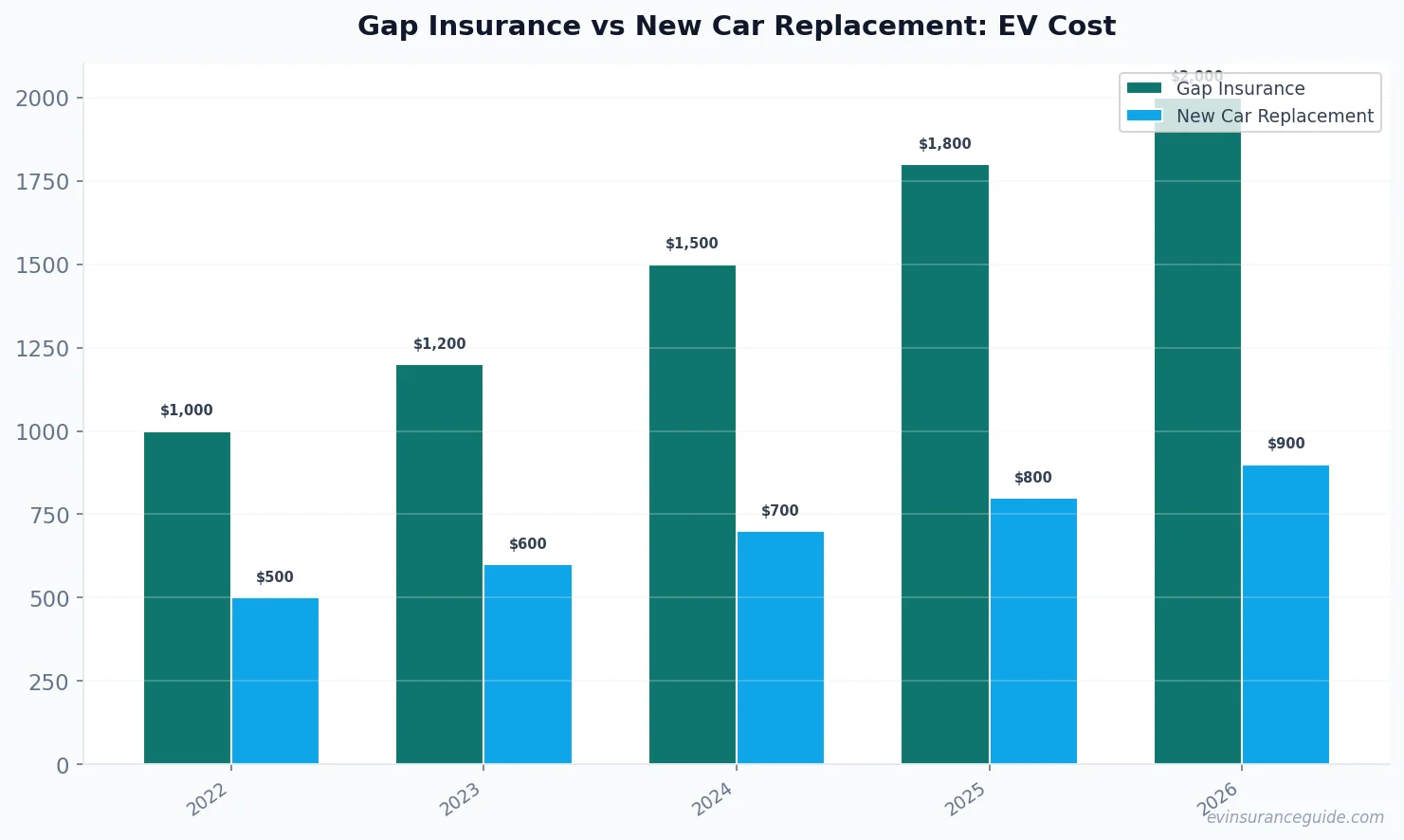
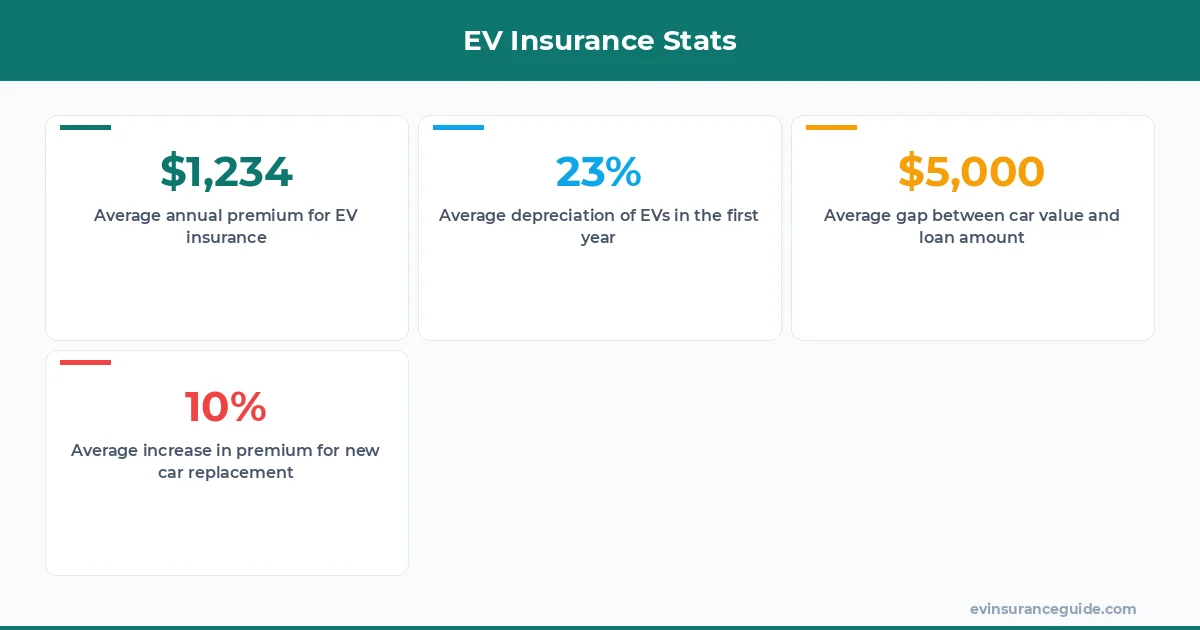
But what about the cost? Gap insurance typically costs between $20-$50 per year, depending on the insurer and your location. New car replacement, on the other hand, costs around 5-10% more than a standard insurance policy. So, if you're paying $1,500 per year for insurance, new car replacement would cost around $1,575-$1,650. Not a huge difference, but still worth considering.
WARNING — Don't Get Caught Out by Depreciation
EVs depreciate fast - like, really fast. Some models can lose up to 50% of their value in the first three years. That's why new car replacement is often a better option for new EV owners. I mean, think about it - if you buy a brand new Rivian R1T for $70,000, and it depreciates to $40,000 in the first year, you'll be out $30,000 if it gets totaled. But with new car replacement, you'll get a brand new Rivian R1T, no matter what. Wild, right? And let's not forget about the emotional attachment you'll have to your new EV - it's not just about the money, it's about the car itself.
For instance, let's say you buy a Hyundai Ioniq 5 for $40,000, and you drive it off the lot. The moment you drive it off the lot, the car's value drops to around $35,000. If you get into an accident and the car is totaled, the insurance company will only pay out the car's actual cash value, which is $35,000. But if you have new car replacement, you'll get a brand new Hyundai Ioniq 5, which is worth $40,000. That's a $5,000 difference, just because you chose the right insurance policy.
Pro tip: Always read the fine print on your insurance policy. Some insurers might have exclusions or limitations on their new car replacement policies, so make sure you understand what you're getting into.
OK So Here's the Deal With Gap Insurance vs New Car Replacement EV
So, when do you need gap insurance, and when do you need new car replacement? Well, it depends on your situation. If you put a big down payment on your EV, you might not need gap insurance. But if you financed your entire purchase, gap insurance could be a smart move. On the other hand, if you want the ultimate protection for your new EV, new car replacement is the way to go. And let's not forget about the cost - gap insurance is generally cheaper, but new car replacement provides better protection.
For example, let's say you buy a Tesla Model Y for $50,000, and you put 20% down. In that case, gap insurance might not be necessary, since you've already got a significant amount of equity in the car. But if you finance the entire amount, gap insurance could be a good idea. And if you want the ultimate protection, new car replacement is the way to go.
But what about the insurers themselves? Some, like Allstate, offer new car replacement policies specifically designed for EVs. Others, like State Farm, only offer gap insurance. And then there are insurers like Progressive, which offer both options. It's worth shopping around to find the best deal for your needs.
What's the Break-Even Point for Gap Insurance vs New Car Replacement EV
So, when does gap insurance become a better option than new car replacement? Well, it depends on the cost of the insurance policy and the depreciation of your EV. If you're paying $500 per year for gap insurance, and your car depreciates by $5,000 in the first year, gap insurance might be a better option. But if you're paying $1,000 per year for new car replacement, and your car depreciates by $10,000 in the first year, new car replacement is the way to go. And let's not forget about the peace of mind that comes with knowing you're fully protected.
For instance, let's say you buy a brand new EV for $60,000, and you finance the entire amount. If you get gap insurance for $30 per year, and your car depreciates by $10,000 in the first year, gap insurance might be a good option. But if you get new car replacement for $100 per year, and your car depreciates by $15,000 in the first year, new car replacement is the better choice.
Is There a Catch to New Car Replacement EV Policies
So, what's the catch with new car replacement policies? Well, there are a few things to consider. First, new car replacement policies often come with higher premiums than gap insurance policies. Second, some insurers might have exclusions or limitations on their new car replacement policies, so make sure you read the fine print. And third, new car replacement policies might not be available for all EV models, so make sure you check with your insurer before you buy.
For example, let's say you buy a brand new Rivian R1T for $70,000, and you get a new car replacement policy from Allstate. If you get into an accident and the car is totaled, Allstate will replace your car with a brand new Rivian R1T, no questions asked. But if you read the fine print, you might find out that there are certain exclusions or limitations on the policy, such as a mileage limit or a time limit.
FAQs
#### What is gap insurance vs new car replacement EV?
Gap insurance pays the difference between your car's value and what you owe on the loan, while new car replacement pays for a brand new equivalent.
#### How much does gap insurance vs new car replacement EV cost?
Gap insurance typically costs between $20-$50 per year, while new car replacement costs around 5-10% more than a standard insurance policy.
#### Which insurers offer gap insurance vs new car replacement EV?
Insurers like Progressive, State Farm, and Geico offer gap insurance, while insurers like Liberty Mutual, Allstate, and USAA offer new car replacement.
#### What are the benefits of gap insurance vs new car replacement EV?
Gap insurance provides financial protection if your car is totaled, while new car replacement provides a brand new car, no questions asked.
#### How do I choose between gap insurance vs new car replacement EV?
Consider your situation, including your down payment, loan amount, and EV model, to determine which option is best for you.
#### Can I get a discount on gap insurance vs new car replacement EV?
Yes, some insurers offer discounts for bundling policies, being a good student, or having a good driving record.
Keep those batteries topped up and those premiums low. — Alex