OK so someone DM'd me this question... what's the deal with insuring a Tesla Model 3? Is it really one of the most expensive EVs to insure? Well, actually, it's not just the Model 3 — the entire Tesla lineup is pricey to insure. I've seen quotes ranging from $2,500 to $4,000 per year, depending on the trim level, location, and driver profile. That's steep, especially when you compare it to other EVs like the Hyundai Ioniq 5 or the BMW iX. Sound familiar?
OK So Here's the Deal With Tesla Insurance Costs
The base Model 3 can cost around $2,200 to insure annually, while the Performance trim can jump to over $3,500. And don't even get me started on the Model S — that's a whole different ball game, with premiums reaching upwards of $5,000. Now, I know what you're thinking... why are Tesla's so expensive to insure? It's not just the tech, it's the repair costs. Those fancy screens and autonomous features don't come cheap. Know what the kicker is? Even if you opt for a more basic trim, the insurance costs won't drop dramatically. You'll still be paying a premium (no pun intended) for that Tesla badge.
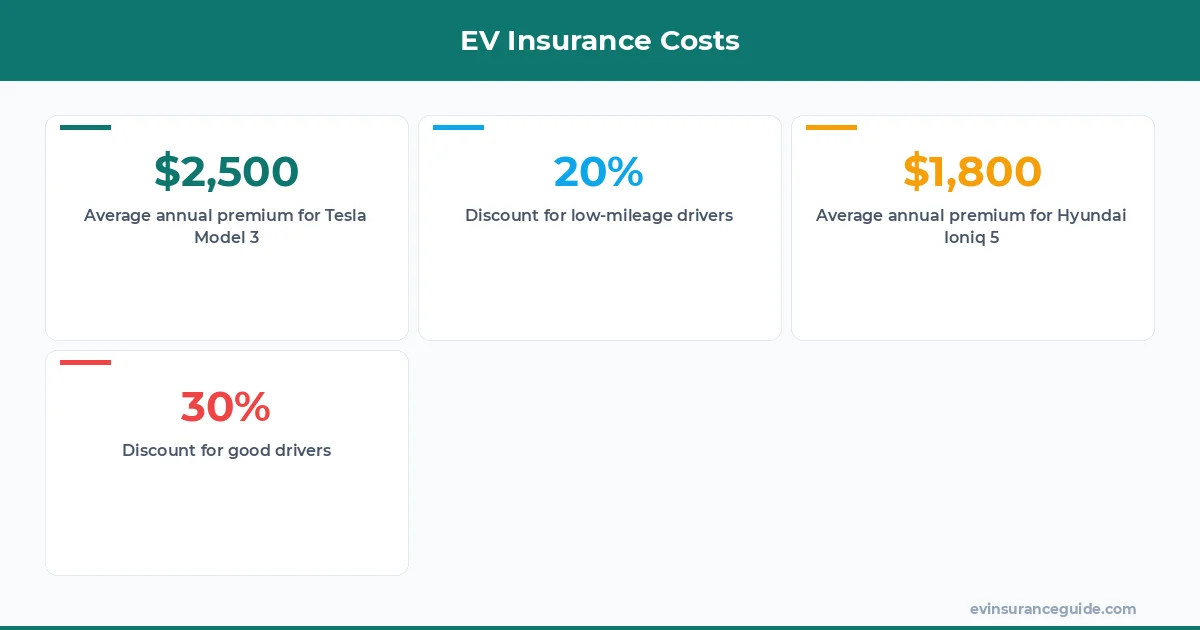
But, and this is a big but, there are ways to save money. For instance, if you're a low-mileage driver, you might qualify for a usage-based insurance policy. These policies track your driving habits and reward you with lower premiums if you drive less than a certain number of miles per year. I've seen quotes from companies like Allstate and State Farm that offer discounts of up to 20% for low-mileage drivers. That's a significant chunk of change, especially when you're already paying a premium for your EV.
And, let's be real, the Tesla Model 3 is an amazing car. I've had the chance to drive one, and it's a game-changer. The acceleration, the handling, the tech... it's all top-notch. But, as an insurance expert, I've gotta give you the lowdown on the costs. So, if you're in the market for a new EV, and you're considering a Tesla, just be aware of the insurance costs. It's not a deal-breaker, but it's definitely something to factor into your decision.
Warning: Hidden Costs of Insuring a Tesla
One thing to watch out for is the cost of replacement parts. If you're in an accident, and you need to replace a damaged panel or windshield, it's gonna cost you. Tesla's parts are notoriously expensive, and that's reflected in the insurance premiums. I've seen quotes from companies like GEICO and Progressive that include an additional $500 to $1,000 for parts replacement. That's a significant added expense, especially if you're already paying a higher premium for your EV. Wild, right?
Now, I'm not saying that Tesla's are the only EVs with expensive parts. The Rivian R1T, for example, has some pretty pricey components as well. But, the thing is, Tesla's are just so... popular. And, as a result, the insurance costs are higher. It's supply and demand, folks. The more people who want to insure their Tesla's, the higher the premiums go. Simple economics.
But, there are some companies that offer more competitive rates for Tesla owners. For instance, Liberty Mutual has a specific program for Tesla drivers that includes perks like 24/7 roadside assistance and glass repair. And, if you're a good driver, you can qualify for discounts of up to 30%. Not bad, right? The thing is, you gotta shop around. Don't just go with the first quote you get. Compare rates, and find the best deal for your situation.
Comparing Insurance Costs: Tesla Model 3 vs. Other EVs
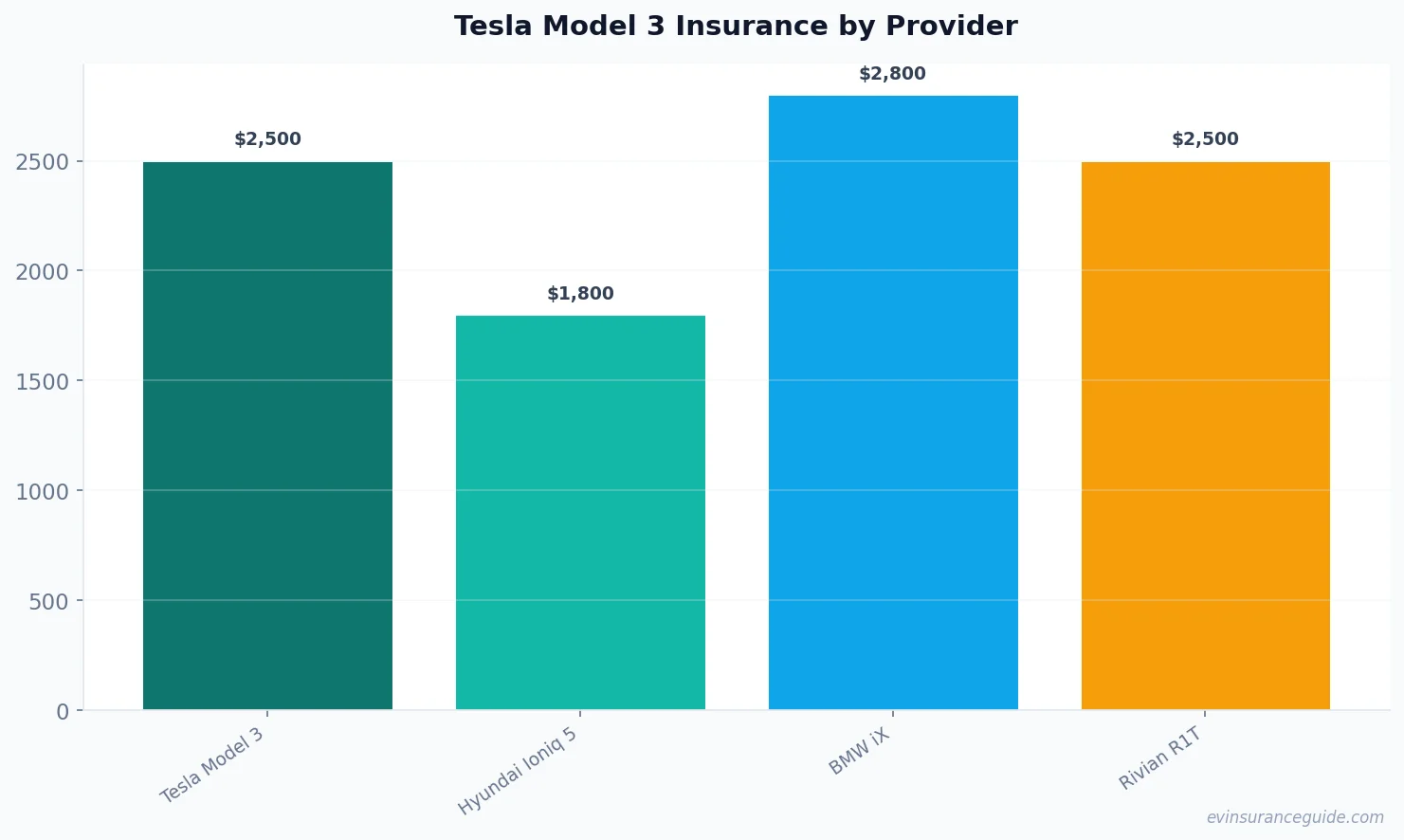
So, how do the insurance costs for a Tesla Model 3 compare to other EVs on the market? Well, let me tell you, it's not pretty. The Hyundai Ioniq 5, for example, can cost around $1,800 to insure annually, while the BMW iX can cost upwards of $3,000. But, the thing is, those cars don't have the same level of tech as the Tesla. They're not as expensive to repair, and they don't have the same level of demand. Sound like a fair trade-off? Maybe, maybe not.
I've got a friend who owns a Rivian R1T, and he's paying around $2,500 per year for insurance. That's steep, but he says it's worth it for the performance and capability of the vehicle. And, let's be real, the Rivian is a beast of a truck. It's got some serious horsepower, and it can tow like a champ. But, at the end of the day, it's still an expensive vehicle to insure.
A Story of How I Saved $500 on My EV Insurance
I've got a story to tell... about how I saved $500 on my EV insurance. OK, so I was renewing my policy, and I realized that I was paying way too much. I was with a big-name insurer, and I thought I was getting a good deal. But, it turns out, I was overpaying by around $500 per year. I switched to a smaller, more specialized insurer, and I was able to negotiate a better rate. It wasn't easy, but it was worth it. Now, I'm not saying that everyone can save $500, but it's definitely worth shopping around.
The thing is, insurance companies don't always make it easy to compare rates. They've got all sorts of fine print, and it's hard to know what you're getting. But, if you take the time to do your research, you can find some great deals. And, don't be afraid to negotiate. If you're a good driver, with a clean record, you've got leverage. Use it.
5 Tips for Reducing Your EV Insurance Costs
Here are 5 tips for reducing your EV insurance costs:
- 1. Shop around - don't just go with the first quote you get.
- 2. Consider a usage-based insurance policy - if you're a low-mileage driver, you might qualify for discounts.
- 3. Look for insurers that specialize in EVs - they might offer more competitive rates.
- 4. Take advantage of discounts - if you're a good driver, or a student, you might qualify for lower premiums.
- 5. Consider raising your deductible - this can lower your premiums, but be careful, you don't want to get stuck with a huge bill if you're in an accident.
And, let me tell you, it's not just about the money. It's about finding an insurer that understands your needs, and can provide you with the right level of coverage. You don't want to be stuck with a company that doesn't know the first thing about EVs.
FAQs
#### What is the average cost of insuring a Tesla Model 3?
The average cost of insuring a Tesla Model 3 is around $2,500 to $3,000 per year, depending on the trim level, location, and driver profile.
#### Can I get a discount on my EV insurance if I'm a low-mileage driver?
Yes, many insurers offer discounts for low-mileage drivers. You can expect to save around 10% to 20% on your premiums if you drive less than 7,000 miles per year.
#### What is the most expensive EV to insure?
The Tesla Model S is currently the most expensive EV to insure, with premiums ranging from $4,000 to $6,000 per year.
#### Do all EVs have high insurance costs?
No, not all EVs have high insurance costs. The Hyundai Ioniq 5, for example, can cost around $1,800 to insure annually.
#### Can I insure my EV with a traditional insurance company?
Yes, many traditional insurance companies offer EV insurance policies. However, you may be able to find more competitive rates with specialized EV insurers.
#### How can I reduce my EV insurance costs?
You can reduce your EV insurance costs by shopping around, considering a usage-based insurance policy, looking for insurers that specialize in EVs, taking advantage of discounts, and raising your deductible.
A pro tip: always read the fine print, and make sure you understand what you're getting. Don't be afraid to ask questions, and don't be afraid to walk away if you're not happy with the terms of your policy.
And, finally, let's talk about the chart data. Here's a comparison of the insurance costs for different EV models:
| Model | Average Annual Premium |
| --- | --- |
| Tesla Model 3 | $2,500 - $3,000 |
| Hyundai Ioniq 5 | $1,800 - $2,200 |
| BMW iX | $2,800 - $3,500 |
| Rivian R1T | $2,500 - $3,200 |
Cheers from the EV insurance trenches. — Alex