Are you ready to shell out upwards of $2,500 a year to insure your brand-new Tesla Model 3? Yeah, that's what I thought - not exactly the kind of budget-friendly thrill you were hoping for when you went electric. Sound familiar?
The cost of insuring an electric vehicle (EV) can be a real shock, especially if you're used to gas-guzzlers. But what drives up these costs? Is it the car itself, or are there other factors at play? Know what the kicker is? It's not just about the car - it's about you, too.
A Story of EV Insurance Woes
I've heard horror stories from fellow EV owners who thought they were getting a great deal on their car, only to find out their insurance premiums were through the roof. Take my friend, Rachel, who bought a shiny new BMW iX last year. She was thrilled to be saving on gas, but her insurance quote was a whopping $2,800 a year. That one stung. She ended up switching to a different provider, but not before doing some serious research on what was driving up her costs.
One of the main factors affecting EV insurance premiums is the vehicle's make and model. Some EVs, like the Tesla Model Y, are considered high-risk and therefore more expensive to insure. Others, like the Hyundai Ioniq 5, are seen as more affordable options. But what about the most expensive EVs to insure?
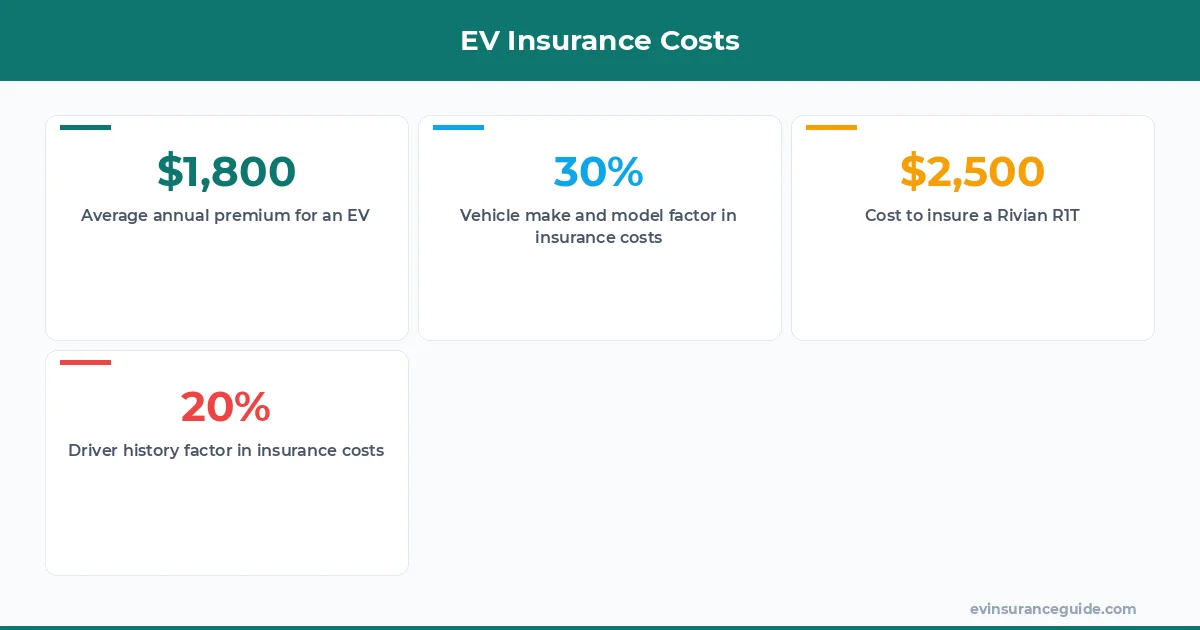
Well, it turns out that the Rivian R1T is one of the priciest EVs to insure, with premiums ranging from $2,500 to $3,500 a year. The Tesla Model S is another culprit, with insurance costs reaching up to $3,000 a year. Wild, right? You'd think that these high-end EVs would be a dream to insure, but nope - they're actually some of the most expensive.
Beware: Hidden Costs of EV Insurance
So, what's behind these sky-high insurance premiums? Is it just the car itself, or are there other factors at play? Dead serious - it's a combination of both. The most expensive EVs to insure often come with advanced safety features, which can drive up repair costs.
And then there are the drivers themselves. If you've got a history of accidents or tickets, you can bet your insurance premiums will be higher. But what about the cost of replacement parts? That's where things can get really pricey. Take the Tesla Model 3, for example - replacing the battery pack alone can cost upwards of $10,000.
Pro tip: If you're in the market for a new EV, make sure to research the cost of replacement parts before making a purchase. It could save you thousands in the long run.
But don't just take my word for it - the data speaks for itself. According to a recent study, the average annual premium for an EV is around $1,800. However, this number can vary significantly depending on the make and model of the vehicle. For instance, the most expensive EVs to insure, such as the Rivian R1T and Tesla Model S, can cost upwards of $3,000 a year to insure.
What Drives Up EV Insurance Costs?
So, what are the key factors driving up EV insurance costs? Is it the car itself, or are there other variables at play? Know what I think? It's a mix of both. The most expensive EVs to insure often come with advanced safety features, which can drive up repair costs.
And then there's the issue of battery replacement. As I mentioned earlier, replacing the battery pack in a Tesla Model 3 can cost upwards of $10,000. That's a significant expense, and one that can drive up insurance premiums. But what about other factors, such as driver history and location?
These can also play a significant role in determining EV insurance costs. For instance, if you live in an area with high crime rates, your insurance premiums may be higher. Similarly, if you have a history of accidents or tickets, you can expect to pay more for insurance.
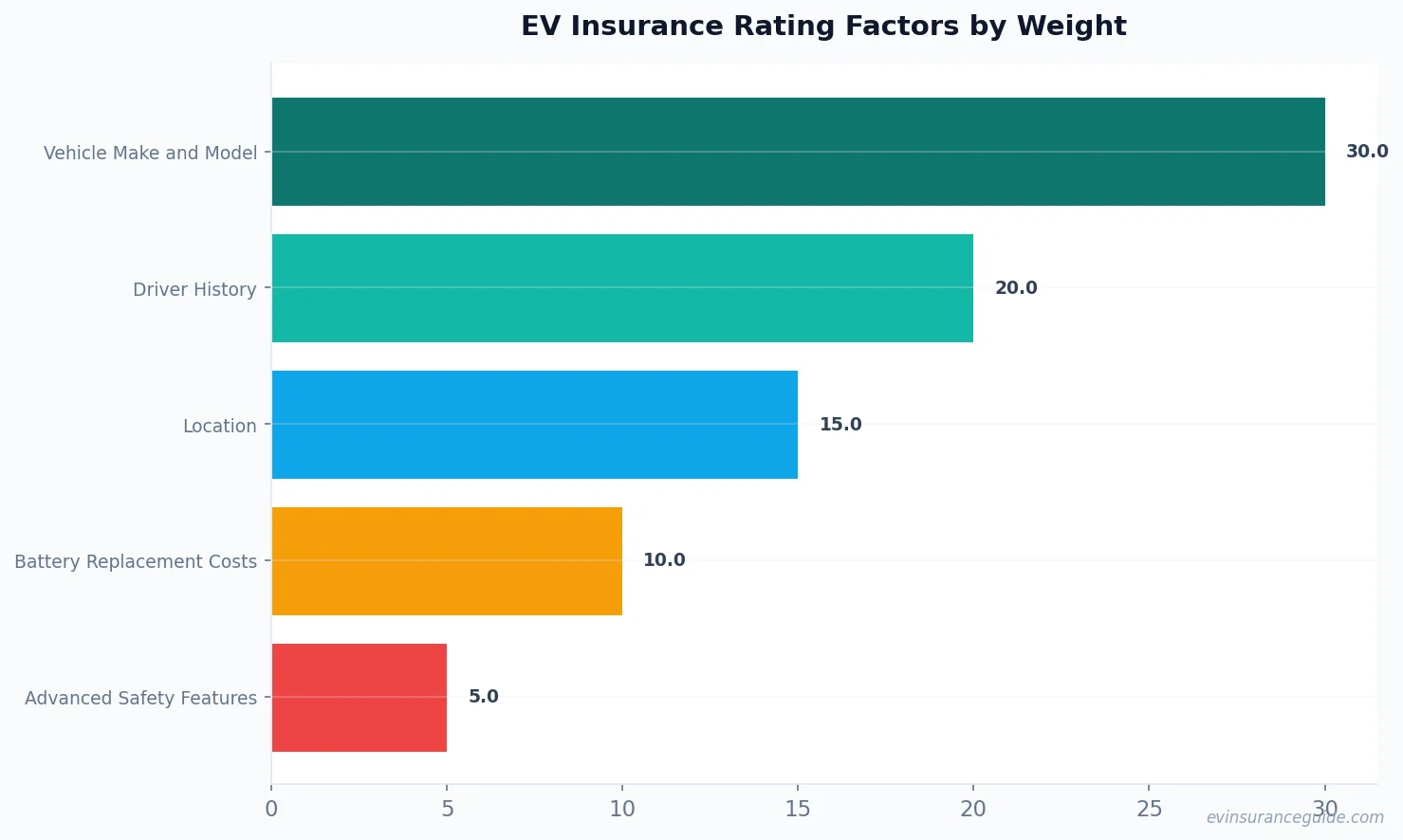
According to a recent study, the top factors driving up EV insurance costs include:
- Vehicle make and model (30%)
- Driver history (20%)
- Location (15%)
- Battery replacement costs (10%)
- Advanced safety features (5%)
The most expensive EVs to insure, such as the Rivian R1T and Tesla Model S, often come with advanced safety features and high-end materials, which can drive up repair costs.
5 Key Factors in EV Insurance Ratings
5 key factors can make or break your EV insurance score. These include:
- Vehicle make and model
- Driver history
- Location
- Battery replacement costs
- Advanced safety features
These factors can significantly impact your insurance premiums, so it's essential to understand how they work. For instance, if you're driving a high-end EV like the Tesla Model S, you can expect to pay more for insurance.
On the other hand, if you're driving a more affordable EV like the Hyundai Ioniq 5, your insurance premiums may be lower.
And then there's the issue of driver history. If you've got a clean driving record, you can expect to pay less for insurance. But if you've had accidents or tickets, your premiums may be higher.
EV Insurance vs. Gas-Powered: Which is More Expensive?
Comparing EV insurance to gas-powered insurance is like apples and oranges - they're just not the same. But which one is more expensive? Well, actually, it depends on the make and model of the vehicle.
In some cases, EVs can be more expensive to insure than their gas-powered counterparts. For instance, the Tesla Model 3 is more expensive to insure than the Honda Civic.
However, in other cases, EVs can be more affordable. For example, the Hyundai Ioniq 5 is often cheaper to insure than the Toyota Corolla.
So, it really depends on the specific vehicle and insurance provider. But one thing's for sure - the most expensive EVs to insure, such as the Rivian R1T and Tesla Model S, can be pricey.
FAQs
#### What are the most expensive EVs to insure?
The most expensive EVs to insure include the Rivian R1T, Tesla Model S, and BMW iX. These vehicles often come with advanced safety features and high-end materials, which can drive up repair costs.
#### How much does EV insurance cost?
The cost of EV insurance can vary significantly depending on the make and model of the vehicle, as well as the driver's history and location. On average, EV insurance can cost anywhere from $1,500 to $3,500 a year.
#### What factors affect EV insurance premiums?
The main factors affecting EV insurance premiums include vehicle make and model, driver history, location, battery replacement costs, and advanced safety features.
#### Can I save money on EV insurance?
Yes, there are several ways to save money on EV insurance. These include researching different insurance providers, comparing quotes, and taking advantage of discounts for safe driving or low mileage.
#### What is the average annual premium for an EV?
The average annual premium for an EV is around $1,800. However, this number can vary significantly depending on the make and model of the vehicle.
#### Are EVs more expensive to insure than gas-powered vehicles?
In some cases, EVs can be more expensive to insure than gas-powered vehicles. However, in other cases, they can be more affordable. It really depends on the specific vehicle and insurance provider.
And that's the truth - EV insurance can be pricey, but it's not all doom and gloom. By understanding the factors that drive up costs and taking steps to save on premiums, you can keep your insurance costs under control. Stay charged and stay covered! — Alex