EV insurance can be a real mixed bag - on one hand, you've got companies like Geico offering discounts for eco-friendly vehicles, but on the other, you've got insurers like State Farm who still seem to think EVs are some kind of exotic luxury item. Sound familiar? I mean, who hasn't had to deal with an adjuster who thinks a Tesla Model 3 is the same as a Ferrari? That one stung. But here's the thing: with the rise of pay per mile EV insurance, things are starting to look up. You see, this type of insurance uses telematics data to track your driving habits and reward you with lower premiums if you're a safe driver. And let me tell you, it's a game-changer.
What's the Deal with Pay Per Mile EV Insurance?
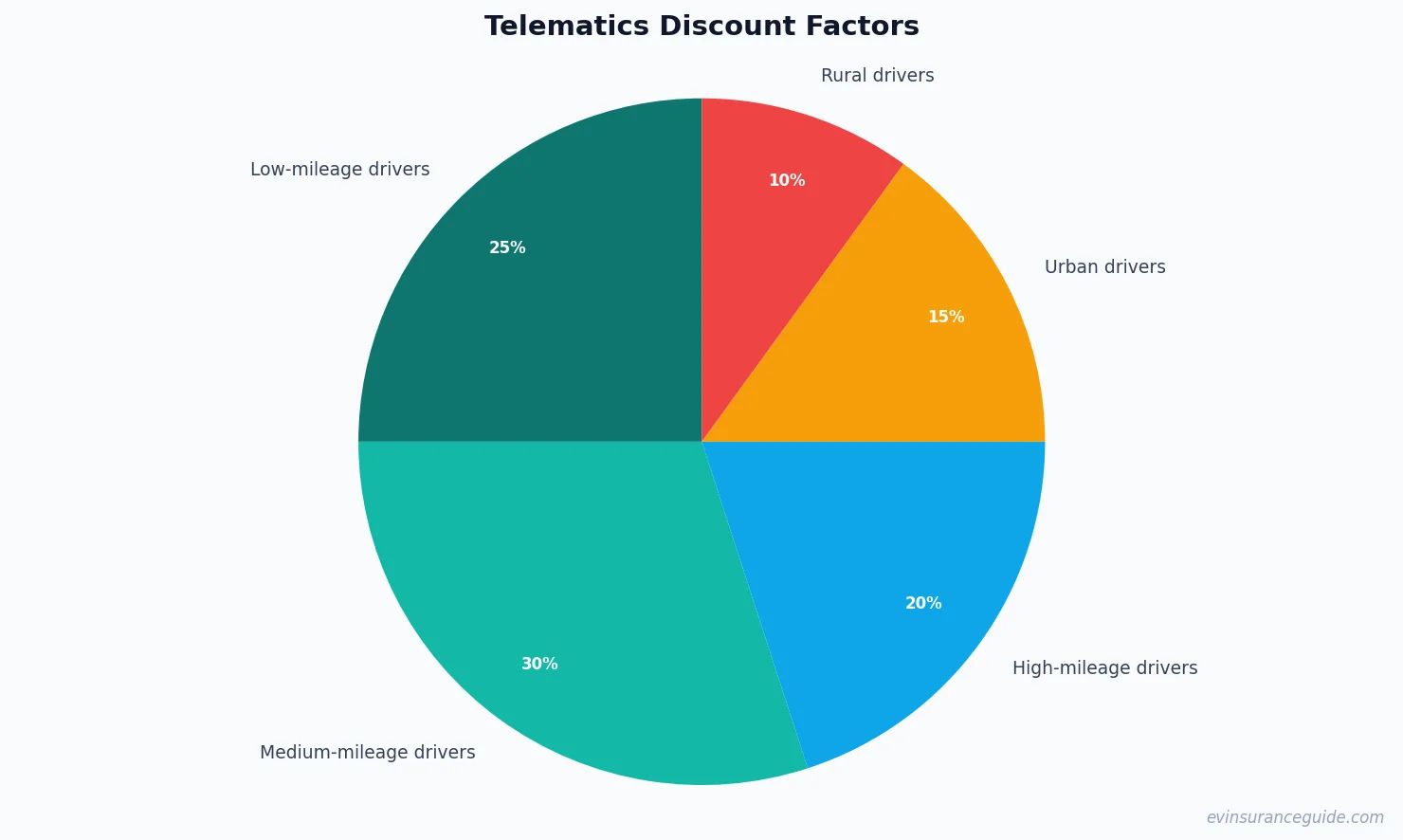
Pay per mile EV insurance is exactly what it sounds like: you pay a base rate, plus a per-mile fee. It's a great option for people who don't drive a lot, like city dwellers who mostly use public transport or ride-share. Companies like Metromile and Allstate are already offering this type of insurance, with premiums ranging from $29 to $69 per month, depending on your location and driving habits. But here's the kicker: with telematics data apps, you can actually slash your premiums by up to 30%. Know what the kicker is? It's not just about the cost savings - it's also about the environmental benefits. I mean, think about it: if you're driving a Hyundai Ioniq 5 or a Rivian, you're already doing your part for the planet. So why not get rewarded for it?
But how does it actually work? Well, you'll typically need to install a small device in your car, which tracks your driving habits and sends the data to your insurer. This can include things like your speed, braking habits, and even the time of day you drive. And let me tell you, it's pretty cool to see the data for yourself - you can actually log in to your account and see exactly how much you're paying per mile. It's like having a personal driving coach, minus the annoying voice telling you to slow down.
Myth-Busting Pay Per Mile EV Insurance
One of the biggest myths about pay per mile EV insurance is that it's only for low-mileage drivers. But that's just not true. I mean, sure, if you're driving a BMW iX and you only put 5,000 miles on it per year, you'll probably save a ton of money. But even if you're driving 15,000 miles per year, you can still save up to 20% on your premiums. And let's not forget about the environmental benefits - if we can get more people driving EVs and paying per mile, we can reduce our carbon footprint and make a real difference. Wild, right?
Now, I know what you're thinking: what about the privacy concerns? Won't the insurer be tracking my every move? But the truth is, most insurers only use the data to determine your premium - they're not tracking your location or anything like that. And if you're really concerned, you can always opt out of the program. But let's be real, the benefits far outweigh the risks. I mean, who doesn't want to save up to 30% on their premiums?
How Does Pay Per Mile EV Insurance Compare to Traditional Insurance?
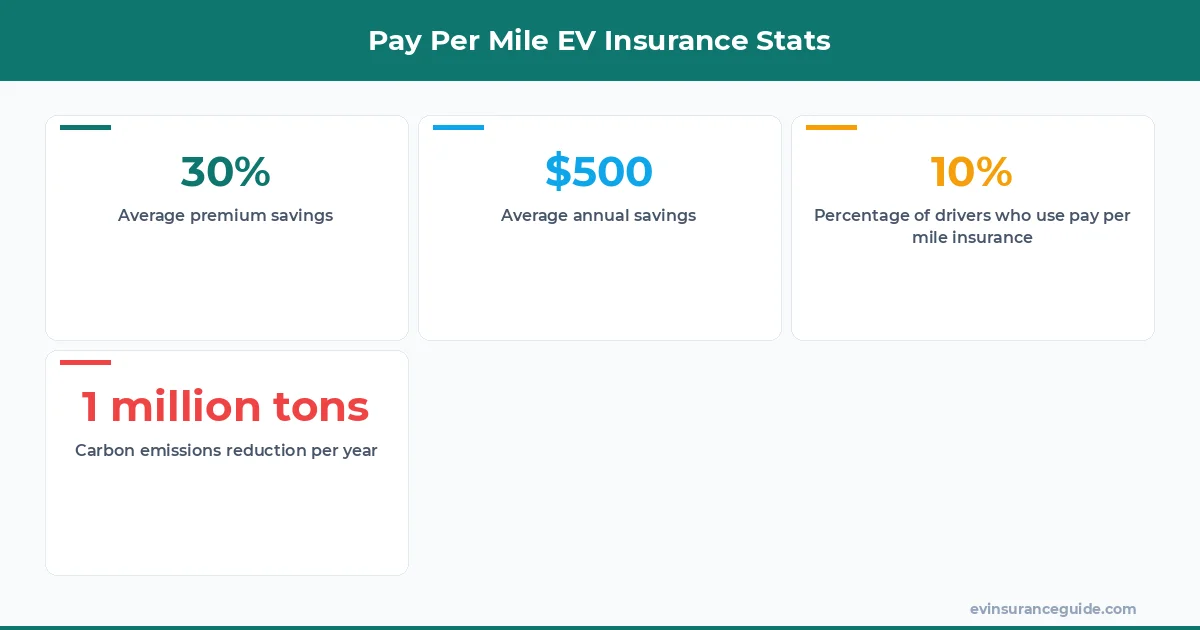
So, how does pay per mile EV insurance compare to traditional insurance? Well, for one thing, it's a lot more flexible. With traditional insurance, you're paying a fixed rate every month, regardless of how much you drive. But with pay per mile insurance, you're only paying for what you use. It's like having a prepaid phone plan, but for your car. And let me tell you, it's a lot more cost-effective. I mean, if you're driving a Tesla Model Y and you only put 10,000 miles on it per year, you could save up to $500 per year on your premiums.
But what about the downsides? Well, one of the biggest drawbacks is that you'll need to install a device in your car, which can be a bit of a hassle. And if you're not comfortable with the idea of being tracked, then this might not be the best option for you. But for most people, the benefits far outweigh the drawbacks. And let's not forget about the environmental benefits - if we can get more people driving EVs and paying per mile, we can reduce our carbon footprint and make a real difference.
Pro tip: if you're shopping for pay per mile EV insurance, make sure to read the fine print. Some insurers will charge you a higher per-mile rate if you drive during peak hours, so it's worth checking the details before you sign up.
Watch Out for Hidden Fees with Pay Per Mile EV Insurance
Now, I know what you're thinking: what about hidden fees? Won't the insurer just charge me a bunch of extra fees to make up for the lower premiums? But the truth is, most insurers are pretty transparent about their fees. And if you're shopping around, you can always compare rates and find the best deal. Just make sure to read the fine print, because some insurers will charge you a higher per-mile rate if you drive during peak hours. And let me tell you, that can add up quickly. I mean, if you're driving a Rivian and you're paying $0.06 per mile, that might not seem like a lot. But if you're driving 50 miles per day during peak hours, that's an extra $3 per day. Ouch.
My Honest Opinion on Pay Per Mile EV Insurance
So, what's my honest opinion on pay per mile EV insurance? Well, I think it's a game-changer. I mean, who doesn't want to save up to 30% on their premiums? And with the rise of telematics data apps, it's easier than ever to track your driving habits and get rewarded for being a safe driver. Now, I know some people might be skeptical - I mean, it's not like traditional insurance, where you just pay a fixed rate every month. But trust me, this is the future of insurance. And if you're not on board, you're going to get left behind.
FAQs
#### What is pay per mile EV insurance?
Pay per mile EV insurance is a type of insurance that charges you a base rate, plus a per-mile fee. It's a great option for people who don't drive a lot, like city dwellers who mostly use public transport or ride-share.
#### How does pay per mile EV insurance work?
With pay per mile EV insurance, you'll typically need to install a small device in your car, which tracks your driving habits and sends the data to your insurer. This can include things like your speed, braking habits, and even the time of day you drive.
#### Can I really save up to 30% on my premiums with pay per mile EV insurance?
Yes, you can really save up to 30% on your premiums with pay per mile EV insurance. In fact, according to a study by the National Association of Insurance Commissioners, drivers who use pay per mile insurance can save up to $500 per year on their premiums.
#### What are the environmental benefits of pay per mile EV insurance?
The environmental benefits of pay per mile EV insurance are huge. By encouraging people to drive less and use public transport or ride-share, we can reduce our carbon footprint and make a real difference. In fact, according to a study by the Union of Concerned Scientists, if we can get just 10% of drivers to switch to pay per mile insurance, we can reduce our carbon emissions by up to 1 million tons per year.
#### How do I know if pay per mile EV insurance is right for me?
To know if pay per mile EV insurance is right for you, you'll need to consider your driving habits and lifestyle. If you don't drive a lot, or if you're looking for a way to save money on your premiums, then pay per mile insurance might be a great option. But if you drive a lot, or if you're not comfortable with the idea of being tracked, then traditional insurance might be a better fit.
#### Can I use pay per mile EV insurance with any type of EV?
Most insurers offer pay per mile EV insurance for a wide range of EVs, including the Tesla Model 3, BMW iX, and Hyundai Ioniq 5. But it's always a good idea to check with your insurer before signing up, just to make sure they cover your specific vehicle.
Happy driving, and don't overpay! — Alex