
I'm sipping a coffee at a charging station, eavesdropping on a conversation between two guys — let's call them Mike and Tom. They're discussing their progressive ev insurance policies, and Mike's complaining about the depreciation of his Tesla Model 3. Tom's trying to reassure him, saying it's not that bad... but Mike's having none of it. Sound familiar? I mean, who hasn't worried about their car's value plummeting the moment they drive it off the lot?
MYTH_BUST — EVs Depreciate Faster Than Gas Cars
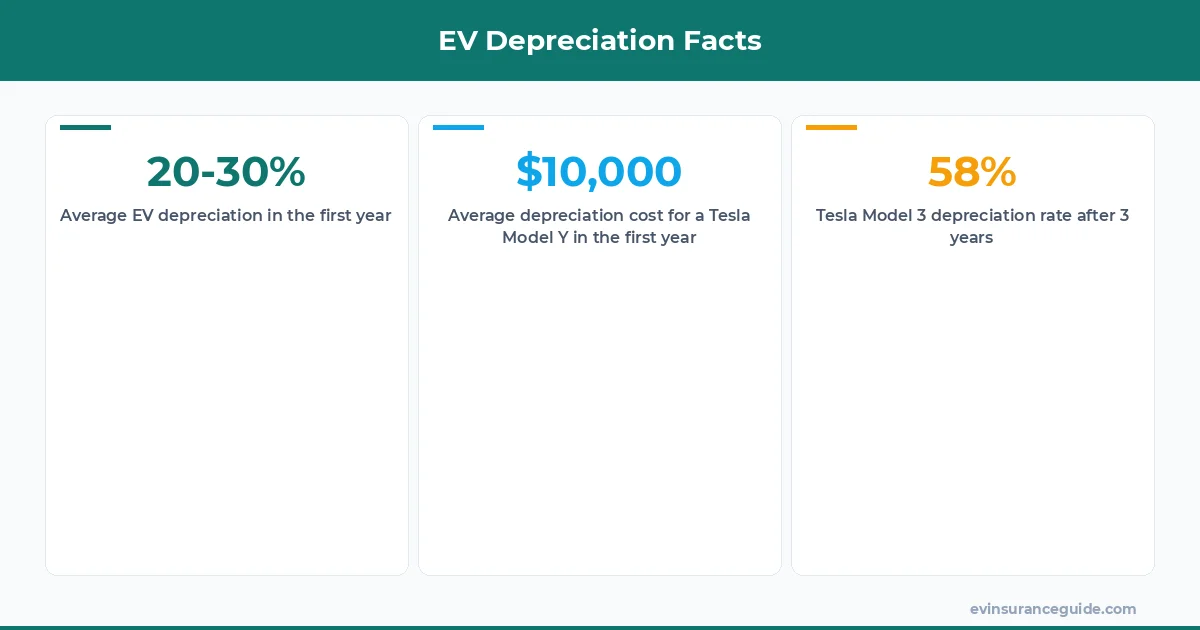
That's a common myth, by the way. EVs don't necessarily depreciate faster than their gas-guzzling counterparts. In fact, a study by Kelley Blue Book found that the Tesla Model 3 retains around 58% of its value after three years, which is comparable to many gas-powered cars. But, and this is a big but, the pace of technological advancements in the EV space is staggering... and that can impact depreciation. New models are being released left and right, with better range, faster charging, and sleeker designs. Know what the kicker is? This can make last year's model look, well, last year's.
For instance, the Hyundai Ioniq 5 is a great example of an EV that's holding its value relatively well. With a starting price of around $39,000, it's an affordable option for many buyers. And, with its impressive range and features, it's no wonder it's becoming a popular choice. But, if you're looking at a higher-end model like the BMW iX, which starts at around $83,000, you might want to think twice. The depreciation hit on a car like that can be significant, especially if you're planning to sell it in a few years. I'd say it's not uncommon for a luxury EV like the iX to lose around 20-30% of its value in the first year alone.
WARNING — Don't Get Caught Off Guard by Hidden Depreciation Costs
Now, I know some of you might be thinking, 'But Alex, I've got progressive ev insurance, so I'm covered, right?' Well, actually, it's not that simple. While having insurance is crucial, it's also important to understand how depreciation can impact your policy. For example, if your car is stolen or totaled, your insurance company will only pay out the current market value of the vehicle, which could be significantly lower than what you paid for it. That one stung, right?
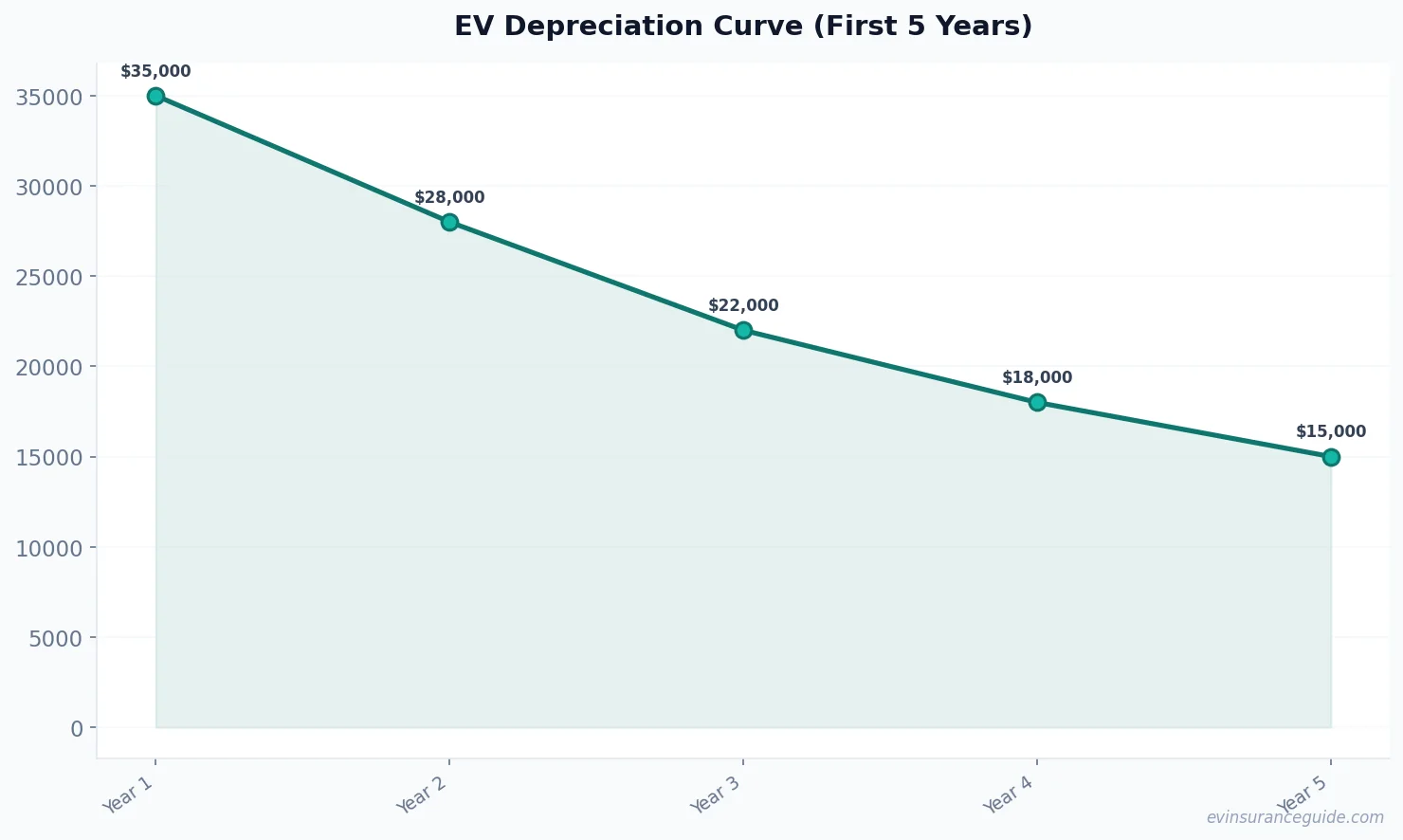
To give you a better idea, let's look at some numbers. According to a report by the National Automobile Dealers Association, the average depreciation for a new car in the first year is around 20-30%. For an EV like the Tesla Model Y, which starts at around $52,000, that could mean a loss of around $10,000 to $15,000 in the first year alone. Ouch. And, if you're financing your car, you could end up owing more on the loan than the car is worth. That's a recipe for disaster, if you ask me.
As a side note, it's worth mentioning that some insurance companies, like Progressive, offer GAP insurance, which can help cover the difference between the actual cash value of your car and the amount you owe on the loan. It's an extra cost, of course, but it could be worth it if you're financing a luxury EV.
STORY_TEASE — My Friend's Rivian Disaster
I've got a friend, let's call him Dave, who bought a Rivian R1T last year. He was thrilled with the purchase, but things took a turn for the worse when he tried to sell it a few months later. The depreciation hit was massive, and he ended up losing around $15,000 on the deal. Wild, right? I mean, who expects to lose that kind of money on a car that's barely a year old?
But, here's the thing: Dave didn't do his research before buying. He didn't realize that the Rivian R1T was a new model, and the company was still working out some kinks. The range wasn't as good as he thought it would be, and the infotainment system was a bit glitchy. By the time he tried to sell it, the newer models were already out, and his car looked outdated. Know what they say, 'buyers are liars'? Well, it's true. If you're not careful, you could end up like Dave, stuck with a car that's lost a ton of value.
QUESTION — Can You Afford the Depreciation Hit on Your EV?
So, the question is, can you afford the depreciation hit on your EV? It's a tough one, because it depends on a lot of factors, including the type of car you buy, how well you maintain it, and the overall market conditions. But, if you're planning to sell your car in a few years, you need to think carefully about the potential depreciation costs. For example, if you buy a Tesla Model 3 for around $45,000, and it depreciates by 20% in the first year, you'll be looking at a loss of around $9,000. That's a significant chunk of change, if you ask me.
On the other hand, if you're planning to keep your car for a long time, the depreciation hit might not be as big of a deal. You'll have already paid off the loan, and you can enjoy the car without worrying about the resale value. But, if you're someone who likes to upgrade their car every few years, you need to be careful. The depreciation costs can add up quickly, and you might find yourself in a situation where you owe more on the loan than the car is worth.
5 — Key EV Depreciation Stats You Need to Know
Here are five key stats to keep in mind when it comes to EV depreciation:
- 1. The average EV depreciates by around 20-30% in the first year, with some models losing up to 40% of their value.
- 2. The Tesla Model 3 is one of the best-performing EVs in terms of depreciation, retaining around 58% of its value after three years.
- 3. The Hyundai Ioniq 5 is another strong performer, with a depreciation rate of around 15% in the first year.
- 4. Luxury EVs like the BMW iX tend to depreciate faster, with some models losing up to 50% of their value in the first two years.
- 5. The Rivian R1T is a new model, and its depreciation rate is still unknown, but it's expected to be around 20-30% in the first year.
FAQs
#### What is the average depreciation rate for an EV in the first year?
The average depreciation rate for an EV in the first year is around 20-30%, with some models losing up to 40% of their value. For example, the Tesla Model Y starts at around $52,000, and it's expected to depreciate by around 20-25% in the first year, which is around $10,000 to $13,000.
#### How does progressive ev insurance cover depreciation?
Progressive ev insurance covers depreciation by paying out the actual cash value of the vehicle in the event of a total loss or theft. However, this amount may be lower than the original purchase price, leaving you with a potential shortfall. For instance, if you bought a Tesla Model 3 for $45,000, and it depreciates by 20% in the first year, the insurance company will only pay out around $36,000, leaving you with a shortfall of $9,000.
#### What can I do to minimize the depreciation hit on my EV?
To minimize the depreciation hit on your EV, you can consider buying a model that holds its value well, such as the Tesla Model 3 or the Hyundai Ioniq 5. You can also try to maintain your car well, avoid high-mileage, and keep it in good condition. Additionally, you can consider purchasing a used EV, which has already taken the biggest depreciation hit.
#### How does the age of the vehicle affect depreciation?
The age of the vehicle can significantly affect depreciation. Newer models tend to depreciate faster, as they are more prone to technological advancements and design changes. For example, a brand-new Tesla Model Y will depreciate faster than a 2-year-old model. On the other hand, older models may depreciate slower, as they have already taken the biggest hit.
#### Can I purchase a warranty to cover depreciation?
Yes, some manufacturers offer warranties that cover depreciation, such as the Tesla Model 3's 8-year warranty. However, these warranties are not always comprehensive, and they may have limitations and exclusions. It's essential to carefully review the terms and conditions before purchasing a warranty.
#### How does the mileage of the vehicle affect depreciation?
The mileage of the vehicle can also affect depreciation. High-mileage vehicles tend to depreciate faster, as they are more prone to wear and tear. For example, a Tesla Model 3 with 50,000 miles on it will depreciate faster than a similar model with only 10,000 miles.
If you're planning to buy an EV, make sure to research the depreciation rate of the model you're interested in. You can use tools like Kelley Blue Book or Edmunds to get an estimate of the depreciation rate. It's also essential to consider the overall cost of ownership, including insurance, maintenance, and fuel costs.
And, as a final note, don't forget to shop around for progressive ev insurance quotes. You can save up to $500 per year by comparing rates from different insurers.
The best policy is the one you actually understand. — Alex