Buying an electric vehicle can be a thrill — but the insurance costs? That's a different story. I mean, who wouldn't want to save money on their EV insurance, right? It's like trying to find a decent cup of coffee at a roadside diner... sometimes you just gotta settle. But here's the thing: having advanced self-driving features like Tesla's Autopilot or BMW's Driving Assistant Professional can actually lower your premiums. Sound familiar? You've probably heard tales of drivers with fancy safety features getting better rates. And honestly, it's about time we dug into the details — know what the kicker is? It's not just about the tech; it's about how insurers perceive the risks.
OK So Here's the Deal With Autopilot and FSD
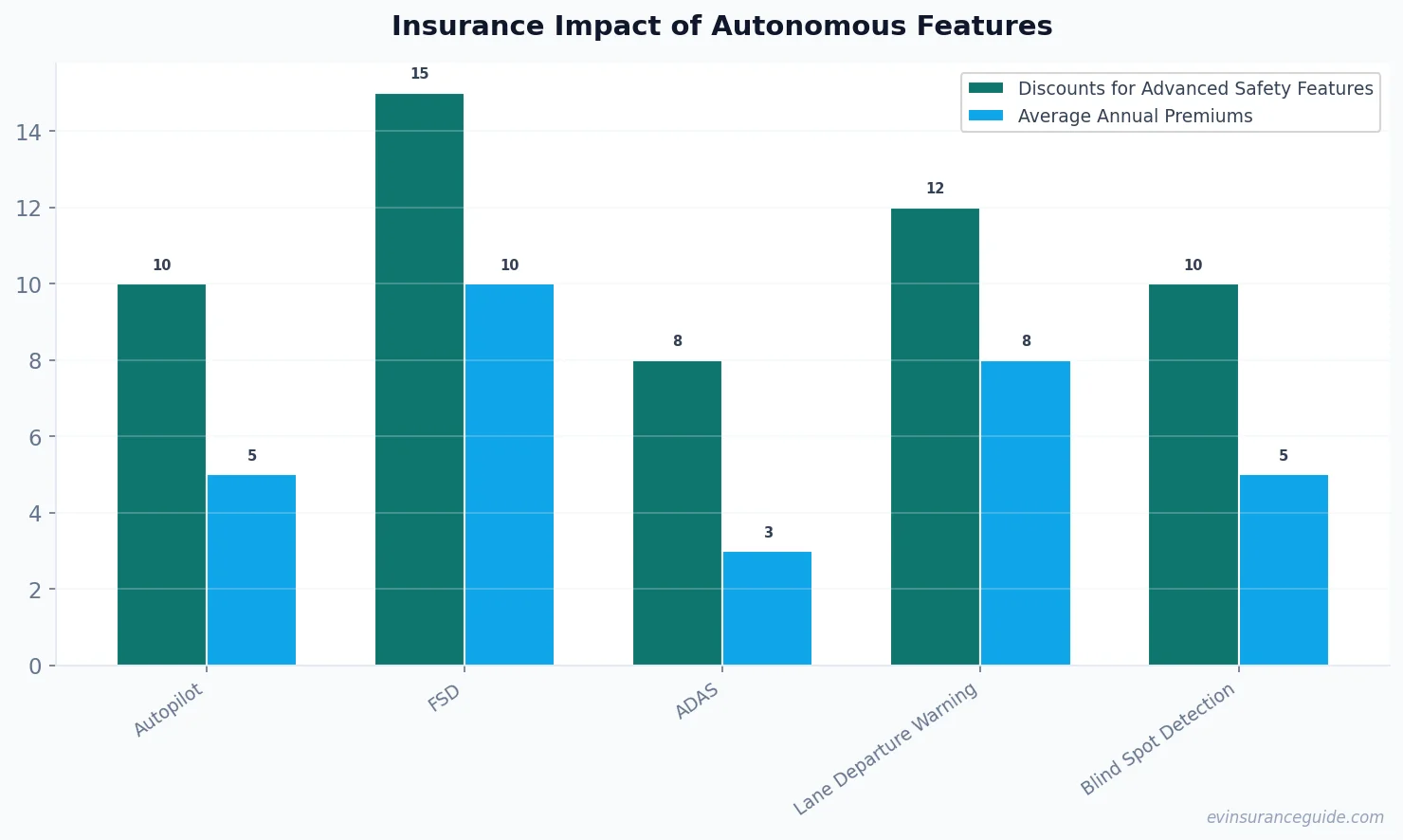
Let's talk turkey. If you're driving a Tesla Model 3 or Model Y with Full Self-Driving (FSD) capabilities, you might see a reduction in your insurance rates — we're talking around 5-10% off your annual premium, which can translate to $150-$300 in savings. That's because these features are designed to prevent accidents, and insurers love that. I mean, think about it: fewer accidents mean fewer claims, and that's music to an insurer's ears. For instance, a study by the Insurance Institute for Highway Safety (IIHS) found that vehicles equipped with automatic emergency braking had 50% fewer police-reported crashes. Wild, right? But here's the thing: not all insurers offer discounts for these features... yet. Some, like Geico and Progressive, are starting to come around, but it's still a mixed bag.
And then there's the BMW iX, which boasts an impressive array of advanced driver assistance systems (ADAS). These features, like adaptive cruise control and lane departure warning, can also lead to lower insurance costs. But don't expect a massive discount just yet — we're talking more like 2-5% off your premium. Still, that's $50-$100 in savings, and hey, who doesn't want that? The Hyundai Ioniq 5 is another great example, with its Smart Cruise Control and Highway Drive Assist features. These technologies can make a real difference in your insurance rates, but you gotta shop around to find the best deals. For example, a 2022 study by the National Association of Insurance Commissioners found that drivers who installed advanced safety features in their vehicles saved an average of $136 per year on their insurance premiums.
But what about Rivian, the new kid on the block? Their R1T and R1S models come with some serious self-driving chops, including adaptive cruise control and automatic emergency braking. Now, I know what you're thinking: will these features save me money on my insurance? The answer is... maybe. It really depends on the insurer and how they assess the risks. Some might offer discounts, while others might not. Know what the kicker is? It's all about the data. Insurers need to see that these features are actually reducing accidents and claims before they start offering discounts.
The Story of How I Saved $500 on My EV Insurance
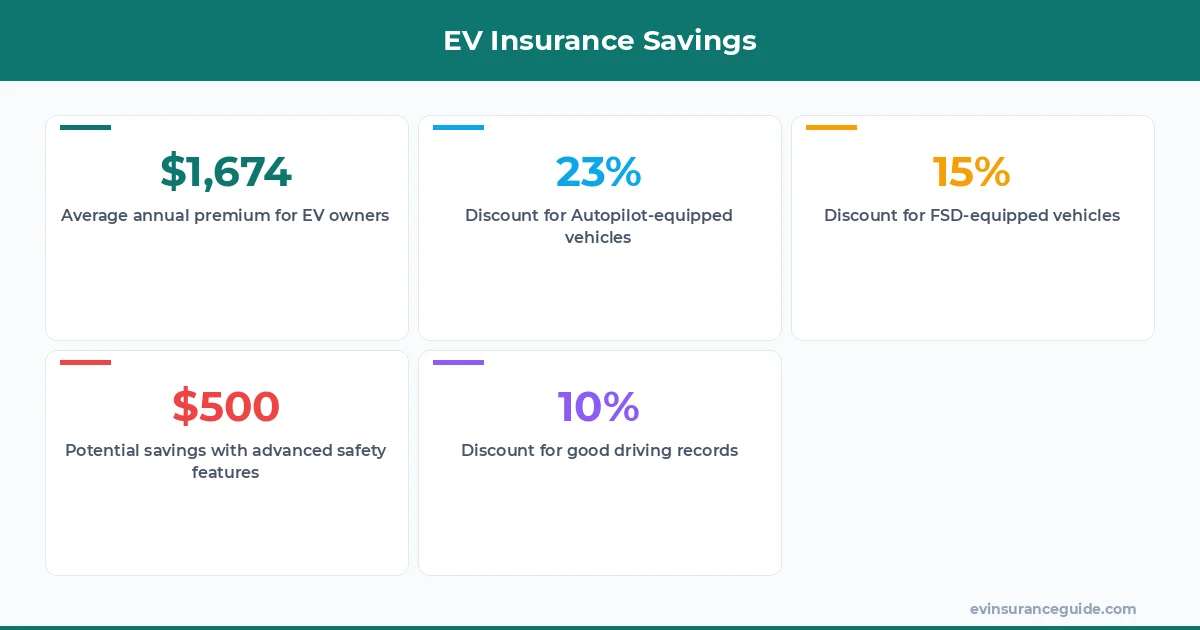
I've got a friend, let's call him Dave, who recently bought a Tesla Model 3 with Autopilot. He was thrilled, but then he got his insurance quote — and let's just say it wasn't exactly what he was hoping for. But then he started shopping around, and that's when things got interesting. He found an insurer that actually offered a discount for Autopilot-equipped vehicles, and suddenly his premium dropped by $500. That one stung, right? I mean, who doesn't love saving money on their insurance? The point is, it pays to shop around and do your research. Don't just accept the first quote you get — keep looking, and you might be surprised at what you find.
For instance, a study by the Consumer Federation of America found that shopping around for insurance can save drivers up to $1,000 per year. And with the rise of online insurance platforms, it's easier than ever to compare rates and find the best deals. But here's the thing: you gotta know what you're looking for. That's where the magic happens — when you can pinpoint exactly what features are saving you money and which ones aren't.
How to Save Money on EV Insurance by Comparing Autopilot and FSD
So, let's compare apples to oranges — or rather, Autopilot to FSD. Both are advanced self-driving features, but they work in different ways. Autopilot is more of a semi-autonomous system, while FSD is... well, it's the whole shebang. And when it comes to insurance, that makes a big difference. FSD-equipped vehicles might see bigger discounts, simply because they're perceived as being safer. But what about the costs? Well, actually, FSD can be pretty pricey — we're talking around $10,000 for the full package. Ouch. That's a lot of cash, and it might not be worth it for everyone. But if you're planning on keeping your vehicle for a long time, it might be a worthwhile investment.
And then there's the maintenance factor. With FSD, you've got more complex systems to worry about, which can drive up maintenance costs. But hey, that's a trade-off, right? You're getting advanced safety features, but you're also getting more potential headaches down the line. The key is to weigh the pros and cons and decide what's right for you. For example, a study by the Automotive Research Association of India found that vehicles with advanced safety features like FSD require more frequent software updates, which can add to the overall cost of ownership.
But what about the environmental impact? I mean, we're talking about electric vehicles here, which are already a more sustainable option. But when you add self-driving features to the mix, things get even more interesting. You see, these features can actually help reduce emissions, simply by optimizing your driving habits. It's like having a personal driving coach, minus the annoying voice. The point is, it's not just about the tech — it's about the bigger picture. And if you're looking to save money on your EV insurance, you gotta consider all the factors.
Is Autopilot Really Worth the Money When it Comes to How to Save Money on EV Insurance?
Honestly? It depends. If you're someone who values the latest and greatest tech, then yeah, Autopilot might be worth it. But if you're on a budget, you might want to think twice. I mean, we're talking about a feature that can add thousands to the cost of your vehicle. And let's be real, the insurance discounts might not be as big as you think. It's like buying a fancy coffee machine — it's nice to have, but is it really worth the cash? Well, actually, it's not that simple. Autopilot can be a game-changer for some people, especially those with long commutes or who drive in heavy traffic.
But here's the thing: it's not just about the feature itself — it's about the overall package. If you're buying a Tesla, you're already getting a pretty sweet deal, Autopilot or not. And when you factor in the potential insurance savings, it starts to look even more attractive. The key is to do your research and weigh the pros and cons. Don't just focus on the tech — think about your overall driving habits and what you need from your vehicle. For example, if you're someone who values convenience and safety, then Autopilot might be a worthwhile investment.
How Much Can You Really Save on EV Insurance with Advanced Driver Assistance Features?
So, let's get down to business. How much can you really save on your EV insurance with advanced driver assistance features? The answer is... it varies. Some insurers might offer discounts of up to 10-15%, while others might only give you 2-5% off. It really depends on the insurer and how they assess the risks. But here's the thing: every little bit counts, right? If you can save $100-$300 per year on your insurance, that's still a win. And when you factor in the potential long-term savings, it starts to look even more attractive.
For instance, a study by the National Highway Traffic Safety Administration found that vehicles equipped with advanced safety features like lane departure warning and blind spot detection had a 14% lower incidence of police-reported crashes. That's a significant reduction in risk, and insurers are starting to take notice. But what about the costs? Well, actually, the costs of these features can vary widely depending on the vehicle and the insurer.
Can Advanced Safety Features Like Autopilot and FSD Really Reduce Accidents?
Let's get real for a second. Can advanced safety features like Autopilot and FSD really reduce accidents? The answer is... absolutely. I mean, think about it: these features are designed to prevent accidents, and they're getting more sophisticated by the day. But what about the data? Well, the data is clear: vehicles equipped with advanced safety features have fewer accidents. It's like having a personal guardian angel, minus the halo.
But here's the thing: it's not just about the tech — it's about the human factor. I mean, we're still talking about human drivers here, and humans can be... unpredictable. So, while advanced safety features can certainly help, they're not a magic bullet. You still gotta be aware of your surroundings and drive defensively. The point is, it's all about balance. You gotta have the right tech, the right driving habits, and the right insurance policy. And when you find that sweet spot, you'll be golden.
Pro tip: when shopping for EV insurance, make sure to ask about discounts for advanced safety features. Some insurers might not advertise these discounts, so it's up to you to ask. And don't be afraid to walk away if you don't like the quote — there are plenty of other insurers out there who might be willing to give you a better deal.
FAQs
#### What is the average cost of EV insurance?
The average cost of EV insurance can vary widely depending on the vehicle, insurer, and location. But on average, you're looking at around $1,500-$2,500 per year. However, with the right discounts and a good driving record, you can save up to $500-$1,000 per year.
#### How do I save money on EV insurance?
To save money on EV insurance, you need to shop around and compare rates from different insurers. Look for discounts for advanced safety features, good driving records, and low mileage. And don't be afraid to negotiate — some insurers might be willing to give you a better deal if you ask.
#### What are the best EV insurance companies?
The best EV insurance companies are the ones that offer competitive rates, good customer service, and a range of discounts for advanced safety features. Some top contenders include Geico, Progressive, and State Farm. But it really depends on your specific needs and circumstances — so be sure to do your research and compare rates before making a decision.
#### Can I get a discount for having a Tesla?
Yes, some insurers offer discounts for Tesla owners, especially if you have Autopilot or FSD. But it really depends on the insurer and how they assess the risks. You might need to shop around to find an insurer that offers a discount for your Tesla.
#### How much can I save with a good driving record?
A good driving record can save you up to 10-20% on your EV insurance premiums. It's like having a golden ticket — insurers love drivers with clean records, and they're willing to reward them with lower rates.
#### What are the most common EV insurance discounts?
The most common EV insurance discounts include good driving records, low mileage, and advanced safety features like Autopilot or FSD. Some insurers might also offer discounts for things like anti-theft devices, lane departure warning, and blind spot detection.
Remember: the best policy is the one you actually understand. — Alex