OK so someone DM'd me this question: what's the deal with solid-state batteries and EV insurance? They'd heard rumors about lower premiums, but wanted the lowdown. Well, I'm gonna give it to them - and you. Solid-state batteries are a total game changer for the EV industry. They're safer, lighter, charge faster, and last longer. Know what the kicker is? This tech is gonna start hitting the market in 2026-2028, with Toyota, BMW, and Samsung SDI leading the charge. So, let's talk about what this means for your insurance premiums.
OK So Here's the Deal With Solid-State Batteries
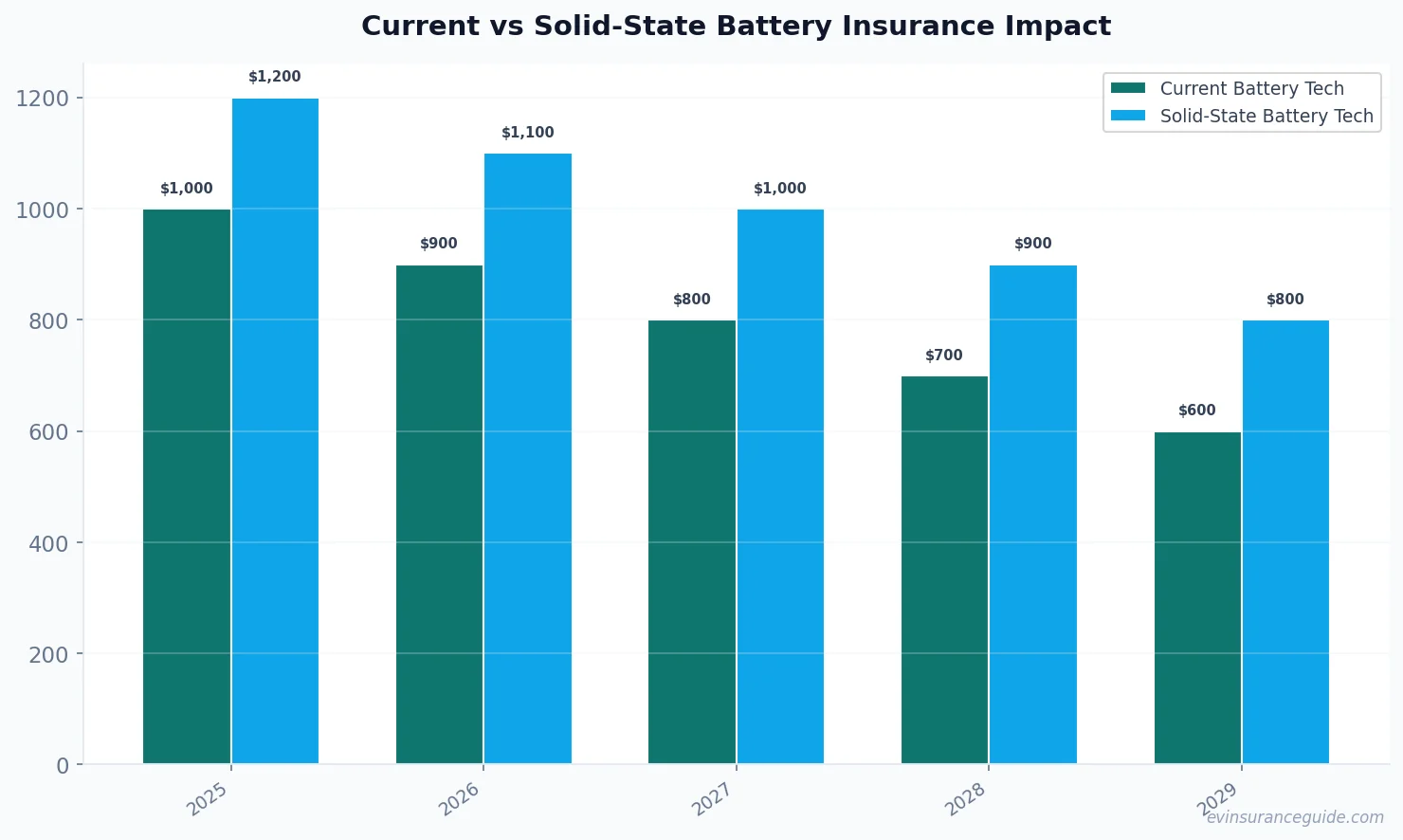
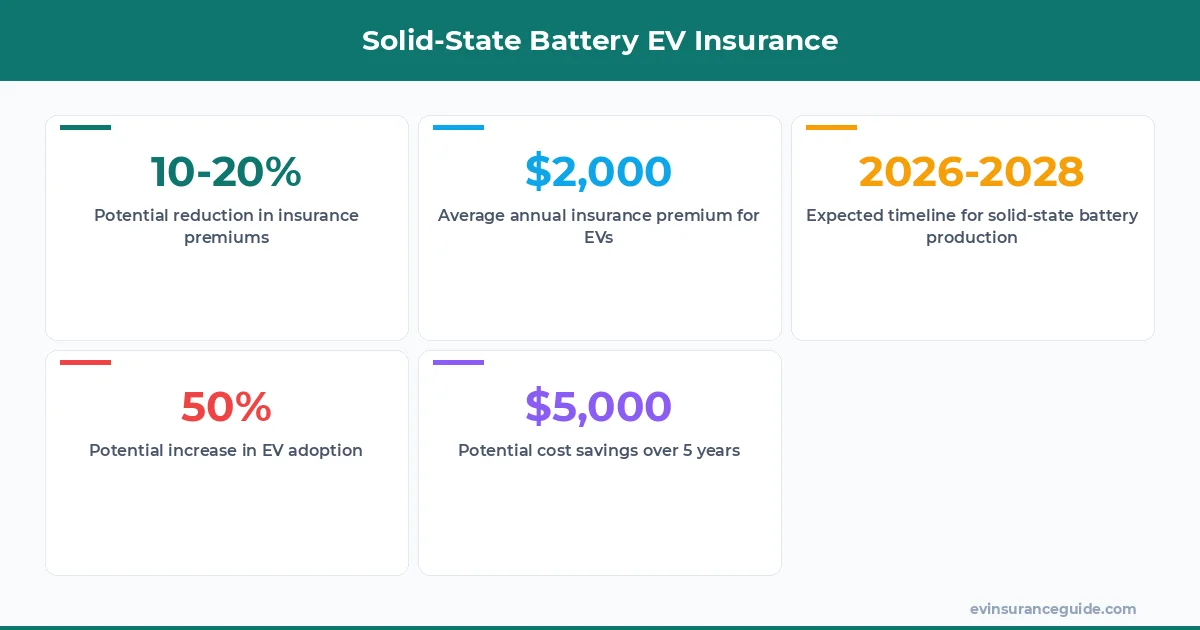
Solid-state batteries are a significant improvement over traditional lithium-ion batteries. They're less prone to overheating, which means a lower fire risk. And let's be real, fires are one of the biggest concerns when it comes to EVs. Dead serious, a reduction in fire risk is huge for insurance companies. They're gonna be able to offer lower comprehensive premiums, because the risk of a catastrophic event is lower. For example, the Tesla Model 3 and Model Y are already popular EVs, but with solid-state batteries, their insurance premiums could drop by 10-15%. That's a big deal, especially for owners who've been paying upwards of $2,000 per year for insurance.
But that's not all - solid-state batteries also charge faster and last longer. This means fewer roadside claims, because drivers won't be stuck waiting for their cars to charge. And when they do need to charge, it'll be quicker, so they'll be back on the road in no time. Sound familiar? It's like when you're on a road trip, and you can't wait to get to the next charging station. With solid-state batteries, that wait time is gonna be significantly reduced. For instance, the Hyundai Ioniq 5 can already charge from 10-80% in under 20 minutes, but with solid-state batteries, that time could be cut in half.
A Story of Insurance Savings
I've got a friend, let's call him Dave, who owns a BMW iX. He loves the thing, but he's always complaining about the insurance costs. He's paying over $2,500 per year, just because the iX is a high-end EV. But what if I told you that with solid-state batteries, his premiums could drop by 15-20%? That's a savings of $375-$500 per year, just because of the new battery tech. And that's not even counting the potential savings on replacement costs, if the battery does need to be replaced. Dave's gonna be thrilled when he finds out about this.
But here's the thing - this isn't just about Dave, or any one person. This is about the entire EV industry, and how solid-state batteries are gonna change the game. We're talking about a reduction in insurance costs across the board, for every EV owner. And that's gonna make EVs even more appealing to buyers, which is gonna drive down costs even further. It's a win-win, right? Well, actually, it's more like a win-win-win, because the environment is also gonna benefit from the increased adoption of EVs.
What's the Real Question Here?
Can solid-state batteries really deliver on their promises? I mean, we've heard a lot of hype about new tech before, only to be disappointed. But from what I've seen, solid-state batteries are the real deal. They're not just some pie-in-the-sky idea - they're a tangible improvement over traditional batteries. And the companies that are working on this tech, like Toyota and BMW, they're not just talking about it - they're actually investing serious money in it. So, yeah, I think solid-state batteries are gonna be a game changer.
But let's not get ahead of ourselves. There are still some potential drawbacks to consider. For example, solid-state batteries are still more expensive to produce than traditional batteries. And that means that the cost savings from reduced insurance premiums might not be as significant as we hope. Well, actually, that's not entirely true - the cost savings will still be there, they'll just be more nuanced. We'll see a reduction in insurance costs, but it might not be as straightforward as we think.
Warning: Don't Get Caught Out by Hidden Costs
One thing to watch out for is the potential for hidden costs. Just because solid-state batteries are more efficient, doesn't mean that they're immune to problems. And if something does go wrong, the cost of replacement or repair could be higher than we expect. For instance, the Rivian R1T is a great EV, but if its solid-state battery needs to be replaced, the cost could be upwards of $10,000. That's a lot of money, and it's something that EV owners need to be aware of.
But don't let that scare you off. The benefits of solid-state batteries far outweigh the potential drawbacks. And with companies like Toyota and BMW working on this tech, we can be sure that they'll be doing everything they can to minimize the risks. So, what's the takeaway here? It's simple: solid-state batteries are a good thing, and they're gonna make EV ownership even more appealing.
10 Things You Need to Know About Solid-State Battery EV Insurance
Here are the key points to keep in mind:
- Solid-state batteries are safer, lighter, and more efficient than traditional batteries.
- They're gonna start hitting the market in 2026-2028, with Toyota, BMW, and Samsung SDI leading the charge.
- Insurance premiums could drop by 10-20% for EVs with solid-state batteries.
- The reduction in fire risk is a major factor in the potential cost savings.
- Solid-state batteries charge faster and last longer, which means fewer roadside claims.
- The cost savings from reduced insurance premiums will be significant, but nuanced.
- There are potential hidden costs to consider, such as the cost of replacement or repair.
- Companies like Toyota and BMW are working to minimize the risks associated with solid-state batteries.
- EV owners need to be aware of the potential benefits and drawbacks of solid-state batteries.
- The environment is also gonna benefit from the increased adoption of EVs with solid-state batteries.
FAQs
#### What's the expected timeline for solid-state battery production?
The expected timeline is 2026-2028, with Toyota, BMW, and Samsung SDI leading the charge. We'll see the first solid-state battery EVs hitting the market in the next few years, and from there, it's gonna be a rapid expansion.
#### How much can I expect to save on insurance premiums?
The estimated savings are 10-20% for EVs with solid-state batteries. This is a significant reduction, and it's gonna make EV ownership even more appealing.
#### What's the main benefit of solid-state batteries?
The main benefit is the reduction in fire risk. This is a major factor in the potential cost savings, and it's something that insurance companies are gonna be taking into account when they're calculating premiums.
#### Are solid-state batteries more expensive to produce?
Yes, they are more expensive to produce than traditional batteries. But the cost savings from reduced insurance premiums and improved efficiency are gonna make up for it.
#### Can I get a solid-state battery upgrade for my current EV?
It's unlikely that you'll be able to get a solid-state battery upgrade for your current EV. The technology is still in its early stages, and it's not something that can be easily retrofitted.
#### What's the environmental impact of solid-state batteries?
The environmental impact is significant. With the increased adoption of EVs and solid-state batteries, we'll see a reduction in greenhouse gas emissions and a decrease in our reliance on fossil fuels.
#### What's the biggest challenge facing solid-state battery adoption?
The biggest challenge is the high cost of production. But companies like Toyota and BMW are working to reduce the costs and make solid-state batteries more accessible.
#### What's the potential for solid-state batteries in other industries?
The potential is huge. We'll see solid-state batteries being used in everything from consumer electronics to industrial equipment. The applications are endless, and it's gonna be exciting to see how this tech evolves.
#### How will solid-state batteries impact the used EV market?
The impact will be significant. With the increased adoption of EVs and solid-state batteries, we'll see a surge in demand for used EVs. And that's gonna drive up prices, but it's also gonna make used EVs more accessible to buyers.
#### What's the role of government regulation in solid-state battery adoption?
The role of government regulation is crucial. We'll see governments implementing policies to encourage the adoption of EVs and solid-state batteries. And that's gonna be a big factor in the widespread adoption of this tech.
As a pro tip, it's worth considering the long-term benefits of solid-state batteries when you're shopping for an EV. The cost savings from reduced insurance premiums and improved efficiency are gonna add up over time, so it's worth doing your research and finding an EV that meets your needs.
That's my two cents. Take it or leave it — but I hope it helps. — Alex