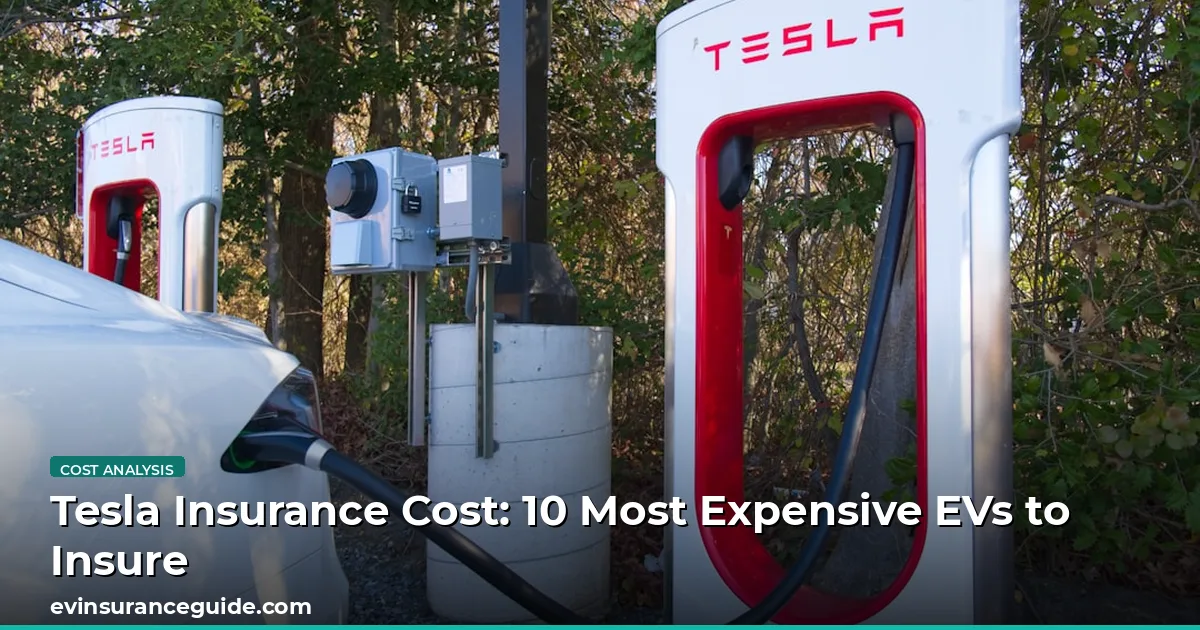
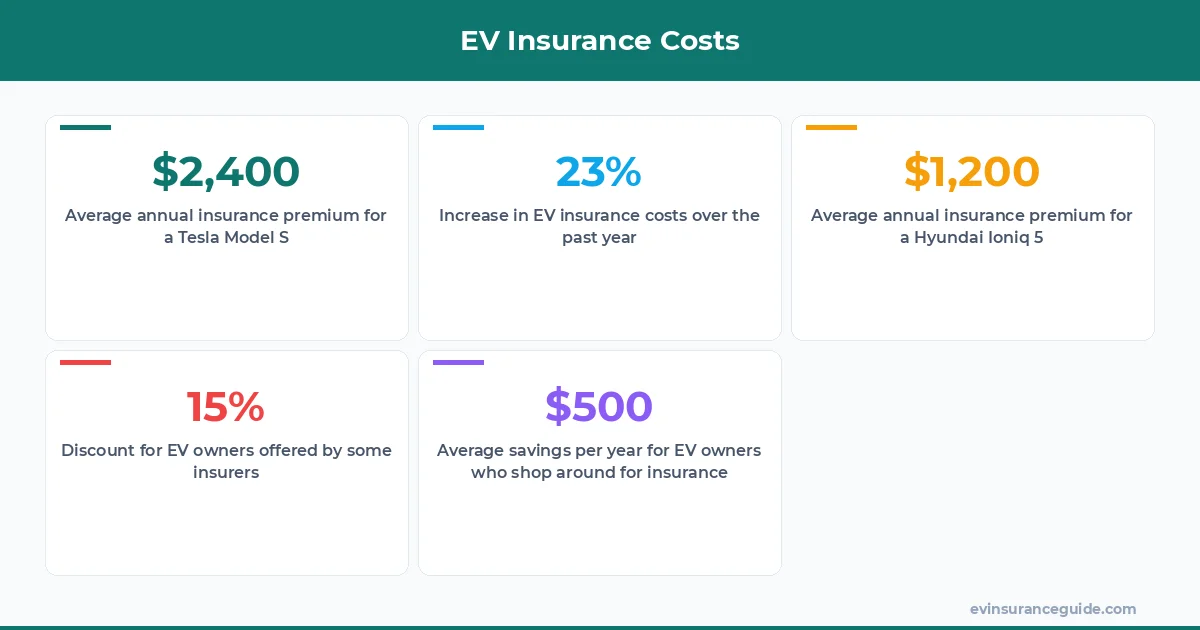
Did you know that the average annual insurance premium for a Tesla Model S can range from $2,400 to $4,000? That's a pretty penny, especially when you consider that the national average for all vehicles is around $1,400. Sound familiar? You're not alone - many EV owners are feeling the pinch when it comes to insurance costs. Know what the kicker is? It's not just Tesla owners who are affected - many other EV models are also pricey to insure.
But why is this the case? Well, actually, it's a combination of factors. For one, EVs are still relatively new, so there's less data available on their safety and reliability. This lack of data makes it harder for insurance companies to accurately assess the risk, which can lead to higher premiums. And, let's be real, some EVs are just plain expensive - like the Tesla Model S, which can cost upwards of $100,000. That one stung.
OK, so what can you do about it? First, it's essential to shop around and compare rates from different insurance companies. Some insurers, like Geico and Progressive, offer discounts for EV owners, while others, like State Farm, may charge more. You'll also want to consider the cost of repairs - some EVs, like the BMW iX, have specialized parts that can be pricey to replace.
OK So Here's the Deal With Tesla Insurance Cost
Tesla insurance cost is a major concern for many owners. The Model 3, for example, can cost around $1,800 to $3,000 per year to insure, depending on the trim level and driver profile. That's still less than the Model S, but it's not exactly cheap. And, if you're looking at the Model Y, you can expect to pay even more - upwards of $2,500 to $4,500 per year. Wild, right?
But, here's the thing - Tesla insurance cost isn't just about the vehicle itself. It's also about the driver. If you're a young driver, or if you have a history of accidents, you can expect to pay more. And, if you live in a high-risk area, like a city with a lot of traffic, you'll also pay more. It's all about risk assessment, and insurers are getting better at it all the time.
So, what can you do to lower your Tesla insurance cost? Well, for starters, you can try to drive safely and avoid accidents. You can also consider installing safety features, like a dash cam or a collision avoidance system. And, if you're willing to pay a higher deductible, you can lower your premiums. Just be aware that you'll have to pay more out of pocket if you do get into an accident.
Luxury Cars vs. Economy Cars - Which are More Expensive to Insure?
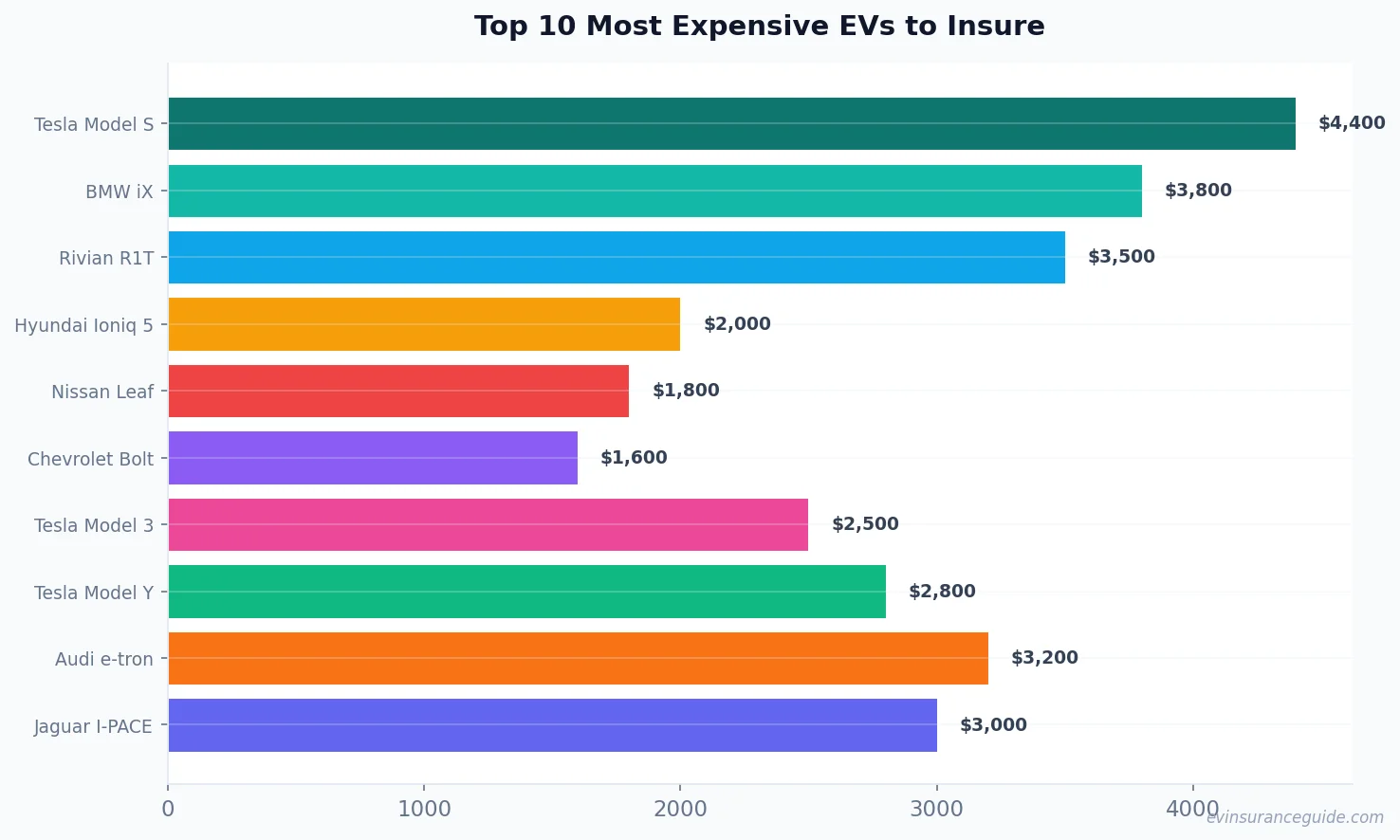
It's no surprise that luxury cars, like the Tesla Model S and the BMW iX, are more expensive to insure than economy cars. But, what is surprising is just how much more expensive they are. The Tesla Model S, for example, can cost upwards of $4,000 to $6,000 per year to insure, while the Hyundai Ioniq 5 can cost as little as $1,200 to $2,000 per year. That's a huge difference.
But, it's not just about the cost of the vehicle. It's also about the cost of repairs. Luxury cars often have specialized parts that can be pricey to replace, and they may require more labor to repair. Economy cars, on the other hand, are often simpler and less expensive to repair. And, let's not forget about the cost of replacement parts - if you need to replace a bumper or a windshield, it's going to cost more for a luxury car.
Know what the best part is? You don't have to break the bank to own an EV. There are plenty of affordable options out there, like the Nissan Leaf and the Chevrolet Bolt. And, if you're willing to look at used models, you can save even more. Just be aware that used EVs may not have all the latest safety features, so you'll want to factor that into your decision.
3 Key Factors That Affect Tesla Insurance Cost
So, what are the key factors that affect Tesla insurance cost? Well, first and foremost, it's the vehicle itself. The Model S, for example, is a high-performance vehicle with a lot of advanced safety features. That means it's more expensive to insure. But, it's not just about the vehicle - it's also about the driver. If you're a young driver, or if you have a history of accidents, you can expect to pay more.
Second, it's the location. If you live in a high-risk area, like a city with a lot of traffic, you'll pay more for insurance. And, if you park your vehicle on the street, you'll also pay more. But, if you live in a low-risk area, like a rural town, you'll pay less. It's all about risk assessment, and insurers are getting better at it all the time.
Third, it's the insurance company itself. Some insurers, like Geico and Progressive, offer discounts for EV owners, while others, like State Farm, may charge more. You'll also want to consider the cost of repairs - some EVs, like the Rivian R1T, have specialized parts that can be pricey to replace. And, let's not forget about the cost of replacement parts - if you need to replace a bumper or a windshield, it's going to cost more for a luxury EV.
Honestly, Some EVs are Just Too Expensive to Insure
Let's be real - some EVs are just too expensive to insure. The Tesla Model S, for example, can cost upwards of $4,000 to $6,000 per year to insure. That's just not feasible for most people. And, it's not just about the cost - it's also about the value. If you're paying that much for insurance, you're not getting a good return on investment.
But, there are some EVs that are more affordable to insure. The Hyundai Ioniq 5, for example, can cost as little as $1,200 to $2,000 per year to insure. That's a much more reasonable price point. And, if you're willing to look at used models, you can save even more. Just be aware that used EVs may not have all the latest safety features, so you'll want to factor that into your decision.
So, what's the takeaway? Well, it's simple - if you're looking to save money on your EV insurance, you need to shop around and compare rates. And, you need to consider the cost of repairs and replacement parts. It's not just about the vehicle itself - it's about the total cost of ownership.
Get Ready for a Shocking Story About EV Insurance
So, I've got a story to tell. My friend, let's call him John, recently purchased a Tesla Model 3. He was excited to get on the road and start enjoying the benefits of EV ownership. But, when he went to insure his vehicle, he was shocked - his premiums were much higher than he expected. He ended up paying over $2,500 per year for insurance, which was a big hit to his budget.
But, here's the thing - John didn't give up. He started shopping around and comparing rates from different insurance companies. And, he found a better deal - he was able to lower his premiums by over $500 per year. That's a big savings, and it's a great example of how shopping around can pay off.
Pro tip: always shop around and compare rates from different insurance companies. You never know what kind of deal you might find.
So, what's the moral of the story? Well, it's simple - don't be afraid to shop around and compare rates. And, don't be afraid to negotiate - sometimes, insurers will work with you to find a better deal. It's all about being proactive and taking control of your insurance costs.
What is the average cost of insuring a Tesla Model S?
The average cost of insuring a Tesla Model S can range from $2,400 to $4,000 per year, depending on the trim level and driver profile. However, some insurers may charge more or less, depending on their specific risk assessment.
How can I lower my Tesla insurance cost?
To lower your Tesla insurance cost, you can try to drive safely and avoid accidents. You can also consider installing safety features, like a dash cam or a collision avoidance system. And, if you're willing to pay a higher deductible, you can lower your premiums.
What are the most expensive EVs to insure?
The most expensive EVs to insure are typically luxury models, like the Tesla Model S and the BMW iX. These vehicles can cost upwards of $4,000 to $6,000 per year to insure, depending on the trim level and driver profile.
Can I get a discount on my EV insurance?
Yes, some insurers offer discounts for EV owners. Geico and Progressive, for example, offer discounts for EV owners. You'll also want to consider the cost of repairs - some EVs, like the Rivian R1T, have specialized parts that can be pricey to replace.
How can I compare EV insurance rates?
To compare EV insurance rates, you can use online tools or consult with an insurance broker. You'll want to consider factors like the cost of repairs, the cost of replacement parts, and the driver profile. And, you'll want to shop around and compare rates from different insurance companies to find the best deal.
What are the benefits of shopping around for EV insurance?
The benefits of shopping around for EV insurance include finding a better deal, lowering your premiums, and getting a more comprehensive policy. You'll also be able to compare rates from different insurance companies and find the one that best fits your needs and budget.
Keep Reading
- Tesla Model Y Insurance: State-by-State Cost Breakdown
- GEICO EV Insurance: State-by-State Costs Revealed
- Cybertruck Insurance Cost: Age Matters
That's all from me — go save some money. — Alex