Are you tired of overpaying for insurance on your performance EV? I sure am. It's like, I get it, my Tesla Model 3 Performance is fast - 0-60 in 3.2 seconds, to be exact. But does that really warrant a $2,500 annual premium? Nope. I've been in this industry for five years, and I've seen some wild stuff. Like the time my friend, let's call him Ryan, got quoted $3,800 for his Rivian R1T. Three. Eight. Zero. Dollars. For a truck that's not even that crazy fast - 0-60 in 3 seconds, yeah, but it's a truck, not a sports car.
OK So Here's the Deal With Performance EV Insurance
So, you've got your Tesla Model Y, or maybe a BMW iX - those are some serious performance machines. And you know what comes with that? Higher insurance premiums, that's what. But why? Well, it's not just the 0-60 time - although, let's be real, that's a big part of it. It's also the horsepower, the torque, the whole shebang. For example, the Tesla Model 3 Performance has 450 horsepower, while the Hyundai Ioniq 5 has 320 horsepower. That's a big difference, and it affects your premium. Know what the kicker is? Some insurers, like State Farm, actually have specific rates for performance EVs. They're not just lumping them in with the regular EV crowd.
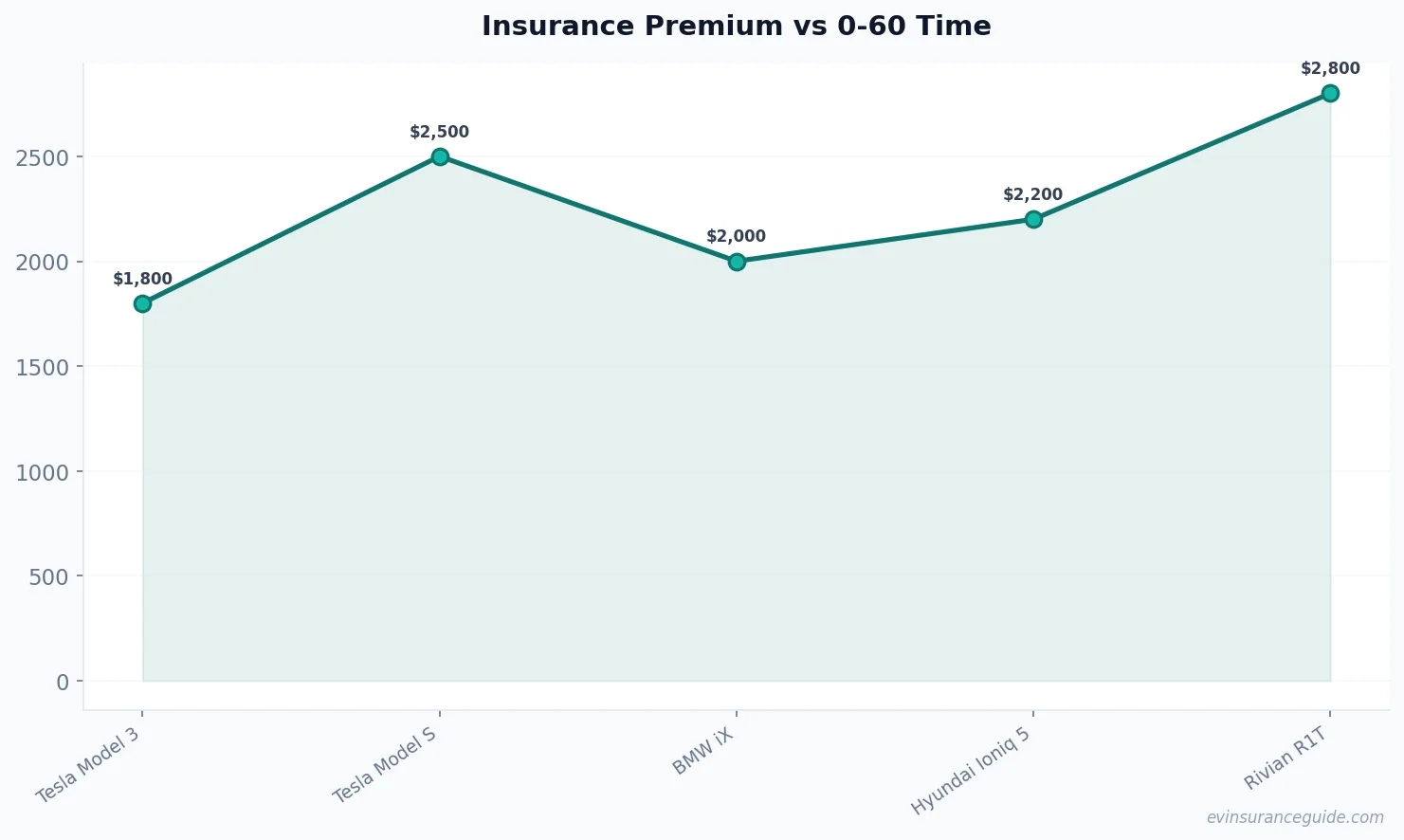
I mean, think about it - a Tesla Model 3 Long Range has a 0-60 time of 4.5 seconds, while the Performance model does it in 3.2 seconds. That's a big difference, and it affects your premium. According to some estimates, the average annual premium for a Tesla Model 3 Long Range is around $1,800, while the Performance model costs around $2,200 per year. That's a $400 difference, just because of the performance upgrade.
Busting the Myth: All EV Insurance is Created Equal
This is a myth that needs busting - all EV insurance is not created equal. I mean, come on, you've got Tesla insurance vs State Farm, vs Geico, vs Allstate... they all have different rates, different coverage, different discounts. It's not just about the car, it's about the insurer. For example, Tesla insurance offers a discount for owners who use their Autopilot feature, while State Farm offers a discount for drivers who complete a safe driving course. So, if you're driving a performance EV, you need to shop around, compare rates, and find the best deal for your specific car. Don't just assume that one insurer is going to be the same as another - that's just not how it works.
Take Ryan, for example - he ended up going with a specialty insurer that catered to EV owners, and his premium dropped to $2,200 per year. That's a $1,600 difference, just by switching insurers. And it's not just about the cost - it's about the coverage, too. Some insurers offer specialized EV coverage, like protection for your charging equipment or your battery. So, you need to think about what's important to you, and find an insurer that offers the right coverage for your needs.
What's the Real Cost of High Horsepower on Your EV Insurance?
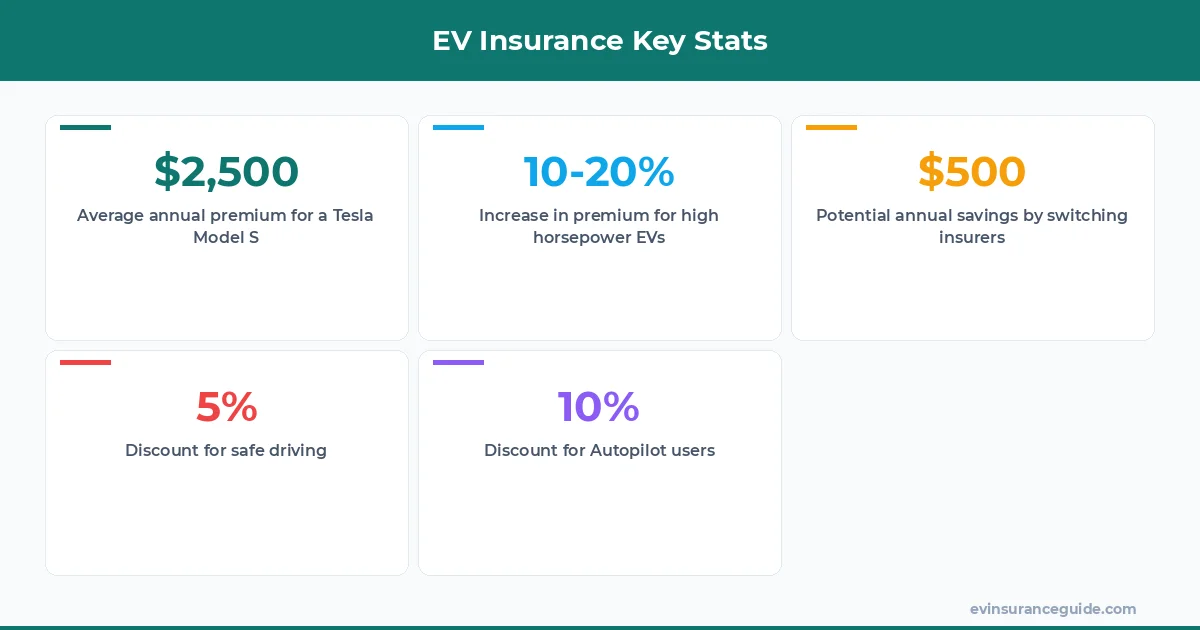
So, you've got a performance EV, and you know it's going to cost more to insure. But what's the real cost of high horsepower on your EV insurance? Well, it depends on the insurer, and the specific car. But, on average, you're looking at an increase of around 10-20% per year, just because of the performance upgrade. That's a big difference, especially if you're already paying a premium for your EV. For example, if you're driving a Tesla Model S Plaid, with 1,020 horsepower, you can expect to pay around $3,500 per year for insurance. That's a lot of money, just for the privilege of driving a fast car.
Pro tip: If you're driving a performance EV, make sure to shop around and compare rates from different insurers. You might be surprised at the difference in prices - and you could end up saving some serious cash. For example, you could save around $500 per year by switching from State Farm to Geico.
But, here's the thing - it's not all bad news. Some insurers, like Tesla insurance, actually offer discounts for performance EV owners. They recognize that these cars are often driven by enthusiasts, who take care of their vehicles and drive safely. So, if you're driving a performance EV, you might actually be able to get a better rate, just because of your car. Sound familiar? Yeah, I thought so.
Warning: Don't Get Caught in the High-Performance Trap
So, you've got a performance EV, and you're looking for insurance. But, beware - there are some traps out there, just waiting to catch you. For example, some insurers might offer you a low premium, but with limited coverage. Or, they might try to sell you on a bunch of extra features that you don't need. So, you need to be careful, and make sure you're getting the right coverage for your car. Know what the kicker is? Some insurers might even try to upsell you on features that aren't relevant to your EV. Like, do you really need roadside assistance for a car that's got a range of 300 miles? Probably not.
For example, let's say you're driving a Rivian R1T, with a range of 314 miles. You're not going to need roadside assistance, because you can just charge up and keep going. But, some insurers might try to sell you on that feature anyway, just to make a buck. So, you need to be smart, and do your research. Make sure you're getting the right coverage for your car, and don't get caught in the high-performance trap.
What's the Story Behind the Highest EV Insurance Premiums?
So, you've heard the rumors - some EV owners are paying upwards of $5,000 per year for insurance. What's the story behind these crazy-high premiums? Well, it's not just about the car - it's about the driver, too. For example, if you're a young driver, or you've got a history of accidents, you're going to pay more for insurance. But, if you're a safe driver, with a good record, you might actually be able to get a better rate. Wild, right?
I mean, think about it - insurance is all about risk. And, if you're driving a performance EV, you're taking on more risk. But, if you're a safe driver, you can mitigate that risk, and get a better rate. For example, let's say you're driving a Tesla Model 3 Performance, and you've got a clean driving record. You might be able to get a rate of around $2,000 per year, just because you're a safe driver. That's a big difference, just because of your driving habits.
FAQs
#### What's the average annual premium for a Tesla Model 3?
The average annual premium for a Tesla Model 3 is around $1,800, depending on the trim level and your driving record. For example, if you're driving a Tesla Model 3 Long Range, you might pay around $1,600 per year, while the Performance model costs around $2,200 per year.
#### How does horsepower affect my EV insurance premium?
Horsepower can increase your EV insurance premium, as it's seen as a higher-risk factor. For example, if you're driving a Tesla Model S Plaid, with 1,020 horsepower, you can expect to pay around $3,500 per year for insurance. That's because the insurer sees your car as a higher risk, and charges you more accordingly.
#### Can I get a discount for my performance EV?
Some insurers, like Tesla insurance, offer discounts for performance EV owners. For example, you might be able to get a discount of around 10% per year, just because you're driving a performance EV. That's a big difference, especially if you're already paying a premium for your car.
#### What's the difference between Tesla insurance and State Farm?
Tesla insurance and State Farm are two different insurers, with different rates and coverage. For example, Tesla insurance might offer a discount for Autopilot users, while State Farm offers a discount for drivers who complete a safe driving course. So, you need to shop around and compare rates, to find the best deal for your car.
#### How can I lower my EV insurance premium?
You can lower your EV insurance premium by shopping around, comparing rates, and finding the best deal for your car. You can also get discounts for things like safe driving, low mileage, and anti-theft devices. For example, you might be able to get a discount of around 5% per year, just by installing a dash cam.
#### What's the most expensive EV to insure?
The most expensive EV to insure is probably the Tesla Model S Plaid, with a premium of around $3,500 per year. That's because the car is seen as a high-risk factor, due to its high horsepower and performance capabilities. But, you can still shop around and compare rates, to find the best deal for your car.
#### Can I insure my EV with a regular insurer?
Yes, you can insure your EV with a regular insurer, but you might not get the best rate. Some insurers, like State Farm and Geico, offer specialized EV insurance, with discounts and perks for EV owners. So, you might want to consider shopping around, to find the best deal for your car.
That's all from me — go save some money. — Alex