OK so someone DM'd me this question... does their homeowner's policy cover their Level 2 charger for their Tesla Model 3? Well, it's not that simple. Home EV charging station insurance is a grey area, and I'm here to break it down for you. You've probably invested a pretty penny in that charger - around $500 to $1,000 for a decent one - and the last thing you want is to shell out again if it gets damaged. Sound familiar?
OK So Here's the Deal With Home EV Charger Insurance
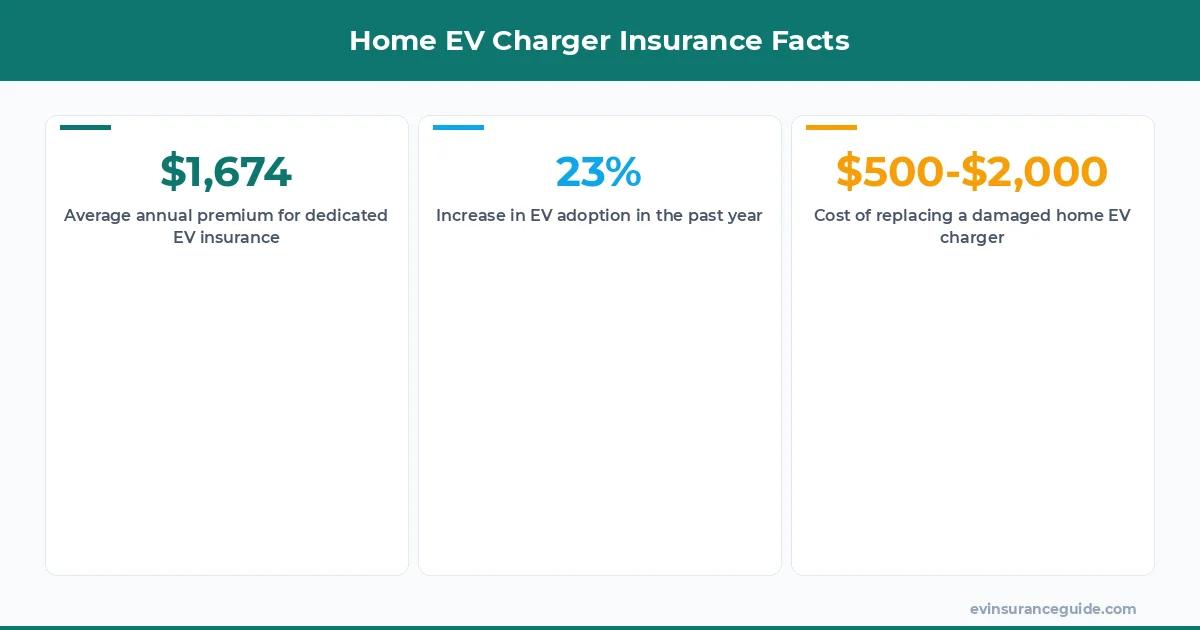
You'd think your homeowner's policy would have your back, but the truth is, it's often not enough. I mean, what if your charger gets struck by lightning? Or your dog decides to use it as a chew toy? That's when you'll wish you had dedicated EV insurance. Now, I know what you're thinking... 'Do I really need to pay extra for this?' And honestly, it's a tough call. But if you've got a pricey EV like a Tesla Model 3 or a BMW iX, it's worth considering. The cost of replacing a damaged charger can range from $500 to $2,000, depending on the model and brand.
For instance, let's say you've got a Tesla Model 3 and a Level 2 charger from ChargePoint. If that charger gets damaged, you're looking at a replacement cost of around $700 to $1,000. Ouch, right? But with dedicated EV insurance, you can get coverage for that charger and avoid paying out of pocket. Know what the kicker is? Some homeowner's policies might cover your charger, but only up to a certain limit - like $500 or $1,000. So, if your charger costs more than that, you're on the hook for the rest.
7 Things You Need to Know About Home EV Charger Insurance
Here are the key things to keep in mind when it comes to insuring your home EV charger. First, check your homeowner's policy to see if it covers your charger at all. If it does, find out what the coverage limit is and what's not covered. For example, some policies might not cover damage from power surges or electrical fires. Second, consider getting dedicated EV insurance that includes coverage for your charger. This can give you peace of mind and protect your wallet. Third, shop around for policies that offer the best coverage at the best price. You can expect to pay around $100 to $300 per year for dedicated EV insurance, depending on your location and the value of your EV.
Now, I know some of you might be thinking, 'But Alex, I've got a Hyundai Ioniq 5, not a Tesla Model 3. Does this still apply to me?' And the answer is, yes! The principles are the same, regardless of the EV model you own. However, the cost of replacement parts and labor might vary depending on the brand and model. For instance, a Hyundai Ioniq 5 owner might pay around $500 to $1,500 to replace a damaged charger, depending on the type and quality of the charger.
What Happened to John and His Tesla Model 3 Charger
So, I've got a friend, John, who owns a Tesla Model 3 and a Level 2 charger from Tesla. One day, a strong storm rolled in and knocked out the power in his neighborhood. When the power came back on, his charger was fried. Luckily, John had dedicated EV insurance that covered his charger, so he was able to get a replacement without paying a dime out of pocket. That one stung, but at least he was prepared. Wild, right? The point is, you never know when disaster might strike, and having the right insurance can make all the difference.
As John found out, having dedicated EV insurance can be a lifesaver. But, it's not just about the cost of replacement parts. It's also about the convenience and peace of mind that comes with knowing you're covered. For example, if your charger is damaged and you need to get it replaced quickly, dedicated EV insurance can help you get back on the road faster.
Honestly, Home EV Charger Insurance Can Be a Total Rip-Off
I'm gonna give it to you straight - some home EV charger insurance policies are overpriced trash. They might offer limited coverage, high deductibles, and sky-high premiums. That's why it's essential to do your research and compare policies from different providers. Don't just go with the first policy you find; shop around and read the fine print. You might be surprised at how much you can save by switching to a different provider.
For instance, let's say you're currently paying $250 per year for a policy that covers your Tesla Model 3 charger, but only up to $500. If you switch to a different provider that offers a policy with a $1,000 coverage limit and a lower premium of $200 per year, you'll save $50 per year and get better coverage. That's a no-brainer, right?
Comparing Home EV Charger Insurance to Smartphone Insurance
You know how some people insure their smartphones against damage or loss? Well, home EV charger insurance is kinda like that, but for your charger. And just like smartphone insurance, it's not always a necessity. But, if you've got a pricey EV like a Rivian or a Tesla Model 3, it's worth considering. The cost of replacing a damaged charger can be steep, and having insurance can help you avoid paying out of pocket.
Pro tip: Always read the fine print and ask questions before buying a policy. You don't want to find out too late that your policy doesn't cover what you thought it did.
Now, let's talk about the cost of home EV charger insurance. The premium can vary widely depending on the provider, the type of charger, and the value of your EV. On average, you can expect to pay around $100 to $300 per year for dedicated EV insurance. But, some policies might cost more or less, depending on the coverage limits and deductibles.
FAQs
#### What is the typical cost of a home EV charger?
The cost of a home EV charger can range from $500 to $2,000, depending on the brand, model, and features.
#### Do all homeowner's policies cover home EV chargers?
No, not all homeowner's policies cover home EV chargers. You'll need to check your policy to see if it includes coverage for your charger.
#### Can I get a discount on my home EV charger insurance?
Yes, some providers offer discounts for bundling policies or for having a good driving record.
#### How do I file a claim for my home EV charger?
If your charger is damaged, contact your insurance provider to file a claim. You'll need to provide proof of damage and documentation for your charger.
#### What are the most common causes of home EV charger damage?
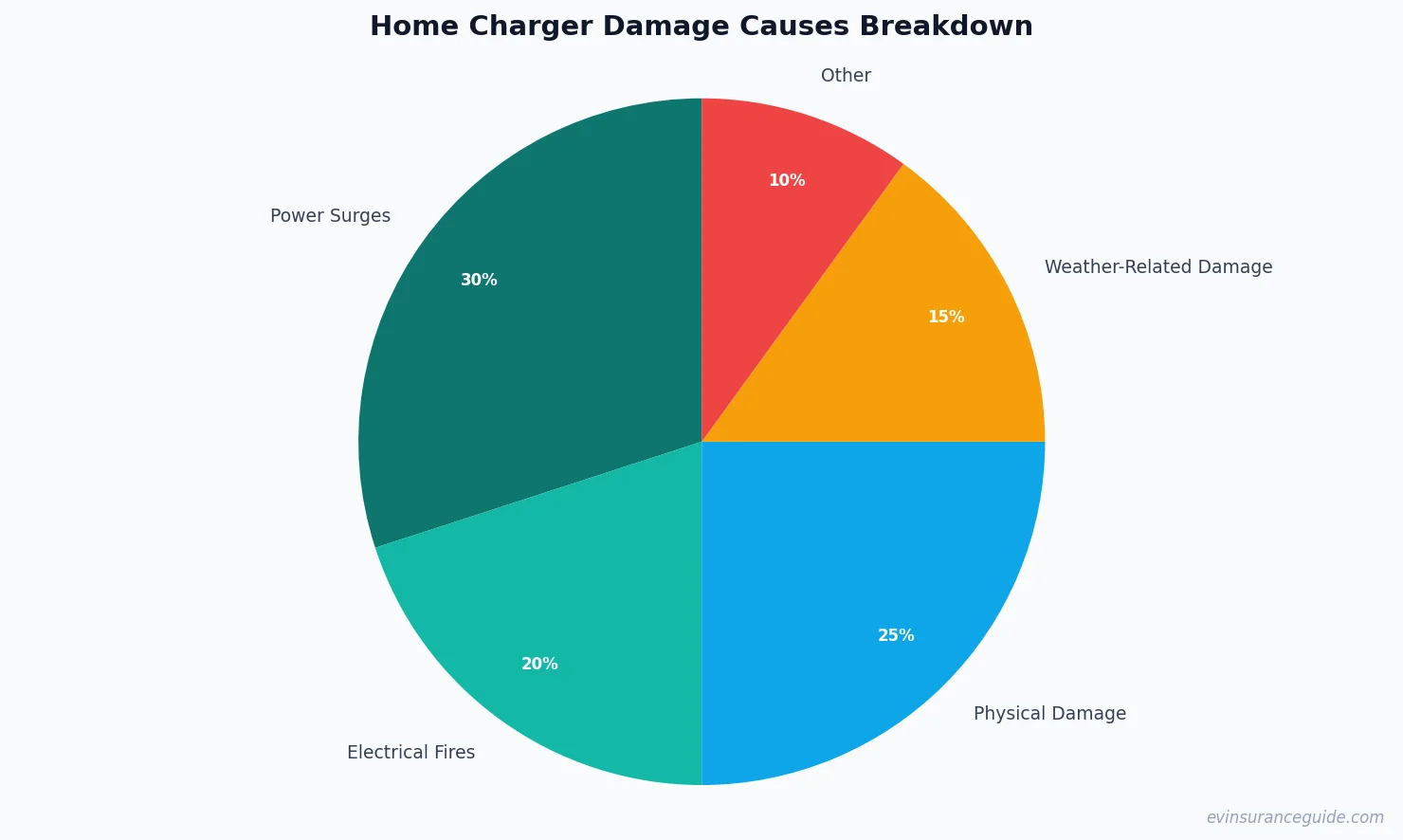
The most common causes of home EV charger damage include power surges, electrical fires, and physical damage from accidents or vandalism.
#### Are there any government incentives for home EV charger insurance?
Currently, there are no federal incentives for home EV charger insurance. However, some states and local governments offer incentives for EV owners, such as tax credits or rebates.
#### Can I insure my home EV charger separately from my homeowner's policy?
Yes, you can purchase a separate policy for your home EV charger. This can provide additional coverage and peace of mind.
Happy driving, and don't overpay! — Alex