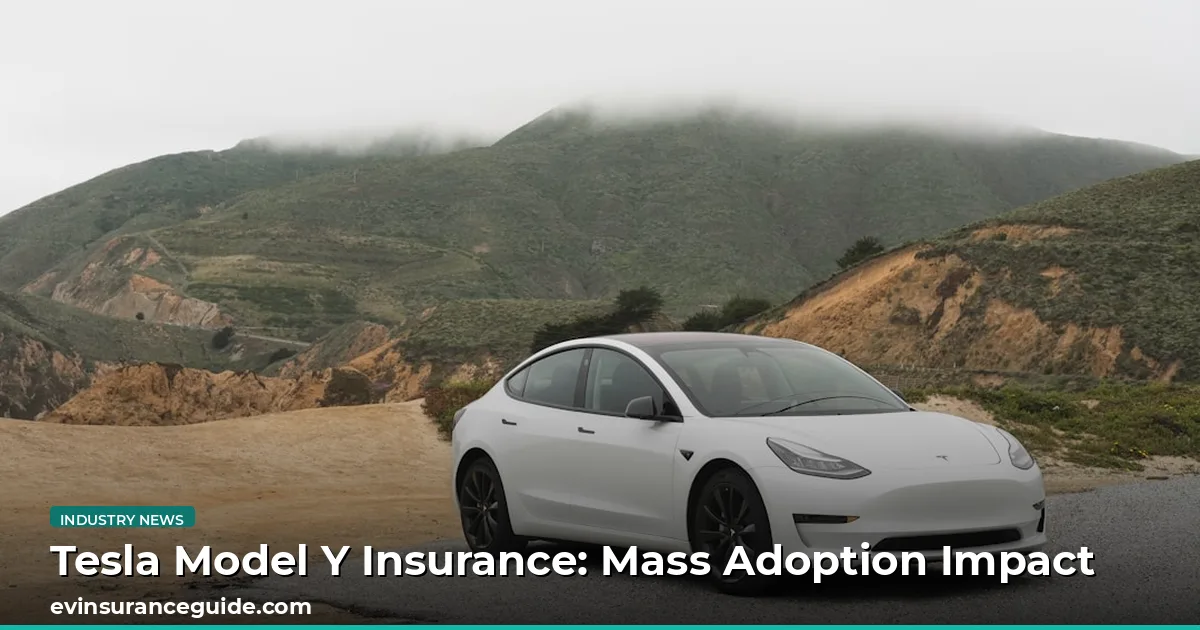
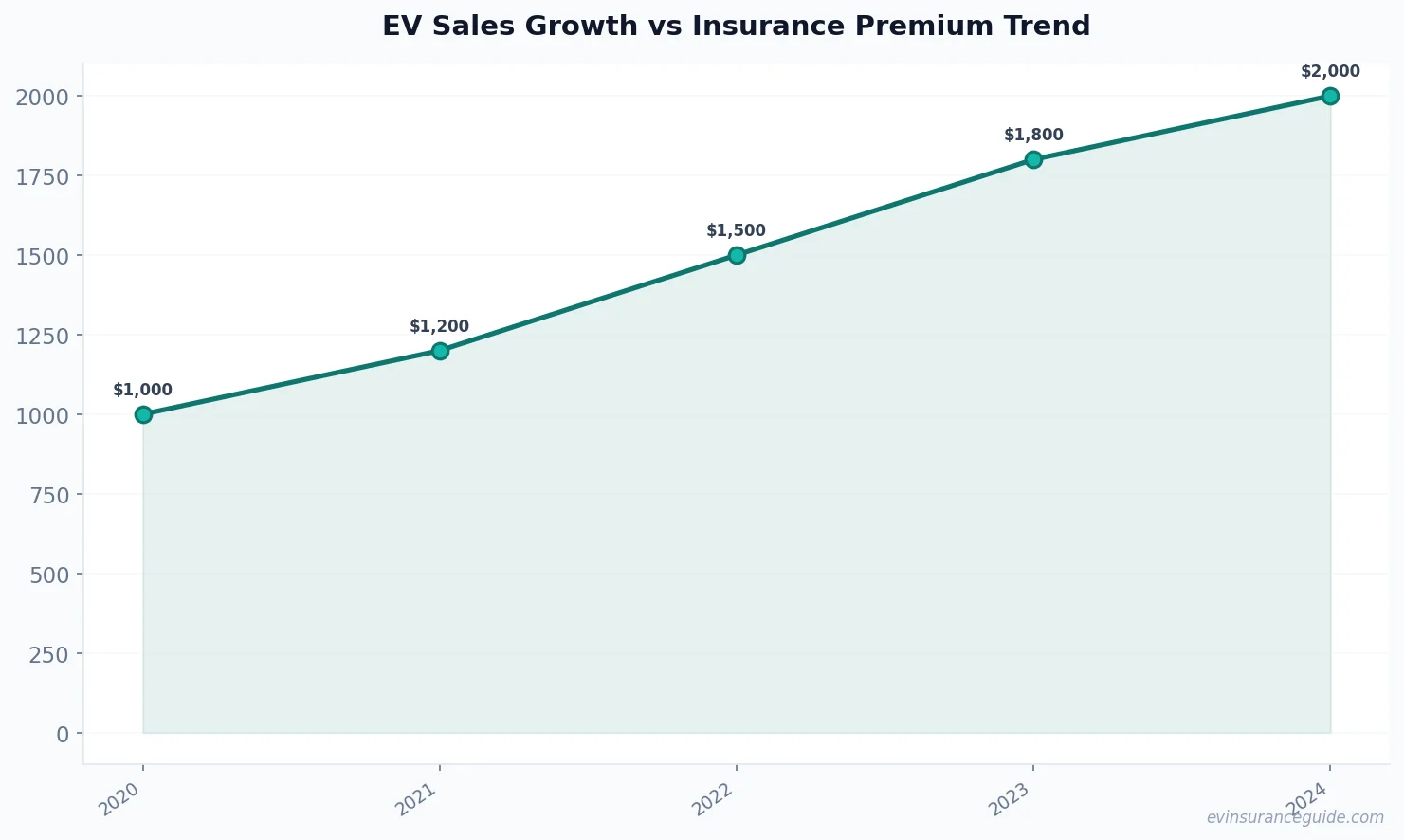
Did you know that in 2022, EV insurance premiums rose by 15% on average, with some Tesla Model Y owners seeing hikes of up to $500 per year? That's a pretty sharp increase, and it's got a lot of people wondering what's driving these changes. Wild, right? The main culprit is the growing number of EVs on the road - as more people switch to electric, insurers are adjusting their prices to account for the unique risks and benefits of these vehicles.
Now, you might be thinking: what's the big deal about EVs? They're just like regular cars, but with a different power source. But that's where things get interesting. EVs like the Tesla Model Y, BMW iX, and Hyundai Ioniq 5 have some key differences that affect insurance prices. For one, they're often more expensive to repair than their gas-powered counterparts, which means insurers have to pay out more in the event of a claim. And with more EVs on the road, the likelihood of accidents - and subsequent claims - increases.
This is where the concept of risk pooling comes in. Essentially, insurers gather data on the likelihood of certain events (like accidents) happening within a given group (like EV owners). As more people join that group, the insurer can spread the risk around, which should - in theory - lead to lower premiums. But with EVs, it's not quite that simple. Because they're still a relatively new technology, there's less data available on their long-term reliability and safety. This uncertainty makes insurers nervous, and they're adjusting their prices accordingly.
MYTH_BUST: EVs Are Always More Expensive to Insure
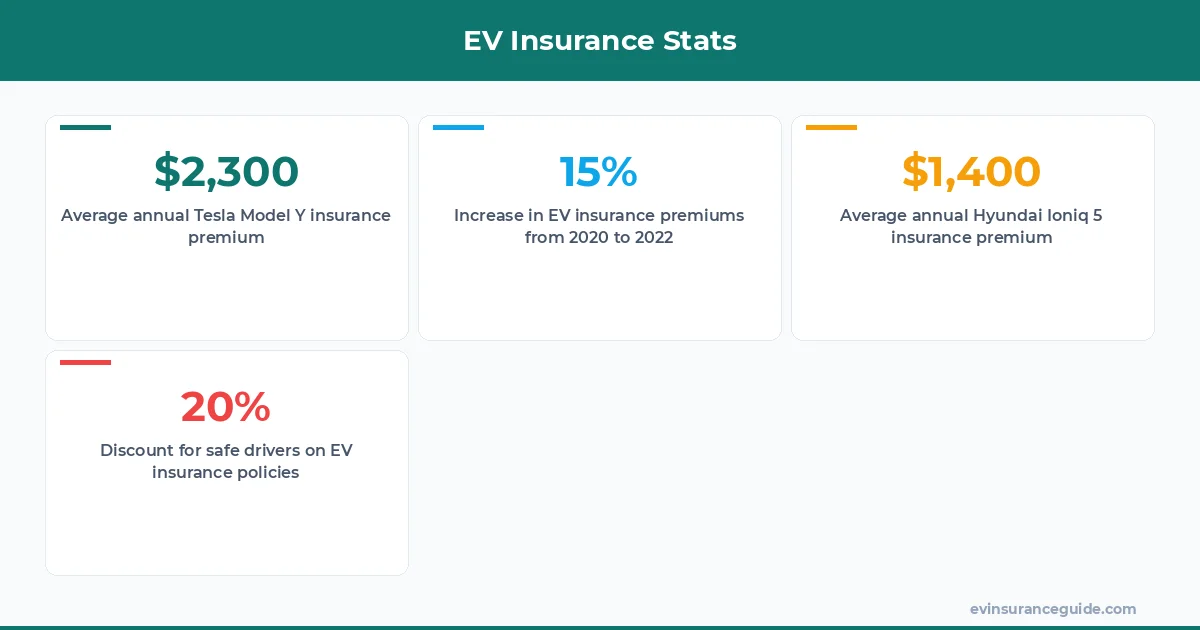
Nope, that's not always true. While it's true that some EVs - like the Tesla Model Y - can be pricier to insure, others are actually relatively affordable. The Hyundai Ioniq 5, for example, has an average annual premium of around $1,400, which is comparable to many gas-powered vehicles. Know what the kicker is? It's all about the specifics of the vehicle and the driver. If you're a safe driver with a clean record, you might be able to snag a decent deal on your EV insurance - even if you're driving a luxury model like the BMW iX.
So, what's driving these variations in price? One key factor is the cost of replacement parts. Because EVs have fewer moving parts than traditional vehicles, they're often cheaper to maintain and repair. But when they do need repairs, the parts can be pricey. The Tesla Model Y, for instance, has a pretty complex powertrain that requires specialized tools and expertise to fix. This can drive up the cost of repairs, which in turn affects insurance prices.
Another factor is the growing network of EV charging stations. As more stations pop up around the country, it's becoming easier for EV owners to charge on the go - which reduces the risk of accidents caused by running out of juice. This is a big deal for insurers, because it means they're less likely to have to pay out for claims related to charging issues. And that, in turn, can lead to lower premiums for EV owners.
HONEST_OPINION: Tesla Model Y Insurance Is a Mixed Bag
Dead serious: if you're in the market for a Tesla Model Y, you need to be prepared for some sticker shock when it comes to insurance. The average annual premium for a Model Y is around $2,300, which is significantly higher than many other vehicles. But here's the thing: it's not all bad news. Because Tesla has such a strong brand reputation and a growing network of owners, there are some great deals to be found if you shop around. I'd recommend checking out companies like Geico or State Farm, which offer competitive rates and a range of discounts for safe drivers and loyal customers.
One thing to keep in mind is that Tesla's own insurance program - which is available in some states - can be a pretty good option for Model Y owners. The program uses real-time data from the vehicle to assess driving habits and adjust premiums accordingly. This can be a great way to save money, especially if you're a safe driver. But, of course, it's not available everywhere - and even where it is, it's not always the cheapest option.
Now, I know what you're thinking: what about other EV models? How do they stack up in terms of insurance prices? Well, actually, it's a pretty mixed bag. The Rivian R1T, for example, has an average annual premium of around $2,500 - which is even higher than the Tesla Model Y. But the Hyundai Ioniq 5, as I mentioned earlier, is relatively affordable. It really depends on the specifics of the vehicle and the driver.
As the EV market continues to grow and evolve, we're gonna see more and more insurers offering specialized policies for these vehicles. And that's gonna drive competition - which is good news for consumers. Because when insurers are competing for your business, they're more likely to offer better rates and more comprehensive coverage.
5 Key Factors Affecting EV Insurance Prices
OK, let's get down to business: what are the key factors that affect EV insurance prices? Number one: the type of vehicle. As we've discussed, different EV models have different insurance prices - and it's not just about the sticker price. The Tesla Model Y, for example, is a pretty complex vehicle with a lot of advanced tech - which can drive up repair costs.
Number two: driving history. If you've got a clean record and a history of safe driving, you're gonna be eligible for better rates - regardless of the vehicle you drive. And that's true for EVs as well as traditional vehicles. Number three: location. Where you live and drive can have a big impact on your insurance prices - especially if you live in an area with high crime rates or a history of natural disasters.
Number four: coverage levels. If you're opting for a bare-bones policy with minimal coverage, you're gonna pay less than someone who's going for a comprehensive policy with all the bells and whistles. And number five: the insurer itself. Different companies have different pricing models and different levels of risk tolerance - so it pays to shop around and compare rates.
But what about the cost of EV insurance in different states? Well, that's a great question. Because insurance is regulated at the state level, prices can vary pretty significantly depending on where you live. In California, for example, the average annual premium for a Tesla Model Y is around $2,500 - while in Texas, it's more like $2,000. Know what the kicker is? It's all about the local market conditions and the specific regulations in place.
OK So Here's the Deal With Tesla Model Y Insurance
So, you wanna know the deal with Tesla Model Y insurance? Honestly, it's a bit of a mixed bag. On the one hand, you've got the potential for some pretty steep premiums - especially if you're a new driver or you've got a history of accidents. But on the other hand, you've also got some great options for saving money - like Tesla's own insurance program or specialized policies from companies like Geico.
The key is to shop around and compare rates from different insurers. Don't just go with the first company you find - take the time to research and compare prices. And don't be afraid to negotiate - because insurers are often willing to work with you to find a better rate. One thing to keep in mind is that EVs are still a relatively new technology, and insurers are still figuring out how to price them. So, it's gonna be a bit of a wild ride - but with the right approach, you can find a great deal on your Tesla Model Y insurance.
But, let's be real - the cost of EV insurance can be a major barrier for some people. I mean, if you're already paying $50,000 or more for a vehicle, you don't want to be shelling out another $2,000 or $3,000 per year for insurance. That's why it's so important to shop around and find a policy that fits your budget. And, of course, to drive safely and avoid accidents - because that's the best way to keep your premiums low in the long run.
As the EV market continues to grow, we're gonna see more and more innovation in the insurance space. Companies are gonna be offering new types of policies and new discounts for EV owners - and that's gonna be a big deal for consumers. Because when you've got more options and more competition, you're gonna get better rates and better coverage.
Comparing EV Insurance: Tesla Model Y vs Rivian R1T
So, how does the Tesla Model Y stack up against other EVs when it comes to insurance prices? Let's take the Rivian R1T, for example. The R1T is a pretty similar vehicle to the Model Y - it's a luxury EV with a lot of advanced tech and a hefty price tag. But when it comes to insurance, the R1T is actually a bit pricier than the Model Y. The average annual premium for a Rivian R1T is around $2,800 - which is about $500 more than the Model Y.
Now, that might seem like a lot - but it's actually not that surprising. The Rivian R1T is a pretty complex vehicle with a lot of unique features - and that complexity can drive up repair costs. And, of course, the R1T is also a pretty new vehicle - so there's not as much data available on its long-term reliability and safety. That uncertainty makes insurers nervous, and they're adjusting their prices accordingly.
But, let's not forget - the Tesla Model Y is still a pretty expensive vehicle to insure. The average annual premium is around $2,300 - which is significantly higher than many other vehicles. So, if you're in the market for a new EV, you need to factor that into your budget. And, of course, you need to shop around and compare rates from different insurers - because the prices can vary significantly depending on the company and the specific policy.
As the EV market continues to evolve, we're gonna see more and more comparisons between different models and manufacturers. And that's gonna be a big deal for consumers - because it'll give them more options and more information to make informed decisions. So, stay tuned - it's gonna be an interesting ride.
Frequently Asked Questions
What's the average cost of Tesla Model Y insurance?
The average annual premium for a Tesla Model Y is around $2,300 - although prices can vary significantly depending on the insurer, the driver, and the specific policy. It's always a good idea to shop around and compare rates from different companies to find the best deal.
One thing to keep in mind is that Tesla's own insurance program can be a pretty good option for Model Y owners. The program uses real-time data from the vehicle to assess driving habits and adjust premiums accordingly. This can be a great way to save money - especially if you're a safe driver.
How does the cost of EV insurance compare to traditional vehicles?
The cost of EV insurance can be higher or lower than traditional vehicles - it really depends on the specifics of the vehicle and the driver. Some EVs, like the Hyundai Ioniq 5, have relatively low insurance prices - comparable to many gas-powered vehicles. But other EVs, like the Tesla Model Y, can be pricier to insure.
It's also worth noting that EVs often have lower maintenance costs than traditional vehicles - which can help offset the cost of insurance. Because EVs have fewer moving parts, they're often cheaper to repair and maintain - which can save you money in the long run.
What factors affect the cost of EV insurance?
There are a number of factors that can affect the cost of EV insurance - including the type of vehicle, driving history, location, coverage levels, and the insurer itself. Because EVs are still a relatively new technology, there's less data available on their long-term reliability and safety - which can make insurers nervous and drive up prices.
But, as the EV market continues to grow and evolve, we're gonna see more and more innovation in the insurance space. Companies are gonna be offering new types of policies and new discounts for EV owners - and that's gonna be a big deal for consumers.
Can I get a discount on my EV insurance?
Yes, there are a number of ways to get a discount on your EV insurance. Many insurers offer discounts for safe drivers, loyal customers, and people who drive low-mileage vehicles. You can also save money by opting for a higher deductible or a more basic policy - although that might not be the best option for everyone.
And, of course, there are also some specialized discounts available for EV owners. Some insurers offer discounts for people who drive EVs - especially if they're driving a vehicle with a high safety rating or a low environmental impact.
How do I choose the right EV insurance policy for my needs?
Choosing the right EV insurance policy can be a bit overwhelming - especially with all the options available. But, basically, you need to think about what you need and what you can afford. Consider the type of vehicle you drive, your driving history, and your budget - and shop around to find a policy that fits your needs.
It's also a good idea to read reviews and do some research on the insurer itself. You want to make sure you're working with a reputable company that's gonna be there for you if you need to file a claim.
What's the future of EV insurance?
The future of EV insurance is looking bright - especially as the EV market continues to grow and evolve. We're gonna see more and more innovation in the insurance space - with new types of policies and new discounts for EV owners. And, of course, we're gonna see more and more competition - which is gonna drive down prices and improve coverage.
So, if you're in the market for a new EV, don't be afraid to shop around and compare rates from different insurers. And, of course, don't forget to drive safely and avoid accidents - because that's the best way to keep your premiums low in the long run.
Pro tip: always read the fine print and ask questions before signing up for an insurance policy. It's better to be safe than sorry - especially when it comes to something as important as your vehicle.
Keep those batteries topped up and those premiums low. — Alex