EV insurance is a total rip-off for young drivers — and it's not just because they're more prone to accidents. Nope, it's because insurance companies are still trying to figure out how to price electric vehicles, and they're passing the cost on to you. Sound familiar? You're not alone. I've been in the industry for five years, and I've seen some crazy pricing discrepancies.
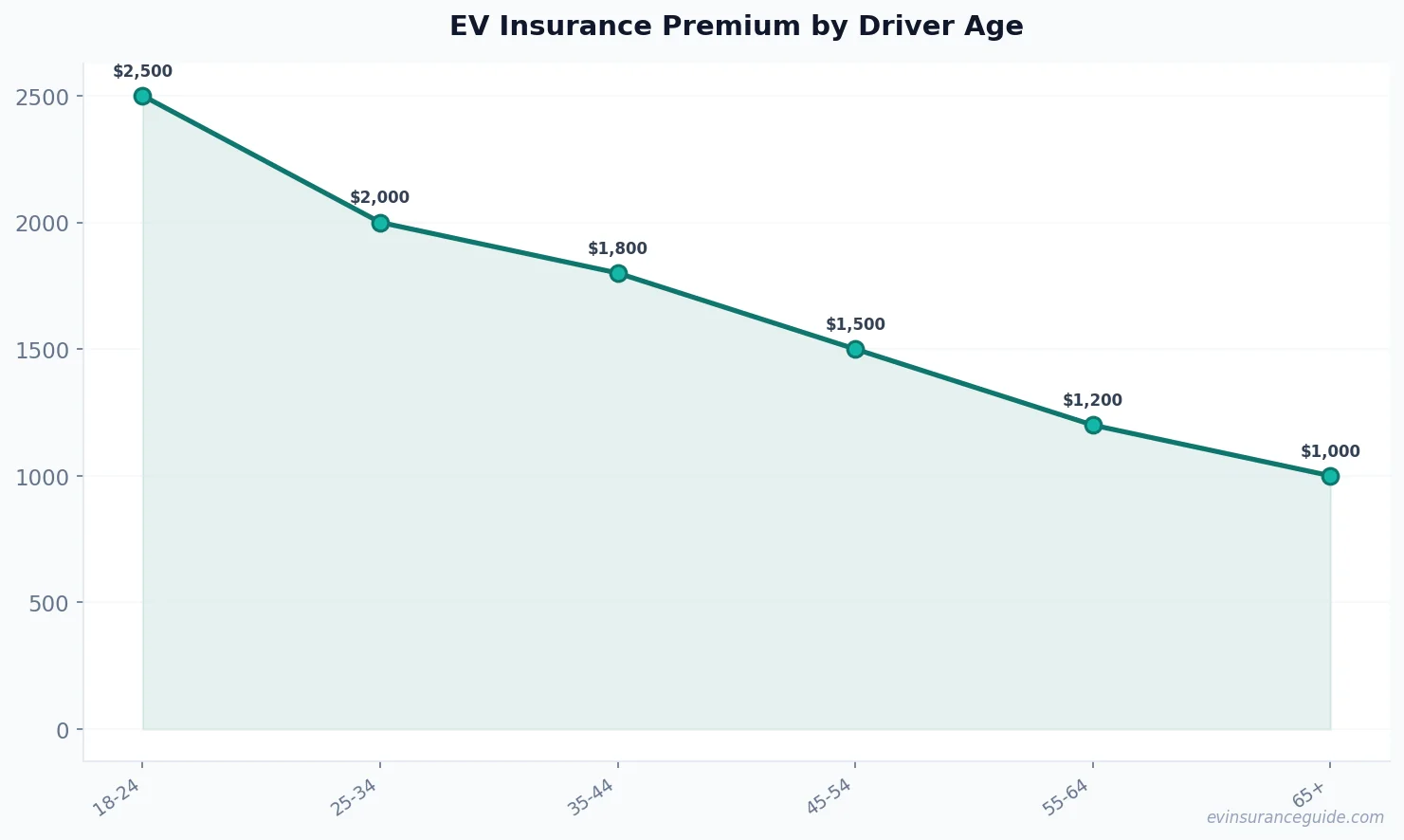
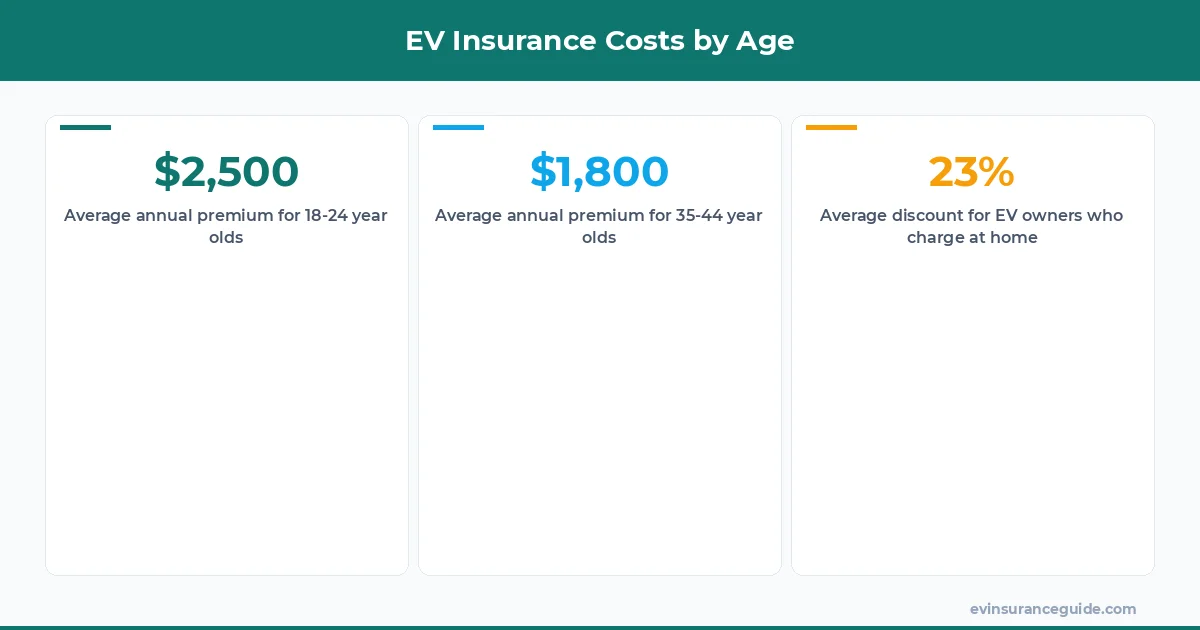
Take my friend, Alex, for example. He's a 25-year-old Tesla Model 3 owner, and he's paying a whopping $2,500 per year for insurance. That's more than twice what I'm paying for my Hyundai Ioniq 5, and I'm 10 years older. Wild, right? It's not just the car model, either — it's the age of the driver. Insurance companies are still using outdated pricing models that don't take into account the unique characteristics of EVs.
So, what can you do about it? Well, actually, there are a few things. First, shop around. Don't just stick with the first insurance company you find. Compare prices, and look for companies that specialize in EV insurance. Some companies, like Progressive, are starting to offer more competitive rates for EV owners. And, of course, there's the age factor. If you're under 30, you're gonna pay more. But if you're over 50, you might be able to snag a better deal.
What Happened to Jake: A Cautionary Tale
Jake's a 22-year-old Rivian owner, and he thought he was getting a great deal on his insurance. That is, until he got into an accident and found out that his policy didn't cover nearly as much as he thought it did. That one stung. He ended up paying out of pocket for over $10,000 in repairs. Ouch. Know what the kicker is? He could've saved himself the hassle if he'd just read the fine print. Don't be like Jake — take the time to understand your policy.
Now, I know what you're thinking: why is EV insurance so expensive, anyway? It's not just the cost of the car itself — although, let's be real, EVs can be pricey. It's the fact that insurance companies are still trying to figure out how to price them. They're using outdated models that don't take into account the unique characteristics of EVs, like their lower maintenance costs and longer lifespans. Dead serious, it's a mess.
But, hey, there's hope. Some companies, like Geico, are starting to offer more competitive rates for EV owners. And, if you're willing to shop around, you can find some great deals. For example, I found a policy for a 30-year-old Tesla Model Y owner that was over $1,000 cheaper than the average rate. Not bad, right?
Honestly, EV Insurance Is a Total Gamble
Let's get real — EV insurance is a total gamble. You're basically betting that you won't get into an accident, and if you do, you're hoping that your insurance company will cover the costs. But, what if they don't? What if you're stuck with a huge bill and no way to pay it? It's a scary thought, especially if you're on a tight budget. And, let's be real, who isn't these days?
So, how can you mitigate the risk? Well, first, you need to understand your policy. Don't just skim the fine print — read it carefully, and make sure you understand what's covered and what's not. And, if you're not sure, ask your insurance company. They should be able to explain it to you in plain English. If they can't, or won't, that's a red flag.
Now, I know some of you are thinking, why is EV insurance so expensive? It's not just the cost of the car itself — it's the fact that insurance companies are still trying to figure out how to price them. They're using outdated models that don't take into account the unique characteristics of EVs, like their lower maintenance costs and longer lifespans. But, hey, that's not your problem. Your problem is finding a policy that won't break the bank.
And, let's not forget about the environmental benefits of EVs. They're better for the planet, and they're getting more affordable by the day. So, why are insurance companies still charging us an arm and a leg? It's a good question, and one that I don't have a clear answer to. But, I do know that we need to keep pushing for change.
Busting the Myth: EVs Are More Expensive to Insure
There's a common myth out there that EVs are more expensive to insure than gas-powered cars. But, is it true? Not necessarily. In fact, some EVs, like the Nissan Leaf, are actually cheaper to insure than their gas-powered counterparts. And, if you're willing to shop around, you can find some great deals on EV insurance.
Now, I know what you're thinking: why is EV insurance so expensive, then? It's not just the cost of the car itself — it's the fact that insurance companies are still trying to figure out how to price them. They're using outdated models that don't take into account the unique characteristics of EVs, like their lower maintenance costs and longer lifespans. But, hey, that's not your problem. Your problem is finding a policy that won't break the bank.
So, what can you do about it? Well, first, you need to understand your policy. Don't just skim the fine print — read it carefully, and make sure you understand what's covered and what's not. And, if you're not sure, ask your insurance company. They should be able to explain it to you in plain English. If they can't, or won't, that's a red flag.
Pro tip: always read the fine print, and don't be afraid to ask questions. Your insurance company should be able to explain your policy to you in plain English. If they can't, or won't, that's a red flag.
A Comparison: EV Insurance vs. Gas-Powered Car Insurance
So, how does EV insurance compare to gas-powered car insurance? Well, it's not always apples to apples. EVs are still a relatively new technology, and insurance companies are still trying to figure out how to price them. But, in general, EV insurance is more expensive than gas-powered car insurance. However, some EVs, like the Tesla Model 3, are actually cheaper to insure than some gas-powered cars.
Now, I know what you're thinking: why is EV insurance so expensive, then? It's not just the cost of the car itself — it's the fact that insurance companies are still trying to figure out how to price them. They're using outdated models that don't take into account the unique characteristics of EVs, like their lower maintenance costs and longer lifespans. But, hey, that's not your problem. Your problem is finding a policy that won't break the bank.
And, let's not forget about the cost of charging. If you're charging your EV at home, you're probably using electricity, which is generally cheaper than gas. But, if you're charging on the go, you might be using a public charging station, which can be more expensive. So, how does that affect your insurance premium? Well, it's not always clear. Some insurance companies might take into account the cost of charging when calculating your premium, while others might not.
A Warning: Don't Get Caught Off Guard by Hidden Fees
So, you've found a great deal on EV insurance, and you're ready to sign on the dotted line. But, wait — what's this? A hidden fee for roadside assistance? Or maybe a surcharge for public charging? Yeah, those can add up quickly. And, if you're not careful, you might end up paying more than you expected.
Now, I know what you're thinking: why is EV insurance so expensive, anyway? It's not just the cost of the car itself — it's the fact that insurance companies are still trying to figure out how to price them. They're using outdated models that don't take into account the unique characteristics of EVs, like their lower maintenance costs and longer lifespans. But, hey, that's not your problem. Your problem is finding a policy that won't break the bank.
So, what can you do about it? Well, first, you need to understand your policy. Don't just skim the fine print — read it carefully, and make sure you understand what's covered and what's not. And, if you're not sure, ask your insurance company. They should be able to explain it to you in plain English. If they can't, or won't, that's a red flag.
Frequently Asked Questions
What is the average cost of EV insurance?
The average cost of EV insurance varies depending on the driver's age, location, and type of vehicle. However, on average, EV insurance can range from $1,500 to $3,000 per year. For example, a 30-year-old Tesla Model 3 owner might pay around $2,000 per year, while a 50-year-old Hyundai Ioniq 5 owner might pay around $1,800 per year.
How does the age of the driver affect EV insurance premiums?
The age of the driver can significantly affect EV insurance premiums. Younger drivers, typically those under 30, tend to pay more for EV insurance due to their higher risk profile. However, drivers over 50 can often qualify for lower premiums. For example, a 25-year-old Rivian owner might pay around $2,500 per year, while a 60-year-old BMW iX owner might pay around $1,500 per year.
What factors affect the cost of EV insurance?
Several factors can affect the cost of EV insurance, including the driver's age, location, type of vehicle, and driving history. Additionally, the cost of charging, whether at home or on the go, can also impact the premium. For example, a driver who charges their EV at home might pay less for insurance than a driver who frequently uses public charging stations.
Can I get a discount on my EV insurance?
Yes, many insurance companies offer discounts for EV owners. For example, some companies might offer a discount for drivers who charge their EV at home, or for those who have a good driving record. Additionally, some companies might offer a discount for EV owners who participate in a usage-based insurance program.
How can I save money on my EV insurance?
There are several ways to save money on EV insurance, including shopping around for quotes, taking advantage of discounts, and maintaining a good driving record. Additionally, drivers can consider opting for a higher deductible or dropping unnecessary coverage to lower their premium. For example, a driver who drops comprehensive coverage might save around $200 per year.
What is the most expensive EV to insure?
The most expensive EV to insure is often the Tesla Model S, due to its high purchase price and repair costs. However, other luxury EVs, such as the Audi e-tron and the Jaguar I-PACE, can also be expensive to insure. For example, a 40-year-old Tesla Model S owner might pay around $3,500 per year for insurance, while a 40-year-old Audi e-tron owner might pay around $3,000 per year.
And, finally, don't forget to check your policy for any hidden fees or surcharges. You don't want to get caught off guard by a surprise bill. That's all from me — go save some money.