Buying insurance for an electric vehicle (EV) is like trying to find a parking spot in a crowded city - it's a challenge, and you might end up paying more than you expected. But why is EV insurance so expensive, anyway? Is it the comprehensive coverage, the collision insurance, or something else entirely? Sound familiar? You're not alone in wondering why your EV insurance premiums are through the roof.
Comparing Apples to Oranges: EV Insurance vs Traditional Car Insurance
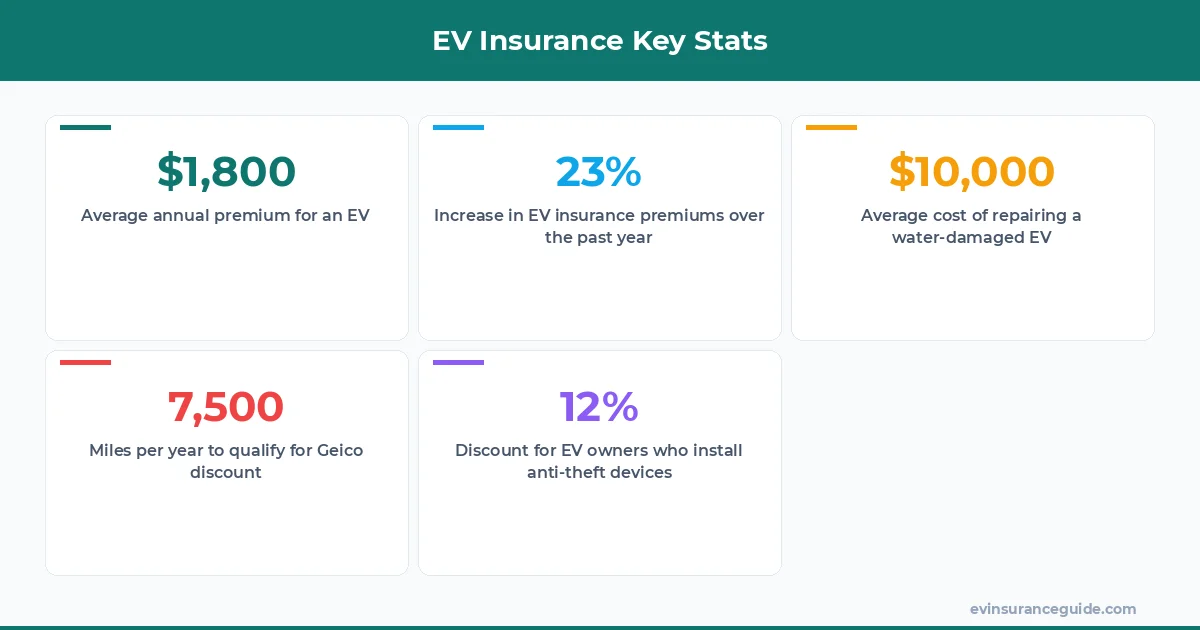
Comprehensive insurance for EVs, like the Tesla Model 3 or BMW iX, can be pricey, but it's not all bad news. For instance, some insurance companies, like Geico, offer discounts for EV owners who drive less than 7,500 miles per year. That's a decent perk, but don't expect it to make up for the overall higher cost of EV insurance. Know what the kicker is? The average annual premium for an EV is around $1,800, compared to $1,300 for a gas-powered car. That's a significant difference, and it's largely due to the higher cost of replacing EV parts, like batteries. Wild, right?
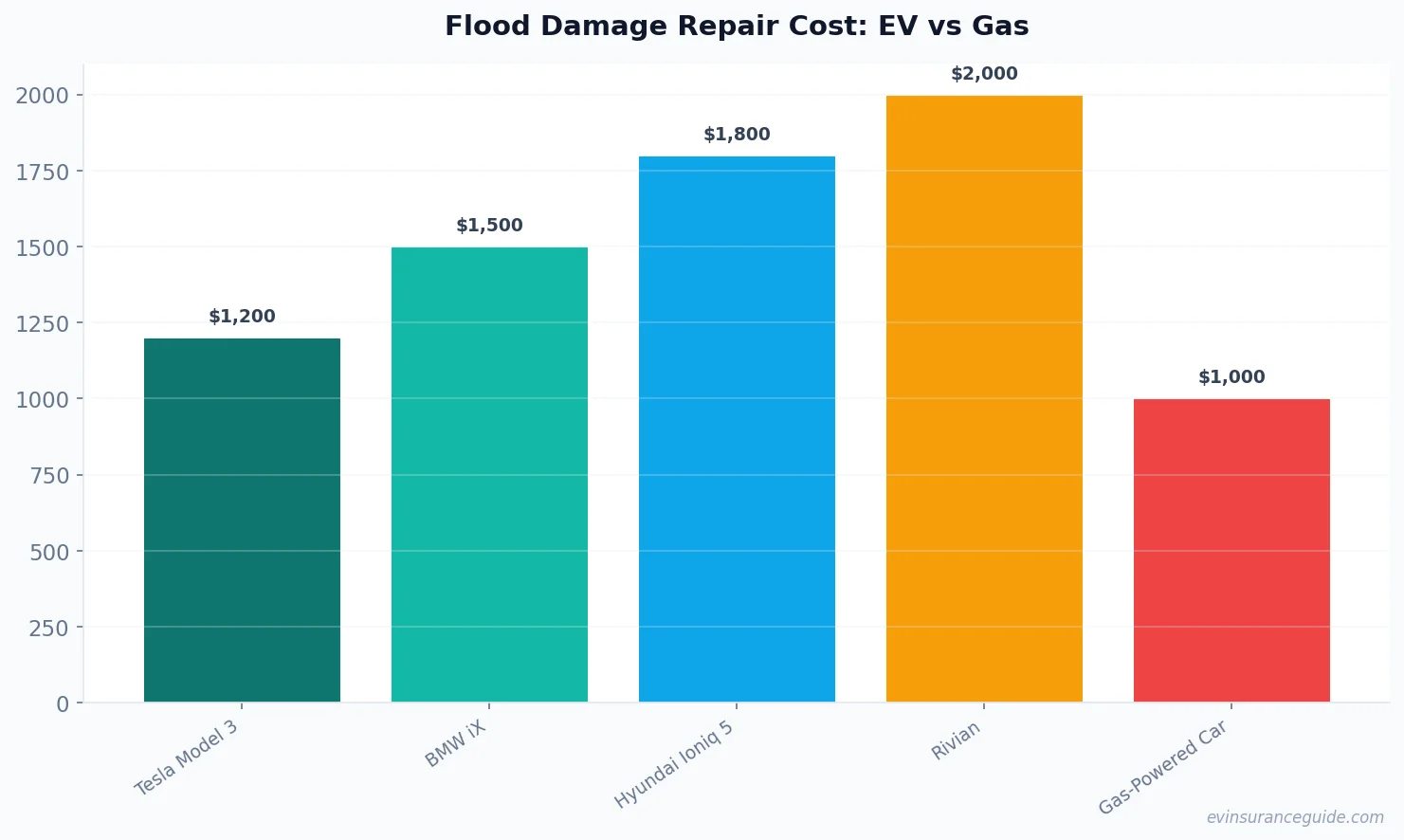
But here's the thing: comprehensive insurance is essential for protecting your EV from damage caused by flooding, theft, or vandalism. And let's be real, flood damage can be a major issue for EVs, especially if you live in an area prone to flooding. The cost of repairing a water-damaged EV can be staggering - we're talking upwards of $10,000 or more, depending on the extent of the damage. That's why it's crucial to understand what your comprehensive insurance policy covers and what it doesn't.
Take the Hyundai Ioniq 5, for example. It's a great car, but if you're unlucky enough to have it flooded, you could be looking at a repair bill of $8,000 or more. And that's just for the damage to the vehicle itself - you'll also need to factor in the cost of replacing any damaged electrical components, like the battery or motor. It's a costly proposition, and one that you'll want to avoid if possible.
5 Things You Need to Know About EV Insurance and Flood Damage
So, what do you need to know about EV insurance and flood damage? For starters, it's essential to understand that comprehensive insurance typically covers flood damage, but there may be some limitations or exclusions. For instance, if you drive your EV into a flooded area, you might not be covered if the damage is deemed to be your fault. Know what I mean? It's like trying to claim insurance for a self-inflicted wound - it's just not going to happen.
But if you're a victim of circumstance, like a sudden flash flood or a burst pipe, you should be covered. The key is to read your policy carefully and understand what's included and what's not. Don't be afraid to ask questions, either - your insurance agent should be able to guide you through the process and help you understand your options. And remember, it's always better to err on the side of caution when it comes to insurance. If you're unsure about something, it's best to assume it's not covered and plan accordingly.
The cost of EV insurance is a major concern for many owners, and it's easy to see why. With premiums ranging from $1,500 to $3,000 per year, it's a significant expense. But the truth is, why is EV insurance so expensive? It's largely due to the higher cost of replacing EV parts and the limited data on EV safety and reliability. Insurance companies are still trying to figure out how to price EV policies, and that uncertainty is reflected in the premiums.
A Cautionary Tale: Don't Assume You're Covered
I've got a friend who owns a Rivian, and he thought he was covered for flood damage. Turns out, he wasn't - and he ended up with a $12,000 repair bill. That one stung, and it's a great example of why you need to be careful when it comes to EV insurance. Don't assume you're covered, and always read the fine print. It's better to be safe than sorry, especially when it comes to something as expensive as a flood-damaged EV.
As the owner of an EV, you need to be aware of the risks and take steps to mitigate them. That might mean parking your car in a flood-proof garage or avoiding areas that are prone to flooding. It's also essential to understand your insurance policy and what it covers. Don't be afraid to ask questions or seek out additional coverage if you need it. And remember, why is EV insurance so expensive? It's a complex issue, but one that's worth understanding if you want to protect your investment.
Pro tip: Always keep a copy of your insurance policy in your car, and make sure you understand what's covered and what's not. It's also a good idea to take photos of your vehicle and any damage that occurs, as this can be helpful when filing a claim.
Honest Opinion: EV Insurance Is a Necessary Evil
Look, I'm not going to sugarcoat it - EV insurance can be expensive, and it's not always easy to understand. But the truth is, it's a necessary evil if you want to protect your investment. Why is EV insurance so expensive? It's a combination of factors, including the higher cost of EV parts and the limited data on EV safety and reliability. But with the right policy and a little bit of knowledge, you can navigate the world of EV insurance with confidence.
And let's be real - the cost of EV insurance is just one part of the overall cost of owning an EV. When you factor in the cost of the vehicle itself, the cost of charging, and the cost of maintenance, it's clear that EVs are a significant investment. But they're also a great way to reduce your carbon footprint and save money on gas. So, if you're willing to do your research and understand the costs involved, an EV can be a great choice.
But back to insurance - it's essential to shop around and compare policies to find the best deal. Don't be afraid to negotiate, either - insurance companies are often willing to work with you to find a policy that fits your needs and budget. And remember, why is EV insurance so expensive? It's a complex issue, but one that's worth understanding if you want to protect your investment.
Warning: Don't Get Caught Out by Hidden Costs
One thing to watch out for when it comes to EV insurance is hidden costs. These can include things like administrative fees, towing costs, and rental car fees. They might not seem like a lot on their own, but they can add up quickly - and they can be a major shock if you're not expecting them. So, make sure you read your policy carefully and understand what's included and what's not.
And don't even get me started on the cost of replacing EV batteries. It's a pricey proposition, and one that you'll want to avoid if possible. But if you do need to replace your battery, make sure you understand the cost and what's covered by your insurance policy. It's not always easy to navigate, but it's essential if you want to protect your investment.
FAQs
#### What is comprehensive insurance, and how does it relate to EVs?
Comprehensive insurance is a type of insurance that covers damage to your vehicle that's not related to a collision. This can include things like flood damage, theft, and vandalism. For EVs, comprehensive insurance is essential because it covers the high cost of replacing EV parts, like batteries.
#### How much does EV insurance cost, and why is it so expensive?
The cost of EV insurance varies depending on a number of factors, including the type of vehicle, the driver's history, and the location. On average, EV insurance can cost anywhere from $1,500 to $3,000 per year. Why is EV insurance so expensive? It's largely due to the higher cost of replacing EV parts and the limited data on EV safety and reliability.
#### What is the average cost of repairing a water-damaged EV?
The cost of repairing a water-damaged EV can vary widely, depending on the extent of the damage. On average, it can cost anywhere from $5,000 to $15,000 or more to repair a water-damaged EV. It's essential to have comprehensive insurance to cover this type of damage.
#### Can I get a discount on my EV insurance if I drive less than 7,500 miles per year?
Yes, some insurance companies offer discounts for EV owners who drive less than 7,500 miles per year. This can be a great way to save money on your insurance premiums, especially if you have a short commute or don't drive much.
#### How do I file a claim for flood damage to my EV?
If you need to file a claim for flood damage to your EV, you'll typically need to contact your insurance company and provide documentation of the damage. This can include photos, repair estimates, and police reports. Your insurance company will then review your claim and determine the extent of the damage and the amount of the payout.
#### What are some tips for reducing the cost of EV insurance?
There are a number of ways to reduce the cost of EV insurance, including shopping around and comparing policies, driving less than 7,500 miles per year, and installing anti-theft devices. You can also consider raising your deductible or dropping unnecessary coverage to lower your premiums.
#### Are there any specific insurance companies that offer discounts for EV owners?
Yes, some insurance companies offer discounts for EV owners. For example, Geico offers a discount for EV owners who drive less than 7,500 miles per year. It's always a good idea to shop around and compare policies to find the best deal.
The best policy is the one you actually understand. — Alex