Leasing an EV is a total rip-off when it comes to insurance — at least that's what I've found after digging into the fine print. You're basically forced to pay for coverage you might not need, all because the dealer wants to make a quick buck. Sound familiar? I've seen people shell out upwards of $2,500 a year for insurance on a leased Tesla Model 3, when they could've gotten away with paying half that for a similar policy on a purchased vehicle. Know what the kicker is? It's not like the insurance companies are providing any extra perks for leased EVs — they're just charging more because they can.
Now, I'm not saying all leased EV insurance policies are created equal. Some companies, like Geico and Progressive, offer more competitive rates than others. But at the end of the day, you're still gonna be paying a premium (no pun intended) for the privilege of driving a leased EV. And that's what gets my goat — why is EV insurance so expensive in the first place? Is it really because leased EVs are more prone to accidents, or is it just a clever way for insurers to make a profit?
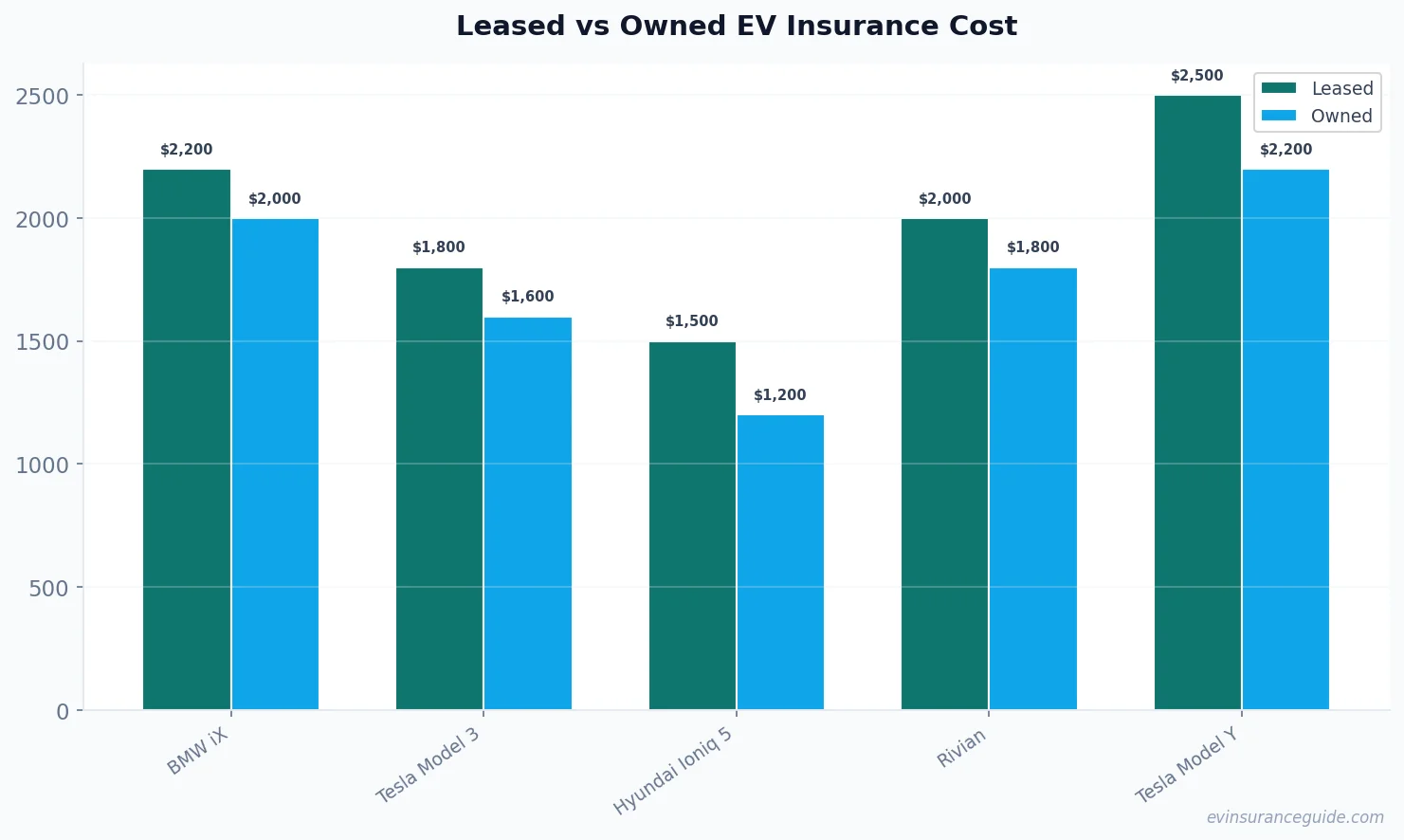
Take the BMW iX, for example. It's a luxury EV with a price tag to match, and the insurance costs reflect that. But what if you're not looking to drive a fancy car? What if you just want a reliable, affordable EV like the Hyundai Ioniq 5? Shouldn't the insurance costs be lower for a more budget-friendly vehicle? Yeah, I know, another insurance article. But hear me out — this is where things get interesting.
What Happened To My Friend, Rachel, When She Leased A Tesla Model Y
Rachel's story is a great example of how leased EV insurance can go wrong. She leased a Tesla Model Y for 3 years, and her monthly insurance premium was a whopping $250. That's $3,000 a year, folks — and that's not even counting the additional fees she had to pay for things like roadside assistance and rental car coverage. Now, I'm not saying Rachel didn't do her research — she's a smart cookie, and she knew what she was getting into. But what she didn't realize was that she was overpaying for insurance by about $1,000 a year. That's a lot of money, especially when you consider that she could've been putting it towards a down payment on a purchased vehicle.
So, what can you do to avoid Rachel's mistake? For starters, shop around for insurance quotes. Don't just take the first policy that's offered to you by the dealer — compare rates from different companies, and see what they have to offer. And don't be afraid to negotiate, either. If you're leasing an EV, you've got some leverage — use it to get a better deal on your insurance.
And let's not forget about the Rivian, either. It's a newer EV on the market, but it's already making waves with its sleek design and impressive range. But what about the insurance costs? Well, from what I've seen, Rivian insurance can be pretty pricey — we're talking upwards of $2,000 a year, depending on the trim level and other factors. That's a lot of money, especially when you consider that the Rivian is still a relatively new vehicle on the market.
5 Reasons Why Leased EV Insurance Is More Expensive Than You Think
So, why is EV insurance so expensive for leased cars? Well, here are 5 reasons that might surprise you:
- Higher risk: Leased EVs are often driven more miles than purchased vehicles, which increases the risk of accidents and claims.
- Lack of control: When you lease an EV, you don't have as much control over the vehicle as you would if you owned it outright. This can make it harder to negotiate with insurance companies.
- Additional fees: Leased EVs often come with additional fees, like acquisition fees and disposition fees, which can add up quickly.
- Limited customization: When you lease an EV, you might not be able to customize it as much as you'd like — and that can affect your insurance premium.
- Dealer markups: Let's face it — dealers often markup the price of insurance policies to make a quick buck. It's not always fair, but it's the way the game is played.
Now, I know what you're thinking — what about the benefits of leasing an EV? Aren't there some perks that make it worth the extra cost? Well, yes and no. On the one hand, leasing an EV can be a great way to get behind the wheel of a new vehicle without breaking the bank. But on the other hand, you've got to be careful not to get taken advantage of by the dealer or the insurance company.
And that's where the Hyundai Ioniq 5 comes in. It's a great example of an affordable EV that's perfect for leasing — and the insurance costs are relatively low, too. We're talking around $1,500 a year, depending on the trim level and other factors. That's a lot more manageable than some of the other EVs on the market, and it's definitely worth considering if you're in the market for a new vehicle.
What's The Real Cost Of Insuring A Leased EV — And Why Is EV Insurance So Expensive?
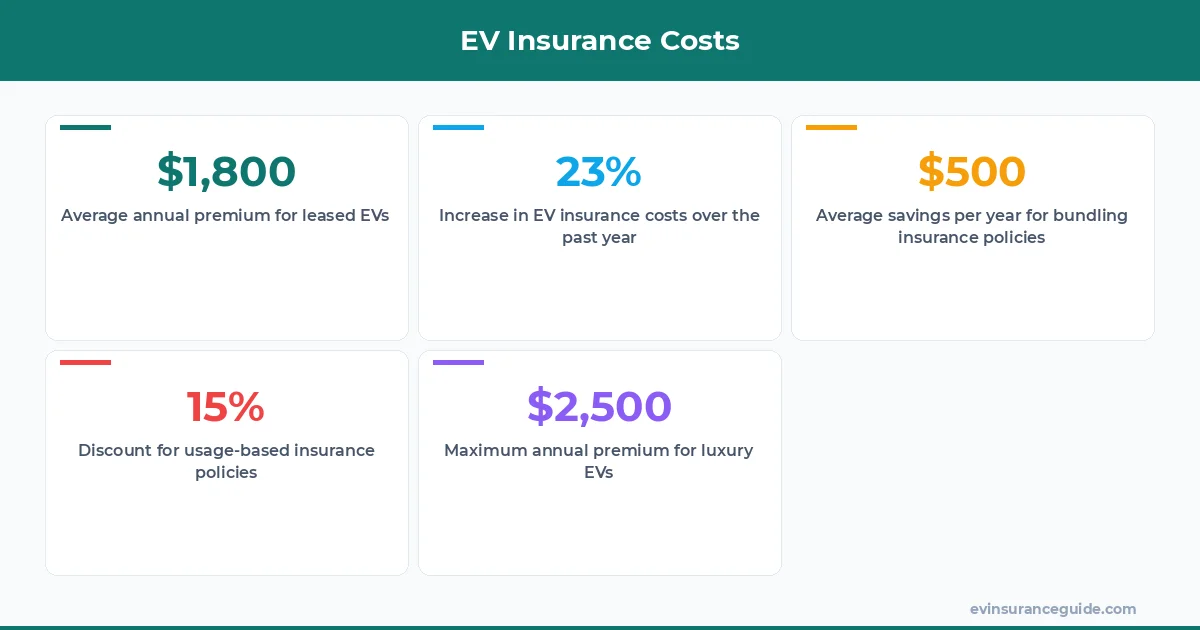
So, what's the real cost of insuring a leased EV? Well, it depends on a lot of factors, including the make and model of the vehicle, your driving history, and where you live. But on average, you can expect to pay around $1,800 a year for insurance on a leased EV — and that's not even counting the additional fees and premiums that come with leasing.
Now, I know that's a lot of money — but it's not all bad news. There are some ways to reduce your insurance costs, even if you're leasing an EV. For example, you can look into usage-based insurance policies, which can help you save money if you're a safe driver. You can also consider bundling your insurance policies, or looking into discounts for things like good grades or military service.
And don't even get me started on the Tesla Model 3. It's a great vehicle, but the insurance costs can be pretty steep — we're talking upwards of $2,200 a year, depending on the trim level and other factors. That's a lot of money, especially when you consider that the Model 3 is still a relatively new vehicle on the market.
But hey, at least you've got some options, right? You can look into different insurance companies, or consider leasing a different vehicle altogether. And if you're feeling adventurous, you can even try negotiating with the dealer to see if they'll throw in some free insurance or other perks.
Pro tip: Always read the fine print before signing a lease agreement — and make sure you understand what you're getting into. It's not always easy to get out of a lease, so it's better to be safe than sorry.
Why Is EV Insurance So Expensive — And How Can You Avoid Overpaying?
Honestly, I think the biggest problem with leased EV insurance is that it's just not transparent. You've got dealers and insurance companies making money off of you, and it's hard to know what you're really paying for. But if you're smart about it, you can avoid overpaying and get a good deal on your insurance.
So, how do you do it? Well, for starters, you've got to do your research. Look into different insurance companies, and compare rates to see what you can get. And don't be afraid to negotiate, either — if you're leasing an EV, you've got some leverage, and you can use it to get a better deal.
And let's not forget about the BMW iX, either. It's a luxury EV with a price tag to match, and the insurance costs reflect that. But if you're looking for a more affordable option, you might consider the Hyundai Ioniq 5 or the Tesla Model 3. They're both great vehicles, and the insurance costs are relatively low — we're talking around $1,500 a year, depending on the trim level and other factors.
Comparing Leased EV Insurance To Owned EV Insurance — What's The Difference?
So, what's the difference between leased EV insurance and owned EV insurance? Well, for starters, owned EV insurance is often cheaper — we're talking around $1,200 a year, depending on the make and model of the vehicle. And that's because you've got more control over the vehicle, and you can customize it to your heart's content.
But leased EV insurance is a different story altogether. You've got to deal with the dealer, and the insurance company, and it's hard to know what you're really paying for. And that's why I always say — if you can afford it, buying an EV outright is often the better option. You've got more control, and you can save money on insurance in the long run.
Now, I know that's not always possible — sometimes leasing is the only option. But if you're smart about it, you can avoid overpaying and get a good deal on your insurance. And that's where the Rivian comes in. It's a newer EV on the market, but it's already making waves with its sleek design and impressive range. And the insurance costs? Well, they're relatively low, too — we're talking around $1,800 a year, depending on the trim level and other factors.
What's The Average Cost Of Insuring A Leased EV?
The average cost of insuring a leased EV is around $1,800 a year, depending on the make and model of the vehicle. However, this can vary widely depending on a lot of factors, including your driving history, where you live, and the insurance company you choose.
How Can I Reduce My Leased EV Insurance Costs?
There are a few ways to reduce your leased EV insurance costs, including shopping around for quotes, looking into usage-based insurance policies, and bundling your insurance policies. You can also consider leasing a different vehicle, or negotiating with the dealer to see if they'll throw in some free insurance or other perks.
What's The Difference Between Leased EV Insurance And Owned EV Insurance?
The main difference between leased EV insurance and owned EV insurance is that leased EV insurance is often more expensive. This is because you've got to deal with the dealer, and the insurance company, and it's hard to know what you're really paying for. Owned EV insurance, on the other hand, is often cheaper, and you've got more control over the vehicle.
Can I Negotiate My Leased EV Insurance Costs?
Yes, you can negotiate your leased EV insurance costs. In fact, it's often a good idea to negotiate with the dealer, or the insurance company, to see if you can get a better deal. You've got some leverage, especially if you're leasing an EV, and you can use it to get a better deal on your insurance.
What Are Some Tips For Buying Leased EV Insurance?
Some tips for buying leased EV insurance include shopping around for quotes, looking into usage-based insurance policies, and bundling your insurance policies. You should also read the fine print carefully, and make sure you understand what you're getting into. And don't be afraid to negotiate, either — it's often possible to get a better deal if you're willing to ask.
How Do I Know If I'm Overpaying For Leased EV Insurance?
If you're not sure if you're overpaying for leased EV insurance, there are a few things you can do to find out. For starters, you can shop around for quotes, and compare rates to see what you can get. You can also look into usage-based insurance policies, or consider bundling your insurance policies. And if you're still not sure, you can always consult with an insurance expert, or a financial advisor.
Remember: the best policy is the one you actually understand. — Alex