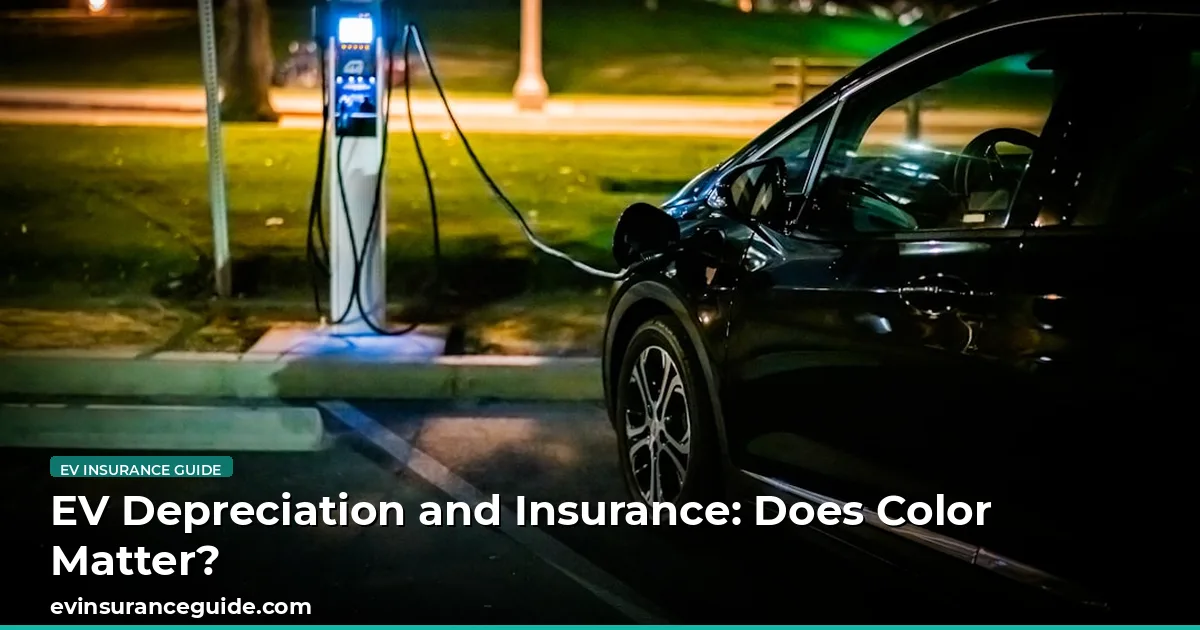
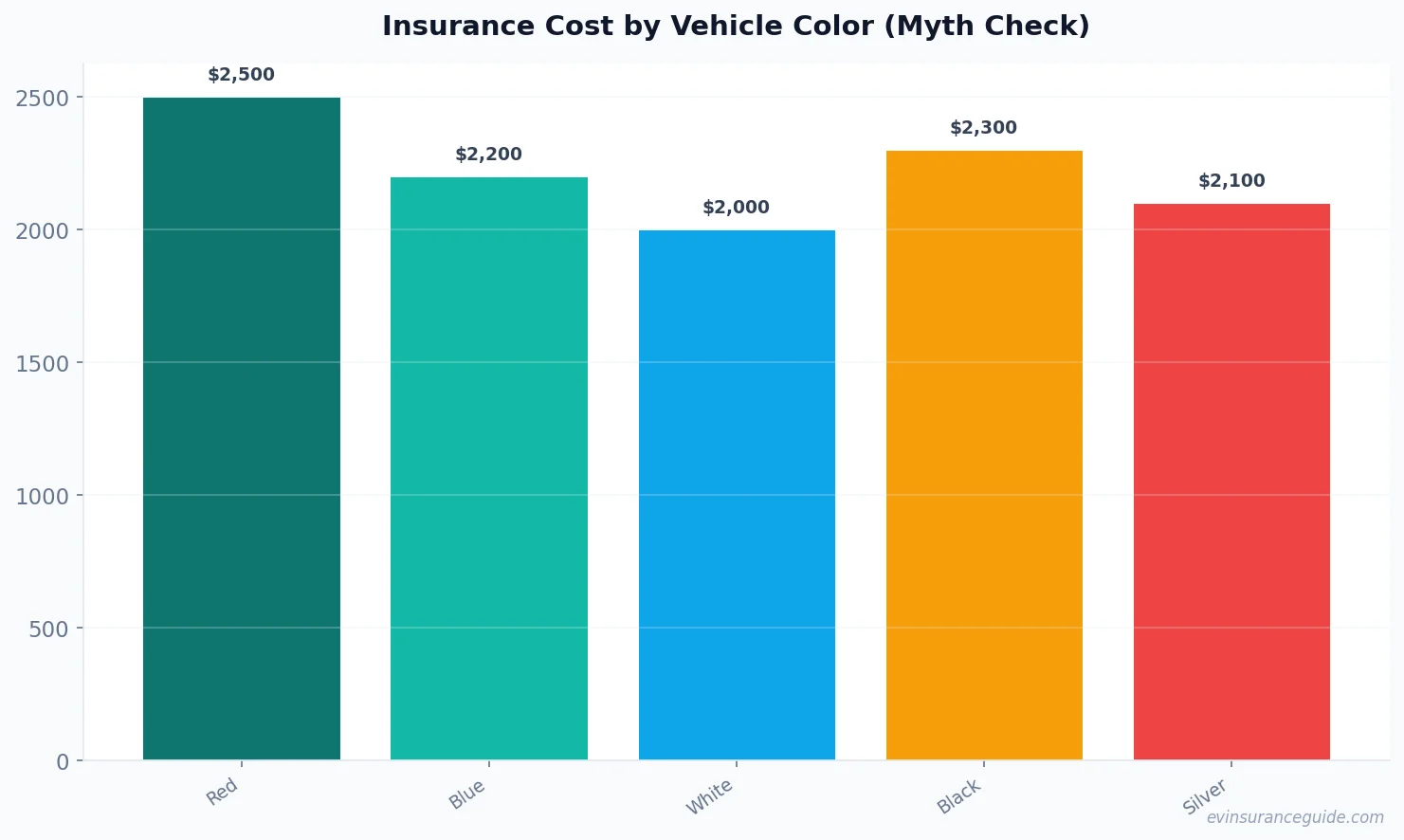
Does your EV's color really affect insurance costs? Sound familiar? You've probably heard the myth that red cars are more expensive to insure. But let's get real — is that actually true? I've spent years in the insurance game, and I'm here to tell you that it's not that simple. In fact, the relationship between EV depreciation and insurance is way more complex than just the color of your ride.
MYTH_BUST — The Red Car Myth
The idea that red cars are more expensive to insure is a myth that's been debunked by numerous studies. According to data from the National Association of Insurance Commissioners, the color of your vehicle doesn't have a significant impact on insurance costs. So, what does matter? Well, it turns out that factors like the make and model of your EV, its safety features, and even your driving history play a much bigger role in determining your insurance premiums. For example, a Tesla Model 3 with advanced safety features like Autopilot and a clean driving record can qualify for lower insurance rates, regardless of its color. Know what the kicker is? Insurance companies like Geico and Progressive are now offering discounts for EV owners who opt for eco-friendly vehicles, which can help offset the higher upfront costs of these cars.
But here's the thing: while the color of your EV might not directly affect insurance costs, it can impact its resale value. A study by Kelley Blue Book found that certain colors, like white and black, tend to hold their value better than others, like red and yellow. And that's where EV depreciation and insurance come in — if your vehicle depreciates faster, you may end up paying more for insurance in the long run. Wild, right? For instance, a Hyundai Ioniq 5 with a unique color scheme might be more prone to depreciation, which could lead to higher insurance costs down the line.
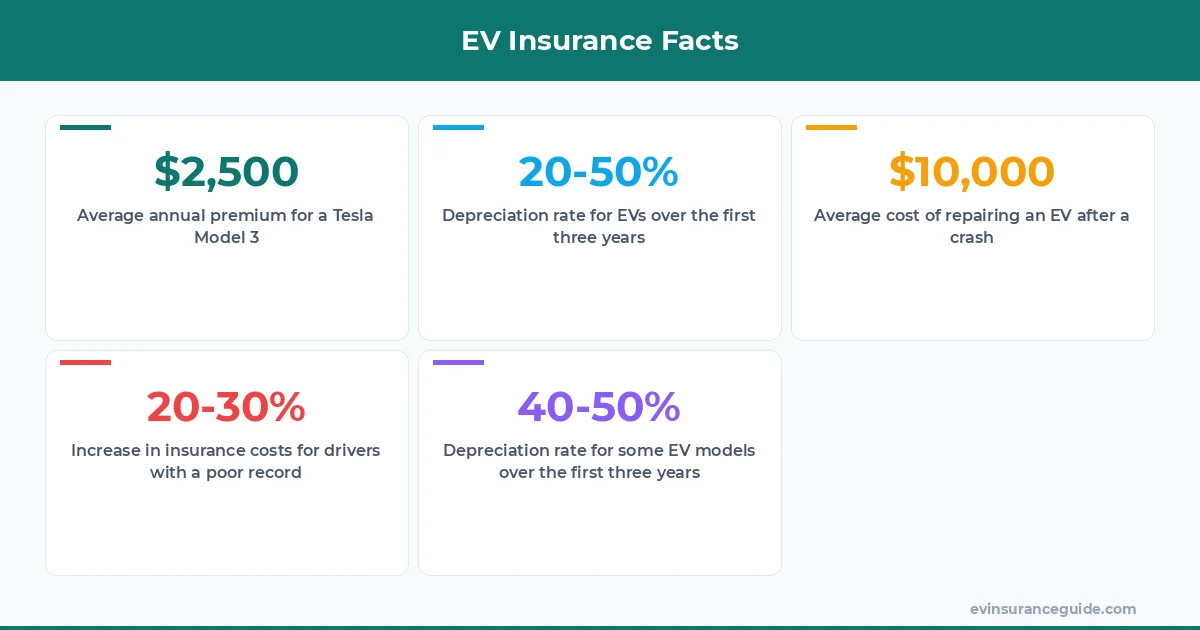
And let's not forget about the cost of repairs. If your EV is involved in an accident, the cost of repairs can be steep, especially if it's a high-end model like the BMW iX. According to data from the National Highway Traffic Safety Administration, the average cost of repairing an EV after a crash is around $10,000. That's a significant expense, and it's something that insurance companies will definitely take into account when determining your premiums. So, while the color of your EV might not be a direct factor in insurance costs, it's still an important consideration when it comes to the overall cost of ownership.
WARNING — The Hidden Cost of Custom Colors
But what about custom colors? If you're thinking of getting a unique paint job for your EV, think again. Custom colors can actually increase the cost of your insurance premiums, since they can be more expensive to repair or replace. For example, a custom red paint job on a Rivian can cost upwards of $5,000, which is a significant added expense. And if you're planning to sell your vehicle in the future, a custom color might actually decrease its resale value. So, unless you're dead serious about having a one-of-a-kind ride, it's probably not worth the extra cost. Hmm, let me rethink that — if you're planning to keep your EV for the long haul, a custom color might be a worthwhile investment.
And don't even get me started on the cost of insurance for high-performance EVs. If you're driving a Tesla Model S Plaid, for instance, you can expect to pay a pretty penny for insurance. According to data from Insure.com, the average annual premium for a Tesla Model S is around $2,500, which is significantly higher than the average cost of insurance for a standard EV. But hey, if you're willing to pay for the privilege of driving a high-performance vehicle, that's your call. Just don't say I didn't warn you.
But what about the environmental impact of EVs? That's a whole different story. According to the EPA, EVs produce zero tailpipe emissions, which makes them a much more eco-friendly option than traditional gas-guzzlers. And with the rise of renewable energy sources, the overall carbon footprint of EVs is decreasing all the time. So, if you're looking for a way to reduce your carbon footprint, an EV is definitely the way to go.
COMPARISON — EV Depreciation and Insurance: A Comparison of Popular Models
So, how do different EV models stack up when it comes to depreciation and insurance costs? Well, it turns out that some models are better than others. For example, the Tesla Model 3 and Model Y tend to hold their value relatively well, with depreciation rates of around 20-30% over the first three years of ownership. On the other hand, models like the Hyundai Kona Electric and Nissan Leaf tend to depreciate faster, with rates of around 40-50% over the same period. Know what that means? If you're planning to sell your EV in the future, you might want to opt for a model with a slower depreciation rate. That one stung.
But what about insurance costs? According to data from Bankrate, the average annual premium for a Tesla Model 3 is around $1,800, while the average premium for a Hyundai Ioniq 5 is around $2,200. So, while the Tesla might be more expensive to purchase upfront, it could end up being cheaper to insure in the long run. And let's not forget about the cost of repairs — if your EV is involved in an accident, the cost of repairs can be steep, especially if it's a high-end model. For instance, a BMW iX with advanced safety features might be more expensive to repair than a standard EV.
And then there's the issue of EV battery degradation. According to a study by the National Renewable Energy Laboratory, EV batteries can lose up to 20% of their capacity over the first 100,000 miles of driving. That's a significant decrease in range, and it's something that insurance companies will definitely take into account when determining your premiums. So, while the color of your EV might not be a direct factor in insurance costs, the overall condition and maintenance of your vehicle definitely are.
QUESTION — Can You Negotiate a Better Insurance Rate for Your EV?
So, can you negotiate a better insurance rate for your EV? Well, it turns out that the answer is yes. If you're willing to shop around and compare rates from different insurance companies, you might be able to find a better deal. For example, according to data from NerdWallet, the average annual premium for a Tesla Model 3 can range from around $1,500 to over $3,000, depending on the insurance company and your location. That's a significant difference, and it's definitely worth exploring if you're looking to save some cash on your insurance premiums.
But how do you negotiate a better rate? Well, it's all about doing your research and being willing to walk away if the deal isn't right. According to a pro tip from insurance expert, John Lee, "it's all about being informed and being willing to negotiate. Don't be afraid to ask questions and push for a better rate."
If you're looking to negotiate a better insurance rate for your EV, be sure to do your research and be willing to walk away if the deal isn't right. It's also a good idea to work with an insurance broker who has experience with EVs, as they can help you navigate the process and find the best rates.
And let's not forget about the cost of insurance for EV owners who have a poor driving record. According to data from the Insurance Information Institute, drivers with a poor record can expect to pay upwards of 20-30% more for insurance than drivers with a clean record. That's a significant increase, and it's something that EV owners should definitely be aware of.
STORY_TEASE — My Experience with EV Insurance
I'll never forget the time I got into an accident with my EV. It was a real wake-up call, and it made me realize just how important it is to have the right insurance coverage. But what really surprised me was the cost of repairs — it ended up being over $15,000, which was a significant expense. Luckily, my insurance company covered most of the cost, but it was still a sobering experience. And it's one that I'll never forget.
But what about the environmental benefits of EVs? That's a whole different story. According to the EPA, EVs produce zero tailpipe emissions, which makes them a much more eco-friendly option than traditional gas-guzzlers. And with the rise of renewable energy sources, the overall carbon footprint of EVs is decreasing all the time. So, if you're looking for a way to reduce your carbon footprint, an EV is definitely the way to go.
And don't even get me started on the cost of charging your EV. According to data from the Department of Energy, the average cost of charging an EV is around $3 to $5 per 100 miles, which is significantly cheaper than the cost of gas for a traditional vehicle. But what about the cost of installing a home charging station? That can range from around $500 to over $2,000, depending on the type of station and the installation costs. So, while the cost of charging your EV might be lower, the upfront costs of purchasing and installing a home charging station can be significant.
FAQs
#### What is the average cost of insurance for an EV?
The average cost of insurance for an EV can range from around $1,500 to over $3,000 per year, depending on the make and model of the vehicle, as well as the driver's location and driving history.
#### How does the color of my EV affect insurance costs?
The color of your EV does not have a significant impact on insurance costs. However, certain colors may be more prone to depreciation, which can affect the overall cost of ownership.
#### Can I negotiate a better insurance rate for my EV?
Yes, you can negotiate a better insurance rate for your EV by shopping around and comparing rates from different insurance companies. It's also a good idea to work with an insurance broker who has experience with EVs.
#### What is the cost of repairing an EV after an accident?
The cost of repairing an EV after an accident can be steep, especially if it's a high-end model. According to data from the National Highway Traffic Safety Administration, the average cost of repairing an EV after a crash is around $10,000.
#### How does EV depreciation affect insurance costs?
EV depreciation can affect insurance costs by increasing the cost of repairs and replacement parts. If your EV depreciates faster, you may end up paying more for insurance in the long run.
#### What is the average depreciation rate for an EV?
The average depreciation rate for an EV can range from around 20-50% over the first three years of ownership, depending on the make and model of the vehicle.
#### What are some ways to reduce the cost of EV insurance?
Some ways to reduce the cost of EV insurance include shopping around and comparing rates, working with an insurance broker who has experience with EVs, and maintaining a clean driving record.
So, there you have it — the lowdown on EV depreciation and insurance. It's not always easy to navigate, but with the right information and a little bit of know-how, you can make informed decisions about your EV and save some cash in the process. That's my two cents. Take it or leave it — but I hope it helps. — Alex