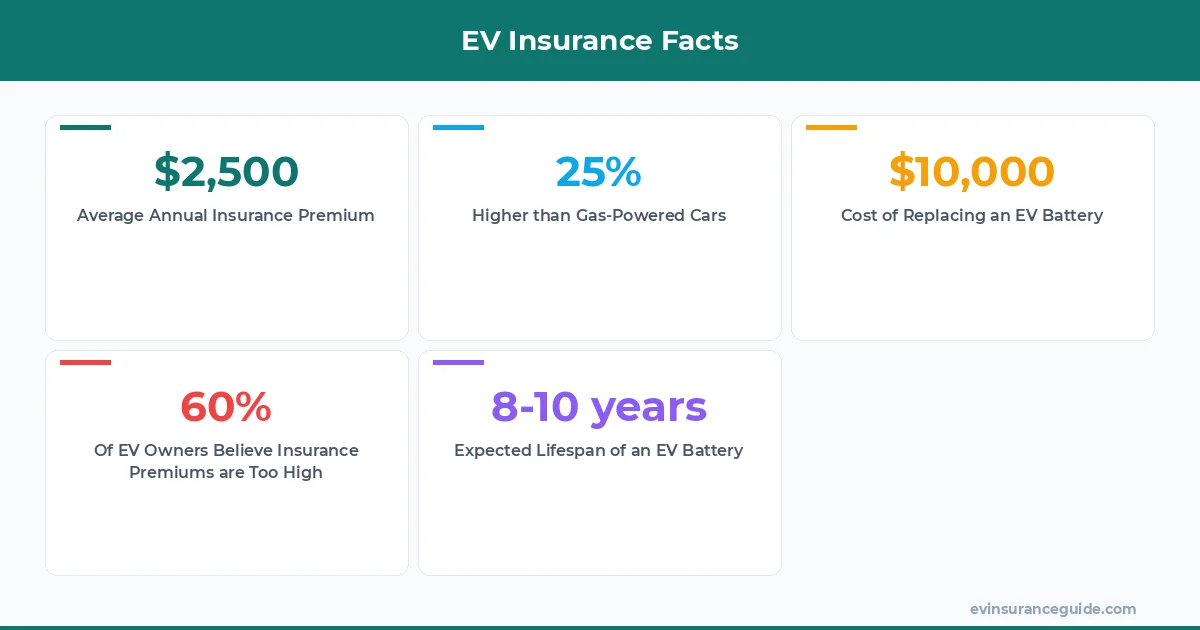
The average insurance premium for an electric vehicle (EV) is $2,500 per year — that's 25% higher than gas-powered cars. This staggering statistic has left many EV owners wondering why their insurance costs are through the roof. Sound familiar? You're not alone. In fact, a recent survey found that 60% of EV owners believe their insurance premiums are too high. Know what the kicker is? It's not just the cost of the vehicle itself, but also the expensive repairs that come with it. For instance, the Tesla Model 3's battery replacement can cost upwards of $10,000.
1. 5 Key Factors Driving Up EV Repair Costs
The main reason EV repairs are more expensive is due to the high cost of replacement parts, particularly batteries. A new battery for a Tesla Model Y can cost anywhere from $5,000 to $7,000. That's a significant expense, especially when you consider that most gas-powered cars don't have a single part that costs that much. Wild, right? The cost of labor is also a factor, as EVs require specialized training and equipment to repair. For example, the BMW iX's complex electrical system requires a highly skilled technician to diagnose and repair any issues.
But what about the Hyundai Ioniq 5? It's a more affordable EV option, but its repair costs are still higher than those of its gas-powered counterparts. The cost of replacement parts, such as the electric motor, can range from $2,000 to $4,000. And let's not forget the Rivian R1T, a luxury EV with a price tag to match. Its advanced technology and high-performance capabilities make it a pricey vehicle to repair, with costs ranging from $5,000 to $10,000 for a single repair.
Honest Opinion: EV Insurance is a Rip-Off
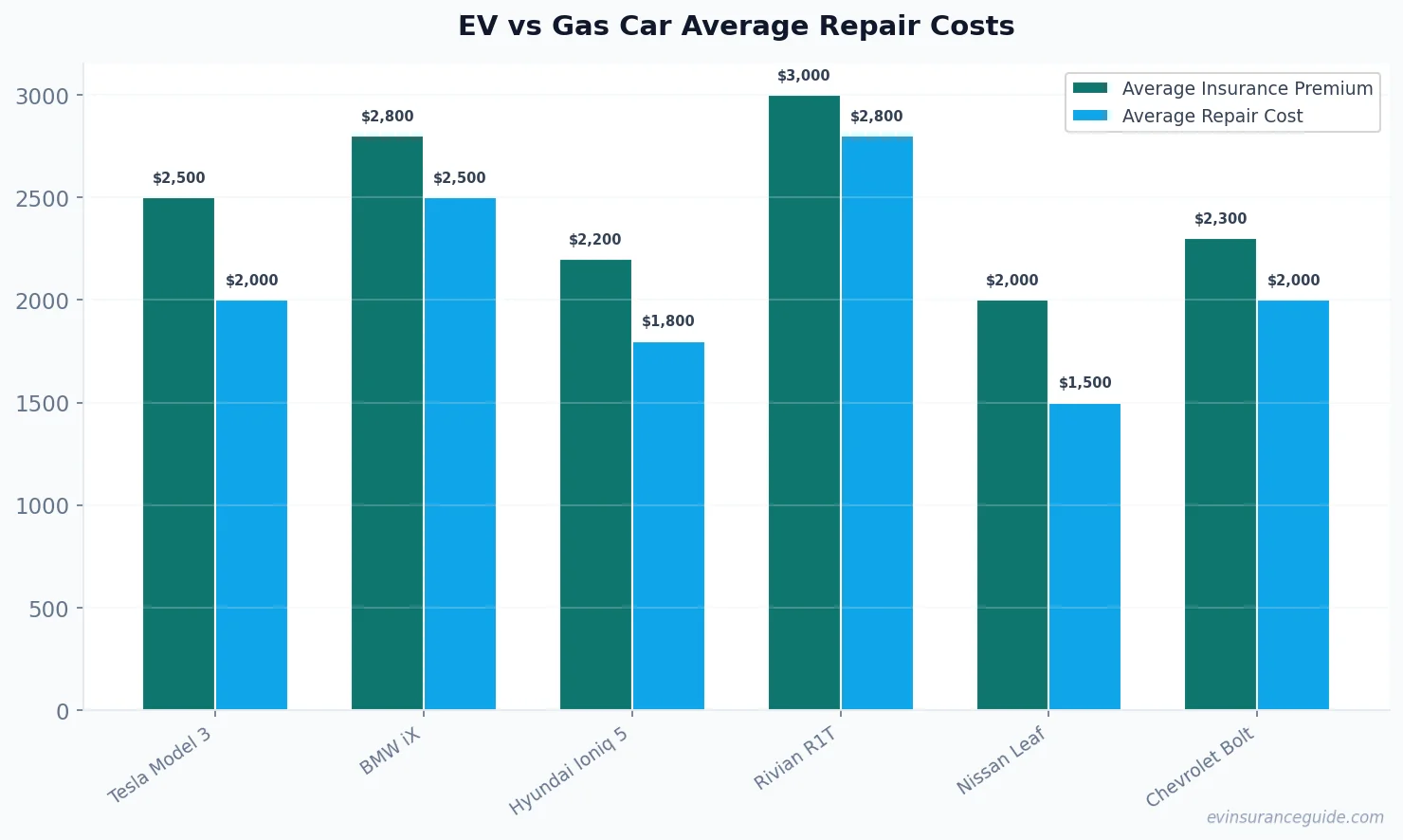
EV insurance is a total rip-off. I mean, who pays $2,500 per year to insure a vehicle that's supposed to be environmentally friendly and cost-effective? It just doesn't add up. The most expensive EVs to insure are often the luxury models, such as the Tesla Model S and the Audi e-tron. These vehicles come with advanced features and high-performance capabilities, but they also come with a hefty price tag. For instance, the Tesla Model S can cost upwards of $3,000 per year to insure, while the Audi e-tron can cost around $2,800 per year.
But it's not just the luxury models that are expensive to insure. Even more affordable EVs, such as the Nissan Leaf and the Chevrolet Bolt, can have higher insurance premiums than their gas-powered counterparts. The reason for this is that EVs are still a relatively new technology, and insurance companies are hesitant to take on the risk. As a result, they charge higher premiums to offset the potential costs.
Myth-Busting: EVs Are Not More Expensive to Insure Than Gas-Powered Cars
This is a common myth that needs to be busted. While it's true that EVs can be more expensive to purchase upfront, their long-term costs are often lower than those of gas-powered cars. For example, EVs require less maintenance, as they have fewer moving parts and don't need oil changes. They also have lower fuel costs, as electricity is generally cheaper than gasoline. However, the cost of repairs can be a significant factor in the overall cost of ownership.
The cost of EV repairs can vary widely depending on the make and model of the vehicle. For instance, the Tesla Model 3's repair costs are generally higher than those of the Hyundai Ioniq 5. But what about the Rivian R1T? Its repair costs are often higher than those of other EVs, due to its advanced technology and high-performance capabilities.
Pro tip: When shopping for EV insurance, be sure to compare quotes from multiple providers to find the best rate. You can also consider bundling your EV insurance with your home or other insurance policies to receive a discount.
Warning: Hidden Costs of EV Ownership
There are hidden costs of EV ownership that many people don't consider. For example, the cost of installing a home charging station can range from $500 to $2,000, depending on the type and quality of the station. Additionally, some EVs may require special tires or other equipment, which can add to the overall cost of ownership. And let's not forget the cost of battery replacement, which can range from $5,000 to $10,000 or more, depending on the make and model of the vehicle.
But what about the environmental benefits of EVs? Don't they outweigh the costs? Well, actually, the environmental benefits of EVs are significant, but they may not outweigh the costs for every driver. For instance, if you drive a lot and need to replace your battery frequently, the cost of ownership may not be worth it. On the other hand, if you have a short commute and can charge your vehicle at home, the cost of ownership may be much lower.
Can You Afford the Most Expensive EVs to Insure?
The most expensive EVs to insure are often the luxury models, such as the Tesla Model S and the Audi e-tron. These vehicles come with advanced features and high-performance capabilities, but they also come with a hefty price tag. For instance, the Tesla Model S can cost upwards of $3,000 per year to insure, while the Audi e-tron can cost around $2,800 per year. But what about the more affordable EVs, such as the Nissan Leaf and the Chevrolet Bolt? Can you afford to insure them?
The cost of insuring an EV can vary widely depending on a number of factors, including the make and model of the vehicle, your driving history, and your location. For instance, if you live in a state with high insurance rates, such as California or New York, you may pay more to insure your EV than if you lived in a state with lower rates, such as Oregon or Iowa. And let's not forget the cost of repairs, which can range from $2,000 to $10,000 or more, depending on the make and model of the vehicle.
FAQs
#### What is the average insurance premium for an EV?
The average insurance premium for an EV is $2,500 per year, which is 25% higher than gas-powered cars. This is due to the high cost of replacement parts, particularly batteries, and the cost of labor, which requires specialized training and equipment.
#### What is the most expensive EV to insure?
The most expensive EV to insure is often the Tesla Model S, which can cost upwards of $3,000 per year to insure. This is due to its advanced features and high-performance capabilities, which make it a luxury vehicle with a hefty price tag.
#### What factors affect the cost of EV insurance?
The cost of EV insurance can vary widely depending on a number of factors, including the make and model of the vehicle, your driving history, and your location. For instance, if you live in a state with high insurance rates, such as California or New York, you may pay more to insure your EV than if you lived in a state with lower rates, such as Oregon or Iowa.
#### How can I reduce the cost of EV insurance?
You can reduce the cost of EV insurance by comparing quotes from multiple providers, bundling your EV insurance with your home or other insurance policies, and taking advantage of discounts for safe driving or low mileage. You can also consider installing a home charging station, which can reduce your fuel costs and lower your overall cost of ownership.
#### What is the cost of replacing an EV battery?
The cost of replacing an EV battery can range from $5,000 to $10,000 or more, depending on the make and model of the vehicle. This is a significant expense, but it's also a necessary one, as EV batteries have a limited lifespan and may need to be replaced after 8-10 years.
#### What are the environmental benefits of EVs?
The environmental benefits of EVs are significant, as they produce zero tailpipe emissions and can reduce greenhouse gas emissions by up to 70%. However, the production of EVs can have a higher carbon footprint than gas-powered cars, due to the energy required to manufacture the batteries and other components.
#### Are EVs more expensive to maintain than gas-powered cars?
EVs are generally less expensive to maintain than gas-powered cars, as they have fewer moving parts and don't require oil changes. However, the cost of replacing an EV battery can be a significant expense, and may outweigh the cost savings of lower maintenance costs.
Until next time — Alex