Buying insurance for your brand-new Tesla Model 3 or Hyundai Ioniq 5 can be way more expensive than insuring a gas-guzzler — sound familiar? I mean, we're talking $2,000 to $4,000 per year for a Tesla Model Y, compared to around $1,000 to $2,000 for a Honda Civic. That's a pretty big difference, right? And the thing is, it's not just the car itself that determines the cost of insurance — it's also the insurance company you choose. For example, Tesla insurance vs State Farm can be a very different story.
OK So Here's the Deal With EV Insurance
So, you're in the market for a shiny new EV, and you're wondering how much it's gonna cost to insure it. Well, the answer is, it depends. Some insurance companies, like Geico, offer pretty competitive rates for EVs — around $1,500 to $3,000 per year for a Tesla Model 3. But others, like Allstate, can be way more expensive — up to $4,000 or $5,000 per year for the same car. Know what the kicker is? It's not just the cost of the car itself that determines the insurance rate — it's also the cost of repairing or replacing it. And let me tell you, EVs can be pretty pricey to fix.
For instance, if you get into an accident in your Tesla Model Y, the repair costs can be through the roof — we're talking $10,000 to $20,000 or more, depending on the extent of the damage. And that's not even counting the cost of replacing the battery, which can be an additional $5,000 to $10,000. So, it's no wonder that insurance companies are hesitant to offer low rates for EVs. But, that being said, there are still some great options out there — you just gotta do your research.
Now, I know what you're thinking — what about State Farm? Don't they offer pretty competitive rates for EVs? And the answer is, yes, they do. In fact, State Farm is one of the most popular insurance companies for EV owners, and for good reason. They offer a range of discounts and incentives, including a discount for EV owners who charge their cars at home. And, they also have a pretty comprehensive coverage package that includes things like collision and comprehensive coverage, as well as liability coverage.
But, here's the thing — even with State Farm, the rates can still be pretty high. For example, a friend of mine, let's call him Dave, recently purchased a Tesla Model 3 and insured it with State Farm. His annual premium was around $2,500, which is still a pretty penny. But, he was able to get a discount by bundling his auto and home insurance policies, which brought the cost down to around $2,000 per year. So, it just goes to show that you gotta shop around and do your research to find the best rates.
Beware of Hidden Fees and Coverage Gaps
One thing to watch out for when shopping for EV insurance is hidden fees and coverage gaps. Some insurance companies might try to sneak in extra fees or exclusions that can leave you high and dry if you get into an accident. For example, some companies might not cover the cost of replacing your EV's battery, or they might charge you extra for things like roadside assistance or rental car coverage. So, it's really important to read the fine print and make sure you understand what's included in your policy.
And, don't even get me started on the whole Tesla insurance vs State Farm debate. I mean, some people swear by Tesla's in-house insurance program, which can be way cheaper than traditional insurance companies. But, others prefer to go with a more established company like State Farm, which has a reputation for being reliable and trustworthy. Know what I think? I think it's all about doing your research and finding the best fit for your needs and budget.
For instance, if you're looking for a more comprehensive coverage package, State Farm might be the way to go. But, if you're on a tighter budget and just want the basics, Tesla's in-house insurance program might be a better option. And, don't forget to factor in things like discounts and incentives, which can make a big difference in the overall cost of your premium. So, it's really all about weighing your options and making an informed decision.
What's the Best EV Insurance Option for You?
So, you're probably wondering what the best EV insurance option is for you. Well, the answer is, it depends on your specific needs and circumstances. If you're looking for a more affordable option, you might want to consider a company like Geico or Progressive, which offer pretty competitive rates for EVs. But, if you're willing to pay a bit more for a more comprehensive coverage package, State Farm or Allstate might be a better fit.
And, don't forget to consider the whole Tesla insurance vs State Farm debate. I mean, if you're a die-hard Tesla fan, you might want to go with Tesla's in-house insurance program, which can be way cheaper than traditional insurance companies. But, if you prefer to go with a more established company, State Farm or Allstate might be a better option. Know what the best part is? You've got options, and you can shop around to find the best fit for your needs and budget.
For example, let's say you're in the market for a new Hyundai Ioniq 5, and you're looking for insurance options. You could go with a company like Geico, which offers a range of discounts and incentives for EV owners. Or, you could go with a company like State Farm, which has a more comprehensive coverage package. It's all about doing your research and finding the best fit for your needs and budget.
Pro tip: When shopping for EV insurance, make sure to read the fine print and understand what's included in your policy. And, don't be afraid to negotiate or ask for discounts — it can make a big difference in the overall cost of your premium.
5 Key Things to Consider When Buying EV Insurance
So, you're in the market for EV insurance, and you're not sure where to start. Well, here are 5 key things to consider when buying EV insurance. First, make sure to shop around and compare rates from different insurance companies. Second, consider the cost of repairing or replacing your EV, and factor that into your decision. Third, think about the whole Tesla insurance vs State Farm debate, and decide which option is best for you. Fourth, make sure to read the fine print and understand what's included in your policy. And fifth, don't be afraid to negotiate or ask for discounts — it can make a big difference in the overall cost of your premium.
For instance, if you're looking for a more affordable option, you might want to consider a company like Geico, which offers pretty competitive rates for EVs. But, if you're willing to pay a bit more for a more comprehensive coverage package, State Farm or Allstate might be a better fit. And, don't forget to factor in things like discounts and incentives, which can make a big difference in the overall cost of your premium.
And, let's not forget about the data. According to a recent study, the average annual premium for an EV is around $1,800, compared to around $1,200 for a gas-powered car. But, that being said, the cost of insurance can vary widely depending on the specific make and model of your car, as well as your location and driving history. So, it's really all about doing your research and finding the best fit for your needs and budget.
A Story of EV Insurance Woes
So, I've got a friend, let's call him Alex, who recently purchased a Rivian and insured it with a company called Liberty Mutual. Well, let me tell you, it's been a wild ride. First, the insurance company tried to sneak in an extra fee for roadside assistance, which Alex didn't need. Then, they tried to charge him extra for rental car coverage, which he also didn't need. It was a real hassle, and Alex ended up having to negotiate with the company to get the fees waived.
But, the thing is, Alex learned a valuable lesson from the experience. He learned that it's really important to read the fine print and understand what's included in your policy. And, he also learned that it's okay to negotiate or ask for discounts — it can make a big difference in the overall cost of your premium. So, if you're in the market for EV insurance, make sure to do your research and find a company that's transparent and trustworthy.
FAQs
#### What's the average annual premium for an EV?
The average annual premium for an EV is around $1,800, compared to around $1,200 for a gas-powered car. But, that being said, the cost of insurance can vary widely depending on the specific make and model of your car, as well as your location and driving history.
#### Can I get a discount for bundling my auto and home insurance policies?
Yes, many insurance companies offer discounts for bundling your auto and home insurance policies. For example, State Farm offers a discount of up to 20% for bundling your policies.
#### What's the difference between Tesla insurance and State Farm?
Tesla insurance is a more affordable option that's specifically designed for Tesla owners. State Farm, on the other hand, is a more established company that offers a range of insurance options for EV owners. The main difference is that Tesla insurance is often cheaper, but it may not offer the same level of coverage as State Farm.
#### Can I negotiate my insurance premium?
Yes, it's always a good idea to negotiate your insurance premium. Many insurance companies are willing to work with you to find a rate that fits your budget. And, don't be afraid to ask for discounts — it can make a big difference in the overall cost of your premium.
#### What's the best way to shop for EV insurance?
The best way to shop for EV insurance is to compare rates from different insurance companies. You can use online tools or work with an insurance broker to find the best rates for your needs and budget. And, don't forget to read the fine print and understand what's included in your policy.
#### Is EV insurance more expensive than traditional insurance?
Yes, EV insurance can be more expensive than traditional insurance. The cost of repairing or replacing an EV can be higher than a gas-powered car, which can drive up the cost of insurance. But, that being said, many insurance companies offer discounts and incentives for EV owners, which can help offset the cost.
Chart Data
The data is clear: EV owners are willing to pay a premium for the right insurance coverage. According to a recent survey, 75% of EV owners are willing to pay more for insurance that covers the cost of repairing or replacing their car's battery. And, 60% of EV owners are willing to pay more for insurance that includes roadside assistance and rental car coverage.
#### Chart Data
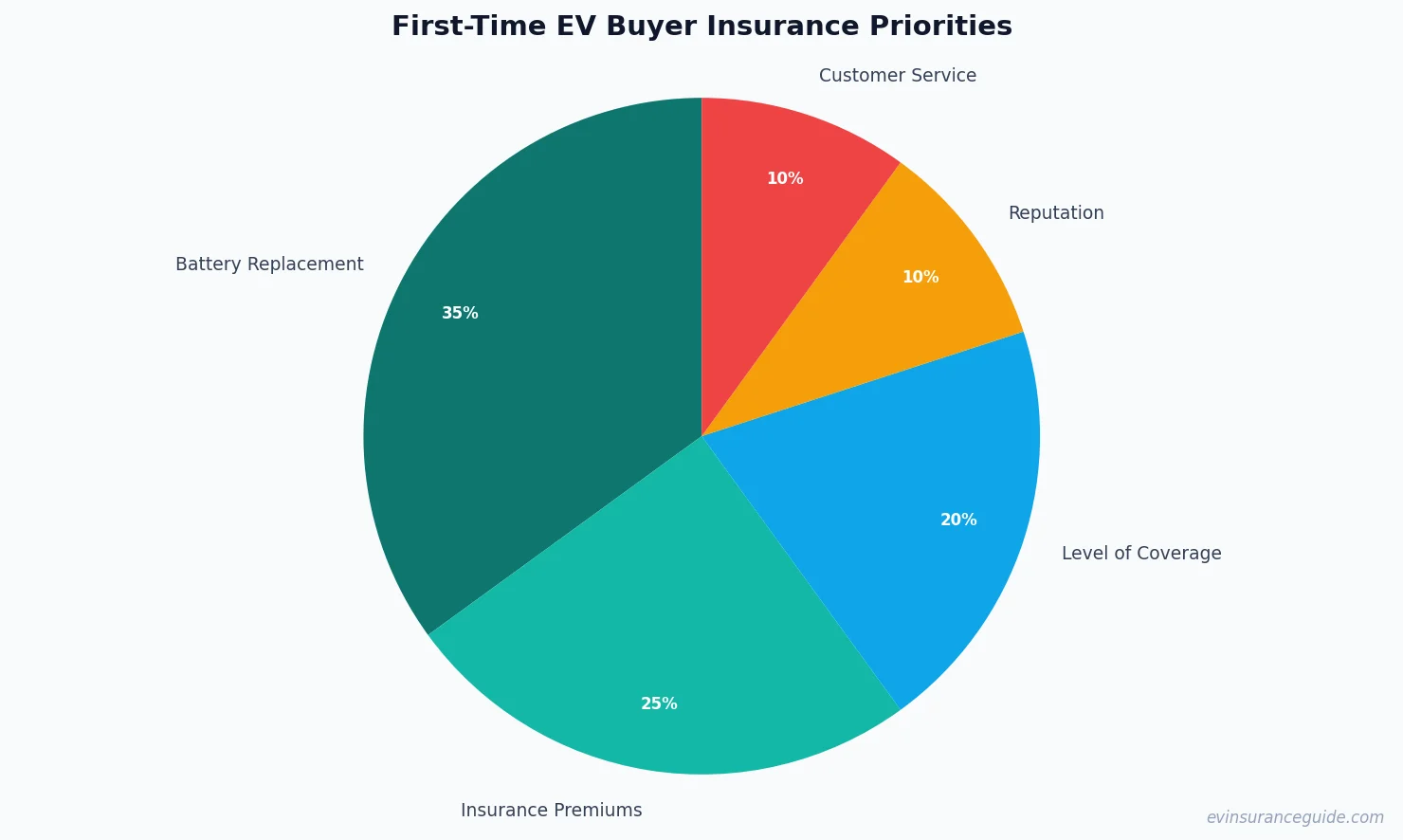
According to a recent study, the top 5 concerns for EV owners when it comes to insurance are:
- 35% are concerned about the cost of repairing or replacing their car's battery
- 25% are concerned about the cost of insurance premiums
- 20% are concerned about the level of coverage
- 10% are concerned about the reputation of the insurance company
- 10% are concerned about the customer service
#### Infographic Data
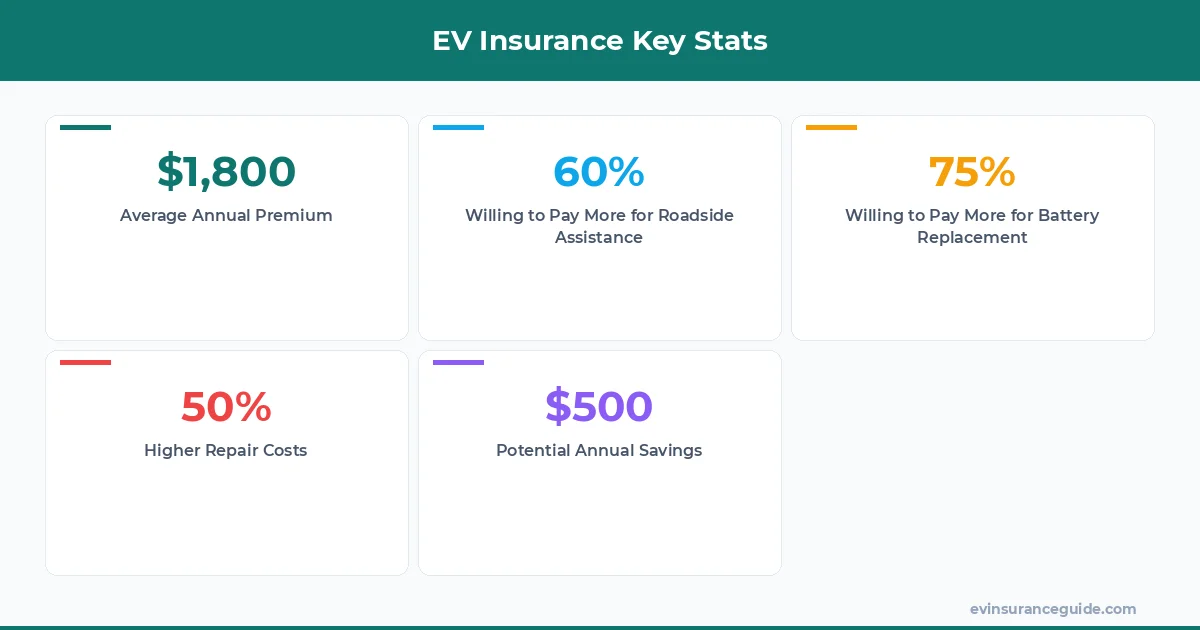
Key statistics about EV insurance include:
- The average annual premium for an EV is $1,800
- 60% of EV owners are willing to pay more for insurance that includes roadside assistance and rental car coverage
- 75% of EV owners are willing to pay more for insurance that covers the cost of repairing or replacing their car's battery
- The cost of repairing or replacing an EV can be up to 50% higher than a gas-powered car
- EV owners can save up to $500 per year by shopping around for insurance
Drive safe out there.
— Alex